I was halfway through prepping my grandmother’s famous five-layer lasagna when it started. Not a hum, not a whistle, but a deep, vibrating groan that felt like it was coming from the very bowels of my kitchen. I froze, cheese grater in hand, staring at my range as if it were about to launch into orbit. It’s that visceral moment of dread every homeowner knows—the sound of an expensive appliance deciding to go rogue right when you need it most. I remember thinking, surely, if I just ignore it, the sound will go away. Spoilers: It didn’t. In fact, my first instinct was to just tighten every visible bolt, which led to me replacing a stripped screw on my oven handle after my over-enthusiastic ‘repair’ attempt failed miserably. That’s when I realized that a buzzing oven isn’t just an annoyance; it’s a specific signal telling you exactly what’s failing under the hood. Today, we are going to silence that vibration and get your kitchen back to being the peaceful heart of your home.
That Angry Beehive in Your Kitchen Isn’t Just for Show
The reality is that ovens are surprisingly vocal when their components start to wear down. Most of the time, that loud buzzing or rattling is mechanical interference or an electrical component struggling to stay in the game. Whether it’s a cooling fan hitting a bit of debris or a relay board chattering like a set of wind-up teeth, the fix is usually simpler than you think if you know where to look. I’ve spent years getting my hands dirty with oven repair essentials and troubleshooting common issues, and if there is one thing I’ve learned, it’s that skipping the prep work is the fastest way to double your repair bill. You have to start with proper oven diagnostics to pinpoint faults before you even think about ordering a new part. Have you ever stood in your kitchen, ear pressed against the control panel, wondering if your oven was about to give up the ghost? Tell me I’m not the only one who has had a full-blown conversation with their stove!
Is a Buzzing Oven Actually a Fire Hazard?
It’s the question that keeps us up at night: will this noise turn into a literal flame? While a vibrating fan is mostly just a nuisance, a buzz coming from the electronics can be a different story. According to research from the National Fire Protection Association (NFPA), equipment malfunction or design flaw is a leading cause of home appliance fires, and electrical buzzing is often the first warning sign of a failing relay. If the sound is high-pitched and consistent, you might need to diagnose a buzzing noise from your oven control board specifically. Sometimes, the noise is just a lingering symptom of a system that won’t quit, much like why a dishwasher stays full of water or why an oven fan runs for hours after cooking. We’re going to dig into the mechanical vs. electrical causes next so you can figure out if you need a screwdriver or a fire extinguisher.
Find the Noise Before You Pull the Plug
To stop the noise, you first have to catch it in the act. Think of your oven like a car engine; different sounds mean different failures. If the buzzing starts the second you turn on the heat, you are likely looking at an electrical relay or a cooling fan. If it only rattles when the oven gets hot, it might be metal expansion hitting a loose component. Start with oven diagnostics to pinpoint faults before calling a repair expert. I always recommend a simple ‘isolation test’: turn on just the broiler, then just the bake element, then just the convection fan. By running each component individually, you can narrow down the culprit without tearing the whole unit apart.
Clear Out the Debris Jamming Your Fan
Most modern ovens have a cooling fan designed to protect the electronics from heat, and this is the most common source of a mechanical buzz. Think of it like a playing card stuck in bicycle spokes; if even a tiny piece of insulation or debris touches those spinning blades, the vibration will resonate through the entire cabinet. I remember one frantic Tuesday where I was certain my oven was exploding, only to find a piece of stray aluminum foil had been sucked into the fan housing. It sounded like a chainsaw, but the fix was literally just pulling out the foil with a pair of needle-nose pliers. If the noise persists after cleaning, you may need to learn how to replace your ovens internal cooling fan motor entirely. This is also a good time to check if your oven door glass is rattling, as vibrations from the fan can often loosen the clips holding the glass panes in place.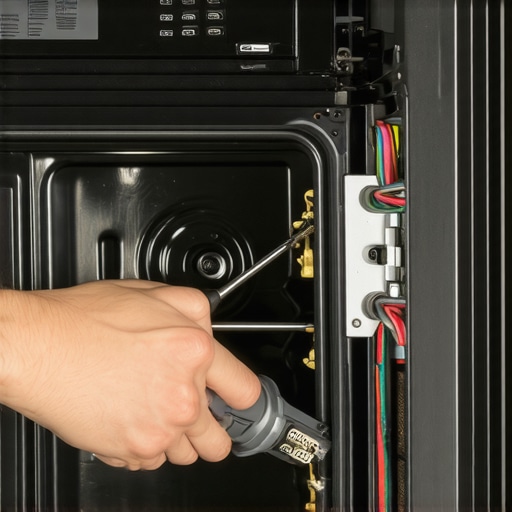
Check Your Electronics for These Warning Signs
If the sound isn’t a rattle but a steady, high-pitched hum or a rapid clicking, the problem is likely your control board. Relays are small switches on the board that open and close to send power to the heating elements. When they start to fail, they can ‘chatter,’ creating a buzzing sound that usually indicates a looming electrical failure. You should immediately look for symptoms that your oven control board is failing. Beyond the board itself, check the rear of the unit where the power cord connects. A loose wire at the terminal can arc, creating a dangerous buzzing sound and a potential fire hazard. Always check for a burnt terminal block on your electric oven if you smell ozone or see flickering lights. If you’ve confirmed it’s the board, you’ll need to know how to diagnose a buzzing noise from your oven control board specifically to see if a simple solder repair is possible or if you’re in the market for a total replacement. I once ignored a faint clicking for a month, only for the board to finally pop and leave me with a half-baked birthday cake and a $300 repair bill. Don’t be like me—listen to what the machine is telling you while the repair is still cheap.We often assume that a buzzing noise is just a part screaming for help, but there’s a nuance most DIYers miss: the difference between a mechanical vibration and an electrical arc. Everyone tells you to just ‘tighten the screws’ or ‘clean the fan,’ but if you have a high-resistance connection at the back of your unit, you’re not dealing with a noise; you’re dealing with a potential fire. In my years of tinkering, I’ve found that the most deceptive sounds come from the terminal block. If those connections are even slightly loose, they create a microscopic gap where electricity jumps—literally arcing—which produces a buzz that sounds identical to a vibrating fan. Before you buy anything, you must check for a burnt terminal block on your electric oven to ensure you aren’t just putting a band-aid on a blowtorch.
Can an Unrelated Appliance Fault Trigger Your Oven’s Noise?
Here is a curveball that trips up even the seasoned pros: electrical noise interference. If your kitchen was wired on a shared circuit, a failing pump in another appliance might be sending ‘dirty’ power back through the line. I once spent three days trying to fix a ‘buzzing’ oven control board only to realize the sound only happened when the dishwasher was in its drain cycle. It turns out, learning how to identify dishwasher faults quickly can sometimes solve your oven problems too. According to data from the International Association of Electrical Inspectors (IAEI), harmonic distortion from failing motors in heavy appliances can cause electronic relays in nearby devices to hum or chatter. So, if you’re hearing ghosts, check the other side of the kitchen.
Stop Buying Parts Until You Do This One Thing
The biggest ‘trap’ I see homeowners fall into is ‘parts cannoning’—firing new components at the machine until the noise stops. It’s expensive and, frankly, exhausting. You might think you need a new board, but it could just be a $15 sensor. You absolutely must test an oven temperature sensor with just a multimeter before assuming the brain of the operation is dead. A sensor that is drifting out of its resistance range can cause the relay board to cycle on and off rapidly as it struggles to maintain temperature, creating a ‘buzzing’ or ‘clicking’ sound that isn’t the board’s fault at all.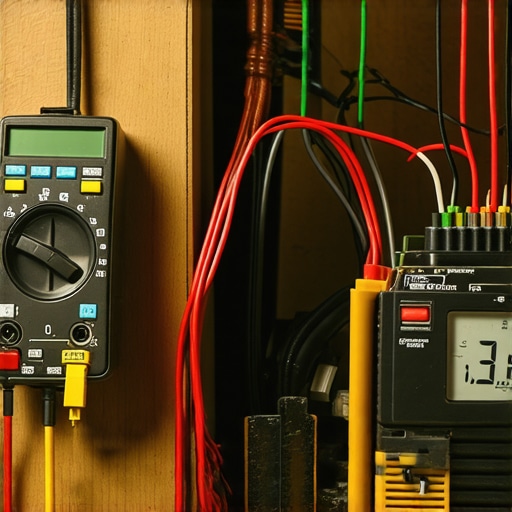 One contrarian tip I live by: don’t always trust the ‘tightness’ of a new part. I’ve seen people over-tighten components, thinking they are stopping vibrations, only to snap the mounting plastic or strip the threads. If you’re troubleshooting common issues with parts, remember that most oven components need a little room for thermal expansion. If you bolt everything down like it’s a submarine, the metal will groan and pop as it heats up, leading to those ‘mysterious’ night-time kitchen noises. Have you ever fallen into this trap of over-repairing something only to make it worse? Let me know in the comments below!If you’ve ever snapped a plastic clip because you were ‘just making sure it was tight,’ you know exactly what I mean. Over-repairing is a real thing, and it usually happens when we lack the right data. To stop that cycle of frustration, I’ve moved away from the basic hardware store screwdriver set and invested in a few specific tools that actually save me money in the long run.
Stop Guessing With a Real Multimeter
My absolute must-have is a digital multimeter with a ‘Low Impedance’ (LoZ) mode. When I’m diving into oven diagnostics to pinpoint faults before calling a repair expert, a standard meter can sometimes pick up ‘ghost voltage’—stray electromagnetic interference from nearby wires that makes it look like a part is getting power when it’s actually dead. A LoZ meter puts a tiny load on the circuit, giving you the truth. If you want to stop guessing, stop using a cheap voltage tester and get a tool that actually understands resistance. It is the only way to be 100% sure when you are testing an oven temperature sensor with just a multimeter.
How can I keep my kitchen running smooth for the long haul?
Long-term maintenance isn’t just about cleaning the stovetop; it’s about the invisible stuff that keeps the components from overheating. Every six months, I pull my oven out and vacuum the cooling fan intake at the rear. Dust is the silent killer of control boards because it traps heat and causes those relays to chatter. While I’m back there, I always take a second to check for a burnt terminal block on your electric oven. It takes two minutes but prevents a catastrophic failure later. I also suggest a quick crossover check. Often, a ‘buzzing’ in the kitchen is actually a vibration traveling through the cabinets from a nearby unit. It’s worth looking at dishwasher parts and a comprehensive guide to DIY diagnostics to see if a mounting bracket or a pump has wiggled loose over there, causing your oven to rattle in sympathy. 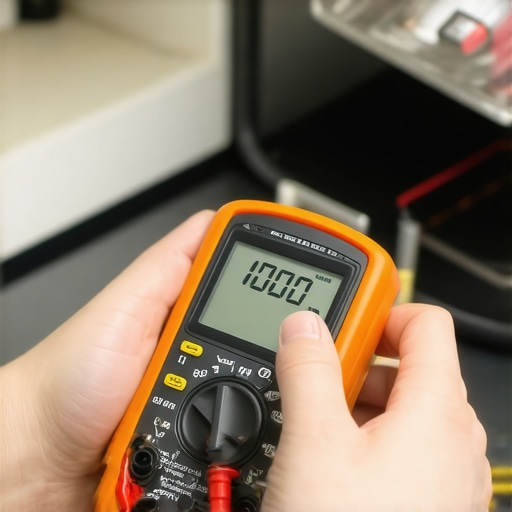
Smart Ovens and the Future of AI Repair
I predict we’re heading toward a world where ‘Local AI’ is built into your stove’s firmware as a standard feature. Instead of a vague buzz, your oven will eventually send a push notification to your phone saying, ‘My left convection fan bearing is at 80% wear, order part #XYZ now.’ We’re almost there, but until that tech becomes affordable, we have to rely on our ears and our tools. According to the Association of Home Appliance Manufacturers (AHAM) Technical Standards, modern high-efficiency appliances rely heavily on precise thermal management, meaning even a minor reduction in airflow from dust can shorten a control board’s lifespan by up to 30%. By keeping things clean and using the right oven repair essentials and troubleshooting common issues with parts, you’re not just fixing a noise; you’re extending the life of your kitchen by years. Don’t forget to regularly check your door integrity by testing your oven door seal with the dollar bill trick to ensure heat stays where it belongs. My challenge for you: Next time you hear a mystery buzz, don’t just hit the side of the machine. Grab a multimeter and perform the ‘Isolation Test’ to find the specific component failing before it turns into a $400 repair.
What My Burnt Control Boards Taught Me About Quiet Kitchens
Over the years, I have learned that a noisy oven is almost always a plea for help before a total meltdown occurs. First, silence isn’t just about peace; it’s about efficiency. A buzzing component is literally screaming that it’s working harder than it should, drawing more power and wearing down adjacent parts. Second, remember that oven repair essentials and troubleshooting common issues with parts usually start with the eyes, not the tools. Look for soot or warped plastic before you even touch a screwdriver. Finally, don’t ignore the ‘neighbor effect.’ Sometimes, your oven is perfectly fine, but it’s vibrating against a cabinet or a nearby unit that needs its own dishwasher parts and a comprehensive guide to DIY diagnostics check-up. The kitchen is a connected system, and vibrations travel through the floorboards more than we think.
My Go-To Toolkit for a Silent Range
If you want to stop the rattling for good, you need the right gear in your drawer. Here are the three things I never start a repair without. 1. A Digital Multimeter with LoZ: I can’t stress this enough when testing an oven temperature sensor with just a multimeter. It prevents ‘ghost readings’ that lead to buying expensive boards you don’t actually need. 2. A high-lumen headlamp: You can’t fix what you can’t see, and holding a flashlight in your teeth while checking the rear panel is a recipe for a bad day. 3. The Manufacturer’s Tech Sheet: Often hidden in a plastic pouch behind the bottom kickplate or inside the control console, this is your oven’s ‘cheat sheet’ for error codes and wiring diagrams.
Reclaim Your Kitchen From the Chaos
Walking into a quiet kitchen is a small win that makes a big difference in your daily stress levels. By mastering oven diagnostics to pinpoint faults before calling a repair expert, you aren’t just saving money—you’re gaining the confidence to maintain your home like a pro. Don’t let a small rattle turn into a major burnout or a fire hazard. Take ten minutes this weekend to check for a burnt terminal block on your electric oven and listen closely while it preheats. Your stove has a lot to tell you; you just have to know how to listen. What’s the weirdest sound your oven has ever made? Let me know in the comments below!