I stood there with a soggy towel in one hand and a shop-vac in the other, wondering where it all went wrong. I’d just spent twenty bucks on a “mega-pack” of those shimmering, multi-colored dishwasher pods, yet my dishes were covered in grit and the kitchen smelled like a wet basement. It turns out, I was falling for the marketing hype while my drain hose was paying the price. If you’ve ever looked down and realized why your dishwasher pod is falling out but not dissolving, you know exactly the frustration I’m talking about. Today, I’m going to pull back the curtain on why these convenient little packets might be the silent killer of your appliance’s plumbing and how you can fix it before you’re forced to call a plumber. Have you ever opened your dishwasher only to find a half-melted pod staring back at you?
Why Those Little Pods Are Trashing Your Drain Hose
The truth is a bit messy. These pods are designed to dissolve at specific temperatures, but our modern, “eco-friendly” cycles often run too cool to break down the outer plastic casing completely. Early in my DIY journey, I made the classic mistake of thinking more soap meant cleaner dishes. I’d even double-up on pods for “extra” cleaning power during a heavy load. That excess gunk didn’t just vanish; it turned into a sticky, gelatinous sludge that moved from the tub into the narrowest parts of the system. This is often the one part that stops your dishwasher from draining completely because that undissolved material acts like a magnet for food particles and hair. According to the American Cleaning Institute, using the wrong type or amount of detergent can lead to significant residue buildup, which eventually chokes off the flow of water and forces the machine to work harder than it was ever designed to. When that drain hose gets restricted, your pump has to work twice as hard, leading to a noisy dishwasher drain pump assembly that eventually just gives up the ghost.
Are Pods Actually Better Than Liquid Detergent?
It’s the question every neighbor asks me over the fence. We’ve been told that pods are the pinnacle of cleaning technology, but are they actually worth the risk to your plumbing? Many people fear that switching back to liquid or powder will result in spotty glasses, but the reality is that pods are a “one size fits all” solution for a world where water hardness varies wildly. If your pod isn’t dissolving, it’s not just a waste of money—it’s a physical obstruction forming in your machine.
Stop the Sludge Before It Kills Your Pump
The drainage system in your dishwasher isn’t as robust as the main sewer line in your house. It’s a thin, flexible hose that relies on a small motor to push water out. When pod residue starts to coat the interior of that hose, the diameter shrinks. You might start noticing why your dishwasher cycle takes hours longer than usual because the machine is struggling to clear the water between rinses. I learned the hard way that a little bit of maintenance today saves a three-hundred-dollar repair bill tomorrow. If you’re currently seeing why the bottom of your dishwasher is always full of water, don’t panic—we’re going to clear that line together.
Flush the Drain Line with High Heat
I remember the first time I pulled the kickplate off my machine; it was a swampy disaster. I found a slow drip that had been rotting the subfloor for weeks. If you notice moisture there, you should investigate why your dishwasher is leaking from the kickplate area before it warps your cabinets. But the real problem was the hose itself. The pod residue acts like a slow-moving glacier in your pipes, trapping every stray coffee ground and grain of rice. To clear this, run a “Heavy” or “Sanitize” cycle with a cup of white vinegar sitting upright in the top rack. This provides the sustained high temperature and acidity needed to melt that stubborn PVA plastic casing that your normal eco-cycle misses. 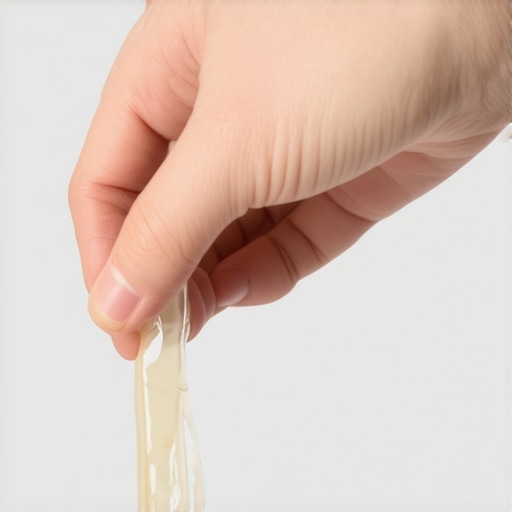
Scrub the Air Gap and Stop the Backup
If you see water bubbling up into your sink or out of that little chrome cylinder on your countertop, your pod sludge has reached the air gap. I once had to use a bottle brush to clear out a clog that was 90% half-melted blue detergent. It is a messy job, but knowing how to clean your dishwashers air gap to stop sink backflow is essential for keeping your kitchen sanitary. Simply pop off the chrome cover, unscrew the plastic cap, and pull out any debris with needle-nose pliers. You will likely find a gelatinous plug that has been preventing your machine from breathing correctly.
Dig Into the Sump for Hidden Residue
The sump is the stomach of your dishwasher, and if it is full of “pod-snot,” the machine will never drain correctly. I spent an afternoon once wondering why the bottom of your dishwasher is always full of water, only to find the filter was completely blinded by a thin film of undissolved plastic. You need to pull out the lower rack and rotate the cylindrical filter counter-clockwise. Don’t just rinse it; scrub it with a soft toothbrush. For a deeper look, check out dishwasher parts—a comprehensive guide to DIY diagnostics to identify which screen is actually clogged.
Test the Check Valve for Simple Clogs
Beneath the filter lies the check valve—a tiny rubber flap that keeps dirty sink water from flowing back into your clean dishwasher. Pod residue often causes this flap to stick in the open position. If you have ever had a “clean” load come out smelling like garbage, this is why. It is worth learning the best way to inspect your dishwashers check valve for clogs because a five-minute cleaning here can save you from buying a new pump. Residue acts as a physical wedge, preventing the seal from closing.
Unstick the Detergent Door Manually
Sometimes the pod doesn’t even make it to the drain because it gets fused to the dispenser. I once used too much force and snapped the plastic latch because I was frustrated. Before you break anything, try the best way to unstick a jammed dishwasher detergent door by using a warm, damp cloth to dissolve the “glue” that the pod created. This keeps the cycle moving as intended and prevents the pod from dropping at the wrong time and failing to dissolve entirely.
Check the Pump Impeller for Plastic Bits
If you hear a humming sound but no water is moving, a piece of undissolved pod casing might be jammed in the impeller. I once found a tiny shred of plastic wrapped so tightly around the motor shaft that I had to use tweezers to pick it out bit by bit. If the debris is too deep, you might end up replacing the circulation pump impeller in your dishwasher. Always disconnect the power before reaching into the pump housing to avoid an accidental start.Most DIYers I talk to treat an error code like the gospel truth. They see a ‘drain error’ and immediately buy a new pump, but here is the contrarian truth: the code only tells you what the machine cannot do, not why it cannot do it. In my years of troubleshooting, I have found that error codes are often red herrings that lead to unnecessary part replacements. Before you throw money at a new motor, you need to master parts and diagnostics to identify dishwasher faults quickly. For instance, that drain error might just be a tiny shard of undissolved pod plastic stuck in the check valve rather than a mechanical failure. This logic applies to your cooking appliances as well. If your dinner is coming out raw, do not just assume the heating element is dead. You should spend time pinpointing faults before calling a repair expert. Often, it is just a simple calibration issue, and you can learn the fast way to recalibrate your oven for accurate temperatures without spending a dime on hardware. 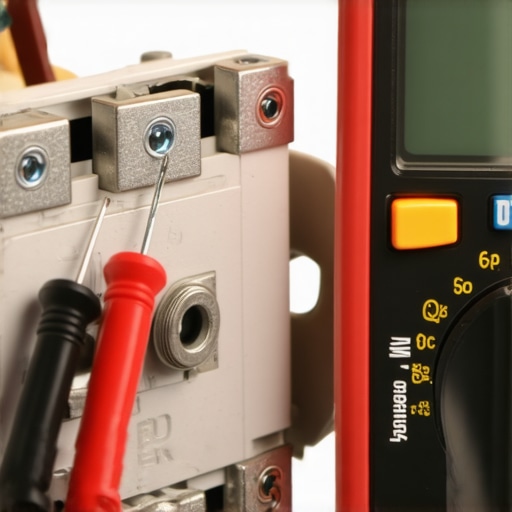
Does Your Local Water Hardness Make Pods a Bad Idea?
This is the hidden nuance that detergent manufacturers rarely discuss. If you live in an area with soft water, using a high-concentration pod is actually overkill and can cause ‘suds-locking’ in the pump. According to a study by the Association of Home Appliance Manufacturers (AHAM), using excessive detergent in soft water environments leads to chemical etching on glassware and the premature degradation of internal rubber seals. This chemical imbalance can make it look like your oven control board is failing or your dishwasher is glitching, when in reality, the sensors are just blinded by excess foam.
The Expensive Trap of the Post-Storm Reset
We have all been there: a thunderstorm rolls through, the lights flicker, and suddenly the dishwasher will not start. The most common ‘oops’ factor I see is homeowners simply flipping the breaker and assuming the machine is fine because it powered back on. While a reset works half the time, if there was a real surge, you might be fixing a dishwasher that wont start after a power surge by replacing a blown thermal fuse or a scorched control board. Forcing a damaged board to run can lead to permanent heat damage to the wire harness. Always take five minutes for testing your dishwashers high-limit thermostat for continuity if the machine refuses to heat. It is a ten-dollar part that protects the five-hundred-dollar appliance. Have you ever fallen into the trap of replacing a perfectly good part only to find it was not the culprit? Let me know in the comments below. Knowing when to stop diying and call an oven repair expert is the ultimate mark of an experienced homeowner.
I used to think my hands were my best tools, but then I bought a cheap digital multimeter and my whole world changed. You can’t see electricity, and you certainly can’t smell a bad relay before it fries, but you can definitely measure it. When I am how to test a dishwasher heating element for a short, that little beep on the continuity setting is the difference between an educated fix and an expensive guess. This philosophy is the backbone of oven repair essentials troubleshooting common issues with parts because it moves you away from ‘part-swapping’ and toward actual diagnostics.
How do I keep my appliances from failing prematurely?
The secret isn’t in a magic cleaning solution; it is in your regular routine. For example, Whirlpool’s Service Bulletin #W11228222 explicitly mentions that excess detergent residue is the leading cause of sensor failure in modern units. To counter this, I recommend a monthly ‘acid bath’ for your dishwasher using citric acid crystals. Unlike vinegar, which can sometimes degrade older rubber gaskets, citric acid is more targeted at breaking down calcium and pod-sludge without eating your seals. I also make it a point to perform how to inspect your ovens power cord for heat damage once a year. It sounds overkill until you see a charred terminal block that was five minutes away from a house fire.
As we look toward the future, appliances are becoming more ‘sealed.’ Manufacturers are moving toward integrated boards that are harder to repair with a soldering iron, but easier to diagnose with a smartphone. I predict that in the next five years, the ‘Right to Repair’ movement will force more brands to include open-source diagnostic ports. Until then, you have to be your own advocate. If you find your machine acting up, don’t just reset it. Use parts and diagnostics to identify dishwasher faults quickly before a small sensor glitch turns into a blown motor. When it comes to your cooking gear, the most reliable way to test an oven thermal fuse is still a manual continuity check. It is a foolproof method that software can’t always catch.
I want you to try something this weekend. Pull your oven out just six inches and check the vent for lint or grease buildup. If it’s clear, grab a multimeter and test your bake element for those ‘invisible’ cold spots we talked about. You might be surprised at what you find. If you have any questions about a specific model, feel free to contact us or check our privacy policy for how we handle your data.
Why I Stopped Believing the Detergent Commercials
After pulling apart dozens of machines, I’ve realized that “convenience” is often just another word for “future repair bill.” If you have soft water, that pod is essentially a soap bomb that your machine can’t handle. The most important lesson I’ve learned is that your eyes are your best diagnostic tool—if you see foam lingering after a cycle, you’re using too much soap. Another lightbulb moment came when I realized that most “broken” pumps are actually just obstructed. Before you buy new hardware, always use dishwasher parts—a comprehensive guide to DIY diagnostics to see if a simple cleaning can save you $200. Finally, remember that high heat isn’t just for sanitizing; it’s the only way to melt the plastic casing of those pods before they turn into sludge.
The Repair Kit That Lives Under My Sink
You don’t need a professional’s van to keep your kitchen running. My essential toolkit includes a reliable digital multimeter for testing things like how to test a dishwasher heating element for a short. I also keep a bag of food-grade citric acid on hand; it’s far more effective than vinegar at stripping away mineral scale. For those tricky electrical gremlins, I constantly refer back to my own notes on oven repair essentials troubleshooting common issues with parts because the logic of continuity and resistance remains the same across almost all heating appliances. These tools move you from guessing to knowing.
Take the Reins of Your Kitchen Maintenance
There is a unique kind of satisfaction that comes from hearing your dishwasher hum perfectly after you’ve cleared a stubborn clog yourself. You don’t have to be a master plumber to master your home; you just need the patience to look closer. By mastering oven diagnostics pinpointing faults before calling a repair expert and keeping your dishwasher lines clear of pod residue, you’re extending the life of your home’s hardest-working machines. Don’t let a little bit of plastic sludge stand between you and a functional kitchen. Have you ever opened your dishwasher filter only to find a gelatinous surprise? Let me know what you found in the comments below!