I remember the smell of roasting chicken filling the kitchen—that perfect Sunday afternoon vibe—until I reached out to turn the dial down. My fingers hit the plastic knob and I actually yelped. It wasn’t just warm; it was ‘is-the-plastic-melting’ hot. My first thought? My oven was about to go into meltdown mode. I spent the next hour hovering over it with an infrared thermometer, convinced I needed a whole new range. It turns out, I was looking in all the wrong places, but that panicky moment taught me everything I needed to know about heat dissipation and seal integrity.
Stop Burning Your Fingers Every Time You Bake
If you are currently using an oven mitt just to turn your stovetop off, you aren’t alone, but you definitely shouldn’t be living like that. It is a frustrating, literal pain in the hand. When those knobs get scorching, it usually isn’t because the knobs themselves are failing. Instead, they are becoming the accidental exit ramp for heat that belongs inside the oven cavity. It’s a lot like when you notice why your oven door glass is scorching hot to the touch; the heat is escaping where it shouldn’t. Today, we are going to dive into why this happens and how you can stop that heat from migrating up to your control panel. We will look at gaskets, venting issues, and simple alignment fixes that will save your fingertips. Have you ever had to use a kitchen towel just to adjust your temperature? Tell me your story in the comments below!
Is my oven actually a fire hazard?
It is the question that keeps us up at night when the appliance starts acting weird. While a hot knob is incredibly annoying, it rarely means your house is about to catch fire. However, it does mean your oven is working way harder than it needs to. According to the Association of Home Appliance Manufacturers (AHAM), modern ranges are designed to vent heat away from user interfaces, so if that heat is hitting your hands, a component has definitely shifted or failed. I’ve spent years performing oven diagnostics to pinpoint faults, and I’ve learned that knobs are often the ‘canary in the coal mine’ for bigger efficiency issues.
The Expensive Mistake I Made So You Don’t Have To
Early on in my DIY journey, I made a classic rookie move. I assumed the thermostat was broken and spent a hundred dollars on a part I didn’t need. I swapped it out, fired up the oven, and… the knobs were still hot enough to fry an egg on. The real culprit? A tiny gap in the door seal. I was overlooking the basics. Usually, the fix is as simple as fixing the steam leak from your oven doors top edge. That escaping steam carries immense heat directly to the plastic or metal dials right above the door. If you don’t catch it, you’ll end up needing to know when to stop DIYing and call an oven repair expert because the heat will eventually fry the expensive control board behind those knobs.
Stop the Heat Leak at the Gasket
Your oven gasket is essentially the weatherstripping of your kitchen. If it is frayed, brittle, or flattened, it creates a chimney effect where hot air rushes out the top gap and directly over your knobs. To check this, wait until the oven is cool and run your fingers along the rubber or fiberglass seal. If it feels hard like a plastic straw instead of squishy like a marshmallow, it is toast. You need to focus on oven repair essentials and troubleshooting common issues to restore that seal. I remember a job where the homeowner had stuffed tinfoil in the gap—please, never do that. It just redirected the heat toward the delicate wiring of the clock, nearly melting the entire harness. 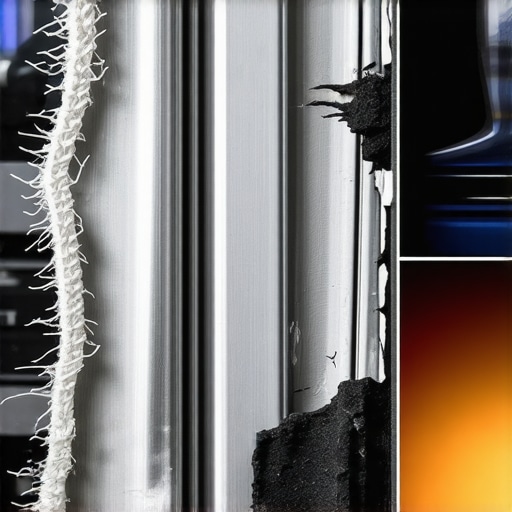
Tighten Your Hinges to Close the Gap
If the seal looks okay but you can still see light peeking through the top of the door, your hinges are the culprits. Think of your oven door like a car door; if the latch or the alignment is off, it won’t seal regardless of how good the rubber is. Over time, heavy doors or people leaning on them can bend the hinge receivers. You might need a hinge repair guide to get that door sitting flush again. I once spent three hours recalibrating a thermostat only to realize the door was sagging just three millimeters. That tiny lean was enough to bake the control knobs and ruin the finish on the drawer below.
Check for Invisible Damage Inside the Cavity
Sometimes the heat isn’t escaping through a gap you can see. If your bake element is failing, the oven might stay on high for too long trying to reach temperature, saturating the entire chassis with heat. You should be testing your oven bake element for hidden cold spots to ensure it is not overworking. While you are at it, take a flashlight and inspect your oven control board for burn marks. If the knobs have been hot for months, the plastic housings on the switches might already be starting to liquefy. It is a silent killer for electronics, much like how a slow leak in a dishwasher ruins the motor over time. If your knobs are still scorching after fixing the seal, you likely have a missing internal heat shield—a piece of metal designed to deflect air that might have fallen out during a previous move or deep cleaning session. Identifying these faults quickly is the only way to prevent a total control panel failure.Most people assume that if their oven knobs are hot, the solution is to pack more insulation around the door or the control panel. This is a massive mistake. In reality, modern convection and thermal ovens rely on precise airflow paths to keep the exterior cool. By ‘fixing’ a gap yourself, you might inadvertently block a cooling intake. I’ve seen homeowners melt their digital displays because they thought they were being clever with some high-temp silicone. According to safety standards from Underwriters Laboratories (UL), appliance surface temperatures are regulated based on specific venting designs; obstructing these can lead to catastrophic internal heat buildup.
Why Extra Insulation Is a Recipe for Disaster
When you notice your dials are scorching, the instinct is to plug every hole. However, your oven needs to breathe to protect its ‘brain’—the control board. If you block the natural convection path, the heat has nowhere to go but into the electronics. This is how you end up identifying a bad oven relay on the control board after only a few months of use. Instead of adding material, you should be ensuring the existing parts are performing. For instance, testing an oven bake element for invisible cracks is much more effective than stuffing fiberglass into the vents.
The Self-Cleaning Trap That Ruins Control Boards
Here is the ‘Oops’ factor many pros won’t tell you: the self-cleaning cycle is the number one killer of oven knobs and control panels. It ramps the internal temperature up to 800 or 900 degrees Fahrenheit. If your door hinges are even slightly out of alignment, that concentrated heat blast will bypass the seal and bake your plastic knobs instantly. I always suggest fixing an oven that stays warm long after you turn it off before ever attempting a self-clean cycle. If the high-limit thermostat is wonky, you are essentially running a furnace in your kitchen without a safety net. 
Can a failing heating element actually heat the knobs?
Yes, but not in the way you might think. When an element begins to fail, it can develop high resistance or ‘hot spots’ that cause the oven’s control system to stay engaged for longer durations. This saturates the metal chassis with heat that eventually migrates to the control panel. You should be testing your ovens high limit thermostat with ease to ensure it hasn’t been bypassed by a previous ‘handyman’ fix. Similarly, how to inspect your ovens power cord for heat damage is a vital step, as a loose connection at the terminal block can generate localized heat that travels up the frame.
Mastering the Multimeter Without a Degree
You don’t need to be an engineer to find the root cause. Using 5 multimeter tricks for diagnosing a dead control board can save you hundreds in guestimate repairs. If the resistance on your sensors is off, the oven won’t know when to cycle down, leading to that dreaded knob-melt. It is a logic puzzle more than a mechanical one. This same diagnostic mindset applies across the kitchen; for example, knowing how to identify dishwasher faults quickly often reveals that a ‘hot’ appliance is just an overworked one. Have you ever tried to ‘improve’ your oven’s insulation and ended up making things worse? Let me know in the comments below! If you are still stuck, you can always contact us for specific parts advice or check out our oven repair essentials guide for a full breakdown of gasket types.
The Digital Toolbox Every Homeowner Needs
When people ask me what the secret to my ‘luck’ with repairs is, I point to my tool bag. It isn’t about being a genius; it’s about having the right data. I never start a job without my infrared (IR) thermometer and a reliable multimeter. The IR thermometer allows me to map exactly where the heat is escaping without burning my own skin. If I see a 200-degree spike right at the top of the oven door, I know I’m dealing with a gasket failure or a sagging hinge. Once I’ve found the heat leak, I move to 5 multimeter tricks for diagnosing a dead control board to see if the heat has already fried the internal relays. You don’t need the most expensive Fluke on the market, but you do need something that can handle testing the resistance on your ovens broil element with decimal-point accuracy. #IMAGE_PLACE_HOLDER_D#
How do I maintain my oven’s thermal seal for the long haul?
Keeping your oven cool isn’t just a one-time fix; it’s about preventing the ‘creep’ of wear and tear. I make it a habit to wipe down my door gaskets with a damp microfiber cloth every single month. Grease buildup is the silent enemy here; it eats away at the silicone or fiberglass and makes it brittle. If you let it go, you’ll be finding the correct replacement gasket for an old gas oven much sooner than necessary. You should also periodically check the tension of the door springs. A door that doesn’t pull tight against the frame is a door that leaks. I’ve found that how to lubricate sticky oven door hinges safely once a year prevents the metal-on-metal grinding that eventually leads to the hinges bending out of shape.
What Technical Standards Say About Your Hot Knobs
It helps to know what ‘normal’ actually looks like according to the pros. In technical circles, we often reference specific benchmarks like the NEMA WD 6-2016 standard, which outlines thermal thresholds for electrical components. Most oven knobs are designed to stay well below 122°F (50°C) during standard operation. If your knobs are crossing that threshold, you aren’t just dealing with a minor annoyance; you are operating outside the safety envelope intended for the plastic and the wiring behind it. This heat eventually causes the insulation on the wires to become brittle and crack, leading to those mysterious oven diagnostics to pinpoint faults sessions where you’re chasing ghosts in the machine.
The Future of Kitchen Diagnostics is Already Here
Looking ahead, I suspect we are moving toward appliances that self-diagnose heat leaks before you ever feel a warm dial. We are already seeing high-end ranges with built-in thermal sensors near the control boards that can shut the unit down if they detect a seal breach. Until we all have those smart ovens, though, we have to rely on our own vigilance. This diagnostic mindset isn’t limited to your range either; knowing how to identify dishwasher faults quickly is just as important when your dishwasher starts running hot and steaming up your cabinets. The principles of thermal management are universal across your kitchen. My challenge to you: Go to your oven right now and try the ‘paper test.’ Close the door on a single sheet of printer paper at the top. If you can pull that paper out with zero resistance, your seal is failing. If it fails, check our oven repair essentials guide to see exactly which gasket style you need to order.
Hard Truths from My Years Over a Hot Stove
If I could go back to that first day I burned my thumb on a range dial, I would tell myself to stop looking at the knobs and start looking at the gaps. One of the biggest lightbulb moments I had was realizing that heat is lazy; it will always take the easiest path out. If your door isn’t snug, the control panel becomes the chimney. If the damage is already done and your dials have started to warp or discolor, you might need help finding replacement knobs for a discontinued oven model. Don’t let a small leak turn into a full teardown. I’ve also learned that there is a fine line between a simple gasket swap and a dangerous electrical hazard, which is why it’s vital to know when to stop DIYing and call an oven repair expert before you start pulling apart the main harness.
Tools I Use to Hunt Down Heat Leaks
You don’t need a truck full of gear to keep your oven running efficiently, but a few specific items are non-negotiable in my toolkit. First, a reliable multimeter is worth its weight in gold. I use mine for 5 multimeter tricks for diagnosing a dead control board whenever I suspect that long-term heat exposure has softened the solder joints on the relays. Second, always keep a high-quality silicone-safe cleaner nearby; keeping the seal area free of grease ensures the door stays shut tight. For a deeper dive into the mechanical side of things, I always recommend checking out my oven repair essentials guide to make sure you have the right materials for your specific brand.
Reclaim Your Kitchen Safety Today
Dealing with a hot oven shouldn’t feel like a high-stakes game of ‘Operation.’ By paying attention to the seal, the hinges, and the internal elements, you can keep the heat where it belongs: inside the oven. Don’t wait until you see smoke or a blank display to take action. This proactive approach to maintenance is the hallmark of a smart homeowner. Have you ever noticed a sudden temperature spike on your control panel after a long baking session? Let me know your experience in the comments below!