I stood in my kitchen, sniffing the air like a confused bloodhound. My wife poked her head around the corner and asked if I’d somehow started a bonfire in the living room. I hadn’t, obviously. But the scent of burning wood—thick, smoky, and oddly nostalgic—was definitely wafting out of my preheating range. At first, I thought it was just a bit of spilled cheese from last Tuesday’s taco night, but this was different. This was visceral. It smelled like a Yosemite campsite, not a culinary mishap. Most people’s first instinct is to call 911 or a high-priced technician, but I’ve learned the hard way that a smoky oven isn’t always a death sentence for the appliance.
Stop the Smoke Before the Smoke Alarm Wins
I’ll be honest with you: early in my DIY journey, I made a massive mistake. I once ignored a faint campfire smell for weeks, assuming it was just part of the oven’s aging process. It turns out I was actually watching a grease-caked burner slowly incinerate a nearby gasket. By the time I took it seriously, I had a much bigger mess on my hands. Today, we’re going to get to the bottom of your outdoor-smell-indoors problem. We will look at everything from why your gas oven flame looks lazy and yellow to the hidden debris that turns your appliance into a fire hazard. According to the National Fire Protection Association, cooking equipment is the leading cause of home fires and fire injuries, so while we aren’t panicking, we are being smart. We’re going to walk through oven diagnostics to pinpoint faults before you spend a dime on a repair pro.
Does This Mean My Oven Is Total Junk?
It’s the question that keeps us up at night when the kitchen starts smelling like a forest fire. You’re likely worried that the control board is fried or that you’re looking at a thousand-dollar replacement bill. Most of the time, the campfire smell is just a cry for help from a dirty component or a part that’s reached its natural end of life. Have you ever stood there staring at your oven, wondering if it’s safer to just order takeout forever? Before we start tearing things apart, we need to rule out the simple stuff, like cleaning the debris from a hidden burner, which is often the culprit behind that campfire aroma. Getting a handle on these basics is the first step toward reclaiming your kitchen from the smell of the Great Outdoors.
Don’t Just Stare at the Smoke—Start Dissecting
To get anywhere, you need to stop thinking of your oven as a magic heat box and start seeing it as a complex circuit of components. When that campfire smell hits, the first thing I do is play detective with a flashlight. I remember one Saturday morning, I was determined to bake a sourdough loaf, but the kitchen smelled like a pine forest in July. I assumed it was just a bit of charred flour, but upon a closer, focused look, I realized my element was literally bubbling. You need to know how to check your ovens bake element for tiny blisters. These are the physical scars of an electrical surge or simple metal fatigue. If you see a spot that looks like a miniature volcano or a burnt marshmallow, you have found your source.
Run Your Eyes Over the Heating Element
Wait for the unit to cool down completely—seriously, do not be a hero—and look for any signs of pitting or discoloration. Even if you do not see a big bubble, you might be testing an oven bake element for invisible cracks that only open up when the metal expands under heat. Think of it like a hairline fracture in a bone; it might look fine at rest, but as soon as you put weight on it, everything fails. If the element looks pristine, it is time to follow the trail of crumbs—or in this case, wires. 
Check the Power Flow Before You Blame the Part
Sometimes the smell is not the element itself but the material feeding it. I have seen cases where a loose connection at the back of the stove starts melting the plastic housing. It smells exactly like burning wood at first because of the way certain types of insulation char. This is why you must learn how to inspect your oven control board for burn marks. If you see a dark, toasted area around a relay, that is your campfire. While you are back there, take a second to learn how to inspect your ovens power cord for heat damage. A frayed cord is not just a smell issue; it is a major safety hazard.
Decode the Clicks and Hisses of a Gas System
If you are running on gas, the campfire smell often comes from an improper burn or a failing igniter that is getting way too hot without actually catching fire. It is like trying to start a campfire with a lighter that just will not spark—eventually, the fluid and the heat create a funky aroma. You might find yourself wondering why your oven igniter clicks but never fires up, which often points back to a weak component. In these scenarios, you will also want to be testing a gas oven safety valve for proper voltage to ensure the system is not choking itself out. Mastering these oven repair essentials is the only way to move from guessing to knowing. Once you identify if it is the board, the element, or a valve, you are halfway to a smoke-free kitchen.Most DIYers fall into the trap of thinking if a part looks okay, it is okay. I used to be one of them. I would pull out a heating element, see it was still in one piece, and assume the problem was elsewhere. But here is the contrarian truth: visual inspections are often worthless. Metal fatigue can happen internally long before the outer sheath shows a single blister. If you are only looking for physical damage, you are missing half the story. You should be testing your oven bake element for hidden cold spots using a multimeter, because a lack of resistance is the only diagnostic tool that does not lie. According to experts at the United Appliance Servicers Association (UASA), a significant percentage of appliance parts replaced by homeowners are actually fully functional; the failure is frequently a symptom of an upstream issue like a loose terminal or a burnt wire elsewhere in the circuit.
Is Your Multimeter Giving You a False Sense of Security?
Having the tool is one thing, but knowing the why is another. Many folks check for continuity and call it a day. However, an element can show continuity but still fail under a full load. This is where testing your oven temperature sensor without calling a pro becomes vital. If the sensor is sending the wrong data, the control board will not even try to heat the element properly. It is like a thermostat that thinks it is 70 degrees when the kitchen is actually 400. 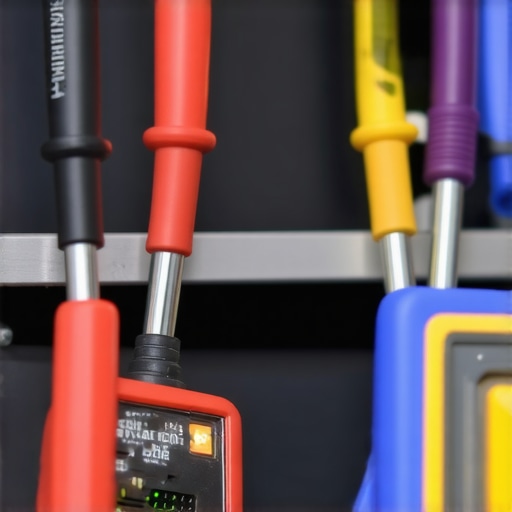 Before you click buy on that expensive replacement, you have to learn how to identify a bad oven relay on the control board. A stuck relay can keep power flowing when it should not, or worse, prevent it entirely, mimicking a dead element. The oops factor here is massive—if you replace the element but the relay is stuck closed, you might just fry your brand-new part within minutes. This logic applies to your other kitchen workhorses too. For instance, always try checking the thermal fuse on your dishwasher before buying a new one. It is a five-dollar fix that mimics a five-hundred-dollar failure. Have you ever fallen into this trap of replacing a part only to find the problem was something much smaller? Let me know in the comments. Knowing when to stop diying and call an oven repair expert is the ultimate mark of an experienced home owner, but mastering these nuances ensures you do not call them for a simple fuse swap.
Gear Up Like a Pro to Save Your Weekend
If you are tired of playing the guessing game every time your kitchen smells like a bonfire, you need to upgrade your toolkit. I used to rely on a cheap five-dollar tester I found in a bargain bin, but it led me astray more times than I care to admit. Now, I never open a back panel without my Fluke 115 digital multimeter. Why? Because precision matters when you are how to test an oven broil element using a simple ohmmeter. Cheap meters often have high internal resistance that can make a failing element look ‘good enough’ when it is actually dying. Another secret weapon is a telescoping inspection mirror. It allows you to see the underside of the hidden burner without pulling the whole unit out of the wall, making oven repair essentials feel much less like a back-breaking chore.
How do I keep my appliances running smoothly for years?
Maintenance isn’t just about cleaning up spills; it is about mechanical preservation. According to the Association of Home Appliance Manufacturers (AHAM), consistent maintenance can extend an appliance’s life by up to 30%. For your oven, this means you should be how to lubricate sticky oven door hinges safely at least once a year to prevent the metal-on-metal grinding that eventually snaps cables. Your dishwasher needs similar love. Don’t wait for a clog to start dishwasher parts a comprehensive guide to diy diagnostics. I make it a habit to run a monthly descaling cycle to avoid the buildup that ruins pumps. If you see white haze, you should be using the trick to removing hard water spots from dishwasher walls before the minerals seize your spray arms. 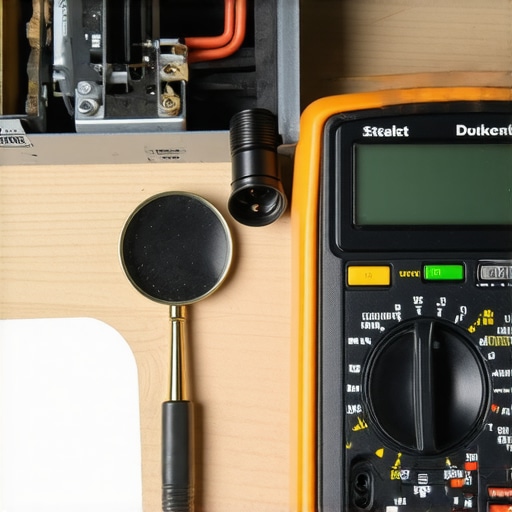
Why Your Next Oven Might Fix Itself
I predict that within the next decade, the ‘campfire smell’ will be a thing of the past because of AI-integrated thermal sensors. We are already seeing high-end models that can detect the specific chemical signature of burning grease versus a failing wire and send a notification to your phone before the smoke even starts. Until then, you are the brain of the operation. Mastering oven diagnostics pinpointing faults before calling a repair expert is your best defense against planned obsolescence. If you want to really level up your DIY game, I challenge you to pull your range out today and perform a full visual scan of the terminal block. It takes ten minutes, but finding a loose nut there today could save you from a house fire tomorrow.
Hard-Earned Lessons From My Smoke-Filled Kitchen
After years of tinkering with ranges and ranges of problems, I have realized that the campfire smell is usually a whisper before a shout. One thing I have learned is that you should never trust a visual inspection alone. Metal fatigue hides inside insulation, and a part that looks shiny might be dead on the inside. Another lightbulb moment for me was realizing how often a smell is actually secondary. For instance, why your gas oven smells like raw gas when you turn it on can often lead you to the same components that eventually char and create that wood-burning aroma. Also, do not ignore the weird sounds; I found that why your oven timer beeps at random times is frequently a sign of a control board that is literally cooking itself from the inside out. Finally, always check your connections first. A loose wire nut creates more ‘campfires’ than actual component failures ever do.
The Gear That Actually Stops the Guessing
If you want to move past the sniffing phase, you need a few non-negotiables in your toolbox. I personally swear by a high-impedance digital multimeter because it is the only way to be sure about resistance values. You will also find that finding the right oven heating element without the manual is much easier when you have a set of digital calipers to measure the old part’s diameter and length. I also keep a canister of food-grade contact cleaner nearby; sometimes the ‘burn’ is just carbon buildup on a terminal that needs a quick scrub. These oven repair essentials turn a stressful afternoon into a quick twenty-minute fix.
Take Back Your Kitchen One Spark at a Time
It is incredibly empowering to fix your own stove. That first meal you cook after solving a smoky mystery tastes better because you know the machine providing the heat is safe and efficient. Don’t let a strange aroma or a flickering light scare you into a thousand-dollar purchase you don’t need. You have the tools, the logic, and the diagnostic path to handle this. Have you ever successfully fixed a campfire smell in your oven, or did it turn out to be something completely unexpected? Let me know in the comments below!