![Oven Running Too Hot? 3 Sensors to Swap Right Now [2026]](https://appliancebargainz.com/wp-content/uploads/2026/02/Oven-Running-Too-Hot-3-Sensors-to-Swap-Right-Now-2026.jpeg)
There was a moment in my kitchen, heat rising from the oven, when I realized my baked goods were burning before I even had a chance to taste them. Frustration crept in as I watched yet another batch go awry, despite adjusting the temperature knob. That lightbulb moment made me dive deep into diagnostics, discovering that my oven’s internal sensors were acting up, causing it to run excessively hot.
Understanding the Hidden Culprits Behind Overheating Ovens
If you’ve been battling with an oven that refuses to stay cool, you’re not alone. Many homeowners face this issue, often without realizing that a simple sensor swap might be all it takes to fix the problem. Overheating can be a sign that your oven’s temperature sensors are misreading, tricking your appliance into exceeding safe cooking temperatures. The good news? Replacing a few key sensors can restore your oven’s accuracy and safety, saving you from costly repairs or replacements.
Is Swapping Sensors Really Worth the Hassle?
I used to think that such repairs were complex or only for pros. Early on, I made the mistake of ignoring minor signs, which only worsened the problem. But I learned that diagnosing and swapping faulty sensors are straightforward when you know what to look for. For instance, faulty sensors often send incorrect temperature data, causing your oven to overheat. According to appliance repair experts, testing and replacing these sensors is a cost-effective way to extend your oven’s lifespan and improve cooking results. Curious whether this is your issue? If you’ve experienced uneven cooking or constant overheating, it might be time to check these critical parts. For detailed diagnostics, [this guide](https://appliancebargainz.com/oven-wont-reach-temperature-4-sensors-to-test-and-fix-2026) can help you confirm whether sensors are the root cause.
Power Off and Safety Check
Before diving into diagnostics, unplug your oven or switch off the circuit breaker to ensure safety. Wear insulated gloves to prevent electrical shocks. Remember, working with live electricity is dangerous and should be avoided at all costs. During my first attempt, I overlooked this step and sparked a small shock, which reminded me why safety comes first.
Accessing the Internal Sensors
Open your oven door and locate the temperature sensors, typically found at the back wall or side. Use a screwdriver to remove the panel if necessary. Think of this step as opening the hood of a car to get a closer look at the engine. In my case, I used a magnetic screwdriver to avoid dropping screws into tight spots, saving time and preventing damage.
Identify the Sensor Type
Most sensors are either a probe with a coiled wire or a thermistor. Check for visible signs of damage—corrosion, frayed wires, or burnt spots. If you notice any of these, it’s likely time for a replacement. When I examined my sensor, I saw slight discoloration and tested its resistance with a multimeter, which confirmed my suspicion of failure.
Testing the Sensor with a Multimeter
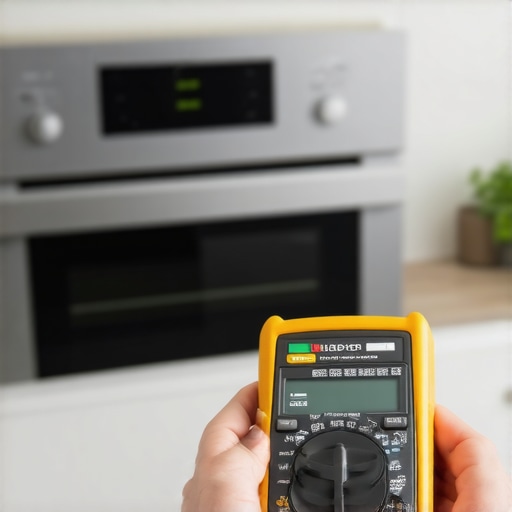
Set your multimeter to the resistance (Ω) setting. Disconnect the sensor’s wire harness. Place the probes on the sensor terminals—consult your oven’s manual if unsure. The resistance value should fall within the specifications listed in the manual, typically between 1000 and 3000 ohms. I followed along with a video tutorial, which guided me through proper multimeter techniques, and discovered my sensor’s resistance was out of range, indicating a malfunction.
Replacing the Faulty Sensor
If testing confirms the sensor’s failure, procure a replacement. Check the model number and specifications, or visit a dedicated [oven parts](https://appliancebargainz.com/4-must-have-oven-parts-for-stress-free-diy-repairs-in-2026) guide to identify compatible parts. Remove the old sensor by unscrewing it from its mount and disconnecting the wiring harness. Insert the new sensor, secure it tightly, and reconnect the wiring. Tightening the screws snugly prevents future dislodging during oven operation. When I replaced mine, I realized the importance of verifying connections before sealing everything back up.
Reassemble and Test
Replace the access panel and restore power. Turn your oven on and set it to a test temperature to observe if it heats properly without overheating. Keep an eye on the display and listen for unusual noises. During my test, I monitored the oven’s preheat cycle and found the temperature stabilized at the set point, a clear sign of successful repair. This quick verification prevents future headaches and ensures safety during future use.
While many believe that straightforward tests and replacing obvious faulty parts solve appliance issues, the reality is far more nuanced. Common misconceptions can lead even experienced DIY enthusiasts astray, causing wasted time and unnecessary expenses. To truly master appliance repair, it’s essential to understand these subtleties that many overlook.
Challenging the Myths: More Parts Equal Faster Fixes
A widespread myth is that replacing the most suspicious parts first guarantees a quick fix. However, in my experience, this approach often misses the underlying cause. For example, a dishwasher not draining isn’t always due to a faulty pump; it could be a clogged filter or a faulty pressure switch. Skilled technicians perform comprehensive diagnostics, considering multiple interconnected components before swapping parts. According to expert diagnostics guides, such as this resource, a methodical approach saves time and money.
Advanced Diagnostics Require More Than Just Testing
Many repair novices rely solely on multimeter readings or visual inspection. While these are vital steps, advanced understanding involves recognizing patterns, temperature discrepancies, and subtle signs like burned connector terminals or minor corrosion. For example, in oven diagnostics, a sensor might test within resistance specs but still produce faulty readings under operational conditions due to wiring issues or internal corrosion. This complexity underscores why experience and contextual knowledge matter more than just reading numbers. The importance of holistic diagnostics is supported by studies emphasizing pattern recognition in troubleshooting, like this comprehensive guide.
The ‘Oops’ Trap in DIY Repairs
One common pitfall is overlooking safety precautions. I once attempted to replace an oven sensor without unplugging the unit, only to be jolted when touching exposed wires—a clear reminder that safety isn’t optional. Additionally, novice technicians might misinterpret diagnostic signals due to assumptions about parts’ functions. For example, assuming a heating element is dead solely because an oven isn’t heating can lead to replacing a perfectly good part, neglecting issues like faulty relays or control boards. Recognizing these traps emphasizes the importance of thorough, cautious diagnostics, especially when dealing with complex systems.
Why Do Internal Components Sometimes Deceive?
Components like sensors, switches, and relays can appear intact visually but behave unpredictably under load or during real operation. Thermal sensors, for instance, may have an acceptable resistance at room temperature but malfunction at oven temperatures. This is why professional diagnostics often involve testing parts under simulated real-world conditions or using infrared thermometers to verify actual temperatures. Understanding such nuances can prevent costly misdiagnoses. The significance of testing parts in situ is detailed in this diagnostic strategy guide.
In essence, mastering appliance diagnosis goes beyond swapping parts at random. It demands a deep understanding of how components interact, attention to subtle signs, and a commitment to safety and thorough testing. Are you falling into common diagnostic traps? Share your experiences in the comments and let’s refine our repair skills together!
Maintaining your appliances beyond simple repairs is essential for ensuring their longevity and optimal performance. Over the years, I’ve found that investing in the right tools and adopting systematic maintenance routines can save you significant time and money. One of my go-to instruments is a high-quality digital multimeter because it provides precise readings, allowing me to diagnose issues like faulty sensors or control boards quickly. For instance, when diagnosing an oven that refuses to heat uniformly, I use a multimeter to test temperature sensors, ensuring accurate readings before replacing any parts. You can learn more about diagnosing issues with your oven’s heating elements at this comprehensive guide.
Another invaluable tool is a set of insulated screwdrivers. These help prevent accidental shorts during disassembly, especially when working near live electrical components. I always make sure my screwdriver set includes Phillips, flat-head, and Torx drivers to handle various models. For precision work, especially in tight spaces like dishwasher pumps or oven control panels, a set of fine-tip pliers and a pickup magnet are indispensable—they help retrieve dropped screws or small parts without damage.
In terms of software, I’ve started using diagnostic apps that can interface with some newer appliances via Bluetooth or Wi-Fi. These apps can read error codes directly from your device, giving you a clear starting point. However, even with advanced tech, the foundation remains manual diagnostics—testing parts with multimeters and visually inspecting for damage.
How do I keep my appliances running smoothly over time
Regular cleaning is paramount. For example, cleaning dishwasher spray arms of mineral buildup prevents clogging, which ensures even water distribution. I recommend scheduling a thorough wipe-down every few months, focusing on filters, vents, and moving parts. Additionally, inspecting sealants and gaskets for wear prevents leaks and energy loss. Moreover, replacing parts proactively—like oven door hinges or dishwasher racks—can prevent more considerable issues down the line. These parts are affordable and straightforward to swap, especially if you keep an inventory of common replacements, like the ones listed here.
Looking ahead, I believe innovative diagnostic tools with AI integration might become standard, helping homeowners and technicians alike to identify problems before they escalate. As this technology develops, you’ll see more plug-and-play devices that instantly communicate appliance health and maintenance needs via smartphone apps, reducing downtime significantly.
As an exercise, try calibrating your oven temperature sensor using a multimeter and the manufacturer’s specifications. Accurate calibration prevents the recurring overheat issues I discussed earlier and enhances your baking precision. Consistent maintenance combined with the right tools ensures your appliances serve you well, making home repairs less daunting and more predictable.
Lessons That Became My Secret Weapons in Diagnostics
- I’ve realized that jumping straight to replacing parts often wastes time. Instead, mastering the art of thorough diagnostics—testing sensors, checking wiring, and observing subtle signs—has transformed my repair approach. This patience pays off when resolving complex issues without unnecessary costs.
- Understanding that components can deceive—such as sensors reading okay at room temperature but failing under load—has been a game-changer. It taught me to test parts in ways that simulate actual operating conditions for accurate results.
- Safety can’t be overstated. I learned this the hard way, risking shocks by working on live appliances. Now, proactive safety checks are integral, ensuring both my safety and repair success.
- Investing in proper tools makes all the difference. A quality multimeter and insulated screwdrivers aren’t just gadgets—they are the backbone of reliable diagnostics, saving me time and preventing damage during repairs.
Tools and Knowledge That Keep My Repairs Sharp
- Essential Oven Parts Kit: Having genuine parts linked to my specific model streamlines replacements and minimizes guesswork.
- Expert Diagnostics Guides: These resources provide nuanced troubleshooting steps that go beyond basic tests, helping me identify the root causes more reliably.
- Comprehensive Repair Manuals: They serve as my blueprint for systematic troubleshooting, ensuring I don’t miss hidden issues.
- High-quality digital multimeter and insulated screwdrivers: They make diagnostics safer and more precise, handling tricky wiring and subtle resistance tests with confidence.
Own Your Repairs and Embrace the Challenge
Taking on diagnostics, dishwasher, and oven repair isn’t just about fixing appliances; it’s about empowering yourself with skills and confidence. Push past the initial hesitation—every successful fix boosts your expertise. Remember, every appliance you repair adds to your knowledge, making the next problem a little easier. Start with small projects, stay curious, and don’t shy away from diving into the details. Your future self will thank you for the skills you develop today!
How about your own DIY repair stories? Have you ever tackled a tricky sensor or a stubborn dishwasher? Share below and let’s learn from each other!
Samuel Johnson
Reading through this detailed breakdown on diagnosing oven overheating issues really resonated with me. I had a similar experience where my baked goods kept burning, and it turned out to be a faulty temperature sensor. What I found particularly helpful was testing the sensor with a multimeter in different conditions; I learned that a resistance reading at room temperature doesn’t always tell the full story. As you mentioned, some sensors appear fine visually but malfunction under actual operating temperatures. I also agree that safety precautions are vital—working around live electrical parts can be dangerous if not handled carefully. The process of locating and removing the sensor was a bit tricky due to tight spaces, but using a magnetic screwdriver made it much easier. Has anyone else found that performing in-situ tests or using infrared thermometers helped them identify tricky issues? I would love to hear different approaches to ensuring our diagnostics are thorough and safe!