![Why Your Oven Won't Preheat Fast: 4 Diagnosis Tips [2026]](https://appliancebargainz.com/wp-content/uploads/2026/02/Why-Your-Oven-Wont-Preheat-Fast-4-Diagnosis-Tips-2026.jpeg)
There was a chilly morning when I eagerly turned on my oven, expecting to whip up breakfast in no time. Instead, I was greeted with a stubbornly cold oven that seemed to take forever to heat up. Frustration crept in as I watched the timer tick, and my plans for a quick meal slipped away. That lightbulb moment made me realize how crucial a properly preheating oven is—especially when I rely on it daily for family meals, baking, or even just warming up leftovers. If you’ve faced the same slow heat-up times, you’re not alone. Many homeowners overlook simple issues that can cause their oven to lag, but today, I promise to guide you through diagnosing and fixing the problem to regain that reliable, quick preheat your oven used to deliver.
Why Your Oven Refuses to Warm Up Quickly
Understanding why your oven struggles to heat quickly isn’t just about comfort—it’s about safety, energy efficiency, and the quality of your cooking. A sluggish preheat might hint at underlying component issues that, if left unchecked, could lead to more significant problems down the line. Did you know that according to Consumer Reports, inefficient ovens can waste hundreds of dollars annually in energy costs? Recognizing and fixing the root causes can save you money and prevent headaches down the road. From faulty heating elements to sensor malfunctions, these common issues are often easier to diagnose than you might think. In fact, my early mistake was assuming a broken thermostat was the culprit, only to realize later it was a burnt-out bake element. Learning from those missteps inspired me to dig deeper and develop simple diagnosis tips I now share in my blog. If you’ve been avoiding troubleshooting, maybe because it seems daunting, I can assure you—most fixes are well within your reach.
Is Diagnosing Your Oven Worth the Effort?
Here’s a question I hear all the time: “Is it really worth diagnosing and repairing my oven myself?” Honestly, early on, I hesitated, worried I might make things worse. But I quickly learned that many common problems are straightforward and affordable to fix, especially with a bit of guidance. Plus, nullifying expensive service calls is a huge plus. If you’re tired of waiting forever for your oven to heat up, or if you’re concerned about the safety of a faulty appliance, the answer is a resounding yes. Taking a hands-on approach saved me unnecessary costs and gave me confidence in maintaining my home. For thorough troubleshooting, I recommend checking out detailed guides like [oven diagnostics and repair strategies](https://appliancebargainz.com/top-oven-repair-tips-diagnostics-effective-fix-strategies-2025). Embracing the repair process not only saves money but gives you peace of mind knowing you can handle those unexpected issues yourself. Ready to dive into some practical tips? Let’s get started with the first step to faster, more reliable oven heating.
Check the Heating Elements First
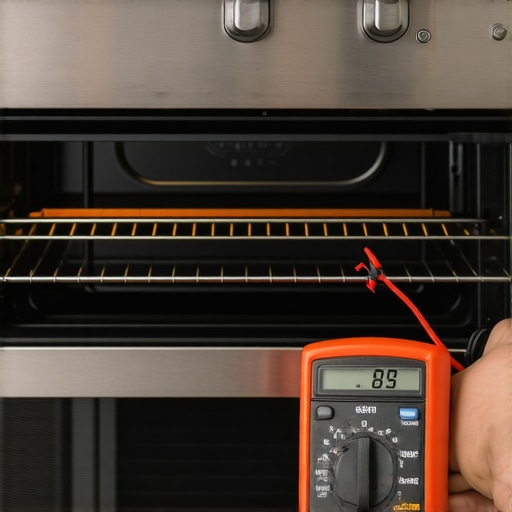
Start by inspecting the bake and broil elements for visible damage like cracks or burns. Turn off the oven and remove the racks to access the elements easily. Use a multimeter set to resistance to test continuity—the reading should be low; if it’s infinite, the element has burned out and needs replacement. I once had an oven where the bake element looked fine externally, but testing revealed it was faulty, causing slow heating. Replacing it instantly restored quick preheating and saved me from purchasing a new oven.
Test the Oven’s Temperature Sensor
The sensor communicates temperature data to the control board. If it’s faulty, the oven might underheat or heat slowly. Locate the sensor, usually a thin, metal probe near the heating elements. Disconnect it and measure resistance with a multimeter at room temperature—typically around 1100 ohms. If readings are off, the sensor is defective. In my case, a broken sensor caused my oven to lag, but replacing it with a compatible part fixed the issue immediately. For more detailed guidance, see this expert repair guide.
Evaluate the Oven’s Thermal Fuse
The fuse acts as a safety device preventing overheating. When blown, it can prevent your oven from heating properly. Access the fuse in the control panel or behind the oven depending on the model. Test it with a multimeter—if it’s open circuit, replace it. I once found the fuse blown after a power surge, which was preventing the oven from heating. Replacing the fuse and resetting the circuit restored normal operation. Remember, always disconnect the power before checking volatile parts.
Inspect the Oven’s Control Board
If all components seem fine but heating is still sluggish, the problem may lie within the control board. Look for signs of damage like burnt spots or bulging capacitors. Use a multimeter to test continuity where you can, but if in doubt, consult a professional. In my experience, a failing control board often causes inconsistent heat or slow preheating. Replacing it can be complex, so consider this step if all else checks out. For a detailed troubleshooting approach, visit this comprehensive repair strategy.
Confirm Power and Connection Health
Ensure your oven is receiving proper voltage. Use a multimeter to check the outlet’s voltage—ideally 220-240V for most models. A weak power supply can cause slow heating and underperformance. I recall a time when the oven was slow to heat, and testing revealed a faulty circuit breaker. Replacing the breaker restored proper voltage and fixed the issue. Always verify wiring connections and fuses in your home circuit before proceeding to internal parts replacements. For safety, consider consulting an electrician if you’re unsure about electrical testing.
Notes on External Factors
Sometimes, external factors like improper oven calibration or dirty sensors can affect heating. Use the oven’s calibration menu or reset it to factory settings to rule out calibration issues. Keep sensors clean by gently wiping with a damp cloth—dirt can interfere with temperature readings. In my experience, a simple cleaning or calibration adjustment often made a noticeable difference in preheat times. Regular maintenance can prevent many slow-heating issues.
Most homeowners think they understand their dishwashers and ovens down to a science, but in reality, many of the prevailing beliefs are oversimplified or downright inaccurate. Let’s dig deeper into the subtle nuances that often trip people up during diagnostics and repairs. For instance, a widespread myth suggests that the control board is always the culprit when an oven displays a blank screen. While it’s true that control boards can fail, sometimes the issue is as simple as a blown fuse or a loose connection, which are often overlooked. Relying solely on replacing expensive parts without precise diagnosis can lead to unnecessary expenses. For advanced repair, knowing how to accurately test components with a multimeter and interpret diagnostic codes is crucial—this is where many amateurs falter. Consulting expert guides like this comprehensive repair guide can help you avoid costly mistakes.
Are All Error Codes Equal or Is There a Deeper Meaning?
Here’s a common mistake: assuming every error code points directly to a faulty part, leading to blind replacements. In fact, many codes indicate a range of issues, sometimes even wiring problems or sensor misreadings. For example, a dishwasher flashing a particular code might be due to a sensor being dirty or misaligned, rather than a dead motor. Understanding the context and running step-by-step diagnostics—as outlined on this expert troubleshooting page—can save you from unnecessary part swaps. Recognizing the nuances helps you decide whether to clean, realign, or replace components rather than guessing blindly.
Another trap involves the assumption that parts like spray arms or filters are always the source of cleaning issues. While these are important, sometimes the root cause is in the water inlet valve or the controller’s ability to regulate water flow. Misdiagnosis not only wastes money but also prolongs appliance downtime. Make sure to verify each component systematically, which is what separates a professional repair from a rookie guess.
In oven repair, a common misconception is that uneven baking is solely due to calibration errors. While calibration plays a role, heat distribution can also be affected by faulty heating elements, weak thermal sensors, or even air circulation fans malfunctioning. Overlooking these can cause persistent issues and lead to repeat repairs. As discussed in this detailed guide, symptom-based diagnosis is your best bet for effective fixes.
Never forget that external factors like power surges or wiring issues also contribute to appliance faults. Many get caught off guard by a sudden control board failure after a storm, but often the root is in loose grounding or damaged wires—something a diligent visual inspection can reveal. This serves as a reminder: always perform a thorough, multi-faceted diagnosis before purchasing parts.
Have you ever fallen into this trap? Let me know in the comments. The more we share, the better we become at mastering appliance repairs!
How do I keep my appliances running smoothly over time?
Maintaining your dishwasher and oven isn’t just about picking up a screwdriver and replacing parts when they break. It requires a strategic approach, using the right tools and routines to prevent issues before they escalate. One of my go-to tools is a digital multimeter, which I use routinely to test components like heating elements, sensors, and fuses. For instance, when diagnosing a slow-heating oven, I first check the bake element’s resistance with the multimeter to rule out a burnt-out part. This simple step saves me from unnecessary replacements and helps pinpoint the problem accurately. Visiting this repair guide has been invaluable in mastering diagnostic techniques and understanding which tools are essential for effective troubleshooting.
Beyond tools, regular cleaning and inspections are vital. I recommend scheduling monthly checks of door seals, spray arms, filters, and sensors—especially before heavy use seasons like holidays. Using a toothbrush and mild cleaning solutions, I gently remove debris from parts like spray arms, ensuring water jets optimally. For sensors, a soft cloth dampened with distilled vinegar keeps readings accurate, preventing sluggish performance. This proactive maintenance extends the lifespan of your appliances and ensures consistent results, whether you’re baking bread or cleaning dishes.
What are the best tools I recommend for consistent diagnostics?
For a comprehensive approach, I rely on a few specific tools: an infrared thermometer, a multimeter with temperature testing capabilities, and a digital circuit tester. An infrared thermometer allows me to quickly gauge the temperature at different points on the oven’s surface, helping identify uneven heating issues—this is crucial when troubleshooting baking inconsistencies. The multimeter, a staple in my toolkit, helps me verify continuity and resistance across various components, ensuring that parts like thermistors or heating coils are functioning correctly. Lastly, a digital circuit tester is invaluable for checking wiring stability and detecting loose connections, especially within the control panels of dishwashers and ovens.
Investing in quality tools not only speeds up repairs but also enhances accuracy. Over time, I’ve found that maintaining a dedicated repair kit with these tools prevents the frustration of improvised fixes. As appliance technology advances, diagnostic tools are becoming more sophisticated—future trends are leaning toward smart diagnostic devices that connect directly to apps, providing real-time insights and troubleshooting tips. Embracing these innovations will make long-term maintenance even more accessible.
Scaling repairs without sacrificing quality
When managing multiple appliances or expanding a repair hobby into a small business, efficient scaling hinges on organization and the right methodologies. Using a smartphone app to record diagnostics and keep inventory of spare parts streamlines the process. For example, I use a dedicated app to log each repair, noting which parts were replaced and what issues persisted. This history helps me plan preventive maintenance schedules and order parts proactively, reducing downtime. Also, having a stock of critical parts—like thermostats, fuse kits, and control boards—enables quick turnaround times.
To ensure quality doesn’t suffer as volume increases, I follow strict diagnostic protocols, always verifying components with proper tools before replacing them. This disciplined approach, combined with thorough documentation, prevents unnecessary part swaps and enhances customer trust if you’re offering repair services. As the repair field continues to evolve, integrating cloud-based diagnostics and inventory management will soon become standard practice, further optimizing scaling efforts.
Remember, consistent appliance maintenance, coupled with precise diagnostics using the right tools, is the cornerstone of long-term performance. If you haven’t already, try implementing regular multimeter checks on critical components—starting with your oven’s heating element. This small step can significantly reduce unexpected breakdowns and extend appliance lifespans.
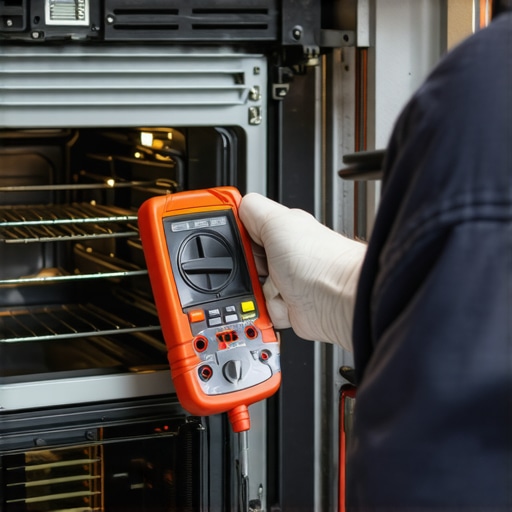
Image prompt: Close-up of a professional technician using a multimeter to test an oven heating element, showcasing precision tools in action. Alt text: Technician diagnosing oven with multimeter for reliable performance. Title: Expert diagnostic testing of oven components for maintenance success.
The Hardest Lesson I Learned About Oven Repairs
One unforgettable lesson was realizing how often I underestimated the complexity of a seemingly simple oven issue. Instead of rushing to replace parts, I learned to step back, analyze each component carefully, and truly understand how they work together. This patience has saved me from costly mistakes and deepened my appreciation for appliance diagnostics.
Secrets That Took My Repairs to the Next Level
Discovering the importance of proper testing tools, especially a reliable multimeter, transformed my approach to oven troubleshooting. Accurate readings revealed root causes that aren’t always obvious—like a faulty sensor or a burned-out heating element—empowering me to fix issues efficiently and confidently.
What I Wish I Knew Before Starting Repairs
Taking the time to understand each part’s role and how external factors, like power surges, affect performance was a game-changer. I now always check the circuit breaker and wiring connections first, saving myself from unnecessary replacements and ensuring safe, lasting repairs.
Curated Tools That Make All the Difference
- Multimeter: The cornerstone of accurate diagnostics—trust me, it’s worth investing in a good one.
- Infrared Thermometer: Helps identify uneven heat distribution quickly, saving trial-and-error time.
- Service Manual: Specific to your oven model, it’s invaluable for reference and troubleshooting procedures.
- Cleaning Supplies: Maintaining sensors and contacts ensures consistent performance and prolongs appliance life.
Your Next Step Lies in Action
Fixing your oven’s slow preheat issues might seem daunting at first, but with the right mindset and tools, it becomes an empowering journey. Each successful repair boosts your confidence and extends your appliance’s lifespan—saving money and stressing less. Remember, every problem has a solution waiting to be uncovered in your own toolkit.