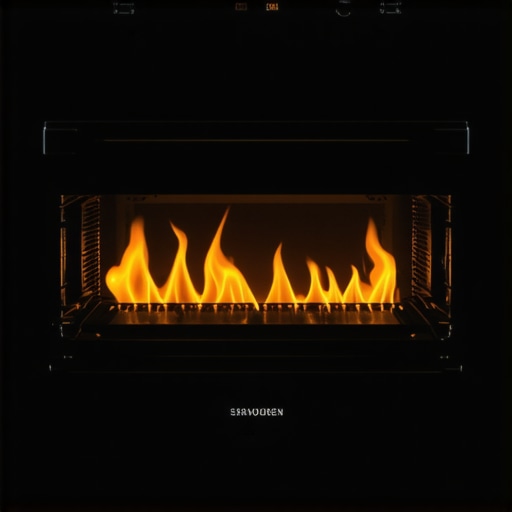
Have you ever stood in your kitchen, watching your gas oven’s flame dance in an uneven or overly orange hue, and wondered if it’s still safe to cook? I remember the first time I noticed my oven’s flame turning a weird shade of orange — I felt a mix of concern and frustration. After all, a flame that color isn’t just an aesthetic issue; it can impact safety and cooking performance. That lightbulb moment led me down a rabbit hole of troubleshooting, and I discovered surprisingly simple fixes that can restore your oven’s flame to a healthy blue.
Why a Flame Turns Too Orange and Why It Matters
Gas ovens are designed to produce a clean, blue flame — a sign that the appliance burns fuel efficiently and safely. When the flame becomes orange or yellow, it often indicates incomplete combustion, which can produce carbon monoxide and other harmful gases. It’s not just about safety; an improperly burning flame can also lead to uneven cooking, which is a real annoyance if you’re trying to bake that perfect cake or roast veggies uniformly.
Recently, I read that a yellow or orange flame in typical gas appliances is usually caused by a mixture imbalance, often linked to air supply issues. According to appliance experts, fixing this problem is usually straightforward, involving adjustments to components like the air shutter.
But before rushing into complex repairs, I want to share what I learned from my own experience. Early on, I made the mistake of simply cleaning the burners without addressing the air supply. That small oversight delayed fixing the real issue and made me realize how crucial proper air-to-gas ratio adjustments are.
Today, we’ll explore three practical air shutter fixes that can help you get that vibrant blue flame back — saving you money and keeping your home safe. Ready to bring your gas oven back to optimal performance? Let’s dive into the solutions.
What Do You Really Need to Know Before Fixing Your Gas Flame?
Adjust the Air Shutter for Better Combustion
My first attempt at fixing my oven’s orange flame involved cleaning the burners, but the real fix was adjusting the air shutter. Think of the air shutter as the breath control for your oven’s flame—it regulates how much air mixes with the gas. To adjust it, turn off the oven and locate the air shutter near the gas inlet—a small screw that controls airflow. Loosen the screw slightly and turn the shutter to open it more, increasing airflow. Ignite the oven and observe the flame; it should turn a vibrant blue. Be cautious—small adjustments can make a big difference, so tweak gradually. Remember, a properly adjusted air shutter ensures complete combustion, which is vital for safety and performance. For more detailed steps, see this guide on gas valve and igniter testing.
Check and Clean the Burners Thoroughly
Over time, burners accumulate dirt, grease, and food residue, which can hinder proper gas flow and flame development. I once noticed my flame flickering and turning orange after a messy cookout. To clean, turn off the gas and wait for the burners to cool. Remove the burners by unscrewing or lifting them, depending on your model. Use a brush or toothpick to clear clogged holes and a mild detergent for stubborn grime. Rinse and dry thoroughly before reassembling. However, cleaning alone won’t always fix the color issue if airflow isn’t correct. Once cleaned, if the flame remains orange, proceed to check the air shutter as described above. Proper cleaning boosts overall efficiency and ensures the gas is being burned cleanly.
Inspect Gas Pressure and Supply
If adjustments and cleaning don’t resolve the problem, the issue might be with the gas supply itself. Low gas pressure can cause incomplete combustion, leading to a yellow or orange flame. Use a manometer or contact a professional to measure your gas pressure, ensuring it matches the manufacturer’s recommendations. In my experience, sometimes the pressure regulator needs replacement, which can be a complex task, but understanding your gas flow is critical. For a detailed exploration of this process, consider consulting a professional technician or visiting resources like this troubleshooting guide on flame sizing. Never attempt to adjust gas pressure unless you’re qualified, as mishandling can lead to leaks or explosions. Ensuring the gas supply is stable and properly regulated keeps your oven running safely and efficiently.Many homeowners assume that replacing or repairing appliance parts is straightforward, but in reality, there are subtle nuances that can trip up even experienced DIYers. One common myth is that all parts are interchangeable across models or brands, which isn’t true; using incompatible parts can lead to more damage or safety issues. For example, selecting the wrong thermal fuse or control board without verifying specifications can cause repeated failures, and some might think cleaning a component is enough, overlooking underlying issues like incorrect voltage or circuit faults. An advanced mistake is misdiagnosing electrical problems as mechanical failures, leading to unnecessary part replacements. A professional approach recommends thorough diagnostics, including checking voltages and signals, rather than guessing. For complex issues, consulting expert resources or professional technicians can prevent costly errors. Did you know that many appliance failures stem from overlooked electrical issues rather than obvious mechanical faults? Understanding the hidden nuances requires not just reading symptoms but analyzing the root cause—something I emphasize in my repairs and diagnostics. For instance, troubleshooting a dishwasher’s inconsistent spray arm performance might involve inspecting the motor, pump, and sensors, not just cleaning the spray arms, which is a common shortcut many take. Similarly, when fixing an oven, paying attention to the wiring and control boards can save you from replacing perfectly good heating elements or thermostats unnecessarily. Remember, appliance repair isn’t just about swapping parts; it’s about understanding the intricate interplay of components. Stay vigilant about compatibility, diagnostic procedures, and electrical considerations, as these often make the difference between a successful fix and a recurring problem. If you’re interested in more advanced troubleshooting techniques, check out this comprehensive guide on oven selector switch diagnostics. Have you ever fallen into this trap? Let me know in the comments.
Investing in the Right Equipment for Long-Term Reliability
To ensure your appliances, like ovens and dishwashers, stay in top shape, investing in high-quality, specialized tools is crucial. I personally rely on a digital multimeter with true RMS capability to accurately diagnose electrical issues such as faulty sensors or control board malfunctions. This device allows me to test voltage and continuity with precision, saving time and preventing unnecessary part replacements. Additionally, a set of precision screwdrivers and a multiconductor wire stripper are indispensable for safe and efficient disassembly and repairs. When working with gas components, I use a manometer to measure gas pressure accurately, which is vital for troubleshooting issues like inconsistent flame color or insufficient heating, as highlighted in expert guides on gas appliance diagnostics. For those keen on software diagnostics, an ultrasonic leak detector can identify hidden gas leaks, providing peace of mind and safety assurance.
Consistency and safety hinge on using the right tools. For example, when checking heating elements or thermistors, an infrared thermometer helps quickly assess temperature variations and identify areas with heat loss or uneven heating. Regular calibration of these tools ensures ongoing accuracy, which is why digital calibration kits are a worthwhile investment.
Why Regular Maintenance Extends Appliance Life
Preventative measures, like periodic cleaning of dishwasher spray arms or oven vents, can drastically reduce breakdowns and improve performance. For instance, routinely inspecting and replacing worn seals or gaskets, as discussed in gasket repair guides, prevents leaks that could lead to water damage or electrical issues. Conducting routine diagnostics, especially on critical components like control boards or sensors, allows you to catch problems early before they escalate into costly repairs.
Modern diagnostic software is increasingly valuable, offering remote troubleshooting options. With a compatible smart device, you can run diagnostic scans on certain appliances, minimizing downtime. As technology evolves, I predict a growing trend toward AI-powered diagnostic tools that can analyze appliance performance data in real-time, offering predictive maintenance insights.
How do I maintain appliance diagnostics over time?
Establishing a schedule for regular testing using precise instruments, such as a multimeter or leak detector, ensures consistent appliance performance. Also, keeping detailed logs of maintenance activities helps identify recurring issues and plan targeted interventions. Remember, staying proactive with diagnostics delays major failures and prolongs the lifespan of your appliances.
If you’re ready to step up your repair game, I recommend trying out the digital multimeter with true RMS capabilities I mentioned earlier. Accurate electrical testing is often overlooked by DIYers but makes a significant difference in diagnosing tricky issues, especially electrical shorts or sensor failures. For more advanced troubleshooting techniques, see the comprehensive guide on control board diagnostics and implement one tip today to keep your appliances functioning flawlessly.
Through my experience with diagnosing and repairing gas oven flames, I’ve uncovered some invaluable insights that may not be immediately obvious. In this final chapter, I want to share some insider wisdom and recommendations that have truly transformed my approach to appliance maintenance.
What I Didn’t Expect About Flame Repair Challenges
- One of the hardest lessons I learned was that appearances can be deceiving. An orange flame doesn’t always mean a simple fix; sometimes, underlying issues like outdated regulators or hidden gas leaks play a role. Recognizing these nuances saved me from repeated failed attempts and potential safety hazards.
- I realized early on that quick fixes like cleaning burners are only part of the equation. Proper adjustment of the air shutter was the game-changer, but it requires patience and a keen eye—small tweaks make all the difference in achieving a clean, safe blue flame.
- Another surprise was how crucial regular maintenance becomes over time. Small accumulation of dirt or slight misalignments compound, leading to unsafe flames. Establishing routine inspections and adopting a preventative mindset keeps the oven performing optimally.
Tools and Resources That Make the Difference
- Digital Multimeter with True RMS: This has been my go-to for accurate electrical diagnostics, especially when checking sensors and wiring. Trust me, investing in quality tools streamlines troubleshooting and prevents unnecessary part replacements.
- Gas Pressure Meter (Manometer): Knowing your gas pressure helps ensure complete combustion. I rely on mine to verify regulator performance, preventing dangerous flame issues. For detailed guidance, I often refer to experts’ tips, like those found at gas appliance diagnostics.
- Calibration Kits and Infrared Thermometers: Precise temperature readings and calibration are vital for consistent results. These tools help me identify uneven heating and fine-tune the oven for perfect baking.
- Reliable Guides and Community Forums: When I feel stuck, reputable resources like trusted troubleshooting guides and online forums offer fresh perspectives and solutions, saving me time and stress.
Embracing the Repair Journey with Confidence
The most powerful lesson I’ve learned is that mastering gas oven flame fixes isn’t about having all the answers upfront—it’s about cultivating patience, curiosity, and a willingness to learn from mistakes. Every repair, whether straightforward or complex, deepens your understanding and builds confidence.
Remember, the journey toward a safe, efficient oven starts with small steps. With the right tools, knowledge, and mindset, you can troubleshoot effectively and enjoy the satisfaction of a job well done. Your efforts not only improve your appliance’s performance but also enhance your skills for future challenges.
Are you ready to take your appliance repairs to the next level? Share your experiences or questions below—I’d love to hear your stories and assist you on your repair journey.