It was a typical Wednesday morning when I opened my kitchen to find my dishwasher stubbornly overflowing. Water was pooling on the floor, and I knew I had to act fast. First, I felt a mix of frustration and worry—what’s causing this relentless fill? Turns out, you’re not alone in facing this headache. If your dishwasher keeps filling with water even when turned off, it’s a common issue that can be surprisingly simple to fix once you understand what’s going wrong.
Why Your Dishwasher Won’t Stop Filling and Why It Matters
That sudden flood is more than just a messy inconvenience; it can lead to water damage, mold growth, and even electrical hazards. The culprit often boils down to a faulty float switch or a defective water inlet valve, both of which are manageable with some basic troubleshooting. Addressing this problem promptly not only saves your flooring and cabinets but also prolongs the life of your appliance. From personal experience, ignoring these signs can lead to costly repairs down the line.
Is It Really Worth the Hassle to Fix Yourself?
Earlier in my repair journey, I made the mistake of assuming that messing with plumbing was complex and best left to professionals. However, I learned that many problems, including a dishwasher that won’t stop filling, can be tackled with simple tools and some guidance. For example, checking the float switch or inspecting the water inlet valve isn’t as daunting as it sounds—and doing so can save you cash and provide a sense of accomplishment. If you’re skeptical, rest assured: many DIY fixes are backed by straightforward tutorials and can make a significant difference. Curious about more common dishwasher issues? You might find these tips helpful.
Before diving into the nitty-gritty, it’s good to know the typical causes. Sometimes, a clogged float switch gets stuck, signaling the dishwasher to keep filling. Other times, a defective inlet valve fails to shut off the water supply. Understanding these basics means you’re better prepared to troubleshoot effectively. Now, let’s explore how to identify and fix the problem—step by step.
Inspect the Float Switch to Prevent Overflows
Begin by locating the float switch, typically a small plastic ball or paddle inside the dishwasher tub that detects water level. In my experience, a stuck float switch often causes continuous filling. I once found mine jammed due to a layer of grease around it, which I cleaned off using a damp cloth. Gently lift and inspect the float for debris or obstructions. If it moves freely but still causes issues, the switch itself may be faulty and needs testing or replacement. For detailed guidance, check out testing your dishwasher’s float switch. Ensure the float moves smoothly without obstructions to prevent water from overfilling.
Examine the Water Inlet Valve for Malfunctions
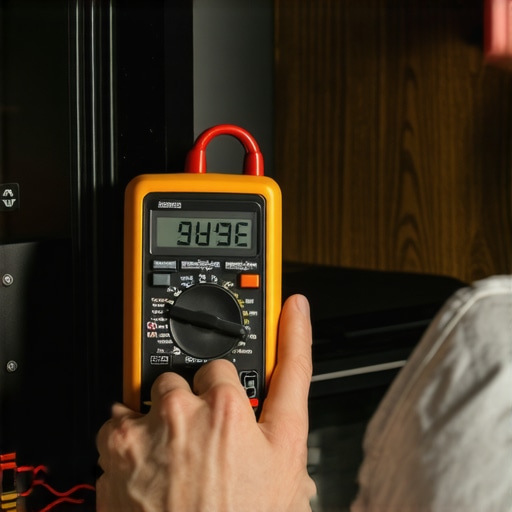
The water inlet valve acts as the gatekeeper controlling water flow into the dishwasher. Think of it as a faucet that should close when enough water fills the tub. If it fails, water keeps pouring. To diagnose, unplug your dishwasher, turn off the water supply, and locate the inlet valve—usually at the bottom front. Remove the filter screen and look for debris or mineral buildup that could prevent the valve from closing properly. A multimeter can test the valve’s solenoid coil for continuity; if it’s open circuit, replacing the valve is necessary. I replaced mine following this comprehensive guide, which resolved the overflow issue instantly. Use a multimeter to confirm the coil’s condition and replace if needed.
Check for a Faulty Water Level Sensor or Pressure Switch
The pressure switch monitors water level via air pressure or a diaphragm. A malfunction in this component sends false signals, causing continuous filling. To inspect, remove the dishwasher’s control panel, locate the pressure switch, and visually check for damage or disconnection. You can test it with a multimeter for continuity; if it doesn’t respond as expected, replacing the switch will fix the overflow. I once replaced mine, which was about a $15 part, following instructions from this guide. Ensuring the switch functions correctly prevents unnecessary water intake and potential flood hazards.
Clear Obstructions and Maintain Your Components
Regular maintenance prevents many overflow issues. Clean the filter screen, check for clogs in the inlet and outlet hoses, and ensure the float moves freely. Sometimes, mineral deposits or soap scum clog the inlet valve or float switch, causing false readings. Use a vinegar solution to dissolve build-up, and inspect for debris that could hinder parts’ movement. During my last cleaning session, a slimy buildup caused the float to get stuck; a quick clean restored proper operation. Remember, consistent cleaning extends the lifespan of these components and keeps your dishwasher functioning correctly.
When it comes to appliance repairs, many enthusiasts fall prey to the misconception that replacing parts is always straightforward and universally effective. However, the reality is far more nuanced, especially for seasoned DIYers aiming for reliable results. One common myth is that all parts are interchangeable or that a simple replacement guarantees immediate fix without diagnosing underlying issues. In reality, selecting the wrong part—like confusing a thermal fuse with a thermal cut-off—can lead to further damage or recurring problems. It’s crucial to identify the exact faulty component, which often involves advanced diagnostics rather than guesswork. For instance, testing an oven temperature sensor with a multimeter can reveal if it’s genuinely defective, rather than just replacing it because ‘it looks broken.’ Rushing into part replacements without understanding the appliance’s internal mechanisms often results in wasted time and money. An important nuance many overlook is the significance of correct calibration after installing new parts, such as aligning a crooked oven door hinge or resetting the float switch in your dishwasher. Failing to do so may negate the benefits of a proper repair. Interestingly, many misconceptions also extend to diagnostics; for example, assuming that replacing a water inlet valve will fix all flooding issues ignores potential causes like clogged filters or defective pressure switches. As expert sources highlight, a thorough troubleshooting process, including inspecting the controls, sensors, and related components, is vital for lasting repairs. Have you ever fallen into this trap? Let me know in the comments and share your experiences with appliance diagnostics and repairs.
Keeping It Working: Tools and Tips for Longevity
Achieving lasting performance from your appliances requires more than just repairs; it involves consistent maintenance, the right tools, and a strategic approach. High-quality multimeters are indispensable for diagnosing electrical issues accurately. I personally rely on a Fluke 115 for its precision and durability, which allows me to measure resistance, voltage, and continuity with confidence. When testing components like oven temperature sensors, I prefer multimeters with auto-ranging functions, simplifying the process and reducing errors, especially when troubleshooting complex parts like the oven’s thermal fuse. Additionally, a good temperature sensor tester accelerates diagnostics, ensuring safety and efficiency.
For physical inspections and maintenance, precision screwdrivers with magnetic tips prevent stripped screws and facilitate quick disassembly. I recommend a set that includes Phillips, flat-head, and Torx bits, specifically for working on appliance panels and components like dishwasher racks or oven hinges. Regular inspection of hoses, seals, and filters using a bright LED flashlight can reveal wear and buildup before they cause major failures. In my experience, a headlamp like the Coast HL7 provides the hands-free illumination needed for detailed work inside tight spaces.
When replacing parts such as oven door seals or dishwasher door latches, always consult manufacturer specifications to ensure compatibility. Using proper replacement parts is critical for safety and performance. To align components like oven doors, a laser level can help achieve precise adjustments, preventing issues like uneven seals or misaligned hinges which can impair appliance efficiency and cause leaks.
Predicting the future of appliance maintenance suggests an increasing integration of smart diagnostics and IoT solutions. Imagine apps that alert you to component failures before they happen or provide step-by-step repair guidance based on real-time data. Embracing these innovations can dramatically reduce downtime and repair costs, turning maintenance from reactive to proactive.
How do I maintain appliances over time?
Establishing a routine inspection schedule—checking filters, seals, and electrical connections—can extend the lifespan of your appliances. Incorporate cleaning with vinegar or specialized descaling solutions, especially for mineral buildup in your water inlet valves or dishwasher sump. Investing in dedicated tools like a multimeter, precision screwdrivers, and LED flashlights will empower you to troubleshoot effectively and avoid unnecessary replacements. Remember, consistent preventive care combined with the right toolkit makes a significant difference in appliance longevity.
For complex issues, consulting detailed technical guides such as the testing oven sensors with a multimeter can save time and prevent costly repairs. So, next time you face a minor problem, try using an advanced technique like testing your oven’s thermal fuse—it’s a game-changer for DIY enthusiasts eager to master appliance maintenance.
Three Hard-Won Truths About Fixing Appliances That Changed My Approach
First, never assume a quick fix is sufficient—sometimes, multiple components contribute to issues like overfilling, and diagnosing each step ensures a lasting repair. Second, patience pays off; rushing to replace parts without proper testing often leads to recurring problems or new damages. Lastly, sharing your experiences helps others build confidence—what I once thought was only for professionals became accessible through careful research, trial, and error.
Tools and Resources That Transformed My Repair Skills
My go-to multimeter from Fluke offers reliability for electrical tests, revolutionizing how I diagnose faulty switches or relays. The detailed guides on testing oven sensors and thermal fuses provided step-by-step clarity that saved me time. The precision screwdrivers from iFixit make disassembly effortless, and my favorite LED headlamp ensures visibility in cramped spaces. These tools, combined with trusted repair tutorials, make DIY appliance maintenance both feasible and empowering.
Your Next Step in Appliance Confidence
Venturing into appliance repairs might feel intimidating, but every small fix builds your skills and reduces reliance on costly professionals. Embrace the learning curve—start with simple tasks like cleaning or inspecting components—and gradually tackle more complex issues. Confidence in troubleshooting not only saves money but turns your home into a space where you’re the go-to expert. Remember, tackling this topic is a step toward mastering your appliances; why not give it a try today? Have you ever struggled with diagnosing a dishwasher overflow? Share your experience below.