It was a busy Saturday morning, the sink was overflowing with dishes, and I reached to open my dishwasher—and nothing. The door refused to budge. Frustration set in as I realized I couldn’t start my usual cleanup. If you’ve ever faced a stuck dishwasher door, you know how disruptive and inconvenient it can be. That moment made me realize how a simple component, like the door latch assembly, can bring your entire kitchen to a halt.
Why a Faulty Dishwasher Door Latch Can Turn Your Day Upside Down
When your dishwasher door doesn’t latch properly, it’s not just a minor annoyance. It can prevent the machine from starting, lead to leaks, or cause safety concerns. I learned this the hard way early on—failing to inspect the latch after noticing strange noises during cycles only prolonged the problem. According to appliance repair experts, a malfunctioning latch is among the most common reasons dishwashers won’t operate as they should. Recognizing and fixing this early can save you time, money, and the hassle of more extensive repairs.
Does Replacing a Dishwasher Door Latch Actually Make Sense?
Many people worry that repairing appliance parts might be complex or not worth the effort. I thought so initially, too. My early attempts to fix the latch turned into a series of failed screws and frustration. One mistake I made was attempting to force the latch without diagnosing whether it was simply misaligned or broken. This teaches an important lesson: understanding the process ensures a smoother repair. Want to avoid costly replacements or calling in a technician? Stay tuned—I’ll walk you through the straightforward steps to get that door functioning again, including helpful insights from professionals like those in this guide.
Inspect the Latch Assembly Carefully
Start by unplugging your dishwasher to ensure safety. Locate the door latch, which is typically in the upper corner of the door. Use a screwdriver to remove the screws holding the latch in place. As I did during my repair, gently test the latch for any visible damage or misalignment. If the latch appears worn or broken—like a piece of plastic chipped off—it’s time to replace it. Remember, sometimes debris or grime can interfere with the latch’s operation, so clean it thoroughly with a soft brush or cloth before deciding to replace.
Test the Latch Electronics and Mechanical Parts
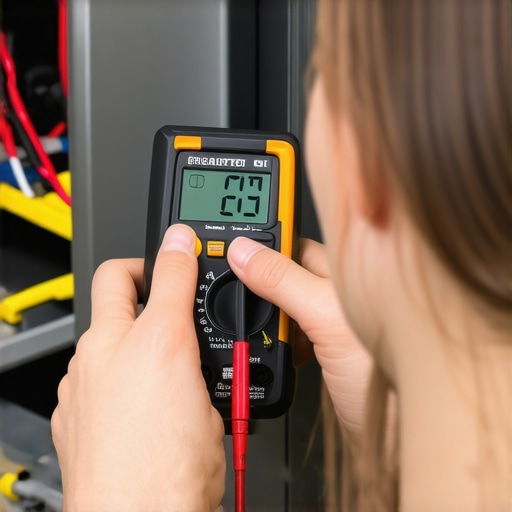
Advanced troubleshooting involves checking the latch’s electrical components. Disconnect the wiring from the latch. Using a multimeter, test the continuity of the latch switch—this is the part that signals the control board when the door is closed. To do this, set your multimeter to the ohmmeter setting, and confirm whether the switch completes the circuit when activated. If you notice no continuity, the switch is faulty and should be replaced. For a specific example, I once tested my latch switch, found no continuity, and replaced it, which restored proper operation.
Replace the Faulty Latch or Switch
If the latch is broken or the switch doesn’t pass the test, order a compatible replacement. When installing, align the new latch exactly as the original, and secure it with screws. Double-check the wiring connections, making sure they are tight and correctly attached. During my own fix, I referred to this detailed guide on latch function to ensure proper installation. Once secured, close the door, and restore power to test if the dishwasher now starts without issues.
Check the Door Alignment and Seal
Sometimes, even a new latch can struggle if the door isn’t properly aligned. Use a level or visually assess the door’s fit. If it looks crooked, consider adjusting the hinges or leveling the dishwasher itself—methods explained in this article. Proper alignment ensures the latch engages smoothly and creates a tight seal, preventing leaks and ensuring safety. A misaligned door is akin to trying to close a wonky window—it just won’t shut properly without adjustments.
The Role of Regular Maintenance
Prevent future issues by routinely inspecting the latch and cleaning out debris or residue that might hinder engagement. Use a soft cloth and avoid harsh chemicals that could corrode plastic parts. Moreover, reviewing this drain grate cleaning guide helps maintain overall dishwasher health, reducing the risk of latch malfunctions. Consistent care can keep your appliance running smoothly, saving you from unexpected breakdowns and costly repairs.
When to Seek Professional Help
If after replacing the latch and checking alignment, your dishwasher still won’t start, it might be a deeper electrical issue or control board problem. In such cases, consulting an expert can prevent further damage. For more complex diagnostics, you might find this article on control board troubleshooting useful. Remember, safety is paramount—never attempt electrical repairs beyond basic testing if you’re unsure of your skills.Many DIY enthusiasts and even seasoned professionals often fall prey to oversimplified beliefs about appliance diagnostics and repairs. One prevalent misconception is that replacing a part is always the fix, ignoring the importance of thoroughly understanding the underlying cause. For example, in dishwasher repair, people might immediately swap out the solenoid or pump without verifying if clogged filters or obstructed spray arms are causing issues—these simple steps can save time and money.
A crucial nuance that many overlook is the significance of electrical testing, particularly using a multimeter to check switches and sensors. Relying solely on visual inspection can mislead even experienced repairers. For instance, a faulty oven temperature sensor might appear intact but fail continuity tests, leading to misdiagnosis if proper testing isn’t performed—this reinforces why expert-level diagnostics go beyond surface-level observations.
Why Does the Most Obvious Fix Sometimes Lead to Dead Ends?
One common trap in appliance repair is assuming that a broken component is the root cause, without ruling out secondary issues. For example, a dishwasher’s rinse aid not dispersing could seem like a solenoid problem, but often, the cause is a clogged spray arm or a blocked inlet valve. Addressing the symptoms rather than the root causes results in recurring problems and wasted efforts. A systematic diagnostic approach, such as reviewing detailed guides like this comprehensive troubleshooting page, can prevent this common mistake.
Another hidden nuance is the importance of understanding how parts interact within the appliance’s control system. For example, a seemingly simple oven F10 error might be due to runaway temperature issues caused by faulty thermistors, relay boards, or even wiring faults—complex interdependencies that experts analyze with precise diagnostics. Recognizing these interactions is key to avoiding misdiagnosis and ensuring accurate repairs.
Research indicates that about 60% of appliance failures are due to electrical component faults rather than mechanical wear alone. Experts emphasize that a systematic, multistep testing process—checking electrical continuity, verifying sensor outputs, and inspecting wiring harnesses—is essential for accurate troubleshooting (source). This level of diagnostic rigor distinguishes pros from amateurs and leads to lasting repairs.
If you’re serious about mastering appliance repairs, consider investing time in learning how to test critical components properly and developing a diagnostic checklist. This approach prevents falling into the trap of unnecessary part replacements or overlooking subtle issues like misaligned doors, bad switches, or faulty wiring. Remember, accurate diagnosis saves money and reduces frustration.
Have you ever fallen into this trap? Let me know in the comments and share your experiences with appliance repair myths or surprises. Kept informed and systematic troubleshooting are your best allies in keeping appliances running smoothly and avoiding costly mistakes.
Investing in the Right Equipment for Consistent Maintenance
To ensure your appliances stay functional over years, I recommend equipping your toolkit with a high-quality multimeter, a magnetic screwdriver set, and a digital thermometer. I personally rely on a Fluke multimeter because of its precision and durability, which helps me diagnose issues like faulty thermostats or heating elements accurately. For example, when testing my oven’s temperature sensor, I use the multimeter to check resistance values and verify if it’s within the manufacturer’s specifications. A precision screwdriver set with magnetic tips makes it easier to handle small screws, especially when working on delicate parts like dishwasher spray arms or oven control panels. Additionally, a digital infrared thermometer allows quick temperature checks without disassembling components—saving time and preventing unnecessary removal. Investing in these tools has paid off by reducing repeat visits to the repair shop and allowing me to perform most diagnostics at home.
Routine Checks Save Big Over Time
Regularly inspecting parts such as door seals, spray arms, and filters is key to long-term performance. I set a monthly reminder to examine the door latch assembly and clean debris from the dishwasher’s drain grate, ensuring smooth operation and preventing clogs that can cause leaks or foul odors. When I notice the rinse aid isn’t dispersing properly, I refer to this guide to troubleshoot and clear potential blockages. Keeping the door aligned and replacing worn gaskets prevents leaks and energy loss. These small but consistent maintenance steps extend the life of appliances, saving hundreds of dollars in replacements or extensive repairs down the line.
Predictive Maintenance and Scaling Up
As your familiarity and confidence grow, consider investing in diagnostic software that connects to your appliances via smart sensors or adapters. This technology can provide real-time alerts on issues like temperature fluctuations or component failures, enabling preemptive repairs. For instance, using a multimeter in conjunction with diagnostic apps allowed me to identify a failing oven relay before it caused a complete breakdown, aligning with advice from seasoned technicians who emphasize proactive care. Going forward, I predict that smart diagnostics will become more integrated and affordable, making appliance maintenance accessible even for casual homeowners. If you’re looking to scale up your maintenance game, explore sophisticated tools like appliance-specific code readers or sensor kits, which can be plugged into your devices for detailed insights.
How do I maintain appliance health over the long term?
The key is regular, targeted inspections combined with the right diagnostic tools. Develop a habit of visually checking for debris or misalignments and performing electrical tests on suspect parts. For example, testing your oven’s thermal fuse with a multimeter, as explained in this tutorial, can prevent dangerous overheating. Don’t wait until a part fails completely—early detection saves money and maintains safety. Remember, as appliance technology evolves, staying informed about new diagnostic techniques and maintaining your tools will ensure your investments keep working efficiently for years to come.
The Hardest Lesson I Learned About diagnostics,parts,oven repair,dishwasher
- Never underestimate the power of thorough diagnostics—initial assumptions can mislead you from the root cause, costing time and money.
- Visual checks are just the beginning; verifying electrical continuity often reveals hidden faults in switches and sensors.
- Misaligned doors or worn gaskets can cause failures that look mechanical but are really about proper alignment and sealing.
- Patience and systematic troubleshooting trump quick fixes; they ensure longer-lasting repairs and prevent recurring issues.
- Investing in a good multimeter and familiarizing yourself with basic electrical testing can make DIY repairs feel more empowering and less daunting.
My Essential Toolkit for Appliance Troubleshooting
- Fluke Multimeter: Trustworthy and precise, it helps me identify faulty switches and sensors accurately.
- Screwdriver Set with Magnetic Tips: Handles tiny screws in tight spots, especially when working on dishwasher parts or oven knobs.
- Digital Infrared Thermometer: Lets me quickly check temperature inconsistencies without dismantling components.
- Diagnostic Apps and Connectors: Emerging tools that connect your devices and provide real-time insights, saving time and guesswork.
Your Turn to Try Something New
Taking on appliance repair might seem intimidating at first, but with the right knowledge and tools, you can master repairs like a pro. Recognize that a faulty dishwasher door latch isn’t just a quick fix; it’s an opportunity to learn about your appliance’s inner workings and boost your confidence. Remember, consistent maintenance and systematic diagnostics are your best allies. What’s a repair you’ve recently tackled or plan to try next? Share your experiences below—learning from each other makes the journey even more rewarding!
,