I remember the moment vividly—my oven started acting up right before dinner, heating unevenly and leaving me guessing if I needed a full repair or just a new part. That lightbulb moment when I realized I could actually test the temperature sensor myself changed everything. If you’ve ever faced the frustration of inconsistent oven performance, you’re not alone. Many homeowners ignore the simple diagnostics that can save a ton of money and hassle.
Why Testing Your Oven Temperature Sensor Matters
Starting with the basics can make or break your troubleshooting efforts. The oven’s ability to reach and maintain the right temperature hinges largely on this little component. A faulty sensor can lead to inaccurate temperature readings, causing your oven to underperform or overheat, and often triggering error codes that leave even seasoned DIYers stumped.
Did you know that according to appliance repair experts, a malfunctioning temperature sensor is a common culprit behind oven errors like F10 or F11? Many people overlook this simple test, opting instead to replace entire control boards or other expensive parts without checking the sensor first. It’s a mistake I made early on, wasting time and money.
If you want to confidently diagnose your oven’s issues and potentially avoid costly repairs, testing the sensor with an ohmmeter is a skill worth mastering. It’s straightforward, quick, and can give you peace of mind—knowing whether the sensor is the problem or if you should look elsewhere.
Have you ever tried testing your oven’s temperature sensor but felt overwhelmed by conflicting advice? If so, you’re in the right place. Over the next few sections, I’ll walk you through the process with clear steps and tips from my own experience, plus common pitfalls to avoid. Want to ensure your oven heats up properly without calling a repair technician? Great! Let’s dive into testing that sensor and getting your oven back in top shape.
Prepare Your Tools and Workspace
Before diving into testing, gather a quality multimeter, insulated gloves, and a screwdriver set suited for your oven model. Turn off the oven and unplug it to prevent any risk of electric shock, much like switching off a power strip before working on a computer component. Clear the area around the oven to access the sensor easily and safety.
Access the Temperature Sensor
Locate the sensor usually attached at the back or side of the oven’s interior. For many models, this involves removing a panel with a screwdriver—think of it as unscrewing a camera lens to clean the glass. Remember that the sensor often appears as a thin, coiled wire connected with two wires. If you’re unsure, consult the oven’s manual or check online guides. Be mindful to handle parts gently to avoid damaging delicate wiring.
Remove and Isolate the Sensor
Carefully disconnect the wires from the sensor terminals, noting their positions, or take a photo for reassembly. Remove the sensor from its mount. This step is like detaching a headphone jack; it requires gentle force and proper grip. Ensure you avoid pulling on wires directly, which could cause disconnection issues later.
Set Up Your Multimeter for Resistance Testing
Configure your multimeter to measure resistance (ohms). For many oven sensors, the typical resistance at room temperature falls between 1000 ohms (1kΩ) and 1100 ohms—but check your specific model’s specifications. This step is akin to tuning a radio for the clearest station; correct settings ensure accurate readings.
Test the Sensor’s Resistance
Attach the multimeter probes to the sensor terminals—red to one terminal, black to the other. Ensure good contact; a loose probe can mimic a faulty sensor. Observe the reading; it should be within the specified range. If it reads excessively high, low, or shows infinite resistance, the sensor may be dead, much like a broken fuse in an electrical circuit.
Perform a Temperature Test
To verify the sensor’s response, heat it gently with your hand or submerge it briefly in hot water. Recheck resistance; it should decrease as temperature rises. For example, resistance might drop from about 1kΩ at room temperature to roughly 500Ω at elevated temperatures. This process confirms the sensor’s ability to respond to temperature changes, akin to testing a thermometer’s accuracy.
Reassemble and Test in the Oven
Reconnect the sensor, secure it in place, and restore power. Turn on the oven and set it to a specific temperature. Use the oven’s display or error codes to verify correct operation. If the sensor proves faulty, replacing it is straightforward, often available from appliance parts suppliers. Remember, a properly functioning sensor is vital to prevent issues like inconsistent heating or error messages, which you can read about in tips for dishwasher rack fixes and similar diagnostics.
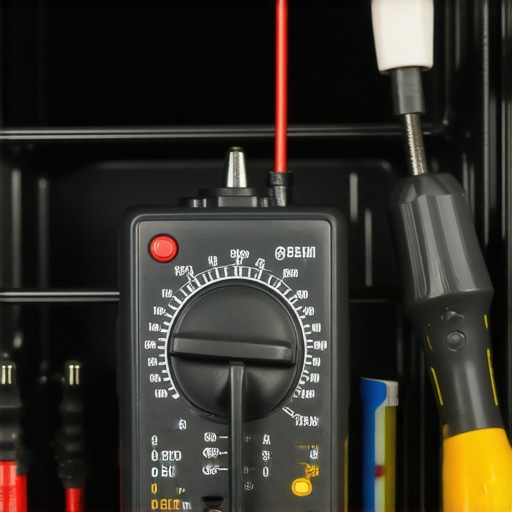 When it comes to appliance repair, many homeowners rely on popular myths that can lead to costly mistakes and overlooked nuances. For example, a common misconception is that replacing a part always solves the issue. However, in my experience, troubleshooting requires a nuanced approach—sometimes, the problem lies in a subtle wiring fault or calibration misstep that isn’t immediately obvious. One trap I want to highlight is the tendency to assume all error codes indicate a faulty part; for instance, an F10 error might point to a temperature sensor fault, but it can also stem from a control board glitch or wiring issue. This is where understanding the underlying diagnostics becomes crucial. Rushing into part replacement without proper testing—such as testing an oven’s thermal fuse or evaluating wiring continuity—can lead you to spend more than necessary. For advanced troubleshooting, knowing how to interpret diagnostic codes and conduct targeted tests saves both time and money. For example, before replacing an heating element, it’s wise to check the resistances and connections, as a blistering coil might still have good continuity but poor insulation, leading to potential shorts later. An additional nuance is recognizing the common myths about DIY repairs causing further damage; improperly reassembling an oven or dishwasher after repair can cause leaks or safety hazards. One advanced tip involves inspecting heating elements for blistering not just visually but also testing their resistance, which can indicate partial failure—an important detail often overlooked. To deepen your understanding, consider how experts view troubleshooting as a multi-layered process rather than a quick fix. According to appliance repair specialist Jason B., pinpointing the root cause involves careful testing of all related components, including wiring harnesses and control boards. This approach minimizes unnecessary replacements and ensures reliable operation. Are you guilty of falling for these misconceptions? Let me know in the comments! For practical guides on testing specific parts, visit the article on [testing an oven’s thermal fuse](https://appliancebargainz.com/how-to-test-a-dishwasher-thermal-fuse), which offers step-by-step instructions and common pitfalls to avoid.Maintaining your appliances over the long term is crucial to avoid costly repairs and ensure optimal performance. As a DIY enthusiast, I’ve found that investing in quality tools and adopting disciplined maintenance routines makes a significant difference. For instance, I personally rely on a high-precision multimeter from Fluke, which accurately measures resistance and voltage, allowing me to diagnose issues like faulty thermostat wiring or malfunctioning control boards with confidence. Additionally, a specialized cleaning brush set designed for appliance components helps me keep parts like dishwasher nozzles and oven burners free of grime, enhancing efficiency and longevity.
When it comes to diagnostics, I use a digital infrared thermometer to monitor output temperatures, especially when calibrating ovens to prevent problems like uneven heating or overheating, which are common in older units. For more thorough inspections, I employ a borescope camera—this tiny device lets me peek behind panels and inside tight spaces without disassembly, saving me time and reducing the risk of accidental damage.
Looking ahead, the trend in appliance maintenance seems to be moving toward smarter diagnostics. Devices with integrated sensors and Wi-Fi connectivity will soon enable remote monitoring and proactive alerts, transforming how we manage appliance health. Staying ahead means investing in these emerging technologies or, at least, understanding their capabilities.
How do I keep my appliances working reliably over time? Regularly inspecting electrical connections and sealing any leaks promptly helps prevent larger issues, like those caused by loose wiring or gasket failures. For example, checking the integrity of door seals not only improves performance but also reduces energy consumption.
In practice, I recommend scheduling monthly visual inspections and cleaning routines, which include clearing out nozzle screens in dishwashers and inspecting oven heating elements for signs of blistering or corrosion. For detailed guidance on testing specific parts, I often refer to comprehensive resources like the detailed articles on thermal fuse testing or resistance checks.
Finally, don’t overlook the importance of documentation. Keeping a maintenance log helps track issues over time and identify patterns that could signal a larger problem. For instance, if your oven begins to burn everything despite calibration, it might be time to check the temperature sensor’s resistance—or consult trusted troubleshooting guides.
Want to optimize your appliance upkeep? Try using a multimeter to verify the resistance of your oven’s temperature sensor—this quick test can save you from unnecessary part replacements. Remember, regular maintenance combined with the right tools is your best strategy to keep appliances running smoothly for years to come.
The Hardest Lesson I Learned About Oven Diagnostics
Early on, I believed that replacing parts was the quickest way to fix issues, but I realized that thorough testing—like checking the temperature sensor—is often the smarter approach. It taught me patience and the importance of understanding each component’s function before jumping to conclusions.
3 Myths About Oven Repairs That Held Me Back
I used to think that error codes always pointed directly to a faulty part. However, I discovered that wiring issues or control board glitches can mimic sensor failures, leading to unnecessary replacements and frustration. Debunking this myth saved me time and money.
What Experts Won’t Tell You About DIY Oven Fixes
While tutorials are helpful, the real insight comes from understanding the nuances—like how resistance values change with temperature. This knowledge transforms a simple multimeter reading into a diagnostic power tool, empowering you to make confident repairs.
My Essential Toolkit for Oven Diagnostics
Over the years, I’ve come to rely on a high-quality multimeter, a few screwdrivers, and an infrared thermometer. These tools have been game-changers, allowing me to diagnose issues accurately and safely, especially when testing resistance or verifying heat output.
Where to Go from Here
If you’re eager to extend your appliance repair skills, start by mastering resistance testing and understanding error codes specific to your oven model. Regular maintenance, like inspecting wiring and sensors, can prevent many common problems, saving you money and hassle in the long run.
Rise to the Challenge and Keep Your Oven Running Smoothly
Empower yourself with knowledge and the right tools, and you’ll find troubleshooting becomes a rewarding part of owning appliances. Remember, each successful repair boosts your confidence and extends the life of your cherished oven. What’s the first repair you’ve been hesitant to try? Share your experience below! Would you like me to recommend specific tools or resources to get started? Let me know in the comments!
Comments are closed.