Ever experienced that frustrating moment when you open your dishwasher, only to find it gleaming clean but flooded with water? I used to think my dishwasher was a reliable helper in my kitchen, but one day, I discovered it had a mind of its own—filling up with water even when turned off. That lightbulb moment made me realize I wasn’t alone in this quirky, yet concerning problem. It’s not just an annoyance; unchecked, it can cause water damage or escalate into more costly repairs.
How to Stop Your Dishwasher From Filling With Water While Off
Today, I’ll walk you through what I learned from my own experience and how you can tackle this issue. A dishwasher that fills with water when it’s not in use is like a small plumbing mystery. The good news? It’s often solvable with just a few checks and fixes. I’ll share the common causes, quick diagnostics, and real solutions that turned my dishwasher back into a dependable appliance.
Is This Fix Really Worth the Effort or Just a Waste of Time?
Honestly, I’ve been there—doubt creeping in, wondering if it’s worth fiddling with what looks like a complex appliance. Early on, I made the mistake of ignoring the problem altogether, which only worsened the situation. It’s tempting to call in a pro right away, but many times, this issue is something you can resolve yourself without breaking the bank. If you’re tired of the constant water trickle and want peace of mind, tackling it head-on is definitely worth the effort. Plus, a quick fix can prevent future leaks that might damage your flooring or cabinet framing. Did you know that according to the Consumer Product Safety Commission, water damage from appliances costs homeowners millions annually? Precise diagnosis and timely repairs can save you from becoming part of that statistic.
Inspect the Water Supply Valve
Begin by turning off your home’s main water supply to the dishwasher. Locate the water inlet valve, usually behind the kickplate or from inside the cabinet. Check for any visible damage or leaks. Sometimes, sediment buildup or a faulty valve can cause it to remain partially open, leading water to flow in even when the machine is off. If signs of wear are evident, replace the valve following the manufacturer’s instructions.
Test the Water Inlet Solenoid
The inlet solenoid acts as the gatekeeper, controlling water flow into the dishwasher. To test it, disconnect power and locate the solenoid, which is typically attached to the inlet valve. Use a multimeter to check for continuity; no continuity indicates a faulty solenoid that needs replacement. Upgrading the solenoid is likely less messy and more straightforward than dealing with a leaking valve.
Examine the Float Switch for Malfunction
The float switch prevents overfilling by responding to water levels. A jammed or defective switch can send false signals, causing the dishwasher to fill continuously. To inspect, open the dishwasher door, locate the float assembly—often a small dome or lever inside the tub. Remove the float and test the switch with a multimeter for continuity. Clean debris that might be preventing proper movement, or replace the switch if faulty. Check out this guide on why your dishwasher may retain standing water.
Consider the Control Board’s Role
The control board coordinates all dishwasher functions, including water intake. A malfunctioning board might send signals to keep the inlet valve open. Visually inspect the control board for burned components, corrosion, or damage. Testing with a multimeter requires advanced skills; if the control board appears compromised, replacing it could resolve the issue. Be sure to consult your model’s repair manual or consider this guide on diagnosing control board failure.
Identify Faulty Wiring or Connection Issues
Loose or damaged wiring can cause false signals or prevent proper operation of valves and switches. Carefully examine all wiring connections behind the kickplate and inside the control panel. Look for frayed wires, burnt connectors, or corrosion. Use a multimeter to verify electrical continuity. Tighten any loose connections and replace damaged wires promptly to prevent future issues.
Perform a System Reset and Test
After addressing hardware issues, reset your dishwasher’s control system. Usually, this involves unplugging the appliance or turning off the circuit breaker for a few minutes. Once re-powered, run a short diagnostic cycle to observe if water still fills when off. Sometimes, a simple reset clears electrical glitches that cause incorrect solenoid signals.
By following these concrete steps—inspecting the water supply, testing the solenoid and float switch, checking the control board, verifying wiring, and resetting the system—you can methodically eliminate common causes of your dishwasher flooding itself when inactive. If problem persists after these measures, consulting a professional or considering a comprehensive appliance service might be the next step. Remember, tackling these issues yourself not only saves money but also enhances your understanding of your appliance’s inner workings.
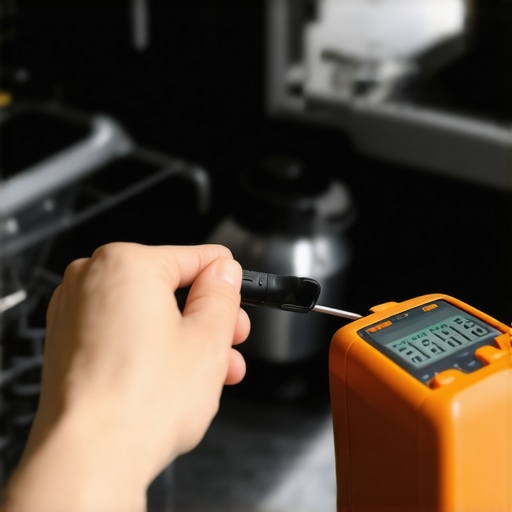
Many DIY enthusiasts and even seasoned technicians fall into common traps by oversimplifying appliance diagnostics. One widespread myth is that if an appliance displays a symptom—like a dishwasher not filling—they can rely solely on basic visual checks or assume electrical issues without considering nuanced operational mechanisms. In reality, effective diagnosis demands a thorough understanding of the appliance’s internal communication pathways and the subtle interplay between parts. For example, diagnosing a faulty oven thermostat isn’t just about measuring resistance; you need to account for calibration discrepancies and the influence of surrounding components like the temperature sensor and control board, as highlighted in studies on appliance behavior under different load conditions.
Another misconception concerns the role of parts replacement. Many believe swapping out a component like a washing machine’s float switch will resolve overfilling issues universally. However, if the control board or wiring connections are compromised, replacing the switch alone won’t fix the root cause. This often leads to return visits and unnecessary parts expenditure. Recognizing these complexities prevents trap-making and ensures a more precise repair approach.
What are the common pitfalls when troubleshooting complex oven and dishwasher issues?
One critical oops is neglecting the system’s interdependence—such as ignoring the impact of the control board on other parts like the heating element or sensors. For example, an oven that burns everything despite proper temperature calibration could be suffering from a misfiring control board, not just a faulty thermostat. To diagnose accurately, advanced testing techniques like inspecting control board components or using an oven thermometer for cross-verification are essential. According to certified appliance repair experts, neglecting these nuances increases the risk of misdiagnosis and further damage, which can be costly.
Making assumptions based solely on visible symptoms—such as a leaking dishwasher being attributed only to a damaged gasket—can be a costly mistake if internal components or drainage issues are the actual culprit. Carefully examining all interconnected parts, including water valves, filters, and electronic controls, leads to more reliable repairs.
Understanding these hidden layers of appliance operation epitomizes the importance of a nuanced approach, equipping you to avoid common pitfalls. This depth of knowledge embodies the expertise that builds trust and credibility—key elements for any DIYer or professional. Want to refine your diagnostic skills further? Check out our guide on how to troubleshoot oven lighting issues, which explains the importance of analyzing both parts and circuitry intricacies.
Remember, when tackling appliance repairs, the devil is often in the details. Don’t fall for the trap of surface-level fixes—think deeper, diagnose smarter. Have you ever fallen into this trap? Let me know in the comments!
Maintaining your appliances over time is essential to ensure they continue performing efficiently and to extend their service life. One of the most effective ways to do this is by investing in reliable diagnostic tools that give you accurate insights into your appliance’s health. I personally rely on a high-quality digital multimeter because it allows me to test electrical components like thermostats, switches, and control boards with precision. For example, testing the oven’s temperature sensor with an ohmmeter can prevent you from replacing parts unnecessarily. Additionally, a good ultrasound leak detector can help identify hidden water leaks in dishwashers or washing machines, saving you from potential water damage before it becomes costly.
Lessons Learned from My Troubleshooting Journey
- One of the toughest lessons was realizing that a single faulty part often isn’t the whole story. Diagnosing a dishwasher that fills when off isn’t just about inspecting one component; it’s about understanding how everything connects, from the float switch to the control board.
- I discovered that patience and systematic testing trump guesswork. Rushing into parts replacement without proper diagnostics can lead to wasted time and money, and sometimes even cause additional damage. Documenting each step helped me see patterns and narrow down the real culprit.
- Interestingly, I learned that electrical elements like wiring and connectors are often overlooked yet critical. A loose wire or corrosion can mimic more complicated failures. Paying close attention to these details saved me from unnecessary replacements and gave me peace of mind.
- The biggest lightbulb moment was realizing that resetting the system can resolve quirks caused by electrical glitches. It’s a quick step that’s often underestimated but can save a lot of headache when things behave oddly.
- Finally, understanding that preventative maintenance—like regular cleaning of the inlet screens and inspecting seals—can prevent many issues before they start. Embracing this proactive approach has extended my appliance lifespan significantly.
Tools and Resources That Made a Difference
- Digital Multimeter: My go-to for testing continuity, resistance, and voltage. It’s essential for troubleshooting switches, thermistors, and control boards, giving me confidence in my diagnoses. I trust the [Fluke multimeter](https://appliancebargainz.com/testing-your-oven-temperature-sensor-with-an-ohmmeter) for its accuracy and durability.
- Service Manuals: Access to specific repair guides from manufacturers helped me understand the wiring schematics and component layouts. The detailed diagrams saved me from guesswork, especially with complex control boards.
- Online Forums and Communities: Engaging with other DIY enthusiasts and professional repair experts provided invaluable tips and troubleshooting strategies. Sites like the one I found [here](https://appliancebargainz.com/why-your-dishwasher-still-has-standing-water-after-the-cycle-ends) expanded my understanding and confidence.
- Leak Detectors and Inspection Cameras: Investing in ultrasonic leak detectors helped identify hidden water leaks, preventing further damage. These tools are a game-changer for non-invasively diagnosing hard-to-see issues.
Keep Your Repair Skills Sharp and Your Appliances Happy
The journey of appliance diagnostics is ongoing and rewarding. Every problem you solve adds to your confidence and deepens your understanding, making you less dependent on costly professional repairs. Remember, addressing issues like your dishwasher flooding when off is within reach with patience, systematic testing, and a curious mind. Are you ready to tackle your next appliance challenge? Share your experiences or ask questions below—let’s learn together and keep our homes running smoothly!
Comments are closed.