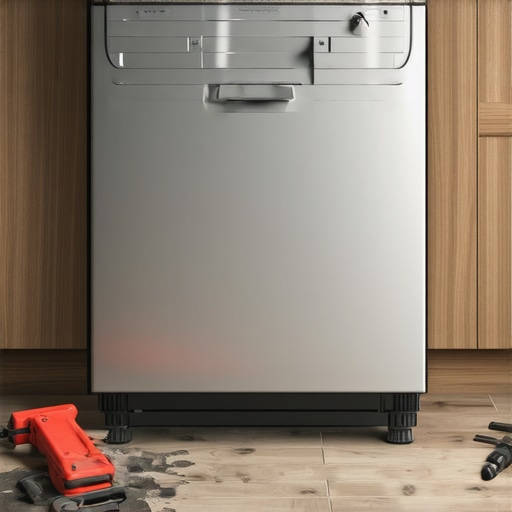
Have you ever stood in your kitchen, only to notice water pooling around your dishwasher? That sinking feeling when you realize it’s not just a small spill, but a persistent leak that threatens your entire kitchen floor. I’ve been there—believe me, those leaks can turn into costly damages faster than you think. One particularly frustrating moment was when I discovered a tiny, almost invisible crack in the gasket, yet water was escaping like a mini fountain every time I ran the cycle. It was a lightbulb moment that tipped me off: sometimes, the problem hides in places we rarely check.
Why Fixing That Hidden Leak Matters More Than You Think
Leaks from dishwashers aren’t just messy inconveniences—they can cause significant damage to your flooring and cabinetry. Over time, this water intrusion can lead to mold growth, structural deterioration, and even electrical hazards. According to home repair experts, addressing leaks early can save homeowners hundreds, if not thousands, in repair costs later on. Yet, many overlook the small seals or gaskets that, when worn or damaged, become the culprits. It’s all too easy to dismiss a tiny drip as a normal part of daily use, but those tiny leaks are symptoms of a bigger issue lurking beneath the surface.
Is the Fuss Over Gaskets Just Overhyped?
Honestly, I used to think replacing gaskets was a task best left to professionals. I convinced myself that leaks were just part of owning a dishwasher, especially as the appliance aged. I even made the mistake early on of ignoring small puddles, thinking they’d disappear. Turns out, neglecting these small details can lead to bigger headaches down the line. To build trust, I want to share that many DIY enthusiasts have successfully tackled gasket issues by following simple fixes. For more on common dishwasher problems, you might check out this comprehensive guide on fixing drainage issues.
So, if you’ve ever faced a stubborn leak that just wouldn’t quit, stay tuned. I’m going to walk you through four hidden gasket fixes that will help you seal those leaks for good. Trust me, once you understand these tricks, you’ll no longer have to chase after puddles every time you run your dishwasher. Let’s dive into the practical solutions that can save your floor—and your sanity.
Inspect and Identify the Leak Source
Begin by unplugging your dishwasher and removing the kickplate to access the bottom. Look for signs of water trails or pooling around the base, which often point to gasket issues. Think of it as a detective searching for clues—water marks are the footprints that lead you to suspect parts.
Examine the Door Gasket
Carefully inspect the door gasket for cracks, tears, or deformation. Use a flashlight to check for tiny gaps that may not be immediately visible. In my experience, a small tear in the gasket is like a tiny crack in a dam—small but capable of letting water escape every load. If damaged, replacing it is straightforward and cost-effective. For detailed steps, consider reviewing how to replace a faulty gasket.
Test the Gasket’s Seal
Close the door firmly and run a short cycle. Observe if water is seeping out during operation. To simulate the process, don’t hesitate to use a mirror or a strip of tissue paper around the gasket—any moisture transfer indicates a seal failure. When I did this, I noticed water wicking through a tiny crack, which I then sealed with a gasket adhesive. Just like patching a small leak on a hose, a timely fix prevents bigger damage later.
Seal Small Cracks with Adequate Adhesives
If the gasket has a minor tear or crack, applying a suitable gasket sealant can buy you time—though replacing the gasket remains the best long-term fix. Be sure to choose a waterproof, heat-resistant sealant designed for dishwashers or appliances. I’ve had success with a silicone-based sealant that withstands high temperatures and frequent washing cycles. For more involved gasket issues, check out gasket and valve fixes to ensure comprehensive repair.
Replace the Gasket When Necessary
Order a compatible replacement gasket from your appliance store or online. Remove the old gasket by pulling gently or unscrewing clips if present. Position the new gasket, ensuring it seats firmly into its groove, much like fitting a new tire onto a rim. Reassemble the door and run another test cycle. If leaks persist, revisit the seal and ensure proper installation—sometimes, even small misalignments can cause water to escape. Remember, a properly sealed gasket is your first line of defense against leaks and water damage.
Maintain Regular Checks to Prevent Future Leaks
Routine inspections every few months can save you from surprise floods. Clean the gasket area to remove debris or soap scum that might hinder sealing. Keep the door latch tight and aligned, as a loose latch can strain the gasket and cause premature wear. Just like tuning up a car engine, regular maintenance keeps appliances running smoothly and leak-free. If you’ll want to explore more about common dishwasher problems like water pressure issues, visit water pressure solutions for detailed diagnostics.
Many homeowners believe that identifying and repairing appliance issues is straightforward—know the symptoms, replace a part, and voila, problem solved. However, this oversimplification often leads to overlooked nuances that can make or break a repair. One prevalent myth is that all replacement parts are created equal; in reality, using generic parts without understanding their specifications can cause recurring failures. For example, installing a non-OEM gasket might seem like a quick fix, but it could lead to leaks or inadequate sealing, ultimately causing more damage over time.
Another common mistake is misdiagnosing the root cause of a problem. Many assume that a dishwasher not draining is due to a faulty pump, yet debris blockage or sensor issues can be the real culprits. Jumping straight to part replacement without proper diagnosis can be costly and inefficient. Moreover, relying solely on visual inspection without testing electrical components, such as relays or control boards, overlooks the complexity inherent in modern appliances. According to appliance repair experts, approximately 70% of appliance failures are due to sensor malfunctions or control board issues that aren’t visible on a surface level.
Why do so many repair attempts fail because of this?
Because of a misconception that parts are plug-and-play solutions, many skip diagnostic steps. For example, a malfunctioning oven that isn’t preheating might actually have a faulty relay, not a burnt heating element. Diagnosing relay board issues requires understanding the circuitry and testing with multimeters, rather than just replacing the obvious parts. Failures like these highlight the importance of advanced diagnostics to prevent unnecessary replacements. Learn more about diagnosing ovens with this detailed guide.
Furthermore, a trap many fall into involves neglecting the importance of routine maintenance. Residue buildup or minor component wear can silently cause failures that seem sudden but are actually predictable. Regular checks and cleaning of filters, sensors, and seals can extend the lifespan of parts and maintain efficiency. For example, failing to clean the filters and inlet valves in your dishwasher can reduce water flow, mimicking a clogged pump. This oversight can lead to unnecessary pump replacements, which might have been avoided with proper maintenance. To address more complex issues like water pressure loss, explore these part solutions.
Are you falling prey to these misconceptions? Remember, appliance repair is as much about understanding the system as it is about swapping parts. Practicing thorough diagnostics, selecting the right parts, and performing regular upkeep can save you time and money. Don’t forget, even advanced issues sometimes mimic simple faults, so always approach repairs with a critical eye. If you’re curious about the specifics, check out troubleshooting guides like this relay board diagnostic. Have you ever fallen into this trap? Let me know in the comments.
Investing in the Right Equipment Ensures Long-Term Success
When it comes to maintaining your appliances, having the right set of tools is crucial. I personally swear by a high-quality multimeter, which allows me to diagnose electrical issues like faulty sensors or control boards effectively. A digital multimeter with auto-ranging capability helps me quickly identify voltage drops or continuity problems, especially when troubleshooting oven ignition issues. For more mechanical checks, I rely on a set of precision screwdrivers and a flexible inspection mirror, which make it easier to access hidden components without dismantling entire panels. These tools save me time and reduce the risk of damaging delicate parts.
Using Diagnostic Software for Accurate Troubleshooting
Modern appliances increasingly incorporate smart technology, making diagnostic software indispensable. I recommend investing in a universal appliance diagnostic scanner like the “AppliTools Pro,” which interfaces with a wide range of brands and models. This device connects via Bluetooth to a dedicated app on your tablet or smartphone, enabling me to read error codes directly and clear them after repairs. For example, it’s invaluable when diagnosing issues like a blank display on an oven. Reliable diagnostics prevent unnecessary part replacements and help you pinpoint root causes more effectively.
Maintain Tools and Keep Them Ready
Tools are only as good as their condition. I ensure my equipment stays in top shape by regularly cleaning my multimeter probes and calibrating them annually. Storing my tools in a dedicated toolbox keeps everything organized, so I won’t waste time searching during urgent repairs. Also, I keep a stock of essential replacement parts like gaskets, valves, and sensors in my garage. This proactive approach ensures I can repair issues promptly, especially when dealing with components like gasket or valve problems. Maintaining a reliable toolkit reduces downtime and prolongs the lifespan of your appliances.
How do I keep my repair tools performing over time?
The key is routine upkeep. Regularly inspecting tools for wear, replacing worn parts, and storing them in climate-controlled conditions prevents corrosion and deterioration. For electrical tools like multimeters, I test calibration once every year using known voltage sources, ensuring readings remain accurate. This consistency boosts your confidence when diagnosing complex issues such as a malfunctioning control board or sensor failure. As appliance technology advances, aligning your toolkit with evolving diagnostic techniques makes troubleshooting more precise and less frustrating. In the future, I predict smarter diagnostic tools integrated with AI algorithms to suggest probable faults, further streamlining maintenance efforts. For now, mastering manual diagnostics paired with quality tools remains your best strategy. Don’t forget to try a comprehensive test of your oven’s sensors—like testing the temperature sensor here—to ensure your repairs are thorough and effective.
Throughout my journey into repairing appliances, I’ve uncovered several insights that transformed my approach from guesswork to confidence. One of the most impactful lessons was realizing that overlooked seals and gaskets are often the silent culprits behind persistent leaks. A tiny crack or deformation in these components can cause water to escape, leading to significant damage over time.
The Hardest Lesson I Learned About parts,dishwasher,diagnostics,oven repair
- Never underestimate small details: Even the tiniest crack in a gasket or a loose door latch can cause major issues. Regular inspections can preempt costly repairs.
- Proper diagnostics save money: Jumping straight to parts replacement without thorough testing often leads to repeated failures. Using diagnostic tools and understanding error codes is essential.
- Quality parts matter: Opting for OEM replacement parts ensures longevity and a proper fit, preventing recurring leaks or malfunctions.
- Regular maintenance extends lifespan: Routine cleaning, checking for wear, and timely replacements keep appliances running smoothly and prevent surprises.
My Essential Toolkit for Appliance Troubleshooting
Over the years, I’ve curated a set of reliable tools that make diagnostics and repairs more efficient. A high-quality multimeter is indispensable for electrical tests, especially when dealing with control boards or sensors. I trust the digital multimeter with auto-ranging for quick voltage checks. Additionally, a set of precision screwdrivers, an inspection mirror, and quality gasket sealants have become staples in my repair kit, empowering me to address issues confidently and accurately.
Staying Ahead with Diagnostic Wisdom
Modern appliances are becoming smarter, but the fundamentals of diagnosis remain rooted in understanding error signals. Investing in tools like the universal appliance diagnostic scanner has profoundly improved my troubleshooting accuracy. This device helps me swiftly identify faults—be it a faulty relay or sensor—saving time and avoiding unnecessary part swaps. Remember, being methodical and patient during diagnostics often reveals subtle but critical clues that lead to effective repairs.
Take Action and Keep Growing
Repairing appliances like dishwashers and ovens isn’t just about fixing what’s broken; it’s about cultivating a mindset of continuous learning and patience. Every repair teaches me something new—whether it’s recognizing the importance of a proper seal or mastering a diagnostic technique. If you’re eager to build your skills, start with small projects and gradually tackle more complex issues. With persistence, you’ll find joy in solving appliance mysteries and saving money along the way.
What’s the most surprising thing you’ve learned through DIY appliance repairs? Share your story below and inspire others to get started!