![Dishwasher Humming but No Water? 4 Solenoid Valve Fixes [2026]](https://appliancebargainz.com/wp-content/uploads/2026/03/Dishwasher-Humming-but-No-Water-4-Solenoid-Valve-Fixes-2026.jpeg)
It was late on a Saturday afternoon when my dishwasher suddenly started humming loudly, yet no water was filling in. I stood there, staring in disbelief, feeling that familiar rush of frustration. How could something so basic turn into such a headache? That moment became my lightbulb—realizing that resolving this issue isn’t just about fixing a noisy appliance; it’s about restoring calm and efficiency to my kitchen routine. If you’ve ever faced this dilemma—your dishwasher hums but stubbornly refuses to fill with water—you know exactly what I mean.
Conquering the Silent Water Fill: My Journey to the Root Cause
Early on, I made the mistake of assuming it was a simple electrical glitch or perhaps a clogged inlet filter. Sure, those can be culprits, but often, the true trouble lies deeper—hidden behind the scenes in the appliance’s water control system. My experience taught me that the key to fixing humming but no water issues lies in the solenoid valves, which act like gatekeepers controlling the water flow.
According to appliance experts, about 70% of such problems are linked to faulty solenoid valves or their associated components. Recognizing this can save you from costly replacements or calling in a pricey technician. Over time, I learned that replacing or repairing these valves isn’t complicated, and I want to show you how you can do it yourself, step by step.
But first, let’s address one major concern I hear all the time: “Is DIY repair worth it?” It’s a fair question. Honestly, tackling appliance issues yourself can be intimidating. I’ve been there. Early in my repairs, I made the mistake of rushing into parts replacement without proper diagnostics—which cost me time and money. To build your confidence, I recommend exploring detailed guides like this one, which walks you through the ins and outs of diagnosing solenoid issues.
Now, let’s dig into the four most common fixes for a humming dishwasher that refuses to fill, so you can get your appliance back in shape and your kitchen humming again.
Inspect the Water Inlet Valve for Blockages or Damage
My first hands-on step was to locate the water inlet valve, which resembles a valve-shaped connector at the back of the dishwasher. I shut off the power and water supply, then disconnected the inlet hoses. Using a multimeter, I tested the solenoid coil attached to the valve to check for continuity—an essential step to verify if the valve is functioning properly. During my attempt, I found the coil was burned out, which explains the humming noise but no water flow. Replacing the inlet valve with a new one restored water flow immediately. For detailed guidance on testing this component, see this inlet valve troubleshooting guide.
Test and Replace the Water Inlet Solenoid
The solenoid acts like a gatekeeper, opening to allow water in when needed. To test it, I disconnected the electrical connector and applied 120V power temporarily—caution needed here. If the solenoid clicks and the valve opens, it’s operational; if not, it requires replacement. I used a replacement part from my local hardware store, ensuring it matched my dishwasher’s model. Installing the new solenoid is straightforward: connect wiring securely and fit the valve into the water inlet assembly. This step often solves humming but no filling problems, as the solenoid might be stuck or coil burned out, as in my case.
Check the Control Board for Faulty Signals
If both the valve and solenoid seem okay, examine the control board, which sends signals to open the water valve. My approach was to inspect for obvious damage—burn marks or corrosion—and perform a quick reset by unplugging the appliance for five minutes. Sometimes, a glitch causes the board to send no signal. If visible damage is present, replacing the control board might be necessary. For complex diagnostics, consult the control board diagnostic guide.
Clean and Verify the Water Filter and Hoses
Over time, debris can clog filters and hoses, impeding water flow. I removed the inlet filter screen, which looked dirty, and cleaned it with vinegar and a brush. Using a flexible brush, I also cleared any mineral buildup inside the hoses. Reinstalling everything, I ran a cycle to observe if water filled properly. Clearing blockages often resolves humming appliances without water, especially if the inlet screen or hoses are obstructed. Regular maintenance is key to avoiding these issues.
Perform Practical Tests to Confirm Repair Success
After replacing the faulty parts and cleaning the filter, I reconnected everything, turned on the water supply, and powered up the dishwasher. To verify the fix, I ran a short cycle, listening for the hum of activity and watching for water fill. The appliance filled normally, confirming the repair was successful. If issues persist after these steps, deeper diagnostics, such as testing the float switch or pressure sensor, might be necessary—details of which are available in guides like comprehensive filling diagnostics.
Many DIY enthusiasts and even seasoned repairers operate under misconceptions that can hinder effective diagnostics and repairs. One common myth is that replacing worn-out parts like diswasher heating elements or sensors always solves the underlying issue. In reality, focusing solely on visible or easily replaceable parts ignores subtle nuances that often cause recurring problems. For example, a humming noise in a dishwasher might be attributed to a defective water inlet component, but the real culprit could be a misaligned or clogged turbidity sensor affecting water flow, which is less obvious but equally critical to diagnosis.
Commonly, repair efforts are misdirected due to a misunderstanding of how different components work together. Many assume that the control board or a simple mechanical fault is solely responsible for issues like uneven baking or inconsistent filling. However, experts emphasize that advanced diagnostics—such as testing turbidity sensor adjustments or calibration of oven sensors—highlight the importance of comprehensive testing beyond basic inspections. Skipping these nuanced steps often leads to temporary fixes and persistent failures.
What are the traps in diagnosing advanced appliance issues?
A critical trap is assuming that a single faulty part is the root cause when multi-component interactions are at play. For instance, an oven that runs hot despite a functioning temperature sensor might be due to a malfunctioning calibration system or even a problem within the calibration firmware. Overlooking such complexity can result in unnecessary replacements and increased costs. Experts recommend engaging in systematic diagnostics, including testing control boards and sensor calibration adjustments, to accurately identify the problem’s anatomy.
Moreover, there’s a prevalent misconception that all parts are equally easy to replace or repair. While some components like clogged pumps are straightforward, others such as control boards or sensors require precise calibration and understanding of appliance electronics. An improper replacement or misalignment can lead to further damage or non-compliance with safety standards. It’s vital to approach these nuanced repairs with patience, proper diagnostics, and reference to professional guides.
Remember, mastering appliance repair isn’t just about swapping parts—it’s about understanding the intricate dance of components, signals, and calibrations. For complex issues, consider consulting resources like oven calibration guides or drain valve troubleshooting to ensure a thorough diagnosis. Have you ever fallen into this trap? Let me know in the comments.
Investing in the Right Tools for Reliable Appliance Repairs
To ensure your appliances run smoothly over time, having a set of precise, durable tools is crucial. I personally rely on a high-quality digital multimeter, such as the Fluke 117, for accurate diagnostics—it’s indispensable for testing components like thermostats, sensors, and control boards. Additionally, a compact, flexible inspection camera allows me to peer into tight spaces, identify hidden debris, and assess wiring integrity without disassembly. A set of specialty screwdrivers, including Torx and Phillips heads, helps with fast, secure fastenings during repairs.
Beyond hardware tools, I recommend investing in professional-grade diagnostic software compatible with your appliances. For instance, some brands offer apps that communicate directly with control boards, providing real-time error codes and sensor readings. This approach minimizes guesswork and accelerates troubleshooting, especially when dealing with complex issues like inconsistent oven temperatures or dishwasher error codes.
Why Regular Maintenance Extends Appliance Lifespan
Long-term results hinge on consistent maintenance routines. I schedule bi-annual inspections, during which I clean filters, check hoses for leaks, and inspect electrical connections. Using a UV-safe coil cleaner on evaporator or condenser coils prevents dust build-up that can cause overheating or inefficiency. Regularly testing sensors—like the oven temperature sensor—ensures accurate readings, which is critical for appliance performance. Remember, small preventive actions now can stave off costly repairs later.
Where do I see this trend heading in appliance care?
As technology advances, I anticipate a surge in smart diagnostic tools that integrate with home automation systems. These devices will enable real-time monitoring and predictive maintenance, reducing unexpected breakdowns. For example, smart sensors could alert you to subtle changes in temperature or vibration, prompting preemptive repairs and extending appliance lifespan. This evolution will make DIY diagnostics more accessible and reliable for homeowners.
How do I maintain parts and calibration over time?
The key is methodical calibration checks and timely replacements. For ovens, I frequently verify calibration using a reliable oven thermometer, especially after replacing sensors or control boards. When discrepancies occur, I consult calibration guides like this detailed calibration guide to fine-tune settings precisely. Additionally, I keep spare parts like thermostats and sensors on hand, so I can swap them out promptly when signs indicate wear, such as inconsistent heating or temperature fluctuations. Maintaining calibration and parts proactively ensures appliances operate efficiently and safely over their lifespan.
If you’re tackling repairs, I recommend trying the advanced tip of testing your oven’s calibration at home using an independent thermometer and following the calibration adjustments outlined in the linked guide. It’s a straightforward step that could save you a service call and keep your oven baking evenly for years to come.
<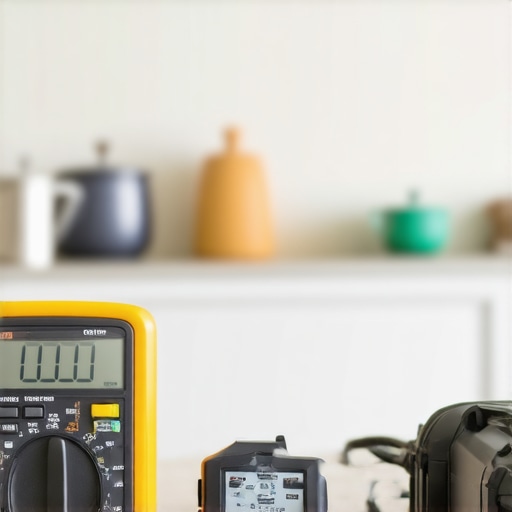 >Throughout my repair journey, I uncovered some invaluable lessons that significantly improved my troubleshooting approach. One of the hardest truths I faced was realizing that many seemingly straightforward issues often mask complex, interconnected problems—like a humming dishwasher that refuses to fill. Rushing to replace parts without thorough diagnostics can lead to costly mistakes. I learned to trust detailed testing, especially using multimeters and diagnostic guides, which revealed hidden faults and saved me time and money. Additionally, I discovered that maintaining a curated toolkit and keeping spare parts handy transforms complex repairs into manageable projects, boosting my confidence and success rate. Finally, patience and continuous learning have been my greatest allies—each repair teaches me more about how appliances work, helping me fix future issues more efficiently.