![Test Your Oven Igniter: A 5-Minute Diagnostic Fix [2026]](https://appliancebargainz.com/wp-content/uploads/2026/01/Test-Your-Oven-Igniter-A-5-Minute-Diagnostic-Fix-2026.jpeg)
Ever stood in front of your oven, frustration simmering, only to realize it’s not heating? That sinking feeling when your dinner plan gets derailed because the oven refuses to budge. I’ve been there, tangled in the mystery of a stubborn oven that just wouldn’t light, wasting precious time and a few choice words. The lightbulb moment? I discovered a quick, reliable diagnostic test that takes just five minutes—and suddenly, my appliance started behaving again. It’s one of those small wins that completely transforms how you approach appliance issues.
Why Diagnosing Your Oven Igniter Quickly Matters
Most homeowners don’t realize how common a failed igniter is in causing oven problems. When your oven isn’t igniting, it might seem like a major repair is looming, but often, a simple test can reveal the culprit. The good news? You don’t need to be an expert or have fancy tools. This quick diagnostic method can save you from unnecessary replacements or calls to expensive repair services.
Understanding how to test your oven igniter effectively can prevent misdiagnosis—a mistake I made early on that led me to buy a new oven when all it needed was a minor fix. Making that mistake set me back hundreds of dollars. Instead, by learning the correct diagnostic steps, you can confidently troubleshoot and resolve issues yourself, often within minutes. For even more tips, check out [these oven repair diagnostics tips](https://appliancebargainz.com/oven-repair-tips-diagnostics-for-faster-fixes-in-2025-2). Knowing the real root cause not only saves money but also reduces frustration and downtime.
Imagine Fixing Your Oven in Minutes
That’s the kind of peace of mind this quick test offers. Whether you’re a DIY enthusiast or just trying to save a few bucks, understanding how to quickly assess your igniter’s condition can make a world of difference. Next, I’ll walk you through the step-by-step process of performing this simple test—plus some tips to interpret the results. Stay tuned, because in just five minutes, you might discover that the solution to your oven woes is much simpler than you thought.
Gather Your Tools and Prepare Safely
Before diving into testing, ensure the oven is turned off and unplugged to prevent electrical shocks. Wear rubber gloves and safety glasses to protect yourself from accidental sparks or debris. Have a multimeter handy—think of it as the thermometer for electrical components—as your primary diagnostic tool. To visualize your setup, imagine checking a garden hose for leaks: you need the right tools and safety precautions in place.
Locate and Access the Igniter
Open the oven door and locate the igniter, usually positioned at the bottom of the oven cavity near the gas valve. If necessary, remove any panels or racks blocking access, using a screwdriver. Remember, patience is key—this step is like opening a sealed treasure chest; careful handling prevents damage. My last experience involved a stubborn panel screw, which I stripped, forcing me to carefully drill out the screw instead of forcing the panel open.
Perform a Visual Inspection
Examine the igniter for cracks, burn marks, or broken parts—these are signs it’s failed. A healthy igniter glows red when active; if it’s cold and unresponsive, that’s a clue it’s defective. This step is like checking a light bulb—sometimes, a simple visual confirms the problem without additional tools. I once replaced an igniter that looked fine visually but tested dead, saving myself from a recurring faulty glow.
Test the Igniter with a Multimeter
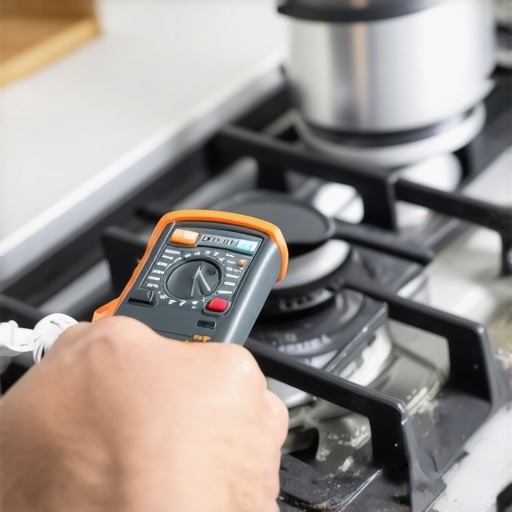
Set your multimeter to the ohms (Ω) setting. Disconnect the igniter from the wiring harness—think of detaching a leash from a pet. Carefully connect the multimeter probes to the igniter terminals. A functioning igniter usually shows resistance between 40 to 300 ohms; a reading outside this range indicates failure. If your reading is infinite or zero, it’s like testing a fuse—clear evidence the part needs replacement. Remember, a quick test like this can reveal whether the igniter itself is the culprit or if further diagnostics are needed.
Interpret Test Results and Proceed
If the igniter tests bad, replacing it is straightforward. Consult your model’s parts guide to find the correct replacement—think of it as ordering the right part for your specific vehicle. For many ovens, this task costs less than a dinner out and saves hours of frustration. Once replaced, previous issues usually resolve instantly. If the test indicates the igniter is good but the oven still won’t light, further investigation into the gas valve or control board is necessary, which you can explore in this comprehensive diagnostic guide.
✦ ✦
✦
Remember, diagnosing your oven’s igniter yourself keeps repair costs low and takes just a few minutes. Think of it as troubleshooting a broken doorbell—after a quick test, you know whether to replace the button or call in the pros for a more complex fix.
Many homeowners believe that parts like thermostats or control boards are straightforward replacements, but the reality is more nuanced. For example, there’s a widespread myth that replacing a faulty part guarantees a fix; however, in many cases, the problem lies in how those parts interact within the system. Overlooking the importance of diagnostics can lead to unnecessary part swaps, which are not only costly but often ineffective. Instead, developing a clear understanding of the diagnostic process, such as checking specific sensors or wiring continuity, ensures you target the actual fault rather than just replacing components blindly.
Another misconception is that all parts are universally interchangeable. This isn’t true—using incompatible parts can cause further damage or invalidate warranties. Always verify the exact model specifications and consult trusted sources or detailed parts guides, like those available in comprehensive repair guides. This attention to detail helps prevent advanced mistakes, such as misdiagnosing a sensor failure when the issue may be with wiring harnesses or control modules.
In the realm of diagnostics, some believe that unplugging and plugging in parts repeatedly can fix issues—a quick ‘fix’ but often a trap. This can cause static buildup or damage sensitive electronic components over time. Proper diagnostics involve careful testing with multimeters or diagnostic codes, as discussed in guides like diagnostic code troubleshooting. Remember, shortcuts in diagnostics might seem tempting but can escalate the problem, leading to more expensive repairs.
Why is it crucial to distinguish between part failure and systemic issues? Because focusing only on parts without understanding the bigger picture leads to ineffective repairs and ongoing frustration. For instance, replacing a control board won’t solve a leaking dishwasher if the real cause is a clogged drain pump.
Advanced troubleshooting involves analyzing how parts communicate and whether sensors or switches are sending correct signals. As appliance systems grow more sophisticated, so does the importance of understanding diagnostics at an expert level—something highlighted in dishwasher diagnostics guides.
Have you ever fallen into this trap? Let me know in the comments. Remember, rushing to replace parts without thorough diagnostics is a common mistake that costs time and money—approach repairs with a strategic mindset to save both.
Keep It Running with the Right Tools
Having a well-equipped toolbox is essential for efficient appliance diagnostics and repairs. I personally rely on a high-quality digital multimeter, such as the Fluke 117, because of its precision and durability. It allows me to quickly test components like igniters and sensors without guessing, saving time and preventing mistakes. Additionally, a set of insulated screwdrivers with various head sizes enables me to access tight spots safely and effectively. For parts-specific repairs, I use a digital caliper to verify measurements, ensuring compatibility with replacement components.
Beyond basic tools, investing in an infrared thermometer helps me check the temperature consistency in ovens and dishwashers, spotting issues that might not be visible to the naked eye. A magnetic LED flashlight is also invaluable during troubleshooting in dim areas, helping me inspect wiring or burn marks precisely. I’ve found these tools significantly improve diagnostic accuracy and repair quality, allowing me to identify issues before they escalate.
Embracing Modern Diagnostic Software
In recent years, I’ve integrated diagnostic apps tailored for specific appliances, which connect to smart sensors and control boards. For example, some appliances now transmit error codes directly to a smartphone app, removing guesswork. These apps often include troubleshooting guides and step-by-step repair advice, making complex diagnostics approachable—even for DIY enthusiasts. As technology advances, I predict that these tools will become more accessible and AI-powered, offering personalized recommendations based on the appliance’s history and sensor data.
Using diagnostic software accelerates repairs and reduces the risk of replacing parts unnecessarily. It also helps track long-term performance trends, alerting me to potential failures before they happen. To stay ahead, I keep updated with the latest firmware releases and diagnostic guides, such as these detailed repair resources. This proactive approach minimizes downtime and keeps appliances performing reliably for years to come.
How do I maintain appliances over time for optimal performance?
Regular maintenance is key. I recommend cleaning filters and spray arms in dishwashers every few months using our trusted guides like this comprehensive cleaning checklist. For ovens, periodic calibration checks ensure even heating, preventing uneven cooking and energy waste. Keeping an eye on electrical connections and replacing worn-out components before failure occurs is another best practice. Additionally, scheduling routine inspections with qualified technicians can catch potential issues early, saving you money and extending appliance lifespan. Expert advice from sources like the top repair guides can help you develop a maintenance routine tailored to your appliances.
What’s Next in Repair Tech
The future of appliance maintenance likely involves increased automation, with smart diagnostics and self-healing systems becoming more common. Imagine appliances that monitor their health continuously and alert you to issues via your phone or voice assistant, scheduling repairs automatically. Such advancements will not only save time but also reduce repair costs and downtime, making appliance ownership more hassle-free. Staying informed and investing in the right tools today equips you to leverage these innovations as they emerge.
To get started, I recommend testing your thermostat sensors regularly using precise tools like the digital multimeter or infrared thermometer. For instance, verifying oven sensor resistance can help diagnose temperature inconsistencies before they become bigger issues. Try this advanced tip from this proven method—it’s a game-changer for early detection.
How Embracing Small Failures Saved Me Big Bucks
Early in my repair journey, I underestimated the power of simple diagnostics. I thought replacing parts was the fastest fix, but I learned the hard way that understanding the root cause saves time and money. Every failed igniter or sensor told a story; paying attention to these clues allowed me to prevent recurring issues and avoid unnecessary expenses.
Why Trusting the Right Resources Transformed My Repairs
Over the years, I’ve curated a collection of trusted guides and tools that make troubleshooting more efficient. For instance, the detailed oven repair diagnostics key parts guide has been invaluable for identifying exactly which component to test first. Investing in quality tools like a digital multimeter from brands I trust has consistently improved my diagnostic accuracy.
Take the Leap and Diagnose Before You Replace
One of the most empowering lessons I learned was to pause and test before swapping parts. This approach transformed my repair confidence, making troubleshooting less intimidating. With the right diagnostic steps, even complex issues become manageable. Remember, mastering these techniques not only enhances your skillset but also keeps your appliances running smoothly for years to come.
Emily Johnson
This article really hit home for me! I used to rush into replacing parts whenever my oven wouldn’t light, but I learned the hard way that a careful diagnosis can save a lot of money and frustration. The step-by-step multimeter testing process is a game-changer for DIY fixes. I especially appreciate the emphasis on safety precautions—many homeowners overlook unplugging the appliance before testing, which is crucial.
One thing I wonder about is the long-term reliability of igniters. Have others here faced recurring igniter failures despite proper diagnostics and replacements? For me, I’ve replaced an igniter twice within a year, and I’m curious if there are underlying issues, like wiring or gas supply problems, that I should also check. Overall, mastering these diagnostic techniques makes me feel more confident in maintaining my appliances. Do you have tips for preventing igniter failures in the first place?
Michael Carter
I really appreciate this detailed breakdown! I’ve been trying to troubleshoot my oven for a while now, and this step-by-step guide makes it seem so much more manageable. I agree, safety is essential—I always make sure to unplug everything before testing. My experience with igniters has been a bit frustrating; they seem to fail unpredictably. I wonder if frequent power surges or gas supply issues could contribute to recurring failures? Has anyone else noticed a pattern or specific conditions that lead to igniter burnout? Personally, I’ve started checking the wiring connections periodically to prevent small issues from causing bigger problems. Also, using a multimeter for initial diagnostics saves so much time instead of blindly replacing parts. Would love to hear if others have tips on how to extend igniter lifespan or avoid these recurring problems altogether. Or is this just a common aspect of aging appliances?
Sarah Mitchell
This post really resonated with me because I’ve faced similar frustrations with my oven. The quick diagnostic test sounds like a game-changer—it’s amazing how a simple multimeter check can save so much time and money. I noticed that sometimes, even after replacing an igniter, the oven still doesn’t light consistently. That made me wonder if there could be other underlying issues such as gas line problems or faulty wiring that affect the ignition process. Have others experienced recurring igniter failures despite following proper diagnostics? I’d love to hear your tips on prolonging the lifespan of igniters or preventing these recurring issues. Also, does anyone have recommendations for the best multimeters for this kind of troubleshooting? Being able to confidently troubleshoot this myself really boosts my confidence in handling minor appliance repairs.