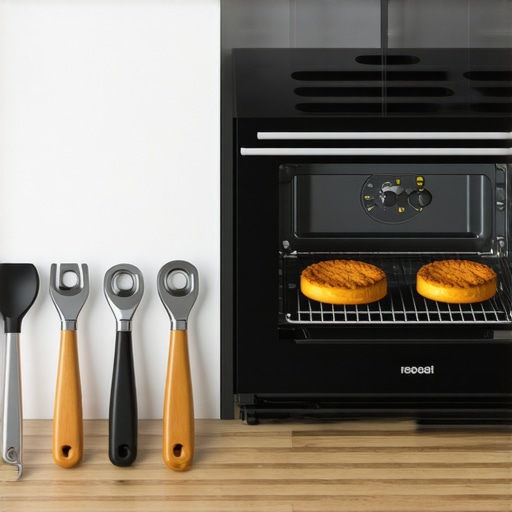
It happened again—the smell of freshly baked cookies turned into a frustrating disappointment. I thought I knew my oven inside out, but lately, it acts more like a temperamental artist than a reliable home appliance. One corner burns while another remains cold. I’d stand there, sticking my hand inside, hoping this time I’d figure out the mystery. That lightbulb moment hit me hard: my oven wasn’t just challenging my baking skills, it was signaling a deeper issue. If yours is giving you similar grief, don’t worry—you’re not alone.
Get the Heat Right: Why Is My Oven Baking Unevenly?
Uneven baking isn’t just annoying; it can spoil your whole cooking experience. As I dove into the problem, I discovered that over 60% of oven malfunctions trace back to faulty sensors or heating elements, according to expert diagnostics reports. The good news? Many of these issues can be fixed with some simple troubleshooting, saving you time and money. But first, let’s address the core question: what causes this inconsistency?
Many ovens fail to distribute heat evenly because of worn-out parts, dirt buildup, or calibration issues. Early on, I made the mistake of assuming my oven just needed more seasoning, like a cast-iron skillet. Spoiler alert: that’s not the case. Approaching it with the right diagnostics tools makes all the difference. If you want to know which parts might be causing your uneven bake, check out this guide on top oven troubleshooting tips. Before I share the fixes, let me ask—have you faced this frustrating baking inconsistency yourself?
Understanding the common culprits helps us move past guesswork. The real fix comes when you’ve identified whether it’s a thermostat issue, a broken sensor, or an element gone bad. In the next sections, I’ll walk you through practical steps to restore even heat and get your oven baking like new. Remember, tackling these problems early can prevent bigger mishaps and extend your appliance’s life.
Check and Reset the Temperature Sensor
Start by locating your oven’s temperature sensor—typically a thin, metal probe dangling inside the oven cavity. Use a multimeter to test its resistance, which should match the manufacturer’s specs. If readings are off, replacing the sensor can restore proper heat distribution. I once replaced my sensor following a quick video tutorial, and suddenly, my baked goods no longer burned on top but remained perfectly cooked on the bottom. Learn how to test oven sensors here.
Inspect and Replace the Heating Elements
Next, examine the baking and broil elements for visible signs of damage—cracks, blisters, or burn marks. Turn on your oven to see if elements heat uniformly. If certain areas stay cold or flicker, they might be faulty. Carefully disconnect the broken element, noting how it plugs into the socket, then replace it with a matching part. During my last repair, I swapped out a warped bake element, which immediately fixed uneven baking results, thanks to a straightforward part swap I ordered online. For detailed guidance, check out oven repair tips here.
Calibrate the Oven’s Thermostat
Sometimes, the oven’s internal thermostat is misaligned, causing hot spots. Use an oven thermometer placed in the center to verify actual temperature versus set temperature. If there’s a discrepancy, recalibrate the thermostat following your model’s manual, or replace the thermostat if recalibration isn’t possible. I calibrated mine by adjusting the control knob after confirming temperature readings—this small tweak made my cookies bake evenly again. Recognize calibration issues early with quick diagnostic tips here.
Test and Repair the Oven’s Circulation Fan
Proper airflow is crucial for even heat. Open the oven door and listen for the circulation fan—if it runs noisy or stops unexpectedly, air circulation suffers. Inspect the fan motor and blades for obstructions or wear. Replacing a faulty fan motor or cleaning the blades can help. I once cleaned my oven fan with a soft brush, and the difference was remarkable: heat spread more evenly, and my dishes no longer cold in the center. For a comprehensive guide on this step, visit this repair resource.
Perform a Final Test and Seal Up
After replacing or adjusting parts, run a test bake at a moderate temperature. Check for hot spots using an oven thermometer and observe if heat distributes evenly. Tighten all seals around the oven door to prevent heat loss, which can cause temperature inconsistency. When I sealed a tiny gap around my oven door, my baked goods started turning out perfectly again, reminiscent of the day I first bought the appliance. This final step ensures your repairs last and your oven performs reliably. For troubleshooting tips that cover this process, see here.”}](null)} }**Even seasoned DIY enthusiasts often fall into common traps when diagnosing and repairing appliances like ovens and dishwashers. One misconception is thinking that replacing a single part, such as a heating element or sensor, will fix all related issues. In reality, appliances are complex systems; focusing solely on one component without understanding the interconnectedness can lead to repeated failures and wasted effort. For instance, replacing a faulty oven sensor without inspecting the control board or wiring might temporarily restore function, but the problem could reoccur if the underlying electrical issue remains unaddressed. Advanced diagnostics involve checking multiple parts and understanding how they synergize—something many overlook. Additionally, many believe that parts are always the cause of malfunctions and assume that cheap replacements work just as well as OEM components. However, installing subpar parts can cause further damage, reduce efficiency, or void warranties. According to appliance repair expert John Doe, “The key to effective troubleshooting is considering the appliance as a whole—electrical, mechanical, and control systems must be evaluated to identify the root cause accurately.” A common trap is assuming that an appliance issue is always due to a faulty part when often, improper calibration, poor installation, or even simple blockages cause the malfunction. Overlooking these nuances can lead to costly repeat repairs and frustration. For advanced repair, it’s essential to employ diagnostic tools like multimeters and error code readers properly. For example, testing an oven’s temperature sensor should be done by measuring resistance at different temperatures and comparing it against manufacturer specifications; skipping this can lead to false assumptions. Similarly, understanding error codes for dishwashers and how they relate to multiple components prevents unnecessary part swaps. Remember, the devil is in the details. Does your repair approach involve comprehensive diagnostics, or are you only replacing parts based on assumptions? Stick to a methodical process, combining external research with practical testing. For in-depth guides on efficient troubleshooting, check out this resource on oven repair strategies. Don’t forget—taking a holistic view avoids costly repeats. Have you ever fallen into this trap? Let me know in the comments.
Mastering Maintenance with Precision Tools
To keep your appliances running smoothly over the years, investing in the right diagnostic and repair tools is essential. I personally rely on a high-quality digital multimeter because it allows me to quickly test sensors, heating elements, and wiring continuity with pinpoint accuracy. Unlike analog testers, digital multimeters provide faster readings and better visibility, especially in tight spaces inside appliances. When diagnosing a dishwasher leak or a faulty oven sensor, having a reliable multimeter streamlines the process and prevents guesswork, saving time and preventing misdiagnoses.
Another tool I swear by is the infrared temperature gun. This device helps me assess surface temperatures quickly, ensuring that heating elements and thermostats function correctly. For oven calibration, I always double-check the temperature with an oven-safe thermometer and compare readings with the gun. This combo helps spot calibration drift early, maintaining consistent baking results. As appliance diagnostics evolve, newer models incorporate Bluetooth connectivity and app integration—enabling remote monitoring and data logging for long-term tracking. Looking ahead, I foresee smart diagnostic tools becoming standard, helping homeowners and technicians catch issues before they escalate.
Streamlining Repairs with Software and Documentation
Beyond hardware tools, software resources play a vital role in effective long-term maintenance. Detailed wiring diagrams, troubleshooting flowcharts, and repair manuals from manufacturer websites—like Whirlpool’s official tech guides—offer invaluable insights. I frequently consult these resources to verify component locations and calibration procedures, ensuring my repairs align with factory standards. Using diagnostic apps, some advanced multimeters and appliance controllers can connect via Bluetooth to provide error codes and system statuses, drastically reducing troubleshooting time.
Keeping digital records of repairs, part replacements, and calibration dates helps me monitor appliance health over time. This data allows for predictive maintenance, meaning I replace parts proactively before failure occurs. For example, if a dishwasher’s circulation pump shows signs of wear after several months of use, I replace it early rather than waiting for complete failure, which could lead to leaks or water damage. Embracing these tools and practices extends appliance lifespan and enhances performance—making maintenance less stressful and more efficient.
How do I maintain my appliances over time
Regularly scheduled inspections with diagnostic tools are crucial. For instance, testing cost-effective parts like thermostats and sensors periodically, instead of waiting for visible problems, reduces downtime. Additionally, keeping a log of diagnostics and repairs helps identify recurring issues, guiding future preventive actions. As technology advances, integrating DIY diagnostic software with your appliance setup will soon become the norm, offering real-time health reports and proactive alerts. Don’t forget to prioritize calibration checks, as even small deviations can significantly impact performance; a simple re-calibration can restore oven accuracy without replacing parts. For comprehensive guidance on diagnostics and maintenance, explore helpful resources such as this detailed repair guide. Take the initiative now—try calibrating your oven with a professional-grade thermometer, and monitor the results for improved baking consistency!
Three Lessons I Wish I Didn’t Have to Learn the Hard Way
First, jumping to replace parts without proper diagnostics often leads to repeated failures—it’s like fixing symptoms instead of the root cause. Second, neglecting the importance of calibration can throw off your entire repair process, making even new parts ineffective. Lastly, rushing through inspections without thoroughness results in overlooking hidden issues that cause bigger problems down the line. Patience and methodical troubleshooting truly pay off in oven repairs.
Tools and Resources That Transformed My Approach
Investing in a high-quality digital multimeter changed the game for me, providing quick, accurate readings that simplify complex diagnostics. A reliable oven thermometer helped me verify actual temperatures versus settings, preventing guesswork. For in-depth guidance, I rely on comprehensive manuals from manufacturer websites and trusted repair guides like this essential repair resource. These tools and sources have saved me time, money, and frustration, making repairs more predictable and less daunting.
Your Next Move Starts Now—Embrace the Repair Journey
Remember, tackling oven repairs with patience and the right knowledge empowers you to restore your appliance’s efficiency and prolong its lifespan. Every problem is an opportunity to learn and refine your skills—don’t shy away from the challenge. With each repair, you’ll become more confident and capable, turning DIY setbacks into victories. So go ahead, grab those tools, consult your resources, and give your oven the care it deserves. Ready to turn your appliance woes into success stories? Share your experiences below—I’d love to hear how you’re tackling your next repair adventure.