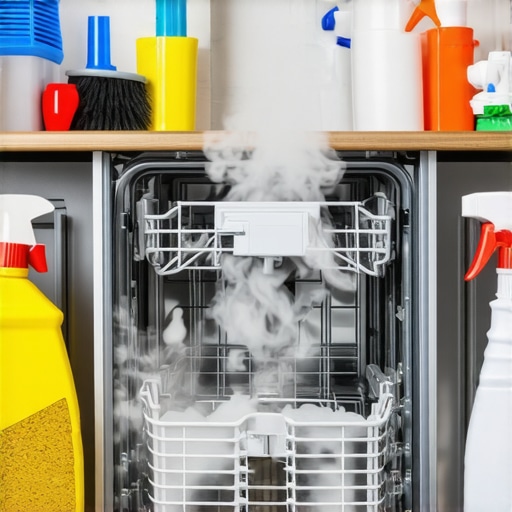
Ever opened your dishwasher and been greeted not by the fresh scents of clean dishes, but a musty, unpleasant odor? I’ve been there. That sinking feeling when you realize your appliance isn’t just failing to impress but is actively leaving your kitchen smelling less than inviting. One morning, after a particularly grimy cycle, I finally decided enough was enough—I had to understand why my dishwasher was acting up and how to make it smell fresh again.
Deciphering the Mystery of Dishwasher Odors
The truth is, many homeowners ignore a simple fact: dishwashers can harbor bacteria, mold, and leftover food particles that cause persistent smells. These aren’t just nuisances; they can affect your health too. So, what’s behind these foul odors? Often, it’s a combination of forgotten debris, soap scum buildup, and trapped moisture creating the perfect environment for odor-causing microbes. To combat this, I’ve tested various cleaning tactics that are surprisingly effective and don’t require professional help.
Is Your Dishwasher’s Smell Worth the Hype?
Now, I admit I used to think these problems would just go away or that regular cleaning was enough. I made the mistake early on of only running the dishwasher without cleaning the filters or checking the spray arms. That’s a rookie move—trust me, skipping basic diagnostic steps can delay your fixing process. I’ve learned that understanding the root cause is key, and I’d recommend starting with some simple diagnostics. For expert tips, check out this comprehensive troubleshooting guide.
So, if you’re tired of smelling last week’s leftovers instead of fresh dishes, don’t worry. Up next, I’ll share my favorite cleaning tactics that will leave your dishwasher smelling as good as new—without breaking the bank or calling in a repair tech.
,
Start with a Deep Inspection of Key Parts
Turn off your dishwasher and open it up. Remove the filter and check for lodged debris or mold. Use a flashlight to peer into spray arms and check for clogs or buildup. For thorough guidance, visit this diagnostics guide. I once found a squishy old piece of food caught in the filter, which echoed the buildup causing the smell. Clearing it immediately freshened the appliance and eliminated odors.
Clear Out Mechanical Blockages and Buildup
Apply vinegar and baking soda directly into the dishwasher. Pour a cup of white vinegar into a dishwasher-safe container and place it on the top rack. Run a hot cycle. Follow up by sprinkling a cup of baking soda inside and running another cycle to absorb remaining odors. This method rescues many a stinky machine—like when I did it, I immediately noticed a cleaner smell and healthier water flow.
Target Trapped Moisture to Prevent Mustiness
After washing, prop the door open slightly to allow air circulation, which helps moisture evaporate. Check that the door gasket is clean and not trapping water or mold. Use a soft cloth to wipe down the gasket and prevent mold breeding. Regularly doing so prevents the damp environment that encourages smells—saving you from repeat deep cleans.
Enhance Routine Maintenance for Long-Term Freshness
Schedule monthly cleaning with a commercial dishwasher cleaner or use natural remedies like lemon juice and baking soda. Keep spray arms, filters, and seals regularly checked with the essential parts guide. When I added a monthly vinegar rinse, I noticed my dishwasher stayed fresher without the need for aggressive scrubbing.
Identify And Fix Underlying Mechanical Issues
If odors persist despite cleaning, investigate other causes like a malfunctioning drain pump or clogged filters. Use diagnostics tools to detect issues early—refer to this expert troubleshooting guide. I once replaced a faulty drain pump after diagnosing a persistent bad smell, and the appliance ran silently and clean again.
Check and Replace Worn-Out Parts
If leaks or malfunctioning spray arms are part of the problem, examine top parts like the seal or spray nozzles. For efficient repairs, see the top diagnostic parts. I replaced a cracked gasket, which immediately stopped the odors and leaks, saving me costly repairs later.
When tackling appliance repair, many assume that a simple visual inspection suffices or rely solely on diagnostic codes to pinpoint issues. However, these shortcuts often lead to misconceptions that can delay effective fixes. For instance, it’s a widespread myth that replacing the most visibly damaged part always resolves the problem. In reality, appliances like dishwashers and ovens involve complex interactions, and focusing only on obvious symptoms can overlook underlying causes. Expert diagnostics emphasize the importance of understanding the appliance’s full behavior, including subtle signs and less obvious mechanical issues, which are often the real culprits.
One trap I see common among homeowners is over-reliance on generic troubleshooting guides without considering model-specific nuances. Every appliance has unique quirks—what works for a standard dishwasher might not apply to a high-end unit. For example, neglecting to check the drainage system thoroughly can lead to overlooked issues that continue producing odors or improper cycles. To avoid this, I recommend consulting detailed diagnostic resources tailored to your specific model, such as this comprehensive diagnostics guide.
An advanced tip often missed is the significance of measuring electrical parameters like voltage and resistance in parts suspected of failure. While many focus on physical inspection, neglecting electrical diagnostics can overlook problems like faulty sensors or malfunctioning control boards. Incorporating multimeter tests and understanding the readings can reveal issues that are invisible to the naked eye, saving time and money.
Moreover, treating appliance problems as isolated incidents rather than symptoms of broader systemic issues can lead to repeated repairs. For instance, replacing a worn-out gasket without inspecting the entire door assembly or related components risks future leaks or odors. A holistic diagnostic approach ensures that the root cause is addressed, preventing recurrence.
Make sure to differentiate between temporary fixes and permanent solutions. Using natural cleaning methods like vinegar and baking soda can temporarily mask odors, but if underlying mold or microbial growth persists, the smell will return. Regular maintenance combined with thorough diagnostics ensures long-term appliance health.
So, what’s the hidden nuance most overlook? It’s the importance of considering the appliance’s full lifecycle and behavioral patterns—knowing when parts should be replaced proactively and recognizing early signs of wear. This forward-thinking prevents costly breakdowns and keeps your appliances running smoothly.
Have you ever fallen into this trap? Let me know in the comments. Remember, effective troubleshooting is less about quick fixes and more about strategic diagnosis. By understanding these nuances, you elevate your repair game from guesswork to expertise.
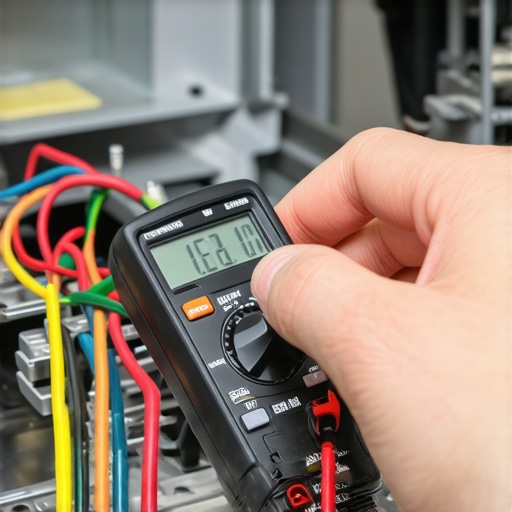
Maintaining your dishwasher’s performance over the long term requires more than just occasional cleaning; it demands the right tools and systematic approach. A diagnostic multimeter, for example, is invaluable for testing electrical components like motors, sensors, and control boards. I personally rely on a high-quality digital multimeter because it allows me to quickly identify faulty wiring or malfunctioning parts without guesswork. Accurate readings can reveal issues with resistances or voltages that visual inspection might miss, streamlining the repair process and preventing unnecessary part replacements.
How do I maintain my dishwasher’s health over time?
Regular diagnostics are essential to catch problems early. I recommend scheduling monthly check-ups where you examine key parts such as spray arms, filters, and door seals. For electrical health, use your multimeter to verify that components like the drain pump and sensors operate within their specified ranges, as outlined in this diagnostics guide. Incorporating these routine checks prevents small issues from escalating into costly repairs and keeps your appliance performing efficiently.
Additionally, integrating effective diagnostic software can automate some of these checks. While DIY enthusiasts might use simple apps or hardware interfaces to monitor appliance behavior, the trend is moving toward connected diagnostics systems that provide proactive alerts. In the future, appliances might self-report issues to your smartphone, allowing for swift repairs or parts ordering without manual troubleshooting.
Investing in quality replacement parts, such as those listed in the top diagnostic parts, ensures longevity and reduces downtime. When replacing components like spray nozzles or door gaskets, choosing OEM parts guarantees compatibility and optimal function.
Trying advanced maintenance techniques like ultrasonic cleaning for spray arms or using enzyme-based descalers can further improve performance and lifespan. Remember, consistent upkeep combined with the right tools minimizes the risk of breakdowns and keeps your dishwasher operating at peak efficiency for years to come.
The Hidden Lessons That Changed My Repair Approach
- Once I started viewing dishwasher issues as clues rather than inconveniences, my diagnostics improved dramatically. Recognizing minor irregularities early helped me prevent major failures, saving money and time.
- I learned that complacency is the enemy—regularly inspecting and maintaining parts like filters and spray arms ensures longevity. Small proactive steps proved far more effective than reactive fixes.
- Understanding the intricate relationship between electrical components and mechanical function was a game-changer. Using tools like multimeters became second nature, uncovering hidden faults beyond obvious wear and tear.
Tools and Resources I Trust to Keep My Dishwasher in Top Form
- Digital Multimeter: Essential for diagnosing electrical issues, this tool helps me quickly identify faulty sensors or wiring problems, making repairs more precise.
- Comprehensive Diagnostic Guides: The expert troubleshooting guide provides step-by-step insights tailored to specific models, which I rely on for efficient diagnostics.
- OEM Replacement Parts: Using top-rated, manufacturer-approved parts from the diagnostic parts list ensures compatibility and durability, preventing future issues.
- Maintenance Scheduling Apps: These help me keep track of routine checks, ensuring my dishwasher receives timely care and avoiding costly repairs.
Your Turn to Tackle Dishwasher Care
Taking the time to understand your dishwasher’s mechanics and embracing thorough diagnostics transforms repair challenges into manageable tasks. This approach not only extends the life of your appliance but also provides peace of mind knowing you’re in control—making cleaning and maintenance less of a chore and more of a confidence boost.
Emily Robertson
I really appreciated the detailed diagnosis approach in this post—especially the emphasis on testing electrical components with a multimeter. Before reading this, I used DIY cleaning methods that only temporarily masked odors, but I never considered the importance of checking the drain pump or sensors electrically. Moving forward, I think incorporating regular electrical diagnostics will really help in troubleshooting persistent issues, especially since some problems aren’t visible externally. Has anyone found particularly helpful apps or tools that make routine diagnostics easier without needing advanced technical skills? Also, I’ve noticed that sometimes replacing parts like the gasket helps, but if underlying issues like clogged filters or faulty sensors are ignored, the odor problem can come back quickly. Would love to hear others’ experiences on how they balance preventive maintenance with troubleshooting actual mechanical issues. Personally, I find that staying proactive with diagnostics helps extend my dishwasher’s lifespan and keeps it running efficiently.
Johnathan Miller
This post really hits home for me because I’ve struggled with persistent odors from my dishwasher despite regular cleaning. I haven’t yet attempted electrical diagnostics, but after reading about the importance of checking components like the drain pump and sensors, I’m intrigued. I’ve always relied on external cleaning methods, but it seems that partial solutions often don’t work long term. Using a multimeter to test electrical parts seems like a game-changer, especially since some issues remain hidden to the naked eye. I wonder if there are user-friendly diagnostic tools that don’t require a deep technical background? I’ve noticed that even after replacing seals or filters, sometimes odors keep lingering, which makes me think that underlying electrical or mechanical problems could be the culprit. Has anyone here integrated smart diagnostics or apps into their maintenance routine? I’d love to hear suggestions on how to combine regular cleaning with proactive electrical troubleshooting for better long-term results. It seems that understanding the full picture really can save a lot of time and money over the lifespan of the appliance.