![Is Your Dishwasher Beeping? 5 Diagnostic Codes to Know [2026]](https://appliancebargainz.com/wp-content/uploads/2026/01/Is-Your-Dishwasher-Beeping-5-Diagnostic-Codes-to-Know-2026.jpeg)
Have you ever been in the middle of dinner cleanup when suddenly, your dishwasher starts beeping incessantly? That jarring alarm, combined with a flashing code on the panel, can turn a routine chore into a moment of frustration. I remember the first time it happened to me—confused, frustrated, and frankly a little worried. Was it something serious? Could I fix it myself or did I need to call in a professional? That lightbulb moment hit me: troubleshooting these codes isn’t just about fixing appliances—it’s about saving time, money, and peace of mind.
Decoding Your Dishwasher’s Buzz: Why These Diagnostic Codes Matter
Understanding what your dishwasher is trying to tell you with those beeps and flashing lights is essential. For a while, I ignored the error messages, dismissing them as mere glitches. But neglecting them led to more significant problems—leaks, poor cleaning cycles, or complete failure. Early diagnosis can prevent costly repairs and extend the lifespan of your appliance. According to recent studies, diagnostics codes can provide clues that, if interpreted correctly, may help you avoid unnecessary service calls. Want to stay ahead of potential breakdowns? Let’s look at the most common diagnostic signals and what they mean.
Is Diagnosing Codes Worth the Hassle?
I admit, when I first faced those blinking lights, I was skeptical. Would I really be able to understand what my dishwasher was trying to say? My initial mistake was to ignore the codes and hope it would fix itself. That approach only delayed repairs and increased costs. But, with some patience and a little research, I learned how to interpret these signals, which made troubleshooting much simpler. If you’re like me, wondering whether diving into diagnostics is worth your time, I can reassure you: getting familiar with these codes can empower you to handle many issues without professional help. For additional resources, I recommend checking out the comprehensive guide to dishwasher diagnostics.
Now that I’ve set the stage, let’s explore the most common beeping signals, what they mean, and how you can troubleshoot them yourself.
Access Your Appliance and Gather Tools
First, power off your dishwasher and unplug it from the outlet—think of it as removing the batteries from a remote before replacing the batteries. Move or tilt the appliance to access the control panel and internal components. Use a screwdriver, multimeter, and a flashlight to prepare for troubleshooting. Remember, safety always comes first.
Identify the Diagnostic Code or Symptom
Next, observe the flashing lights or beeping sequence. Take note of the pattern; for example, a single beep followed by blinking lights could indicate a specific fault. If your dishwasher displays an error code, consult the user manual or online resources to interpret it. This step is like decoding a secret message—each pattern points to a particular issue.
Locate and Test the Relevant Parts
Once the fault is identified, locate the corresponding components—such as the door latch, float switch, or water inlet valve—by referencing diagrams from trusted sources like this guide. Use your multimeter to check for continuity; think of it as testing the flow of electricity like a ‘quality check’ for wiring. For example, if the float switch shows no continuity, it’s a sign it needs replacing.
Test and Replace Faulty Parts
Disconnect the faulty component, noting how it was connected, then install a new part following the reverse steps. Be precise—imagine swapping a puzzle piece. Always refer to part diagrams from reputable sources such as this resource for correct installation. Testing the new part before reassembling ensures you’ve successfully addressed the issue.
Reassemble and Verify the Repair
With all parts replaced and secured, plug the dishwasher back in. Run a short cycle to see if the error persists. Think of this as a test drive after a car repair; confirm that everything works smoothly. If the code remains, revisit previous steps or consider professional help. This step confirms your troubleshooting was effective and the appliance is back to functional mode.
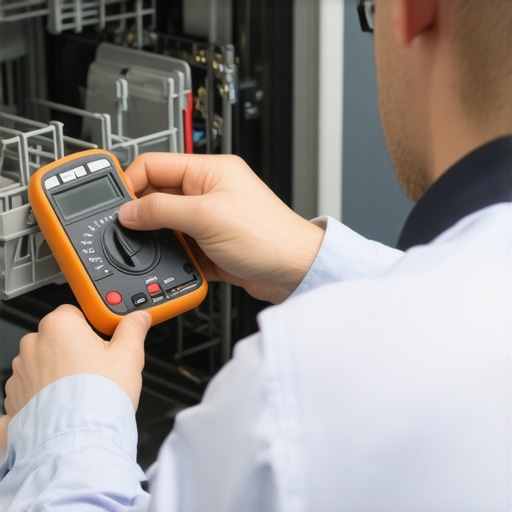
Many homeowners believe that replacing parts is simply a matter of swapping out the faulty component, but in my experience, this approach overlooks critical nuances that can make or break a repair job. For example, a common myth is that all parts are compatible across brands and models, which isn’t true. Using mismatched parts without verifying specifications can lead to recurring issues or further damage. Dive into trusted resources like this comprehensive guide to ensure you select the right diagnostics parts for efficient repairs.
Another misconception is assuming diagnostics codes are always straightforward clues pointing directly to a faulty part. In reality, codes often indicate symptoms rather than root causes, and interpreting them requires understanding the system’s nuances. For instance, a code related to water inlet problems might actually stem from a clogged filter or kinked hose, not the inlet valve itself. Recognizing these subtleties can save you from unnecessary part replacements and help focus your troubleshooting efforts.
Be cautious of the trap that over-relying on generic troubleshooting tips. Every appliance has its quirks, and generic advice may not suit your specific model. Advanced diagnostics involve testing various components in a sequence that considers the appliance’s quirks—something a beginner might overlook. For sophisticated repair strategies, I recommend consulting this expert guide, which emphasizes model-specific diagnostics.
One often overlooked aspect is the influence of wiring and electrical connections. A faulty or loose connection can mimic the symptoms of a defective part, leading you astray. For example, a loose door latch wire might cause false error codes related to door detection. Regularly inspecting wiring harnesses and testing continuity with a multimeter can prevent misdiagnoses and costly part replacements.
From my deeper experience, I’ve learned that patience and attention to detail elevate your repair skills from amateurish to expert level. For instance, carefully inspecting and testing components before replacing them minimizes guesswork. Taking the time to understand the underlying system—not just the symptom—is what separates quick fixes from long-term solutions.
Are you falling into any of these traps? Or have you uncovered additional nuances? Share your experiences in the comments and join the conversation about mastering appliance diagnostics.
Keep It Running: Essential Tools for Troubleshooting and Maintenance
Maintaining your appliances over time requires more than just basic knowledge; it demands the right tools and a strategic approach. I’ve found that having a dedicated set of diagnostic and repair equipment can significantly reduce downtime and extend the lifespan of your appliances. Start with a quality multimeter like the Fluke 115, which I use daily—it provides reliable voltage and continuity readings, essential for diagnosing electrical faults in dishwashers and ovens. Pair this with a digital thermometer for checking water temperatures and heating functions, ensuring your appliance operates at optimal levels.
An ultrasonic leak detector can be a game-changer for identifying slow leaks in dishwashers, saving you from major water damage down the line. I recommend the Siemens WFD-10, which offers precise detection, especially useful for finding tiny leaks that are often invisible or hard to locate visually.
Leverage Diagnostic Software for Precise Troubleshooting
Beyond physical tools, digital diagnostic software has become increasingly valuable. Many modern appliances can be diagnosed via apps or proprietary programs that connect through Wi-Fi or Bluetooth. For example, certain oven models integrate with diagnostic apps, allowing you to retrieve error codes remotely and perform initial checks before opening the device. I personally use the effective diagnostics tools to interpret error patterns quickly, which streamlines the repair process and minimizes guesswork.
How do I maintain appliances over time? Consider Scheduled Check-Ups
Consistent, proactive maintenance is key. I recommend setting a quarterly reminder to inspect water inlet valves, clean filters, and test electrical connections. Regular calibration of thermostats and temperature sensors ensures appliances function efficiently, saving energy and preventing unexpected breakdowns. For more detailed strategies, you may explore comprehensive guides like this expert advice to stay ahead of potential issues.
Investing in the right tools and adhering to a maintenance schedule can dramatically improve appliance longevity. My tip for you today is to try using an ultrasonic leak detector on your dishwasher to identify hidden leaks early. This proactive step can save costly repairs later. Remember, the combination of quality equipment and consistent habits empowers you to keep your appliances in top shape for years to come.
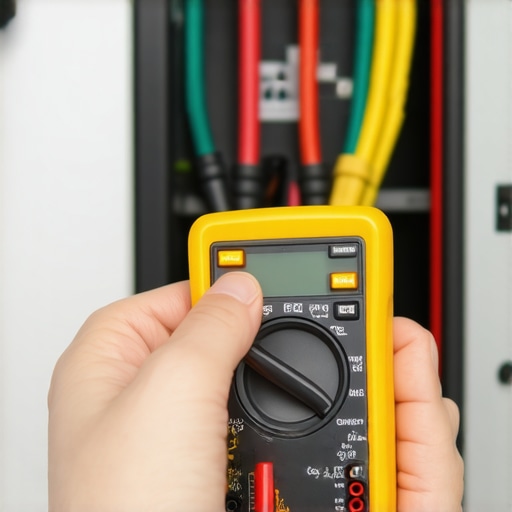
For those looking to deepen their maintenance expertise, exploring digital diagnostic tools and adopting meticulous inspection routines will become indispensable as appliances grow smarter and more connected. Are you ready to elevate your repair game? Start by testing your appliances’ temperature sensors with a digital thermometer—an easy yet impactful step toward maintaining optimal performance.
3 Hard-Earned Lessons That Changed My Approach to Repairs
One of the most significant insights I gained is that not all diagnostic codes are straightforward signals pointing directly to a fault. Often, they are symptoms of underlying issues—like a clogged filter masquerading as an inlet valve problem. Realizing this shifted my troubleshooting strategy from replacement to rooted diagnosis. Another lesson was how crucial it is to verify wiring connections thoroughly; a loose wire can mimic a malfunctioning part, leading to unnecessary replacements and frustration. Lastly, I learned that patience, paired with systematic testing, is invaluable; rushing could overlook subtler clues, prolonging the repair process. These lightbulb moments have empowered me to troubleshoot more confidently, saving both time and money.
My Go-To Resources for Accurate Repairs and Tool Recommendations
For anyone serious about becoming proficient in troubleshooting appliances, I recommend starting with this comprehensive diagnostics guide. It offers detailed insights tailored to various models, helping you identify the right parts with ease. My toolbox wouldn’t be complete without a quality multimeter like the Fluke 115, which ensures reliable voltage readings—crucial for electrical troubleshooting. I also use a digital thermometer to verify heating elements and water temperatures, and an ultrasonic leak detector to catch hidden leaks early. These tools have transformed my repair routine from guesswork into precision work.
Your Next Step in Appliance Mastery
Remember, every successful repair builds confidence and skills. Don’t shy away from testing components or researching error codes—these small efforts accumulate into valuable expertise. With the right knowledge and tools, you’re well on your way to mastering parts, dishwasher, diagnostics, and oven repair. Are you ready to take on your next appliance challenge and turn frustration into mastery? Share your experiences below or ask questions—I’m here to help!
Emily Carter
Reading through this post, I can relate to the initial confusion when my dishwasher started beeping unexpectedly. It’s a bit nerve-wracking not knowing what the error code signifies at first, but I agree that investing time in learning those diagnostic signals really pays off. I remember once ignoring a blinking light that turned into a full-blown leak later because I didn’t troubleshoot early enough. What I find most helpful is having a set of reliable tools like a multimeter and keeping the user manual handy. As for diagnosing error codes, have any of you used apps or Wi-Fi enabled diagnostics? I’ve heard some newer models offer remote error reading, which sounds like a real time-saver. I’d love to hear if that technology has worked well for anyone here, or if you prefer manual testing?