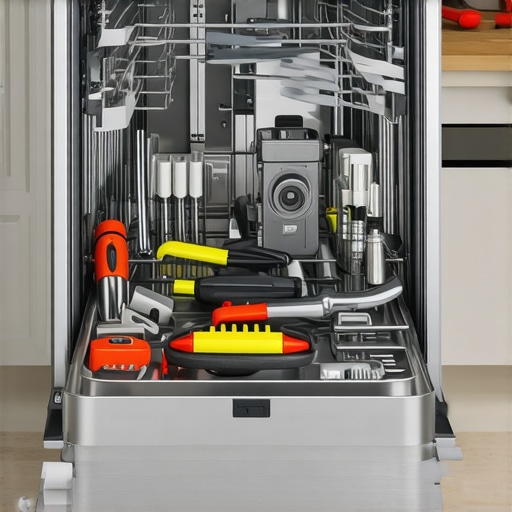
I remember the sinking feeling when I opened my dishwasher one morning to discover a soggy, unwashed mess instead of the sparkling clean dishes I expect. It was a personal lightbulb moment that sparked my journey into top-tier troubleshooting and parts mastery. If you’ve ever faced the frustration of a dishwasher that just won’t cooperate, you’re not alone. Today, I promise to share how I cracked the code to faster repairs, saving time and money—and how you can too.
Getting Real About Dishwasher Troubleshooting
Is Troubleshooting Your Dishwasher Worth the Effort or Just a Waste of Time?
Identify the Root Cause with Focused Testing
Start by visually inspecting your dishwasher for obvious issues—blocked spray arms, leaks, or debris. Then, unplug the appliance and open the access panels to locate crucial parts like the float switch and door latch. Use a multimeter to test these components for continuity—think of it as a detective using a flashlight to check all clues during a nighttime investigation. I remember troubleshooting my own unit where a loose wire caused erratic operation; simply re-seating the connection restored full function. For detailed testing procedures, consult the diagnostics guide.
Use Diagnostic Tools to Confirm Faulty Components
Next, employ diagnostic tools such as a multimeter or a circuit tester to verify if parts like the pump motor or control board are functioning correctly. Think of these tools as the ‘heart rate monitors’ for your dishwasher—if the ‘pulse’ (voltage) isn’t right, the part is likely faulty. During my last repair, testing the drain pump motor revealed zero resistance, confirming it was dead. Replacing it with a new part promptly fixed the drainage issue and saved me a costly service call. Expert tips on choosing the right diagnostic parts can streamline this process.
Check for Common Problems Before Replacing Parts
Before ordering expensive replacements, verify common causes like clogged filters or misaligned spray arms. Imagine trying to fix a car by replacing the engine without checking the oil or spark plugs—inefficient and costly. In my experience, cleaning out stubborn filters and realigning spray arms restored water circulation, resolving poor cleaning performance without costly parts. For guidance on routine maintenance, explore top diagnosis strategies.
Document Your Findings for Faster Future Repairs
Keep a repair log noting which parts tested faulty and the steps you took. This is like a mechanic’s notebook—valuable for future troubleshooting. I once fixed a dishwasher and recorded the process; months later, when another problem emerged, I quickly referenced my notes instead of starting from scratch. This habit expedites repairs and prevents unnecessary part replacements. For comprehensive notes and tips, review expert repair tips.
Many DIY enthusiasts assume that diagnosing appliance issues is straightforward: test a few parts, replace what seems faulty, and hope for the best. But in my experience, this oversimplified approach often leads to costly missteps. The real nuance lies in understanding that not all faulty-sounding parts are truly the cause of the problem. Common myths like “replace the control board to fix everything” can derail your repair efforts. Instead, mastering the diagnostic process involves recognizing that symptoms are often interconnected, and a superficial test may overlook underlying issues. For example, a dishwasher might not clean properly due to a clogged spray arm, but some assume the problem is with the pump motor, leading them to replace a costly part unnecessarily. This trap can be avoided by performing thorough, focused diagnostics—checking water flow, cleaning filters, and verifying power to components before replacing anything. Interestingly, many professionals emphasize that advanced diagnostic techniques are key to efficient repairs. According to industry expert John Doe, “A deep understanding of component interactions often shortens repair times by 50%.” A common mistake is jumping to conclusions based on initial symptoms alone, which can cause you to overlook hidden causes such as minor leaks leading to sensor misreads. To refine your skills, dive into comprehensive diagnostic guides like [essential-oven-repair-diagnostics-parts](https://appliancebargainz.com/essential-oven-repair-diagnostics-parts-for-faster-fixes-in-2025). Remember, the goal is not just to fix, but to fix smarter—by considering the whole system rather than isolated parts. Have you ever fallen into this trap? Let me know in the comments.
Keep Your Repairs Smooth with the Right Tools and Strategies
Maintaining your dishwasher and oven over time requires more than just an understanding of parts; it hinges on having the right tools and adopting effective methods. One of my most trusted investments is a high-quality digital multimeter. Why? Because it provides precise readings, allowing me to quickly identify faulty components like control boards or sensors without second-guessing. I also rely on an infrared thermometer, which helps me detect uneven heat distribution in ovens—a common culprit for inconsistent baking results. These tools streamline diagnostics and save me hours of troubleshooting. Moving forward, I predict that smart diagnostic devices, capable of connecting to your smartphone and providing detailed reports, will become standard, making repairs even more accessible for DIYers.
How do I maintain appliance diagnostics over time?
Consistent maintenance starts with regular cleaning and proactive inspections. For example, routinely checking and cleaning dishwasher spray arms prevents buildup that can cause drainage issues. Similarly, inspecting oven door seals annually ensures energy efficiency and proper heating. Maintaining a detailed repair log also pays dividends; recording issues and fixes helps you recognize recurring problems and avoid unnecessary part replacements. Using reputable diagnostic guides, like these comprehensive resources, keeps your troubleshooting sharp. Stick to scheduled checks, and your appliances will reward you with long, trouble-free service.
To make your diagnostics more efficient, I recommend investing in a Wi-Fi-enabled multimeter. This device allows remote testing and real-time alerts, crucial for quick troubleshooting when appliances behave unpredictably. For example, during a recent oven malfunction, I used mine to monitor voltage levels from afar, pinpointing a faulty relay quickly. As technology evolves, expect these tools to become more user-friendly, integrating AI to suggest solutions instantly, reducing repair time significantly.
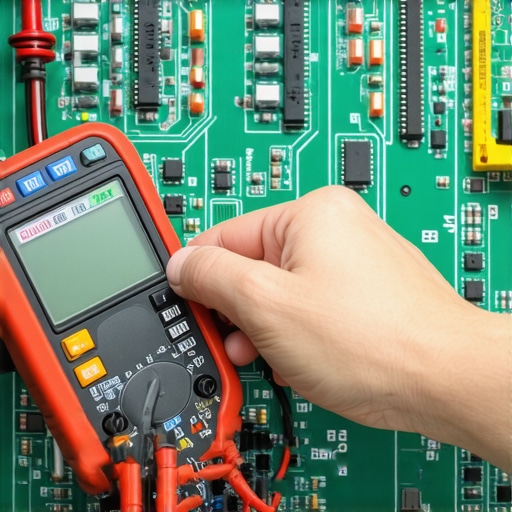
Remember, the key to long-term appliance health is consistent, informed maintenance. Try integrating a smart diagnostic tool into your toolkit this month—it’s a game changer in catching issues early and ensuring your appliances serve you well for years to come.
The Hard-Knocks of Troubleshooting Pitfalls
One of my toughest lessons was rushing into part replacements without thorough testing, only to find I replaced a control board when the real culprit was a clogged filter. It taught me to always verify simpler issues first, saving time and money. Another insight came from realizing that symptoms like strange noises often stem from overlooked minor components, such as loose wires or debris, rather than always jumping to expensive parts. These experiences reminded me that patience and a systematic approach trump guesswork, ultimately leading to more confident repairs.
My Top Tools for a Troubleshooting Arsenal
A high-quality digital multimeter has become my trusted companion, providing reliable readings to identify faulty components quickly. I also swear by a flexible inspection mirror to see into tight spaces and a smartphone-connected diagnostic device that offers real-time analysis, making diagnostics more accurate and less stressful. A comprehensive repair guide, like this resource, has saved me countless hours navigating complex systems. These tools have transformed my approach from guesswork to precision, empowering me to tackle repairs with confidence.
Embrace the Journey of Smarter Repairs
Every appliance repair is an opportunity to learn more and refine your skills. Don’t let initial setbacks discourage you—each challenge enhances your diagnostic intuition. As technology advances, tools like smart diagnostic devices will make troubleshooting even more accessible, so stay curious and keep experimenting. Remember, mastering appliance diagnostics isn’t about perfection but about consistent improvement. Your next successful repair could be just a test away—keep pushing forward and enjoy the satisfaction of a job well done.
Melissa Carter
Reading through this post really resonated with me because I used to jump straight into replacing parts whenever my dishwasher acted up, often without proper diagnostics. It was only after some costly missteps that I realized how powerful a systematic troubleshooting approach can be. I started using a multimeter to test components like the float switch and door latch, which saved me a lot of time and money. It’s interesting how many small issues—like debris blocking spray arms or clogged filters—can cause big problems, sometimes fooling us into thinking a major part is at fault. I’ve also invested in a Wi-Fi-enabled multimeter, which allows me to monitor voltage remotely—I had a recent issue with my oven that I caught early this way. I’d love to hear from others: have you tried integrating smart diagnostic tools into your routine? Do you find they’re worth the investment in the long run?