I was balancing a piping hot lasagna dish in my left hand while reaching for the oven handle with my right. The moment I unlatched it, the door didn’t just glide—it plummeted. It hit the bottom stops with a bone-jarring clack that I felt in my teeth. My golden retriever, who usually lurks for scraps, hasn’t stepped foot in the kitchen since. It is genuinely terrifying when an appliance you trust suddenly starts acting like a loose cannon. If your oven door is racing toward the floor every time you open it, you aren’t just dealing with a noisy annoyance; you’re dealing with a heavy piece of steel and glass that is one bad drop away from a disaster.
Stop the Slam Before Someone Gets Hurt
I have spent years tinkering with oven repair essentials and diagnostic tricks, but I remember a time when I thought I could solve everything with a can of grease. I once spent an hour lubing up the hinges thinking they were just ‘stuck,’ but all I did was create a slippery mess while the door continued to fall like a ton of bricks. The reality is that when a door drops too fast, the tension system has failed. According to data from the Association of Home Appliance Manufacturers (AHAM), modern oven doors can weigh upwards of 30 pounds. That is a lot of force to be left unchecked by worn-out springs. Learning the nuances of identifying a failed door hinge on a wall oven is the first step to reclaiming your kitchen’s safety.
Is fixing the door yourself actually safe?
You might be wondering if you should just live with the ‘careful lower’ method or if you really need to get your hands dirty. Trust me, the ‘manual assist’ method fails the moment you’re distracted by a timer or a boiling pot. One slip of the hand and you’re looking at replacing a cracked oven window, which is a much pricier fix than some simple hardware. Much like when a dishwasher door spring suddenly snaps, the physics of a heavy door require functioning counter-tension to operate safely. Have you ever had a close call where the oven door nearly took out your toes? Today, we are going to dive into the ‘why’ behind this failure and get you ready to handle replacing an oven door hinge receiver or adjusting those springs. We’ll also touch on why your oven door won’t stay shut properly, as these two problems are often two sides of the same worn-out coin. It’s time to stop the slamming and get that smooth, controlled motion back.
Expose the Tension System Behind the Cabinet
To fix a door that’s trying to crush your toes, you have to get behind the scenes. Most people assume the magic happens inside the door, but the real muscle is tucked away in the chassis of the appliance itself. Start by pulling your oven out from the wall. This is a two-person job unless you have a set of appliance rollers. Once it is clear, you will usually find the side panels held on by a few 1/4-inch hex screws or Phillips heads. This stage of oven diagnostics is where most DIYers get intimidated, but it is essentially just like opening a computer case. I remember my first time working on an old Frigidaire; I removed every screw I could see, but the panel wouldn’t budge. I ended up yanking so hard I sliced my palm on the razor-sharp edge of the galvanized steel. Turns out, there was a hidden plastic clip near the top. Wear your work gloves, folks. If you have ever looked into dishwasher parts, you know how these hidden mounting clips love to hide. 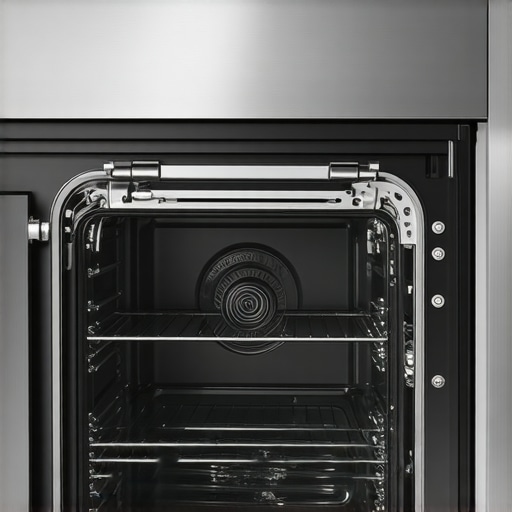
Inspect for Stretched Springs and Broken Hooks
With the side panels off, you can finally see the tension springs. These act like the hamstrings of your oven door. If a spring has snapped, the door loses all its ‘braking’ power instantly. Often, you’ll find that the hook on the end of the spring has sheared off, or the mounting point on the frame has bent under years of stress. If the springs look physically intact but the door still feels heavy, the metal has likely ‘fatigued.’ This means the steel has lost its elastic memory from years of heat exposure. It is a common phenomenon in older units where the ambient heat from the oven has slowly tempered the spring steel over a decade. While you are in there with your tools, you might also want to look at testing oven continuity on a budget if you have also been having issues with the door sensor or the interior light not registering when the door is closed.
Replace the Hinge Receiver for a Controlled Glide
Sometimes the spring is perfectly fine, but the hinge receiver—the specific slot where the door arm inserts into the oven frame—is wallowed out. Think of it like a door hinge on a house that has been pulled loose from the wood; no amount of grease will make it swing straight again. You will need to unbolt the old receiver from the inner frame and slide the new one in. It is a tight squeeze, and you might feel like you need three hands to align the bolts while holding the spring tension. Don’t forget the ‘mousetrap’ rule: most hinges have a locking flip-lever. If you don’t lock these before you pull the door off, the hinge can snap shut with enough force to break a finger. If you find yourself staring at a pile of screws and a door that won’t align, it might be the moment for when to skip the diy and call a professional oven technician, especially if the frame itself is warped. Replacing these parts is a direct way to restore that smooth, factory-grade resistance to your oven door.Most DIY guides tell you that a bit of WD-40 or white lithium grease will fix a squeaky or stiff hinge. I am here to tell you that in the world of high-heat appliances, that is a recipe for disaster. Unlike the hinges on your front door, oven hinges operate in an environment where temperatures routinely fluctuate by hundreds of degrees. Standard lubricants can carbonize, turning into a gritty sandpaper-like substance that actually accelerates wear on the metal. This is the nuance of oven repair essentials that most people miss. If you have been greasing your hinges and wondering why they still feel ‘crunchy,’ you have likely created a grinding compound. Stop. Clean them with a dry cloth and focus on the mechanics instead.
Why does my oven still leak heat even after I replaced the hinges?
This is a question I get all the time. You swap the parts, the door stays up, yet you still feel a draft or notice that your oven burns the bottom of everything you bake. The hidden nuance here isn’t the hinge itself, but the receiver and the oven frame. Over years of use, or if the door was used as a step-stool by a toddler, the mounting holes in the thin sheet metal of the oven frame can wallow out. If the frame is even a millimeter out of square, you will never get a perfect seal. According to the Professional Service Association (PSA), thermal expansion in modern thin-walled ovens can cause temporary warping that mimics a failed hinge. This is a level of oven diagnostics that separates the pros from the amateurs.
The Self-Clean Cycle Trap
Here is the ‘Oops’ factor nobody talks about: the self-clean cycle. While it is great for getting rid of burnt-on lasagna, the 800-plus degree temperatures are brutal on spring steel. I have seen perfectly good springs lose 20% of their tension after a single long self-clean session because the heat essentially ‘tempers’ the metal, making it softer and less elastic. This is a common culprit when you are solving the mystery of why your oven bakes unevenly; a sagging door lets heat escape from the top, causing the bottom elements to work overtime. Before you go testing oven continuity on a budget to find a heating fault, check if your door is sitting just a hair too low after your last deep clean. If you find that your frame is warped or the repair requires structural work, that is when to skip the diy and call a professional oven technician. Have you ever fallen into this trap where a simple fix turned into a nightmare because of a hidden detail? Let me know in the comments.I keep a dedicated tool bag in my pantry, and the crown jewel isn’t a wrench—it’s a high-quality digital multimeter. Most folks think a visual check is enough, but electricity is invisible. I use a model with a low-impedance mode because it prevents ghost voltages from giving me a false reading when I’m checking if a control board is actually sending power to a heating element. If you’re serious about oven diagnostics, you need to move beyond guessing and start measuring. I remember a neighbor who replaced three perfectly good heating elements because he didn’t realize a simple relay on the board was the culprit. A quick application of multimeter tricks for diagnosing a dead control board would have saved him $200 and a week of microwave meals. It’s about having the right data before you start tearing things apart. 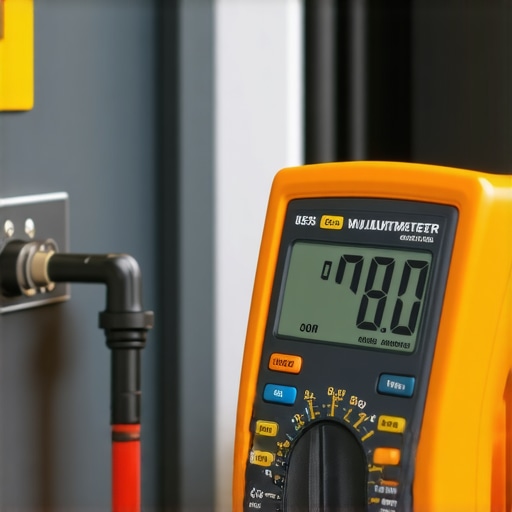
How can I keep my appliance hardware from wearing out again?
Maintenance isn’t just about cleaning; it’s about mechanical sympathy. For oven hinges, the best thing you can do is avoid ‘the drop.’ Never let the door fall under its own weight, even if the springs feel strong, as this shock-loading is what eventually shears the metal hooks. For dishwashers, it’s all about the dishwasher parts that interact with hard water. Scale buildup is the silent killer of seals and pumps. I recommend a monthly descaling cycle to keep the rubber gaskets from becoming brittle and snapping. According to the GE Technical Service Guide for wall ovens, hinge receivers should be inspected for lateral play exceeding 3mm; any more than that, and you’re risking a frame misalignment that no new hinge can fix. By staying ahead of these small shifts, you can turn a five-year appliance into a fifteen-year one. This is the core of oven repair essentials: catch the wear before it becomes a breakage.
Where Kitchen Tech is Heading Next
We are entering an era of truly ‘self-diagnosing’ hardware. In the next five years, I predict we will see dishwasher and oven parts equipped with NFC tags that you can scan with your phone to get an instant health report on a component’s remaining lifespan. We’re already seeing the beginnings of this with smart error codes, but the future will be more granular, allowing you to identify dishwasher faults before they result in a flood. Until then, we rely on our tools and our senses. I want you to try one thing this weekend: pull out your multimeter and perform testing your oven temperature sensor just to see where it stands. You might be surprised at how much ‘drift’ your oven has developed over the years.
The Brutal Lessons I Learned from Snapped Springs
One thing nobody tells you is that when one spring goes, the other is usually seconds behind it. I used to try and save a few dollars by replacing only the visibly broken side, but I quickly learned that an imbalanced door puts an incredible amount of torque on the new part, causing it to fail in weeks. Metal fatigue is a cumulative process. If your door is dropping, you are not just fighting gravity; you are fighting the structural decay of the hinge assembly. I have realized that identifying a failed door hinge on a wall oven is about more than just looking for a break—it is about feeling for that lack of resistance halfway through the swing. Always replace them in pairs to ensure the tension is even across the entire frame.
The Small Toolbox That Saves My Toes
You do not need a truck full of equipment to master oven repair essentials, but you do need precision. I never start a job without my digital multimeter—not just for checking elements, but for ensuring I have not knocked a ground wire loose during the struggle with the side panels. If you want to level up your repair game, look into multimeter tricks for diagnosing a dead control board to ensure your door switch is actually communicating with the brain of the machine. I also highly recommend a pair of locking pliers to hold those high-tension springs in place while you align the receivers. It is the difference between a 20-minute fix and a frustrating afternoon. This same level of mechanical respect applies when you are handling dishwasher parts or any heavy spring-loaded system.
#IMAGE_PLACE_HOLDER_E#
Stop Living with the Slam
Your kitchen should be a place of creation, not a place where you are afraid to open the oven. Fixing a dropping door is one of the most satisfying DIY projects because the result is tactile; you feel that smooth, buttery resistance every time you check on a bake. Whether you are troubleshooting heating elements or performing deep oven diagnostics, the key is to respect the mechanics and use the right data. Reclaiming your kitchen’s safety is worth the effort, and it prevents much costlier repairs down the road. Did your oven door start dropping suddenly after a high-heat self-clean cycle, or has it been a slow, heavy decline over the years? Let me know in the comments below!