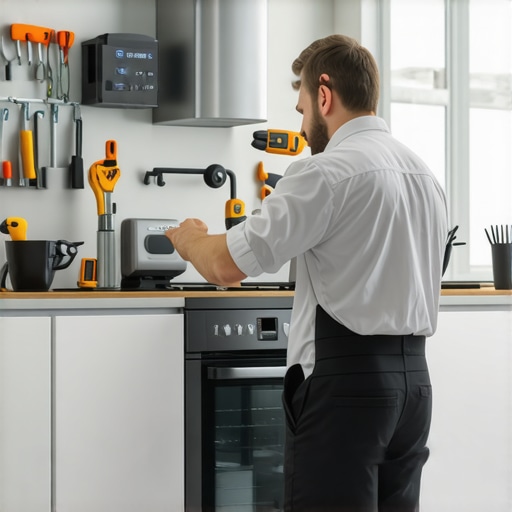
Ever been halfway through baking a cake or roasting vegetables when your oven suddenly refuses to heat up? That sinking feeling of helplessness hits hard. I remember the first time I faced this nightmare—my oven just stopped working out of nowhere, and I was clueless about where to start. It was frustrating, embarrassing even, because I thought I was supposed to call in a pro for every little hiccup. Turns out, with a little know-how about diagnostics and the right parts, you can fix many issues yourself, saving time and money.
Why Knowing Your Oven’s Insides Can Save You Big
Getting familiar with your oven’s diagnostic process and essential parts is like having a trusted neighbor who’s always ready to lend a hand—or a tool. Early on, I made the mistake of guessing what was wrong without proper diagnostics. That led me to replace parts unnecessarily, wasting money and time. Now I know better. The key is understanding what components are responsible for heating, and how to quickly identify which one’s acting up. For example, a faulty heating element or thermostat can be the culprit, and knowing how to test these can get your oven back in action faster than waiting for a repair appointment.
And here’s a surprising fact: according to appliance repair experts, many common oven issues can be diagnosed and fixed with a handful of simple tools and parts, like a multimeter and replacement heating element. You don’t need to be a professional technician—just a bit of confidence and the right guidance. Want to dive into the essentials? Check out this guide for a comprehensive overview of diagnostics and parts that make quick repairs possible.
So, let’s get started on how you can identify problems early, choose the right parts, and perform repairs with confidence. If you’ve ever faced an oven that refuses to heat or keeps cutting out, you’re not alone. Keep reading, and I’ll show you how to troubleshoot like a pro.
Will Diagnostics Really Save Me Time and Money?
Trust me, I’ve been there. Early on, I thought I could just replace parts at random, hoping to hit the jackpot. Big mistake. I learned that proper diagnostics can pinpoint the exact problem, preventing unnecessary purchases and guesswork. Plus, tackling small fixes yourself is empowering—and it’s usually faster than waiting days for a technician. For detailed strategies, visit this article that covers diagnostic tips for faster fixes.
Test the Heating Element Directly
When my oven refused to heat, I first checked the heating element. Imagine it as the filament in a light bulb—if it’s broken, no light, no heat. To test it, I unplugged the oven, removed the back panel, and disconnected the element. Using a multimeter, I set it to ohms and touched the probes to the element terminals. A reading close to zero indicated continuity; no reading meant the element was dead. I replaced it with a compatible part from this guide. This straightforward test saved me from unnecessary guesswork and got my oven heating again quickly.
Check the Thermostat and Limit Switches
The thermostat acts like a thermostat in a house—regulating temperature. If it’s faulty, the oven might not turn on or could overheat. I located the thermostat, usually behind the control panel, and tested it with a multimeter. When cold, it should have continuity; when heated, it should break. If it doesn’t behave as expected, replacing the thermostat is a good move. This step is crucial because many issues stem from these small but vital components. For detailed troubleshooting, visit this diagnostic guide.
Inspect and Replace the Igniter
If your oven has a gas ignition system, the igniter is essential. Think of it as a spark plug in a car—without it, the gas won’t ignite. I watched for a glowing glow—if it doesn’t glow or stays faint, it’s likely dead. To test, I unplugged the igniter and checked for continuity with a multimeter. A dead igniter needs replacing, which I ordered from this resource. It’s a simple fix that can restore your oven’s function in minutes.
Use a Multimeter to Diagnose Power Supply Issues
Sometimes, the problem isn’t the parts but the power supply. I checked the outlet and cord, testing for voltage with my multimeter. If there’s no power, fixing the socket or replacing the cord is necessary before digging deeper. Think of it like checking if your car has gas before diagnosing engine issues. This step often reveals easy fixes that prevent unnecessary part replacements. For more on diagnosing electrical problems, see this guide.
Replace Faulty Parts Systematically
Once I identified the faulty component—be it the heating element, thermostat, or igniter—I ordered the exact replacement. I always double-checked part numbers, matching them to my oven’s model. Swapping parts is usually straightforward: disconnect the old, connect the new, and test. If your oven still isn’t working, revisit the diagnostics to ensure you didn’t miss anything. Remember, systematic testing saves money and prevents unnecessary replacements, just like troubleshooting a car engine step-by-step.
Many homeowners approach appliance repair with a mix of assumptions and myths that can lead to costly mistakes. Let’s dig deeper into what most people get wrong when diagnosing and fixing dishwashers, ovens, and other kitchen appliances. By understanding these nuances, you can avoid traps and perform smarter, more effective repairs.
Why Everyone Believes in the Quick Fix Myth
A widespread misconception is that replacing the most visible or familiar parts—like the heating element or control panel—will instantly fix the problem. In reality, appliances are complex systems, and issues often stem from overlooked components such as sensors, wiring, or control boards. For example, some think that a broken heating element is always the culprit when the oven doesn’t heat. But, as experts point out, faulty thermostats or even power supply issues can mimic this failure. Rushing to replace parts without proper diagnostics often results in wasted money and frustration.
Beware the Assumption That All Parts Are Interchangeable
Many believe that parts from different brands or models can be swapped freely. This is a dangerous trap. Each appliance has specific components calibrated for its design. Using incompatible parts can cause further damage or safety hazards. For instance, installing a dishwasher pump meant for another model might not fit correctly or operate at the required pressure. Always double-check part numbers and consult your appliance’s diagnostic guides, such as this resource, to ensure compatibility.
Advanced Troubleshooting Can Save You Time
One common mistake is skipping detailed diagnostics and jumping straight to parts replacement. This approach is like shooting in the dark. Advanced diagnostics—using tools like multimeters and circuit testers—can precisely identify whether the issue lies with wiring, sensors, or control boards. For example, testing the continuity of a dishwasher’s door latch or the voltage output of a power supply can reveal hidden faults that simple visual inspections miss. This nuanced approach not only saves money but also deepens your understanding of appliance mechanics.
Why Misdiagnosing Can Be Dangerous
Attempting repairs without understanding the root cause can lead to safety hazards, especially with electrical components. Misdiagnosing a wiring issue as a broken thermostat might cause you to handle live wires improperly, risking electric shocks. Moreover, replacing parts unnecessarily can void warranties or cause further damage, leading to more expensive repairs. Always take a systematic approach—test, verify, then replace. If you’re unsure, consult detailed guides like this diagnostic guide.
Have you ever fallen into this trap? Let me know in the comments!
Invest in Quality Diagnostic Tools for Reliable Repairs
One of my go-to investments is a high-quality digital multimeter. Not only does it allow me to precisely test electrical components like thermostats, heating elements, and wiring, but a good multimeter also offers durability and accuracy that cheap models can’t match. I personally prefer models with auto-ranging features, which save time by automatically selecting the correct measurement range—crucial when diagnosing complex appliance circuits. For example, when testing a dishwasher’s wiring harness, an accurate multimeter helps me quickly identify broken connections or faulty sensors without guesswork.
Beyond the multimeter, I recommend keeping a set of insulated screwdrivers and a precision socket set. These tools make disassembly safer and more efficient, especially when working with tight spaces or delicate components. Having these on hand minimizes damage and speeds up the repair process, ensuring your appliances stay in top condition over the years.
Adopt Preventive Maintenance Practices
Regularly inspecting and cleaning key parts can significantly extend your appliance’s lifespan. For ovens, this means checking the door seals, cleaning the oven cavity, and testing the thermocouple or igniter if applicable. For dishwashers, I suggest inspecting and cleaning filters, spray arms, and door latches. Doing so prevents buildup that can cause overheating, leaks, or inefficient operation. Scheduling a quarterly maintenance routine helps catch issues early—saving you money and hassle in the long run.
In addition, replacing worn parts proactively is a smart strategy. For example, replacing a thermostat or heating element before it fails completely ensures your oven maintains consistent temperatures and prevents sudden breakdowns. For detailed guidance on which parts to monitor and when to replace them, check out this comprehensive resource.
Master Long-Term Upkeep With Proper Storage and Usage
Proper storage when appliances are not in use, such as covering or shielding from dust and moisture, helps maintain their components. Additionally, adopting smart usage habits—like avoiding overloading dishwashers or setting oven temperatures correctly—reduces unnecessary strain on parts. Making small adjustments in how you operate your appliances can significantly improve their longevity and performance.
Looking ahead, I believe the trend is moving toward smarter diagnostics with IoT integration. Future appliances will likely come equipped with self-monitoring systems that alert homeowners to potential issues before they escalate. Nevertheless, having your own reliable diagnostic tools and maintenance routines remains invaluable—especially when quick fixes are needed in a pinch.
How do I maintain my appliances over time?
Consistency is key. Regular inspections, cleaning, and proactive part replacements keep your appliances running smoothly. Invest in quality diagnostic tools—like an accurate multimeter—and learn to perform simple tests yourself. This empowers you to troubleshoot effectively and avoid costly repairs. Remember, taking care of your appliances today ensures they serve you well for years to come. Try setting up a quarterly maintenance schedule and see how much longer your dishwasher or oven remains in peak condition.
Lessons That Changed My Approach to Oven Repair
One of the biggest lightbulb moments I experienced was realizing that my initial guesswork cost me both time and money. I used to believe that replacing the most obvious parts, like the heating element, would fix everything. Now I understand that thorough diagnostics can reveal hidden issues like faulty thermostats or wiring problems that mimic more obvious faults. This insight saved me from unnecessary replacements and made me more confident in troubleshooting.
Another lesson I learned the hard way: not all parts are interchangeable. Using incompatible components from different brands or models can cause more damage. Double-checking part numbers and consulting detailed diagnostic guides, such as this resource has been invaluable in ensuring compatibility and safety.
Finally, I discovered that investing in quality diagnostic tools like a digital multimeter isn’t just a luxury—it’s essential. Accurate testing of components like thermostats and igniters can make or break a repair. Learning to interpret multimeter readings correctly has empowered me to perform repairs confidently and efficiently.
My Top Tools and Resources for Oven DIY Fixes
Over time, I’ve curated a toolkit that makes diagnostics and repairs smoother. First, a high-quality digital multimeter with auto-ranging capabilities is my go-to for electrical tests. I trust models that are durable and precise, like the ones I found recommended in this guide.
Next, a set of insulated screwdrivers and a precision socket set helps me disassemble and reassemble with care, especially in tight spaces. To stay ahead, I also follow detailed diagnostic guides that focus on key parts, such as this comprehensive resource.
Lastly, I find that keeping spare parts like thermostats and heating elements from trusted suppliers ensures I can fix issues promptly without waiting for shipping. Having these essentials on hand turns a potential breakdown into a quick fix, saving me time and stress.
Take Action and Keep Your Oven Running Smoothly
The future of appliance repair is bright, with smarter diagnostics and easier fixes becoming more accessible. But the most powerful tool remains your willingness to learn and experiment. With the right diagnostic approach and quality tools, you can maintain your oven’s health and avoid costly repairs down the line.
Now, I encourage you to try diagnosing your oven issues yourself. It’s empowering and can save you a lot of money. What’s one repair step you’re excited to try next? Drop your thoughts below—I’d love to hear about your experiences!
Sophia Carter
Reading this article really resonated with my own experience—saving money on repairs by diagnosing rather than guessing. I once thought that replacing the heating element would solve my oven’s failure to heat, only to find out later that a faulty thermostat was the real issue. It’s surprising how many small components can cause these problems, and having a good multimeter has been a game-changer for me. Once I started testing various parts, I gained much more confidence in fixing appliances myself. The advice about systematic troubleshooting really stood out; rushing to replace parts can be costly and ineffective. I’m curious, has anyone experienced a situation where the circuit board or wiring was the actual culprit, even when the visible parts looked fine? I’d love to hear how you diagnosed and tackled that kind of problem—sometimes, the unseen issues are the trickiest.