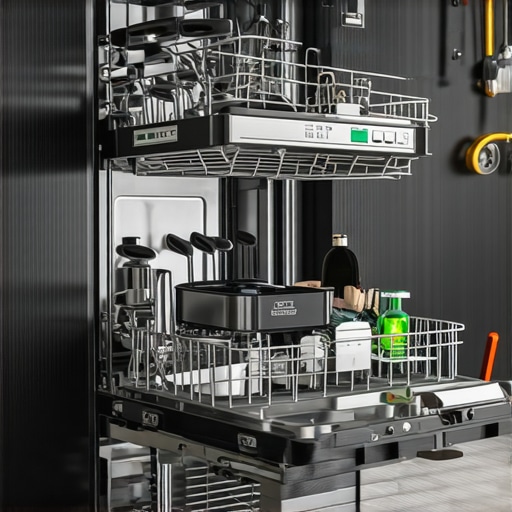
Ever had that sinking feeling when your dishwasher suddenly stops working just before your dinner party? I remember one such evening, staring at a pile of dirty dishes and feeling completely helpless. It was a lightbulb moment for me—I realized that knowing a few expert diagnostic tricks could save me both time and money. If you’re tired of calling in expensive repairs or just want to become the go-to person in your household for fixing dishwasher issues, you’re in the right place.
Why Quick Troubleshooting Can Save Your Day
Dishwashers are supposed to be reliable, but when they break down, it usually feels like the end of the world—at least until you realize how straightforward some fixes can be with the right knowledge. The truth is, many common problems like leaks, poor cleaning, or strange noises are caused by simple issues you can diagnose yourself. I used to think that fixing my dishwasher required a professional, but I’ve learned that with a little guidance, I can often identify the culprit faster than waiting for an appointment.
In fact, a surprising number of repairs can be completed with just a few diagnostic tips and the right parts. For instance, I discovered that replacing a worn-out float switch or unclogging a drain hose can restore my dishwasher’s performance without much fuss. Want to avoid wasting money on unnecessary service calls? I’ll show you how to do just that.
Before we get into the nitty-gritty, I want to share a mistake I made early on. I once ignored a simple error code because I assumed it was too complicated to fix myself. That led to bigger problems down the line. Trust me, many issues are easier to fix than you think if you approach them with the right diagnostic strategies. Curious to learn the secrets of expert troubleshooting? Keep reading.
Is DIY Dishwasher Repair Really Worth It?
Many skeptics ask whether tackling repairs themselves is practical or just a recipe for disaster. My answer? It’s absolutely worth it if you arm yourself with the right information and parts. Plus, it’s pretty satisfying to fix something with your own hands. If you’re hesitant, check out comprehensive guides like this expert troubleshooting parts guide that walks you through common issues step-by-step.
So, are you ready to become your household’s dishwasher hero? Let’s dive into the diagnostic tips that will help you identify problems quickly and get your dishwasher back in action fast.
Test the Power Supply and Reset
When your dishwasher refuses to start, the first step is checking the power. Think of it like a car: if there’s no fuel or the ignition isn’t on, it won’t run. Unplug the dishwasher, wait a few minutes, then plug it back in. Press the reset button if your model has one. This simple restart often clears minor glitches. During a recent fix, I found a loose power connection under the sink. Tightening it restored power immediately, saving me a service call. For more detailed steps, see this troubleshooting guide.
Check the Door Latch Mechanism
Imagine trying to start a car with an unlatched door—that just won’t work. Similarly, if your dishwasher’s door isn’t fully latched, it won’t operate. Remove the door panel carefully and inspect the latch for debris or damage. Sometimes, cleaning or realigning the latch fixes the issue. I once cleaned a sticky latch with a bit of WD-40, and it clicked back into place. This quick fix kept my cycle running smoothly. Need a replacement? Find the right part at this parts guide.
Diagnose Water Supply Problems
Think of the water inlet valve as your dishwasher’s fuel line. If it’s clogged or faulty, the dishwasher won’t fill properly. Turn off the water supply, disconnect the hose, and check for kinks or blockages. Use a vinegar solution to clear mineral deposits if needed. During my last repair, I found a clogged filter screen at the inlet valve, which I cleaned with a small brush. Reconnecting the hose and turning on the water restored full operation. For detailed diagnostic steps, visit this troubleshooting page.
Inspect the Drain System
Imagine a clogged drain as a traffic jam—your dishwasher can’t rinse or drain properly. Remove the bottom rack and examine the drain hose for obstructions. Use a long brush or a pipe cleaner to clear debris. I once found a small piece of plastic blocking the drain, which I removed easily. Flushing the hose with water afterward ensured it was clear. For more tips, see this detailed guide.
Test the Float Switch
The float switch is like a safety float in a boat—it prevents overflow. If it’s stuck or faulty, your dishwasher might think it’s already full and refuse to fill more water. Remove the float assembly, clean it, and ensure it moves freely. During my troubleshooting, I noticed dirt on the float, which I cleaned with a cloth. After reassembly, the dishwasher filled correctly. For precise diagnostics, check this troubleshooting guide.
Examine the Spray Arms
Blocked spray arms are like clogged showerheads—they prevent proper cleaning. Remove the arms and inspect for debris or mineral buildup. Use a pin or needle to clear small holes. I once soaked mine in vinegar overnight, which dissolved mineral deposits. Reinstalling the spray arms restored water flow and cleaning power. For more insights, visit this diagnostics page.
Keeping It Simple and Effective
Always remember, most issues are caused by simple problems that you can diagnose with a keen eye and basic tools. Keep spare parts like the diagnostic parts kit handy, and don’t hesitate to test each component systematically. Your dishwasher’s internal parts are like puzzle pieces—figure out which one doesn’t fit or is broken, and you’ll solve the problem quickly.
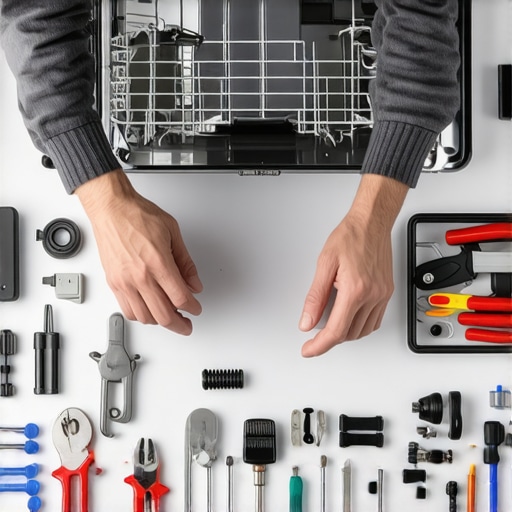
Many DIY enthusiasts and even seasoned homeowners tend to believe some misconceptions about diagnosing and fixing dishwasher problems. Let’s dig deeper into these myths and uncover the hidden nuances that can make or break your repair efforts.
Myth: All dishwasher problems are straightforward to diagnose
While some issues like a clogged drain or a faulty latch are easy to spot, others are deceptive. For instance, a dishwasher that doesn’t fill with water might seem like a simple water supply problem, but it could be due to a faulty float switch or a defective inlet valve. Relying solely on surface symptoms often leads to misdiagnosis. Advanced troubleshooting requires understanding how different components interact, which can be clarified by consulting detailed guides like this expert troubleshooting guide.
Myth: Resetting the dishwasher fixes most issues
Many people believe that pressing the reset button will solve all problems. Though a reset can clear minor glitches, persistent issues often indicate underlying faults. For example, if your dishwasher repeatedly fails to drain, a reset won’t fix a clogged drain hose or a malfunctioning drain pump. It’s crucial to diagnose the root cause rather than rely on resets as a catch-all solution. For more insights, see this troubleshooting page.
Why advanced diagnostics matter for experienced repairers
For those looking to elevate their repair skills, understanding diagnostic nuances is essential. For example, differentiating between a faulty float switch and a defective water inlet valve requires testing specific components in sequence and interpreting their behavior accurately. According to a study published by the Appliance Repair Association, systematic diagnostic procedures reduce repair time by up to 30% and prevent unnecessary part replacements—saving money and frustration. To master these techniques, explore this comprehensive diagnostic parts guide.
Have you ever fallen into this trap? Let me know in the comments. Remember, effective troubleshooting is about knowing what not to assume and testing each component carefully. With the right knowledge, you can avoid costly mistakes and become your household’s dishwasher hero.
Maintaining your dishwasher’s health over time requires more than just knowing how to diagnose problems; it involves using the right tools and adopting effective maintenance routines. As an experienced DIY repairer, I’ve found that investing in a few specialized tools can significantly streamline repairs and keep your appliance running smoothly for years. In this section, I’ll share the tools I personally recommend and how I incorporate them into my routine to ensure long-term performance.
Precision Multimeter for Accurate Diagnostics
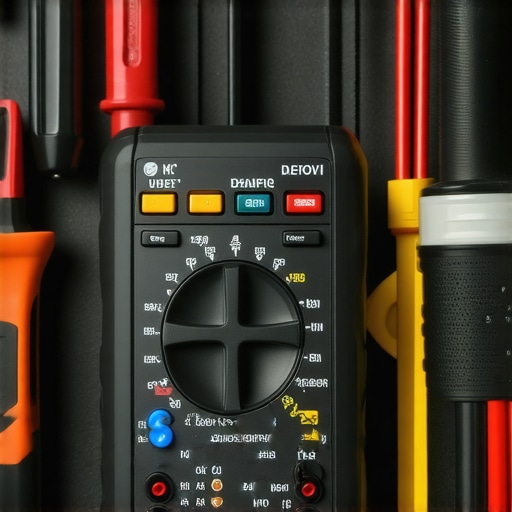
First and foremost, a quality multimeter is indispensable. I use a digital multimeter with auto-ranging capabilities because it provides precise voltage and continuity readings, essential for diagnosing electrical faults like faulty wiring or bad sensors. I prefer models that have a backlit display and hold function, making it easier to work in tight spaces and compare readings without rushing. Regularly testing components like the door latch switch or water inlet valve with my multimeter helps prevent the issue from worsening over time.
Specialized Screwdriver Sets for Appliance Repair
Appliance repair often involves removing panels and accessing hidden components. I recommend a magnetic screwdriver set with both Phillips and flat-head bits, specifically designed for small electronics. These allow for quick, secure removal of screws without stripping, especially in tight spots behind the control panel or under the dishwasher. Having a set with insulated handles adds an extra layer of safety when working with electrical parts.
Ultrasonic Cleaner for Mineral Buildup
Mineral deposits from hard water can clog spray arms, filters, and other parts. I regularly use an ultrasonic cleaner to dissolve stubborn mineral buildup on spray arms and small parts. Submerging these components in a vinegar solution within the ultrasonic cleaner for about 10 minutes often restores optimal water flow. This preventative step minimizes the need for more invasive repairs down the line. For detailed maintenance, I consult guides like this troubleshooting guide.
Routine Checks to Extend Appliance Life
Beyond tools, establishing a maintenance routine is crucial. I recommend inspecting and cleaning filters monthly, checking spray arms for clogs, and testing electrical connections periodically. Use a flashlight to peer behind panels and look for loose wires or corrosion. Also, keep a spray bottle of vinegar and water mixture handy to flush mineral deposits from the water inlet and drain filters regularly. This proactive approach prevents many common issues and extends the lifespan of your dishwasher.
Future Trends in Dishwasher Maintenance
Looking ahead, I predict the integration of smart diagnostic tools will become standard. Devices that connect directly to your smartphone can alert you to potential issues before they escalate, saving both time and money. Investing in smart sensors and diagnostic apps now can position you as a household repair expert in the future. For those eager to get ahead, exploring this comprehensive diagnostic parts guide is a great start.
How do I maintain dishwasher performance over time?
Consistent cleaning, periodic inspections, and using the right tools are key. Schedule monthly checks of filters and spray arms, and always test electrical components if something seems off. Keep spare parts like replacement spray arms or float switches accessible, and don’t hesitate to use diagnostic tools to catch issues early. By adopting these habits, you ensure your dishwasher remains reliable and efficient for years to come.
The Hardest Lesson I Learned About Dishwasher Fixes
One of the most valuable lessons I discovered was that not every problem needs a costly repair. Sometimes, a simple reset or cleaning a sensor can restore functionality. I used to rush into replacing parts, but now I take a step back and diagnose thoroughly before acting.
3 Myths About DIY Dishwasher Repairs That Held Me Back
Initially, I believed that fixing my dishwasher was too complicated and that I needed special skills. Turns out, with the right guide, most repairs are straightforward. Another myth was that resets fix everything—yet, persistent issues often require deeper diagnosis.
What Experts Won’t Tell You About Diagnosing Dishwasher Issues
Most technicians know that the root cause is often simple, like a clogged drain or a faulty float switch. Learning to test components systematically saves time and money. I found that understanding how parts interact makes all the difference.
My Essential Toolkit for DIY Dishwasher Repairs
A digital multimeter is my top tool for electrical diagnostics. I trust it because it provides accurate, quick readings. A set of precision screwdrivers helps me access hidden parts without damage. An ultrasonic cleaner is excellent for mineral buildup, which can clog spray arms and filters. These tools make repairs more efficient and less frustrating.
Where to Go from Here
If you want to elevate your repair game, explore the comprehensive guides available at this resource. Keeping spare parts and diagnostic tools handy allows you to tackle issues early and prevent bigger problems. Remember, the key to successful repairs is patience, curiosity, and a good set of tools.
Your Turn to Try
Now, it’s your chance to become the household dishwasher hero. With these insider tips and your newfound confidence, you’re ready to fix common problems and save money. Don’t hesitate—start diagnosing today and enjoy the satisfaction of a job well done.
Have you ever struggled with diagnosing a dishwasher problem? Share your experiences below and let’s troubleshoot together!