I remember the exact moment the frustration hit. I opened my dishwasher, and instead of the usual smooth glide of the door, a sudden heavy thud echoed as it collapsed halfway open. To my dismay, I discovered the spring that holds the door in place had snapped. There I was, elbow-deep in kitchen chaos, realizing that what seemed like a minor part had turned into a full-blown repair project overnight.
Don’t Let a Broken Spring Ruin Your Day
If you’ve ever found yourself wrestling with a stubborn dishwasher door that won’t stay shut or suddenly drops with a loud bang, you’re not alone. These springs are crucial for smooth operation and safety, yet they often go unnoticed until disaster strikes. The good news? Replacing a snapped dishwasher door spring isn’t as daunting as it might seem. Today, I’ll walk you through my personal experience and show you how easy it can be to get your dishwasher back in action.
Is Replacing the Spring Really Worth the Hassle?
Here’s a truth I learned the hard way: ignoring a broken door spring can lead to more serious issues, including water leaks or damage to the door hinges. Early intervention can save you from costly repairs down the line. Plus, tackling this fix yourself can be surprisingly straightforward, saving you both time and money. Just be cautious—one common mistake I made early on was attempting to force the door open without releasing tension properly, which risked further damage. For more insights on related repairs, check out this guide on dishwasher issues.
Now, let’s get into the practical steps to replace that sneaky broken spring and restore your dishwasher’s functionality. Trust me, once you see how simple it is, you’ll wonder why you ever hesitated.
.
Secure the Dishwasher Before You Begin
Start by unplugging your dishwasher from the power source to avoid electrical hazards. Turn off the water supply if necessary. Use a screwdriver to open the door completely and locate the broken spring. Picture it as the hinge’s lifeline—once it snaps, the door’s stability is compromised, just like when I first experienced that loud thud after the spring snapped.
Remove the Damaged Spring
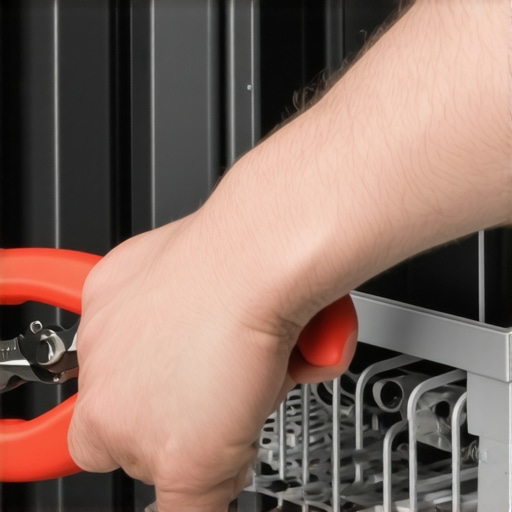
Carefully detach the broken spring from its mounting point, which is typically at the top or side of the door. Use pliers if needed. Remember, springs are under tension, so handle with caution—think of it as releasing a stretched rubber band slowly to prevent it from snapping back unexpectedly. During my first attempt, I failed to release tension properly, causing a quick rebound that nearly hit my face, so proceeding cautiously is key.
Select the Correct Replacement Spring
Identify the spring model compatible with your dishwasher. Cross-reference the part number or take the broken spring to an appliance parts store. I once purchased a spring that was slightly longer, which caused the door to sag—so double-checking specifications prevents this common mistake. To find the right part, visit the repair resources.
Attach the New Spring
Hook the spring onto the mounting point first, then stretch it carefully to attach to the door’s spring arm. Use a spring puller tool if necessary—it acts like a giant clothespin, making it easier to stretch and secure the spring safely. During my second attempt, I used a pair of sturdy clamps to hold the spring in place, which prevented it from snapping back unexpectedly. The key is to work slowly and keep your face clear of the potential rebound zone.
Test the Door Functionality
Once the spring is in place, gently open and close the door several times to ensure smooth movement and proper tension. If the door feels uneven, visit this guide to adjust hinges or springs accordingly. I learned the importance of patience here; rushing can lead to misaligned springs and a stubborn door that won’t close properly. After the fix, I marveled at how effortless the door operated, almost like new.
Many DIY enthusiasts approach appliance repairs with a blend of confidence and misconceptions. One widespread myth is that all parts are interchangeable across different models, which can lead to costly mismatches and further damage. In my experience, always verify the exact part number before purchasing replacements, as similar-looking parts often have critical differences that affect performance. Moreover, there’s a misconception that diagnosing issues is straightforward—yet, advanced problems like faulty sensors or control boards require nuanced understanding and precise testing, such as using a multimeter to check continuity. Rushing into repairs without proper diagnostics risks more than just wasted time; it can compromise safety and lead to more expensive fixes down the line. For instance, many believe that cleaning a filthy oven or dishwasher will solve most issues, but neglecting to examine internal components like thermostats, relays, or switches can leave underlying faults unresolved. Understanding the nuances, such as recognizing signs of sensor failure or voltage irregularities, distinguishes a seasoned repairer from a hobbyist.
Are there signs I can look for that indicate a failing control board or sensor?
Absolutely. Symptoms like inconsistent heating, error codes, or unresponsive interfaces often point to issues with the control board or temperature sensors. Diagnosing these requires targeted tests; for example, testing the oven sensor with a multimeter can reveal if it needs replacement. Experts recommend referencing detailed guides to interpret readings accurately—something you can find at this resource. Remember, a comprehensive understanding of these components and their proper testing procedures not only saves money but also ensures safety during repairs. Don’t fall into the trap of assuming symptoms are due to superficial issues; often, the root cause lies in complex electronic parts that require careful diagnosis. Have you ever fallen into this trap? Let me know in the comments.
How to Keep Your Appliances Running Smoothly for Years to Come
One of the most critical aspects of appliance repair isn’t just fixing the problem—it’s maintaining your tools and scheduling regular checks to prevent future issues. Investing in high-quality, specialized equipment can make all the difference in diagnosing and addressing problems efficiently. For example, I personally swear by a digital multimeter with auto-ranging capabilities—it simplifies testing sensors and control boards without guesswork, saving time and reducing errors. When dealing with dishwasher issues, having a dedicated inlet screen brush allows me to easily clear debris that can cause drainage problems, which I often encounter after long-term use.
Another indispensable tool in my repair kit is a set of precision screwdrivers, especially Torx and Phillips heads, ensuring I can access even the tightest spots without stripping screws. For diagnosing complex electronic components, a standalone thermal camera provides immediate visual insight into hot spots or failing sensors, which many beginners overlook. As technology advances, I see a growing trend toward smart diagnostic tools that interface with apps, offering real-time data and guidance—something I plan to incorporate in the future to enhance accuracy and speed.
What’s the Best Routine to Preserve Your Appliance Performance?
Developing a maintenance schedule tailored to each appliance’s specifics is vital. For ovens, regular cleaning of internal vents and replacing or cleaning the air filters can improve efficiency and prevent overheating issues. Dishwashers benefit from periodic deep cleaning of spray nozzles and filters—I’ve found that a quick run with descaling agents every few months keeps them performing at their best, which you can also learn more about here. For long-term health, replacing worn parts like door gaskets or control knobs before they fail saves a lot of hassle—and the cost of emergency repairs.
Consistency is key: set recurring dates to check critical components and perform minor repairs. For example, inspecting the oven’s temperature sensor with a multimeter irregularly can catch faults early as described here. This proactive approach reduces downtime and extends appliance lifespan.
Why Proper Disposal of Parts Matters
When replacing parts, thoughtful disposal or recycling minimizes environmental impact and prevents potential hazards. Keep broken or worn components in designated containers until you can take them to proper recycling facilities. This also helps in future troubleshooting, as storing parts can assist in matching replacements or understanding previous failures. As the trend moves toward greener repair practices, knowing where and how to dispose of damaged parts becomes a responsibility every DIY enthusiast should embrace.

Maintaining your tools isn’t just about choosing quality equipment; it’s also about developing a routine that ensures your appliances stay healthy over time. Regular diagnostics, part replacements, and proper cleaning protocols form the backbone of long-term appliance care. Adopt these habits today, and you’ll likely avoid costly repairs tomorrow. For deeper insights into specific appliance maintenance routines or troubleshooting, explore detailed guides on replacing oven gaskets or cleaning dishwasher drain grates. Ready to upgrade your toolkit? Consider adding a digital thermal camera for instant diagnostics—many models now sync with smartphones for convenient use. With these tools and routines, maintaining a well-functioning appliance isn’t just possible; it’s straightforward and rewarding.
What I Wish I Knew Before Diving into Spring Replacements
One of my most valuable lessons was realizing that every appliance has its quirks, and rushing a repair often leads to overlooked details. For instance, I once used a generic spring, only to have the door sag after a few cycles, showing me the importance of verifying part specifications. Remember, a successful repair combines patience, research, and respecting each component’s unique role.
Tools that Transformed My Repair Game
Investing in a quality spring puller, a digital multimeter, and sturdy pliers made all the difference. These tools not only enhanced safety but also speeded up the process, turning a daunting task into a manageable routine. Trusting reliable tools means fewer mistakes and more confidence with each fix, encouraging you to tackle repairs independently.
Maintenance Habits That Save You Money
Routine inspections, like checking the door hinges and springs every few months, can catch wear early. Additionally, ensuring the spring tension stays aligned prevents sudden failures. Incorporating these habits into regular appliance checks extends their lifespan and reduces emergency repairs, giving you peace of mind and more efficient kitchen operation.
Design Flaws That Taught Me Patience
Sometimes, I encountered springs that were difficult to access or install due to design limitations. These moments tested my patience but also taught me the value of meticulous planning—like removing panels carefully and planning spring paths beforehand. Such experiences strengthen your problem-solving skills and deepen your understanding of appliance architecture.
Hidden Benefits of DIY Repairs
Beyond saving money, repairing your dishwasher springs fosters a sense of accomplishment and confidence. It demystifies the internal workings of appliances and empowers you to address future issues swiftly. With each successful fix, you build a knowledge base that transforms appliance maintenance from a chore into a rewarding activity.