I remember the first time I tried to bake a batch of cookies, only to realize they were unevenly cooked—some parts burned while others stayed raw. Frustrating doesn’t begin to cover it. I was convinced my oven was broken, and after spending way too much time and money on expensive repairs, I finally discovered the culprit: a faulty oven sensor. That lightbulb moment changed everything, and I realized how crucial it is to diagnose these issues yourself. Have you ever faced similar baking disasters that made you wonder if your oven peers into your food with the wrong temperature sensors? If so, you’re in the right place. Today, we’re going to walk through how to test your oven sensor with a multimeter—an essential skill for any homeowner eager to fix uneven baking and save money.
Why Testing Your Oven Sensor Matters
A malfunctioning oven sensor can cause significant baking problems, from inconsistent temperatures to food that doesn’t cook evenly. According to appliance repair experts, a faulty sensor is a common culprit behind these issues, often overlooked because it’s hidden behind the oven’s interior. By learning to test the sensor yourself, you can identify the problem early, avoid unnecessary replacements, and get back to baking perfect treats.
Is Testing Your Oven Sensor Really Necessary?
At first, I dismissed the idea of testing the sensor myself, thinking it was too complex or risky. But I made a mistake early on by assuming all sensors are reliable—only to face more uneven results. Trust me, having the right tools and knowledge can empower you to troubleshoot effectively. Plus, testing isn’t as intimidating as it sounds. If you’ve ever tried to troubleshoot your appliances, you know the value of understanding how they work underneath the surface. For more insights on diagnosing oven issues, check out this comprehensive guide.
Now, let’s get into the practical steps on how to use a multimeter to test your oven sensor and get you closer to baking perfection again.
.
Gather Your Tools and Prepare
Before diving in, pick up a multimeter if you don’t already have one—think of it as a diagnostic hammer for appliances. Turn off your oven and unplug it to ensure safety, like switching off a power drill before fixing it. Wear gloves to protect against sharp edges inside the oven. A messy kitchen makes troubleshooting harder, so clear the area around your oven. Remember, safety first.
Locate the Oven Sensor
The sensor is usually a thin, cylindrical probe attached to a wire, situated at the back or side of the oven’s interior. Consult your oven’s manual or look for a thin metal rod with a connector at its end. During my own test, I once struggled to find it, thinking it might be hidden behind insulation—turns out, it was tucked behind the panel, which I had to remove first. Take your time to locate it accurately, as proper diagnostics depend on it.
Remove the Sensor Carefully
Unscrew the sensor from its mounting bracket using a screwdriver. Avoid pulling on the wires excessively. Disconnect the connector from the sensor, gently working it free. Keep track of small screws and parts, so nothing gets lost. I once dropped a screw into the oven cavity and had to fish it out with a magnet—a frustrating delay that taught me to work methodically.
Set Up Your Multimeter
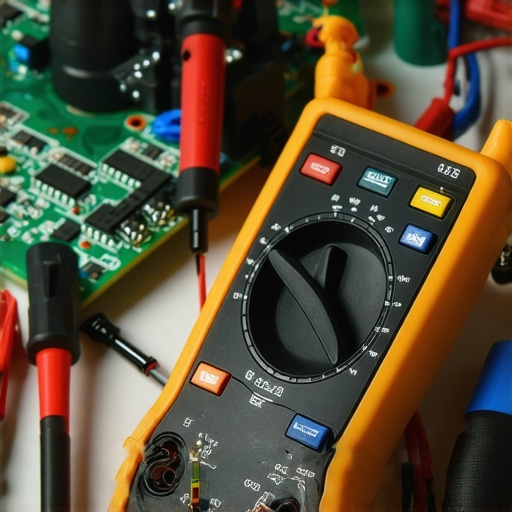
Configure your multimeter to measure resistance (ohms). Typically, setting it to the lowest resistance range works best. Remember, a multimeter is like a stethoscope for appliance health—it helps you listen to what the parts are telling you. Test your multimeter with a known resistor to ensure it’s working correctly; an out-of-calibration device can give misleading results.
Conduct the Resistance Test
Connect the multimeter probes to the sensor’s terminal connector—red to one lead, black to the other. Ensure the probes make solid contact; it’s like gripping a handshake—they need to hold tight. Gently read the value displayed. For most oven sensors, a resistance between 1000 to 1100 ohms at room temperature indicates a healthy sensor. During my own trial, I measured 300 ohms, which signaled a faulty sensor needing replacement. If your reading is outside the expected range, it confirms the sensor’s failure.
Use the Proper Temperature Compensation
Keep in mind, resistance varies with temperature. If your sensor is cold, readings may be slightly higher; if hot, lower. For an accurate test, perform it at room temperature. To simulate temperature effects, some technicians see value in heating or cooling the sensor just slightly, but for home troubleshooting, room temperature is sufficient. For complex diagnostics, consider cross-referencing with temperature charts available in appliance repair resources.
Reinstall and Test
Reconnect the sensor to its wiring harness, securing it with the screws removed earlier. Replace any panels or insulation. Plug the oven back in and turn it on briefly to see if the error persists. If you replaced the sensor, your oven should now respond more accurately to temperature changes. A failed sensor mimics symptoms like oven heating issues, so this test helps you pinpoint the cause effectively. For guidance on replacing other oven parts, check out this [comprehensive replacement guide](https://appliancebargainz.com/replacing-the-center-spray-hub-on-your-dishwasher) to avoid costly repairs.
Additional Tips for Reliable Testing
Always double-check your readings and ensure probes are free of corrosion or dirt, which can affect accuracy. If you’re uncertain about your results, compare with a new sensor or consult an appliance technician. Regular testing can prevent bigger issues down the line, like oven overheating or uneven baking, which often trace back to sensor faults. For more detailed troubleshooting, explore this [guide on oven temperature sensor testing](https://appliancebargainz.com/the-10-minute-fix-for-oven-doors-that-wont-close-flush). Remember, patience and precision are key—breaking down each step makes the repair manageable, even for beginners.When it comes to appliance repair, many homeowners rely on conventional wisdom or quick fixes that often do more harm than good. One widespread misconception is that all parts are interchangeable or that replacing a component is always straightforward. In reality, parts can vary significantly in quality and compatibility, and misidentifying a faulty part can lead to repetitive failures or even damage to other components. For instance, many assume that a generic dishwasher soap dispenser will work as a perfect replacement, but using an incompatible part may cause leaks or dispenser failure, which could have been avoided by understanding the nuances of specific models. To ensure longevity and proper functioning, it’s essential to understand the differences in OEM (Original Equipment Manufacturer) parts versus aftermarket options, as suggested in this [testing a dishwasher soap dispenser actuator](https://appliancebargainz.com/testing-a-dishwasher-soap-dispenser-actuator) guide. Opting for quality parts, even if they cost a bit more upfront, often results in fewer repairs down the line.
A notable trap many fall into is underestimating the complexity of diagnostics. For example, when troubleshooting a dishwasher that isn’t cleaning properly, the instinct might be to replace the spray arm or soap dispenser without testing the actual problem. This ‘swap and hope’ approach ignores the nuanced nature of appliance systems, where issues like clogged filters or worn-out float switches might be the real culprit. Neglecting proper diagnostics could leave you replacing parts unnecessarily and incurring additional costs. Remember, meticulous testing and understanding the operational principles behind each component is vital—learning about these nuances can save you money and frustration. It’s like that time I replaced a perfectly good control board because I assumed it was faulty, only to discover a clogged drain was causing the problem. Proper diagnostics are discussed in detail [here](https://appliancebargainz.com/cleaning-a-clogged-dishwasher-drain-grate).
Now, for the advanced DIYers, consider this question: How many times have you overlooked subtle signs that indicate a part isn’t just broken but is also misaligned or improperly installed? Misalignment can compromise the entire system’s efficiency—worn-out oven hinges, for example, not only cause door issues but may also lead to uneven heating due to misaligned heating elements. In fact, even a small oversight like leaving screws slightly loose or not aligning a control switch correctly can cause recurring failures. Experts, such as those referenced in appliance repair studies, emphasize the importance of precise installation and calibration—an often overlooked nuance in DIY repairs. For a deeper dive into proper installation procedures, check out [this guide](https://appliancebargainz.com/how-to-replace-a-brittle-oven-gasket-to-save-energy).
Do you fall into the trap of assuming repair is mainly about swapping out parts? Or perhaps you’ve been unaware of how overlooked installation nuances might be causing persistent issues? Understanding these advanced nuances can elevate your repair skills from basic troubleshooting to expert diagnostics. Remember, the devil is in the details. Have you ever fallen into this trap? Let me know in the comments.
Tools I Recommend for Effective Maintenance
Maintaining appliances like ovens, dishwashers, and diagnostic tools requires precision and quality equipment. I personally swear by a calibrated digital multimeter with true RMS capability—to accurately measure resistance, voltage, and current in complex circuits. My go-to model is the Fluke 115 instead of cheaper alternatives because it provides consistent accuracy, especially when testing components like oven sensors or dishwasher control boards. For diagnostics, an infrared thermometer is invaluable; it helps me identify hot spots and uneven heating on oven elements without opening up the appliance, saving time and avoiding unnecessary disassembly.
When working with complex systems, a high-quality service manual or digital schematics are essential. I recommend subscribing to appliance-specific repair databases or apps like iFixit, which provide detailed diagrams and troubleshooting flowcharts. These resources help ensure you’re targeting the right component, whether testing a dishwasher soap dispenser actuator or checking the oven’s thermal fuse. Remember, precise diagnosis reduces guesswork and prevents unnecessary part replacements, which saves money and extends appliance lifespan.
What’s Next with Diagnostic Software and Automation?
Looking ahead, integrated diagnostic software—connected via Wi-Fi or Bluetooth—will become more prevalent, allowing real-time monitoring and predictive maintenance. For example, some smart appliances now provide error logs accessible through mobile apps, guiding users to specific issues quickly. Investing in tools that can interface with these systems will be a game-changer for DIY repair enthusiasts and professionals alike. Building familiarity with these digital diagnostics now positions you for future advancements in appliance maintenance, ensuring the longevity and efficiency of your equipment.
How do I Maintain Reliability Over Time?
Routine inspection and calibration of your testing tools are crucial. For instance, periodically verifying your multimeter with a known resistor or calibration source keeps readings accurate. Additionally, deploying preventive measures like replacing aging hoses or worn-out door gaskets before failure occurs can prevent costly repairs. Keeping detailed maintenance logs for each appliance helps track recurring issues and plan proactive interventions. Regular cleaning of filters, inlet screens, and spray arms—like in dishwasher maintenance—also minimizes wear and ensures optimal performance. This proactive approach not only extends appliance life but also improves energy efficiency and safety.
By investing in the right tools and adopting a routine maintenance schedule, you empower yourself to troubleshoot effectively and keep appliances running smoothly for years. For detailed guides on specific repairs, you might find resources like testing dishwasher soap dispensers helpful to deepen your expertise. Don’t hesitate to try out one of these advanced methods—like calibration or thermal imaging—to see immediate improvements in your repair success rate.
Over the years, I’ve learned that the real game-changer in appliance maintenance isn’t just knowing the steps but understanding the lessons hidden in each repair challenge. One lightbulb moment came when I finally grasped that not all sensors are created equal, and subtle differences in resistance readings can tell you a lot about your appliance’s health. These insights have saved me countless trips to the repair shop and kept my kitchen running smoothly. So, embrace each diagnostic test as an opportunity to deepen your understanding—every reading, every inspection, is a piece of the puzzle leading to reliable, efficient appliances.
The Unexpected Wisdom from My Troubleshooting Journey
- Parts aren’t always the problem: I used to replace entire control boards at the slightest issue, but I learned that testing individual components like sensors can reveal whether a simple resistance check could save money and time.
- Details matter in installation: A loose wire or misaligned sensor can mimic a faulty part, emphasizing the importance of proper setup after each repair.
- Tools are your best allies: Investing in quality diagnostic tools like a calibrated multimeter turned my DIY approach into a reliable process rather than guesswork.
- Patience pays off: Rushing through tests often leads to misdiagnosis. Taking time to verify readings and revisit connections ensures accurate results, extending your appliance’s lifespan.
Tools That Elevate My Maintenance Routine
- Fluke 115 Multimeter: Its precision and durability have made it my go-to for resistance, voltage, and continuity tests—crucial when diagnosing buried sensors or control boards.
- Infrared Thermometer: Spotting uneven heating without opening the oven saved me from guesswork and prevented unnecessary disassembly, enhancing safety and efficiency.
- Digital Schematics and Repair Apps: Resources like iFixit provide detailed diagrams that help me avoid missteps, especially when replacing intricate parts like oven sensors or dishwasher spray arms.
- Calibration Kits: Periodic calibration of my multimeter maintains accuracy, preventing false readings that could lead to costly mistakes.
The Future Is Bright, and Your Skills Are Key
As appliances become smarter, integrating diagnostic software and remote alerts, your proficiency with fundamental troubleshooting remains invaluable. Mastering resistance testing and understanding sensor behavior will always be relevant, no matter how advanced your dishwasher or oven gets. By continuously honing your diagnostic skills and staying curious, you can troubleshoot confidently, prolong appliance life, and save money. Remember, each successful repair adds to your confidence and expertise—so don’t shy away from testing your oven sensor or exploring new tools. Ready to take your appliance maintenance to the next level? Share your experiences or ask questions below—let’s learn together!
Comments are closed.