Ever stood in front of your self-cleaning oven and noticed a strange smell or, worse, a puddle of water pooling beneath it? That sinking feeling when your trusted kitchen appliance starts behaving unpredictably is all too familiar. I remember the lightbulb moment when I realized my oven’s door gasket was the culprit—after a minor flood in my kitchen. It’s a common issue, but the solution isn’t always obvious.
Why Replacing the Oven Door Gasket Matters More Than You Think
The oven door gasket acts as a vital seal that keeps heat in and prevents leaks. Over time, especially in self-cleaning ranges, these gaskets can become brittle, warped, or torn. When that happens, not only does your oven lose efficiency, but it can also lead to water leakage, increased energy bills, and even safety hazards. A worn gasket can turn a simple bake session into a messy, frustrating experience, and I bet many home cooks have faced this without knowing the real cause.
Question: Is Replacing Your Oven Gasket Really Worth the Hassle?
I first tried ignoring it, thinking a little leak couldn’t be that bad. But, trust me, neglecting a damaged gasket can lead to bigger problems, like damaging your oven’s interior or causing electrical issues. Early on, I made the mistake of buying a generic replacement gasket without verifying its compatibility—which only made matters worse. Don’t fall into that trap. For a step-by-step guide on how to choose the right part and avoid these pitfalls, check out this helpful resource on replacing a brittle oven gasket to save energy.
So, if you’ve ever experienced water pooling during or after your self-cleaning cycle or noticed uneven heating, it’s time to get your hands dirty and fix that leak. Next, I’ll walk you through the key steps to replace your oven door gasket confidently, saving you money and frustration. Ready to become the hero of your kitchen repair tale? Let’s dive in and get that seal sealing perfectly again.
Remove the Old Gasket Carefully
Begin by opening your oven door and inspecting the gasket for any obvious tears or warping. Use a flat-head screwdriver or a plastic pry tool to gently lift the gasket away from the frame. Remember, the gasket can be brittle; handle it with care to avoid cracking the frame. To prevent damage, work slowly and ensure you’re prying along the edges where the gasket attaches. During my first attempt, I used too much force, causing a small crack that I had to patch later. Take your time for a clean removal.
Clean the Frame Thoroughly
Before installing the new gasket, clean the frame thoroughly to remove any crumbs, grease, or residue. Use a damp cloth with some mild detergent, and dry the area completely. This ensures the gasket adheres properly and seals tightly. I once skipped this step, and my new gasket didn’t sit flush, leading to leaks. Proper cleaning is a small step that makes a big difference in the seal quality.
Measure and Select the Correct Replacement
Accurate measurement of your current gasket length and shape is crucial. Use a measuring tape to determine the perimeter of the door opening, and compare it with the gasket specifications. For added certainty, consult your oven’s manual or the parts supplier’s compatibility chart. I mistakenly bought a gasket that was slightly shorter, which caused it to slip out during use. Always double-check before purchasing.
Verify Compatibility and Purchase
Choose a gasket specifically designed for your oven model. Follow the link this guide to understand compatibility essentials. Purchasing the wrong gasket can lead to additional costs and frustrations. I learned this when my first order didn’t fit, delaying my repair for a week.
Install the New Gasket Correctly
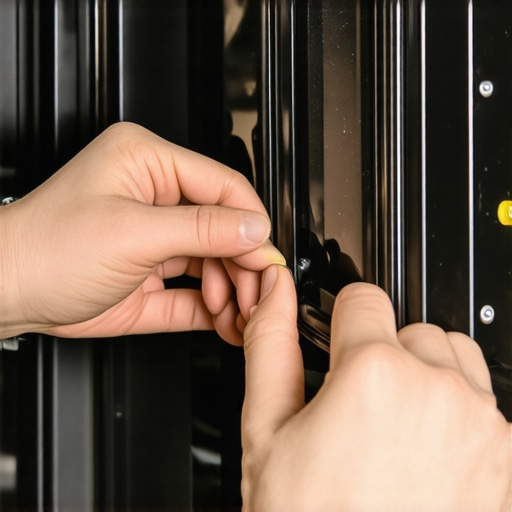
Align the new gasket along the frame, starting at a corner. Use your fingers to press it into the groove or screw holes, ensuring it seats evenly. For gaskets with clips or screws, secure them as per the manufacturer’s instructions. During my installation, I initially left gaps which caused leaks. To avoid this, ensure the gasket is pressed firmly and checked along the entire perimeter for uniformity.
Test the Seal for Effectiveness
After installation, close the door gently and inspect the seal. Wipe any residual adhesive or dust, and perform a test cycle if possible. Look for leaks or gaps, especially during the oven’s self-cleaning cycle. I once noticed a small water leak during testing, which I corrected by reseating the gasket. Proper testing confirms a successful repair and prevents future hassle.
Many DIY enthusiasts and even seasoned technicians often fall prey to misconceptions when it comes to diagnosing and repairing appliances like dishwashers and ovens. One pervasive myth is that parts like thermostats or heating elements are always the culprit for failures. In reality, the root cause can be more subtle, such as electrical connections or control board issues. For example, a failing oven might not have a burnt-out heating element but could have a faulty relay or a tripped safety fuse—these are often overlooked but critical to proper diagnosis. Recognizing these nuances can save you time and prevent unnecessary part replacements.
Another hidden trap is the assumption that confrontational symptoms, like leaks or poor heating, directly point to the most visible parts. Water leaks from a dishwasher might lead many to replace the door gasket immediately, but in many cases, a clogged inlet screen or a misaligned spray arm are the real culprits. This oversight can lead to costly and ineffective repairs. For example, if your dishwasher is leaking from the bottom, it’s worth inspecting the inlet water valve and drainage system first, as detailed in this guide.
What Do Advanced Repairs Truly Require Beyond Basic Knowledge?
For the more experienced, understanding the electrical schematics and testing with a multimeter becomes essential. Many assume that replacing a suspect part will resolve issues, but an incorrect replacement can sometimes worsen the problem. For example, testing the oven’s temperature sensor with an ohmmeter can reveal that a sensor outside the normal resistance range isn’t the main issue, and the real problem might be in the control board or wiring—techniques explained in this comprehensive article. Furthermore, considering the appliance’s history and environmental factors can help you identify hidden issues, such as corrosive moisture affecting electronic connections, a nuance often missed during quick fixes.
Falling into simplistic troubleshooting traps can extend repair times and lead to recurring issues. For instance, ignoring the importance of proper cleaning and maintenance can cause parts like inlet screens or filters to clog, impacting performance significantly. Regular cleaning, such as the inlet screen on dishwashers, not only prolongs the lifespan but also reduces unexpected breakdowns, as discussed here.
Remember, mastering appliance repair isn’t just about replacing parts; it’s about understanding the complex interplay of mechanical, electrical, and environmental factors. Recognizing these hidden nuances is what separates a mere DIY from an expert. Have you ever fallen into this trap? Let me know in the comments.
Keeping It Working: Tools and Strategies for Longevity
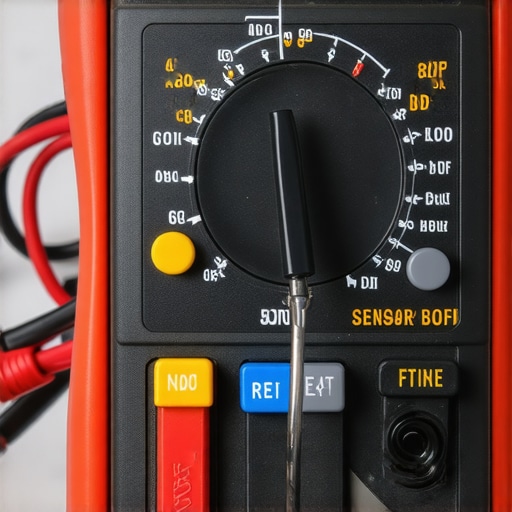
Maintaining your appliances beyond basic repairs is crucial for ensuring their long-term performance and avoiding unexpected breakdowns. Having the right tools and adopting consistent maintenance routines can save you time and money over the years. One of my go-to investments is a quality digital multimeter, which I use regularly to test electrical components such as thermostats, relays, and heating elements, ensuring they’re functioning correctly before they cause bigger issues. The Simple Resistance Test for Ovens article (linked here) highlights how this inexpensive tool can help catch failing sensors early, preventing costly replacements.
Another vital piece of equipment is a precision screwdriver set. I recommend investing in magnetized screwdrivers with a comfortable handle—these make disassembling appliances safer and more efficient, especially when working in tight spaces or on delicate electronic parts. A well-organized toolbox with compartments helps keep track of small screws and clips, reducing frustration during reassembly.
But tools alone aren’t enough. Routine maintenance is equally important. I schedule monthly inspections of door seals, filtering components, and water inlet screens on dishwashers and washing machines. For example, cleaning the inlet screen on my dishwasher’s water valve (step-by-step here) ensures optimal water flow and prevents leaks. To keep seals and gaskets in top condition, I apply a silicone-based lubricant periodically, which maintains flexibility and extends their lifespan. Regularly tightening loose screws or replacing worn-out components helps avoid minor issues snowballing into major repairs.
Looking ahead, I believe that smart diagnostic tools will become increasingly essential for DIY enthusiasts. Devices that connect via Bluetooth to your smartphone can identify electrical faults quickly, streamlining troubleshooting. Some companies are even developing AI-powered diagnostic apps capable of analyzing appliance symptoms and recommending specific fixes, minimizing guesswork.
How do I maintain appliance health over time
The key is consistency. Establish a maintenance routine tailored to each appliance—clean filters monthly, inspect seals quarterly, and run diagnostic checks twice a year. Using quality tools, such as a multimeter for electrical testing or a specialized lubricator for seals, can significantly prolong appliance life. Remember, diagnosing issues early and performing preventative care often saves you from costly repairs down the line. For instance, regularly testing your oven’s temperature sensor with a multimeter (see details here) can prevent uneven cooking and extend the life of your oven’s heating elements. Why not try this tip today and see how small checks can make a big difference?
The Hardest Lesson I Learned About Parts and Diagnostics
One of the toughest truths I faced was realizing that not all appliance issues are caused by the most obvious part. Often, water leaks or inconsistent heating were due to overlooked electrical connections or subtle control board faults. This realization taught me to approach repairs holistically—focusing not just on the visibly damaged part but also on related systems. The key is patience and detailed diagnosis, which saves time and money in the long run.
3 Myths About Appliance Repairs That Held Me Back
- Replacing parts without testing often leads to unnecessary expenses. Using tools like a multimeter to verify components like sensors or relays can prevent guesswork and ensure you’re fixing the root cause.
- Leakes are always caused by gaskets. Sometimes, a simple clogged drain or misaligned door hinges can be the culprit, so inspecting those areas first can avoid unnecessary gasket replacements.
- Any water pooling indicates a gasket failure. It’s better to check for other potential causes, such as blocked filters or faulty water inlet valves, for an effective fix.
What Experts Won’t Tell You About Oven and Dishwasher Repair
Most professionals won’t emphasize the importance of preventative maintenance, like regular cleaning of inlet screens or sealing condition checks, which can dramatically extend appliance life. They also often shy away from teaching DIY enthusiasts how to perform quick, safe tests with simple tools—like checking a heating element’s resistance—to catch issues early. Embracing these DIY diagnostics lets you troubleshoot confidently and keeps your appliances running smoothly for years.
Your Next Step in Appliance Confidence
Understanding the nuances beyond the basics transforms your approach from reactive to proactive. Mastering simple diagnostic techniques and routine maintenance equips you with the confidence to tackle issues before they escalate. Whether it’s ensuring that your oven gasket is properly seated or verifying wiring connections, these behind-the-scenes insights can turn a frustrating repair into a satisfying accomplishment. Kickstart your journey today—your appliances and wallet will thank you!
What’s been your biggest surprise or lesson learned during a home appliance repair? Share your stories below and let’s learn together!