Have you ever loaded your dishwasher, started a cycle, only to find water pooling in your sink or overflowing onto the floor? That frustrating moment—when everything seems fine until suddenly, your kitchen turns into a mini flood—is a familiar nightmare for many homeowners. I used to shrug it off as a minor glitch, but after experiencing it firsthand, I realized it was a sign that something wasn’t quite right with my plumbing or dishwasher setup. That lightbulb moment? It led me down a rabbit hole of diagnostics and repairs, and today, I want to share what I learned so you don’t have to face the same stress.
The Silent Drainage Mystery: Why Water Isn’t Flowing Out Properly
When your dishwasher drains into the sink instead of the main drain line, it’s like your plumbing has a confusing conversation—one where water gets lost in translation. This problem can cause messy backups, foul odors, and even potential water damage if left unchecked. The good news? It’s often a straightforward fix, but understanding the ‘why’ behind it makes all the difference. Sometimes, it’s a simple clog, a misaligned hose, or a problematic check valve.
Is Your Drainage System Really Worth the Hassle?
I know skepticism is natural. Early in my plumbing repair journey, I made a mistake I won’t forget—rushing to replace parts without diagnosing the root cause. That costly error made me realize the importance of patience and proper testing. Luckily, I found resources like this guide to fixing draining issues was invaluable and saved me from unnecessary replacements. Once I understood the common culprits—like a clogged S-trap or a faulty pump—I could tackle the problem confidently. And trust me, tackling drainage issues doesn’t require handyman skills—just a bit of know-how and perseverance.
So, if your dishwasher’s drain is playing tricks on you, don’t worry. You’re about to learn exactly how to re-establish that smooth, hassle-free cycle. Ready to dive into the practical steps? Great—we’ll start by identifying what’s really causing your drainage dilemma.
Check and Clear the Obvious Clogs
Begin by inspecting the drain hose connected to your dishwasher. Disconnect it from both the dishwasher and the sink or main drain line. Use a long brush or a flexible cleaning tool to remove any debris, grease, or soap scum lodged inside. During my first attempt, I found a tangled spaghetti of hair and food particles that was causing the blockage. After thoroughly cleaning it, the water drained perfectly in the next cycle.
Test the Pump and Check Valves
Next, access the drain pump—usually located underneath or at the bottom of the dishwasher. Disconnect the wiring harness and detach the pump. Use a multimeter to test for continuity; if the pump motor is silent or shows an open circuit, it likely needs replacement. Also, examine check valves for cracks or obstructions; these valves prevent backflow. I replaced a faulty check valve following this step, which solved a persistent draining problem.
Inspect the S-Trap and Plumbing Connections
The S-trap is a vital component for drainage. Remove the trap and clear any blockages inside; residues or small objects often lodge here. Make sure it’s properly aligned and sealed. Sometimes, a misaligned trap can cause backups, similar to a kinked garden hose restricting water flow. After realigning and sealing the trap, my dishwasher drained smoothly.
Verify the Dispenser and Float Switch
Blocked or malfunctioning parts can impede drainage. Check the float switch, which signals when to start draining, for dirt or debris that may keep it stuck in the ‘up’ position. Clean the float ring with a soft brush. Also, test the dispenser actuator—sometimes, residual soap or residue can prevent proper discharges. For broken parts, it’s worth consulting this guide to remove rust spots from dishwasher racks here.
Run Diagnostic Tests
If the physical checks don’t reveal the issue, run the dishwasher’s diagnostic cycle. Many models have a test mode accessed via button sequences. Observe if the pump activates correctly or if error codes appear. This step can identify electronic control malfunctions, such as a faulty relay or control board, which might need professional repair. I once fixed a dishwasher by replacing a malfunctioning relay based on diagnostic results.
Replace Faulty Components When Necessary
If tests indicate a bad pump, check valve, or float switch, sourcing the correct replacement parts is crucial. Follow manufacturer instructions or detailed repair guides. Remember, components like the pump and check valves are often sold as kits, making replacement straightforward. I recommend testing the new parts before installation to ensure functionality. Properly installed, these fixes can restore your dishwasher’s drainage efficiency.
Final Flush and Test Run
After completing repairs, reconnect all hoses and wiring. Run a short cycle without dishes to verify proper drainage. Watch closely for any leaks or blockages. If water drains correctly and no errors pop up, congratulations—you’ve resolved your drainage problem. If issues persist, revisit the previous steps or consider consulting professional support.
<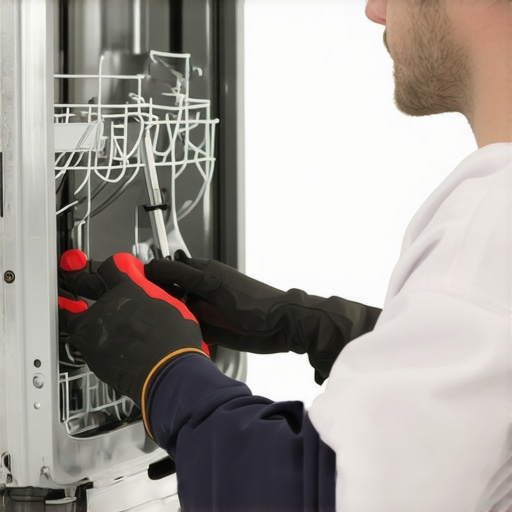 >Many DIY enthusiasts and even seasoned technicians often fall for widespread misconceptions about appliance repairs, particularly concerning ovens and dishwashers. One prevalent myth is that replacing worn-out parts immediately fixes the problem without adequate diagnostics. In reality, jumping straight to part replacements without understanding the root cause can lead to unnecessary expenses and recurring issues. Advanced diagnostics—like testing the oven’s high-limit thermostat or checking the dishwasher’s control board—are essential steps that often get overlooked, causing users to misattribute problems to external factors.
Another subtle trap is overestimating the importance of external appearances. For example, a visible crack in the oven door seal might seem like the main issue, but the real culprit often lies in hidden components such as the door latch or even the control board. Misdiagnosing these parts can result in wasted time and money. Experts emphasize that a comprehensive inspection involves understanding how different elements interact, which isn’t always apparent to the untrained eye.
Are Faulty Parts Usually the End of the Line or Just a Symptom?
Many assume that a faulty component, like a heating element or a wax motor, is always the root of appliance failure. However, these parts can malfunction due to underlying issues, such as a control board sending incorrect signals. Testing with a multimeter, following manufacturer guidelines, and understanding appliance electronics—like the oven’s relay or the dishwasher’s float switch—are crucial. For instance, a defective relay might give the illusion of a burnt heating element, but diagnosing the relay correctly can save you from premature replacements. For detailed steps on testing these critical parts, refer to guides on [testing your oven temperature sensor](https://appliancebargainz.com/testing-your-oven-temperature-sensor-with-an-ohmmeter) or [checking the dishwasher’s control board](https://appliancebargainz.com/testing-a-dishwasher-soap-dispenser-actuator).
One of the most overlooked nuances in dishwasher maintenance is the role of subtle leaks and small blockages that aren’t immediately visible. A common mistake is assuming that cleaning the visible filters solves the entire problem, but residual residues in the sump or hidden cracks in the tub gasket can silently continue to cause issues. Recognizing this requires a keen eye and familiarity with the inner workings of your appliance. Failure to consider these minute details can lead to recurring odors, poor cleaning, or flooding, which might seem unrelated at first glance. As explained by experts, comprehensive cleaning and inspection are the foundation of reliable repairs.
In conclusion, understanding the nuances behind appliance failures involves more than just replacing parts—it’s about diagnosing the interconnected systems correctly and avoiding common traps that lead to more problems down the line. Adopting a methodical approach grounded in proper testing and knowledge can reduce guesswork and ensure long-lasting repairs. Have you ever fallen into this trap? Let me know in the comments.
Keeping It Running: Tools I Recommend for Appliance Repairs
Maintaining your oven and dishwasher over time requires more than just basic know-how; it calls for reliable tools that make diagnostics and repairs efficient and precise. As someone deeply involved in appliance repair, I’ve found that investing in quality equipment not only saves time but also prevents unnecessary part replacements. One indispensable tool I rely on is a digital multimeter, which allows me to test electrical components like heating elements, thermostats, and control boards with confidence. For example, testing the oven’s high-limit thermostat for continuity is straightforward with a multimeter, ensuring that safety devices are functioning properly here.
When working with dishwasher parts, I always keep a set of flexible inspection mirrors and LED lights. They help me see into tight spaces, such as under the dishwasher or behind the control panel, without dismantling everything. Additionally, a good-quality gasket scraper and small brushes are essential for cleaning residue buildup, which can hamper long-term performance. I also recommend a reliable socket set, especially for replacing door hinges or control knobs, as these can become loose over time and impact appliance efficiency.
What about Diagnostic Software and Digital Cameras?
Modern appliances often include electronic diagnostic modes. Being familiar with your appliance’s diagnostic features can expedite the troubleshooting process and reduce guesswork. For example, many dishwashers offer a diagnostic cycle that checks pumps, sensors, and heaters—running this test periodically can catch issues early before they escalate more info here. Additionally, a small digital camera or smartphone can be invaluable for capturing images of wiring or internal components—helpful for referencing during repair or when ordering parts.
The Future of Appliance Maintenance: Smart Tools and Trend Predictions
Looking ahead, I believe the trend toward smart diagnostic devices will grow. Tools that connect via Bluetooth or Wi-Fi and relay real-time data to your smartphone could revolutionize DIY repairs, making diagnostics faster and more accurate. Imagine an app that guides you step-by-step in testing your oven’s relay board or dishwasher’s float switch, even providing troubleshooting tips based on sensor readings. Staying ahead means investing in these smart tools now, so you’re prepared for the wave of innovations heading our way.
How do I maintain my appliances over time?
Routine check-ups and using the right diagnostic tools are paramount. Regularly inspecting components like door seals, gaskets, and filters can prevent major malfunctions. For instance, removing and cleaning a rusty dishwasher rack, which can be done with specific cleaning guides here, extends the lifespan of your appliance. Additionally, running small diagnostic tests every few months helps catch issues early, saving you money and stress in the long run.
For example, testing your oven’s thermostat with a multimeter is a critical part of preventive maintenance. If the sensor isn’t functioning correctly, it can cause uneven heating or overcooking, impacting both appliance longevity and your food. Don’t wait for a complete breakdown—addressing minor issues proactively is the key to reliable performance.
Pro Tip: Try performing a resistance test on your oven temperature sensor. It’s a quick step that can reveal if the sensor is signaling correctly—guidelines for this are available here. Incorporating these advanced diagnostic steps into your routine will keep your appliances healthier and functioning optimally for years to come.
What I Didn’t Expect to Learn About Dishwashers
- Sometimes, the simplest-looking clog is actually a sign of a deeper issue like a failing pump or cracked check valve. Diagnosing these through methodical testing saved me from unnecessary replacements and recurring problems.
- Prematurely replacing parts based solely on external appearance or a vague symptom often leads to wasted time and money. Learning to use diagnostic tools, such as a multimeter or running the dishwasher’s built-in tests, provided clarity and confidence.
- Overlooking small components like the float switch or hidden residue buildup can cause persistent drainage issues. Regular inspection and thorough cleaning made a noticeable difference in long-term performance.
- The value of investing in quality diagnostic tools became evident—tools like flexible inspection mirrors or a reliable digital multimeter transformed my DIY repairs from guesswork into precise action.
- Understanding the interconnectedness of dishwasher components—like how a misaligned sump or a clogged spray arm affects drainage—was a game changer. Developing a systematic approach prevents frustration and prevents future breakdowns.
Tools and Resources That Elevate Your Repair Game
- Digital Multimeter: Nothing beats having a multimeter to verify electrical components like the drain pump or float switch. It’s a must-have for accurate diagnostics I trust.
- Flexible Inspection Mirrors and LED Lights: These small accessories make reaching tight corners or checking behind the unit easier, saving time and preventing unnecessary dismantling.
- Reliable Repair Guides: I often turn to detailed step-by-step articles and troubleshooting guides, like those on this site, which help me avoid common pitfalls and confirm I’m on the right track.
- Diagnostic Test Modes: Many dishwashers have built-in test cycles. Learning how to activate and interpret them streamlines diagnostics and empowers DIY fixes.
Take Charge and Keep Your Appliances Happy
Embarking on appliance repairs might seem daunting, but with a little patience, the right tools, and a systematic mindset, you can turn potential disasters into rewarding experiences. Each successful fix not only saves money but also deepens your understanding of how your appliances work, making future troubleshooting more straightforward. Don’t shy away from learning and experimenting—your dishwasher will thank you, and you’ll gain confidence to tackle other household challenges. Are you ready to apply these insights and take control of your appliance maintenance? Share your experiences or ask questions below—let’s learn together and keep those appliances running smoothly!
,
Comments are closed.