I still vividly remember the moment I opened my dishwasher and noticed those stubborn rust spots adorning my once shiny racks. It was one of those frustrating everyday mishaps that made me think, “Why is this happening, and how do I fix it?” I hadn’t realized that a small oversight early on could lead to such stubborn stains. If you’ve ever faced this, you know how it can turn the mundane task of doing dishes into a battle you’re not prepared for.
Rust Spots on Dishwasher Racks: Why Does It Matter?
The truth is, rust on dishwasher racks isn’t just about aesthetics. It can compromise the durability of your appliance and even lead to more significant damage if left unchecked. Rust particles can transfer onto your clean dishes, posing health concerns, and the corrosion can weaken the racks, making them prone to breaking. According to a study published by the Environmental Protection Agency, rust and other metal residues can contribute to corrosion-related failures over time.
Is Rust Removal Just a Temporary Fix?
Early in my DIY ventures, I made the mistake of thinking a quick scrub and some rust remover would do the trick permanently. Big mistake. Without understanding the root cause—like constant moisture or poor-quality racks—I kept battling rust every few months. This taught me that a comprehensive approach, including preventive measures, is essential for long-term results. Want to learn the most effective strategies? Stay tuned for some practical tips that really work.
Before diving into solutions, have you ever noticed rust spots appearing on your dishwasher racks? If so, you’re not alone, and there’s no reason to accept it as inevitable. Let’s tackle this issue head-on, saving your dishwasher and your sanity!
Remove Rust Stains Using Baking Soda and Vinegar
Start by creating a paste of baking soda and water to scrub away superficial rust. Apply the paste on the rust spots and let it sit for 15 minutes. Then, scrub with a non-abrasive sponge. To boost cleaning power, spray white vinegar over the area and scrub again. Remember, this method is effective for light rust but won’t fix deep corrosion.
Apply Commercial Rust Remover Safely
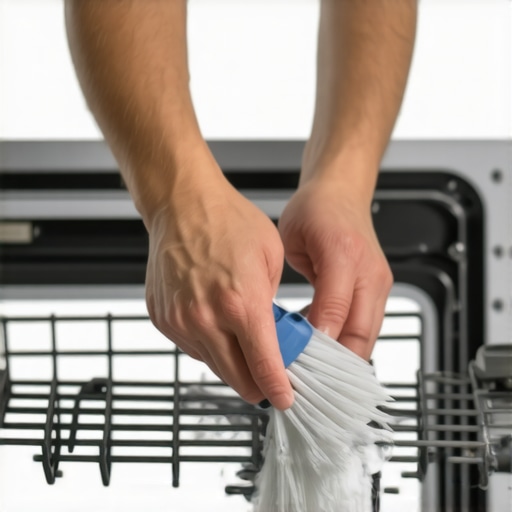
If the rust persists, consider using a commercial rust remover designed for metal appliances. Always wear gloves and ensure proper ventilation. Spray the remover on affected areas, wait according to the product instructions, then scrub with a brush. Rinse thoroughly. Be cautious as some removers can damage plastic parts if misused.
Replace Severely Rusted Rack Components
When rust has compromised the structural integrity of your racks, replacement becomes necessary. Some dishwasher racks are replaceable through the manufacturer or aftermarket suppliers. To avoid mishaps, remove the damaged rack carefully and compare the part number with a new one. For guidance, see this step-by-step guide on replacing dishwasher racks.
Prevent Future Rust Formation
After cleaning or replacing racks, prevent future rust by maintaining proper dishwasher care. Regularly remove and clean racks with a mixture of vinegar and baking soda. Avoid leaving wet racks in the dishwasher for extended periods. Additionally, consider applying a protective coating like a dishwasher rack spray that prevents rust, similar to rust-proofing techniques in automotive care.
Inspect and Repair Water Supply Conditions
Persistent rust issues may stem from water quality or moisture problems. Use a water softener if you have hard water, or install a dehumidifier nearby to control humidity. Check for leaks or excess moisture within the dishwasher cavity. For detailed diagnostics, see diagnostic steps for appliance moisture issues.
Keep Your Dishwasher in Top Shape
Finally, perform regular maintenance by inspecting and cleaning dishwasher components, including spray arms, filters, and inlet screens. Clean these parts periodically to prevent buildup that accelerates rust formation. For thorough cleaning techniques, visit cleaning dishwasher spray arms. With consistent care and immediate action, you can extend the lifespan of your dishwasher racks and keep your appliance running smoothly.
 Many DIY enthusiasts believe that troubleshooting appliances like ovens and dishwashers is straightforward—simply replace a part or follow a step-by-step guide. However, this mindset often leads to overlooked nuances that can cause more harm than good. For instance, a prevalent misconception is that all control board issues stem from obvious component failures; in reality, subtle wiring problems or moisture intrusion can mimic control failures, leading to unnecessary replacements.
Another critical nuance is understanding the interconnectedness of appliance components. For example, a faulty oven temperature sensor isn’t the sole cause of inconsistent heating; sometimes, a damaged relay or a compromised wiring harness might be the culprit, which can be diagnosed effectively using a multimeter. Read more about diagnosing control boards at control board diagnostics.
Beware of common traps, such as immediately assuming a failed heating element when an oven isn’t cooking evenly, without inspecting the wiring and connections first. This oversight can lead to unnecessary part replacements and added costs. Advanced diagnostics often involve testing continuity, resistance, and voltage levels, which many neglect.
Curious about how to better troubleshoot your appliance without falling for these pitfalls? Here’s a pro tip: Always verify the basic electrical connections before replacing major parts. This simple step can save you time and money, and improve your understanding of the appliance’s true condition.
What most people get wrong about appliance repair is underestimating the importance of nuanced diagnostics and relying too heavily on visual cues or assumptions. This can cause repair cycles to extend unnecessarily and sometimes even void warranties. Remember, appliances are complex systems, and a systematic approach to diagnostics—supported by proper tools and knowledge—is the difference between a quick fix and a costly mistake.
For example, a shrieking convection fan might seem like a simple motor issue, but in many cases, lubricating or replacing the fan motor isn’t enough if the control board is also malfunctioning, which can be diagnosed using specific tests. If you’re facing recurring issues, consider examining the control system comprehensively rather than jumping straight to replacements. More on this topic can be found at silencing a noisy oven.
Finally, it’s essential to recognize your limits. Some repairs require specialized knowledge or tools, and attempting complex diagnostics without proper training can lead to further damage. When in doubt, consulting a professional or tapping into detailed diagnostic resources can be more cost-effective in the long run.
Have you ever fallen into this trap? Let me know in the comments.
Prioritizing Proper Maintenance for Longevity
Keeping your appliances in top shape requires more than occasional cleaning; it demands a proactive approach utilizing the right tools and routine checkups. Regular maintenance not only extends the lifespan but also prevents costly repairs down the line. Personally, I recommend setting a schedule every three to six months for detailed inspections.
My Go-To Diagnostic Instruments
The cornerstone of effective troubleshooting is a quality multimeter. I personally favor the Fluke 117 because of its precision and ease of use, especially when testing continuity and resistance in components like thermostats or sensors. Having a digital thermometer, such as the Thermapen, helps verify temperature accuracy in ovens and ensures sensors are functioning correctly. For diagnosing control boards, I rely on a combination of a multimeter and manufacturer-specific diagnostic software, which can often be accessed via online service portals or dedicated apps.
Software and Apps That Save Time
Modern appliances sometimes offer remote diagnostics through proprietary apps. For instance, some newer ovens allow firmware updates and error code retrieval via their official apps, streamlining the troubleshooting process. Additionally, using diagnostic guides and community forums—like those found on appliance repair communities—can provide insights tailored to your specific model, saving you from unnecessary part replacements.
Maintaining Tools to Ensure Accuracy
Remember, tools are only as good as their condition. Regularly calibrate your multimeter using a known resistance or voltage source to maintain accuracy. Keep your diagnostic devices clean and stored properly to prevent damage. For the multimeter, replacing probes periodically ensures reliable readings, especially during high-precision tests.
Steps for Long-Term Results and Future Scaling
Implementing a schedule of diagnostic checks combined with routine cleaning—such as clearing spray arms or replacing inlet filters—keeps appliances running efficiently. Documenting issues and fixes helps identify recurring problems and informs when to escalate to professional service or consider upgrades. As technology advances, integrating smart diagnostics and IoT-enabled appliances will become standard, making maintenance more straightforward and predictive.
How do I maintain my appliances for lasting performance?
Consistently testing critical components like sensors and control boards with reliable tools is key. For example, regularly checking the oven temperature sensor with a multimeter ensures precise cooking and prevents issues like uneven heating. Staying ahead of potential failures helps avoid emergency repairs and preserves appliance efficiency. Exploring advanced troubleshooting techniques now will prepare you for future upgrades as appliance tech evolves—watch for tools that integrate with your smartphone for real-time diagnostics.
Want to master your appliance diagnostics? Try using a multimeter to test your oven temperature sensor today. You’ll gain immediate insights that could prevent a future breakdown. For comprehensive troubleshooting tips, visit control board diagnostics and learn more about ongoing maintenance for your appliances.
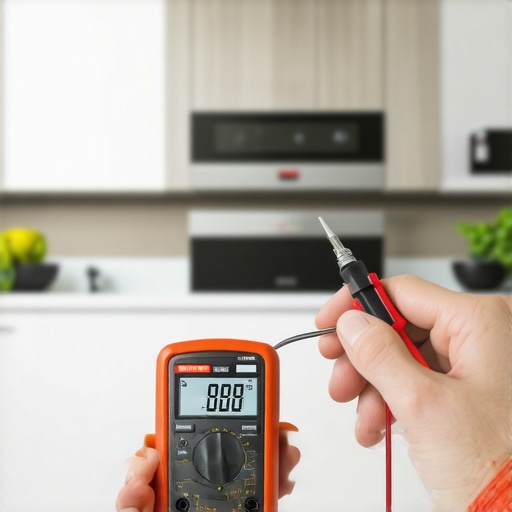
Concise image prompt: Digital multimeter testing oven temperature sensor in a modern kitchen, emphasizing precise diagnostics, with clear display readings and a technician’s hand holding probes. Alt text: Expert testing oven sensor with a multimeter for accurate diagnostics. Title: Essential Diagnostic Tool for Oven Maintenance.
Lessons From My Rust Battle
One of my biggest realizations was that dealing with rust on dishwasher racks isn’t just about quick fixes but understanding the environment that fosters corrosion. I learned that moisture control and selecting high-quality racks are key, as neglecting these can render even the best cleaning methods useless.
Another insight was the importance of patience when applying rust removers. Rushing often leads to incomplete removal or damage. Taking the time to monitor the process and follow instructions precisely makes a significant difference in restoring racks effectively.
I also discovered that preventive measures, like applying protective coatings and ensuring proper water quality, can save you from recurring rust issues. Early investment in these precautions pays off in extended appliance lifespan and less frustration.
Finally, collaborating with other DIY enthusiasts in online forums helped me uncover tips that I wouldn’t have found on my own. Sharing experiences and solutions accelerates learning and reduces trial-and-error time, making appliance repair both more successful and enjoyable.
Tools and Guides That Changed My Approach
My go-to resource has been the comprehensive repair guides on appliancebargainz.com. Their detailed diagrams and troubleshooting steps build confidence and clarity. I trust their advice because it’s practical, tested, and tailored to real-world scenarios.
The Fluke 117 multimeter has been a game-changer for precise diagnostics. Its accuracy helps me verify electrical issues with confidence. Additionally, I rely on quality wire brushes and rust-inhibiting sprays that I purchase from trusted hardware suppliers, ensuring longevity and reliability in my repairs.
For learning about appliance care, I turn to well-reviewed books like Appliance Repair for Dummies. They provide foundational knowledge and troubleshooting strategies that empower me to tackle problems systematically instead of guessing.
Your Turn to Make a Difference with Rust Control
Taking control of dishwasher rust may seem tricky at first, but with patience and the right knowledge, you can significantly extend your appliance’s lifespan. Remember, mastering these nuances isn’t just about fixing rust—it’s about caring for your equipment proactively and enjoying the satisfaction of DIY success. So, are you ready to tackle your rust issues and keep your dishwasher running smoothly for years to come?
Have you ever tried a unique method to prevent or remove rust from your dishwasher racks? Share your experience below and let’s learn together!