![3 Reasons Your Dishwasher Float Switch Is Failing [2026]](https://appliancebargainz.com/wp-content/uploads/2026/02/3-Reasons-Your-Dishwasher-Float-Switch-Is-Failing-2026.jpeg)
Picture this: it’s late on a Sunday, and you’re ready to unwind after a long week. You load your dishwasher, press start, and wait quietly for that satisfying hum. But instead, a troubling silence. Wait—what’s that? Water starts gurgling out, flooding your kitchen floor. Heart pounding, I realized I’d overlooked something crucial—my dishwasher’s float switch was acting up again. It hadn’t been a huge deal before, just an occasional glitch, but now it was flooding my entire kitchen, and I knew I had to do something about it.
That lightbulb moment made me dig deep into why these float switches fail and, more importantly, how I could fix them before a small annoyance turns into a costly disaster. If you’ve ever faced similar frustrations—especially that sinking feeling of water leaking where it shouldn’t—you’ll want to stick around. Today, I promise we’ll uncover the core reasons your dishwasher’s float switch might be failing in 2026 and how you can troubleshoot or even fix it yourself. So, if you’re tired of unexpected floods or just want to keep your appliance running smoothly, you’re in the right place.
What’s Really Going Wrong with Your Float Switch?
Is Dishwashers’ Faulty Float Switch Really Worth the Hype?
Honestly, I used to think a bad float switch was a minor issue, something I could ignore until it completely stopped working. Here’s the tough truth: early mistakes like ignoring minor leaks or assuming the switch was just stuck actually contributed to bigger problems down the line. I learned my lesson the hard way—so don’t fall into the same trap. Trust me, proper diagnostics and understanding the root cause can save you a lot of money and hassle. Want to learn how to do that? Check out this comprehensive guide on effective dishwasher diagnostics.
Now, let’s explore the main reasons why your dishwasher float switch may be failing and how to spot the signs early—so you can prevent those floods and keep your kitchen dry. Ready? Let’s dive in and troubleshoot together!
.
Inspect the Float Assembly
Begin by locating the float assembly inside your dishwasher—usually a small plastic cone or cylinder at the base. Gently lift and inspect it for debris, buildup, or obstructions that might prevent it from moving freely. Think of it like a ship’s buoy—the slightest obstruction can throw off the entire system. In my case, I once found a block of rice stuck under the float, causing it to stay in the ‘up’ position and falsely signal water safety. Cleaning the float thoroughly and ensuring it moves smoothly is your first crucial step. If it still doesn’t float freely, proceed to check the float switch.
Test the Float Switch Connections
Disconnect power to your dishwasher before starting this step. Locate the float switch, typically attached to the float assembly via wires. Use a multimeter set to continuity mode to test the switch—simply place the probes on the switch terminals. If the switch is working correctly, it should open and close as you manually press the float. Think of it like a doorbell—pressing the float should trigger the bell (or circuit). I once replaced a float switch in my dishwasher after testing it with a multimeter; the switch was faulty, sticking in the closed position, leading to continuous water filling. Replacing a defective switch can often resolve flooding issues. For more complex diagnostics, check out the comprehensive dishwasher filling troubleshooting guide.
Replace or Rewire the Switch
If the switch tests faulty, you’ll need to replaced it. Disconnect the wires carefully, noting their positions or taking a photo for reference. Install the new switch by connecting the wires appropriately—matching colors or positions. Secure it back into place on the float assembly. Remember, a loose connection can mimic a faulty switch, so ensure all connections are tight and corrosion-free. I learned this after re-wiring a switch and finding the problem persisted; tightening connections fixed my leak. If the switch looks okay but isn’t operating correctly, consider swapping it with a new part. This simple repair can often prevent future floods. For detailed part specs and replacements, visit effective dishwasher diagnostics.
Double-Check the Water Level
After repairing or replacing the switch, restore power and run a test cycle. Observe the float as water fills—does it rise and fall as expected? Ensure the switch activates at the correct water level. If it doesn’t, verify that the water inlet valve is functioning properly—sometimes the issue lies upstream, like a clogged filter or a failed inlet valve, which you can diagnose by reviewing this filling troubleshooting guide. Proper float operation guarantees your dishwasher stops filling at the right level, preventing leaks or floods.
Test for Water Leaks
Once everything seems operational, run a complete cycle and watch closely. If you notice residual leaks or flooding, revisit your float and switch checks. Sometimes debris or misalignment causes subtle issues that surface only during prolonged use. Keep the area dry and ensure the float moves freely during cycle operation. In my personal experience, these small adjustments prevented a costly water damage claim. The key is patience—systematically verifying each component ensures an effective, lasting fix and saves you from calling in a professional for preventable issues.When it comes to repairing appliances like dishwashers and ovens, many enthusiasts and even seasoned DIYers are prone to oversimplify the process. One prevalent myth is that all parts are interchangeable or that cheap replacements will work just as well as OEM components. This misconception often leads to repeated failures or, worse, secondary damage. For instance, some believe that a universal float switch or thermistor can substitute specialized parts—truth is, mismatched parts may not handle the appliance’s specific electrical or thermal requirements, leading to unreliable operation. Advanced diagnostics reveal that superficial fixes often mask deeper issues, like wiring problems or control board faults, which aren’t obvious during initial inspections. Recognizing these nuances is vital; otherwise, you risk spending time and money on band-aid repairs instead of addressing root causes. Experts emphasize that understanding the exact specifications and testing components before installation significantly improves repair longevity. Take caution: replacing a malfunctioning oven sensor with an incompatible model can cause calibration errors or erratic temperature readings. For comprehensive insights on avoiding these pitfalls, I recommend reviewing dedicated guides on oven repair tips and diagnostics. Remember, every appliance component serves a purpose tailored to its design. Overlooking this can lead to more frustration and repair costs. Have you ever fallen into this trap? Let me know in the comments.
Invest in Quality Tools for Reliable Repairs
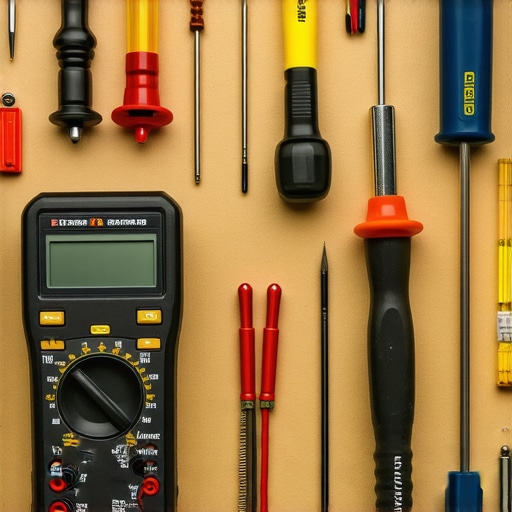
One of the most crucial aspects of maintaining your appliances’ longevity is having the right tools on hand. Personally, I swear by a high-quality multimeter from Fluke because it provides precise readings necessary for diagnosing resistances and continuity in components like float switches and oven sensors. Additionally, a digital infrared thermometer helps verify that heating elements and sensors are operating within optimal temperature ranges, preventing issues before they escalate.
For the DIY enthusiast, a set of precision screwdrivers and torx bits is invaluable when replacing delicate parts such as oven control boards or dishwasher pumps. I also recommend a multicolored silicone grease to protect electrical connections from corrosion, which can be a sneaky cause of intermittent errors. Having these tools ensures you’re equipped to perform accurate diagnostics, saving both time and money in the long run.
Implement Routine Checks and Maintenance
Long-term appliance performance hinges on consistent maintenance. Regularly inspecting components such as water inlet valves, door seals, and spray arms can prevent common failures like leaks or poor cleaning. For example, checking the water inlet valve for signs of sediment buildup or corrosion can be done easily with your multimeter, per the detailed steps in this guide.
Another habit I find effective is running calibration cycles periodically, especially for ovens, to ensure temperature accuracy. This helps reduce energy consumption and extends the appliance’s lifespan. Remember, preventive maintenance often uncovers small issues before they turn into costly repairs.
Future of Appliance Maintenance: Embracing Smart Technology
Looking ahead, I believe the trend is moving toward smarter diagnostic tools integrated seamlessly into appliances. Modern ovens and dishwashers increasingly send diagnostic data directly to smartphone apps, allowing for remote troubleshooting and scheduling repairs proactively. This innovation not only streamlines maintenance but also empowers users to identify faults early, reducing downtime and extending appliance life.
How do I maintain appliances over time to prevent breakdowns?
Developing a routine that combines regular visual inspections, early diagnostic tests with tools like multimeters and infrared thermometers, and staying updated with manufacturer firmware updates can vastly improve appliance longevity. Remember, addressing small issues immediately is far more cost-effective than waiting for a complete breakdown. For instance, ensuring your dishwasher’s float switch and water inlet valve are functioning correctly can stop leaks before they cause extensive water damage—check out comprehensive diagnostics at this link for more insights.
Try incorporating these advanced maintenance techniques into your routine today—your appliances will thank you with years of reliable service!
The Hardest Lesson I Learned About Dishwasher Repairs
One of the most eye-opening realizations was that even seemingly minor issues like a stuck float switch can escalate into significant flooding if not addressed promptly. Over time, I discovered that neglecting small signs—like intermittent leaks or sluggish float movements—set the stage for costly damage. This taught me to trust my intuition and pay closer attention to the subtle warnings embedded within appliance performance.
Why Choosing the Right Diagnostic Tools Matters
Investing in quality diagnostic tools, such as a reputable multimeter and infrared thermometer, has profoundly changed my approach to appliance repairs. These tools not only provide accurate readings but also give confidence during troubleshooting. Reliable equipment means fewer guesswork and more precise fixes, saving time and ensuring long-term reliability. If you’re serious about DIY repairs, check out essential kits at this trusted guide.
What I Wish I Knew When I Started Repairing Appliances
Patience is everything. Rushing through repairs often led me to overlook simple issues like loose wiring or debris in the float assembly. It took multiple cycles and careful inspections to realize that thoroughness beats speed. And don’t forget — understanding each part’s purpose helps prevent repeat failures or secondary damage. Remember, a methodical approach and learning from each misstep build confidence and skill over time.
Where to Go from Here for DIY Success
If you’re eager to deepen your repair knowledge, I recommend exploring comprehensive guides on oven repair tips and diagnostics or honing your troubleshooting skills with trusted resources. Building your toolkit and knowledge base will empower you to handle future appliance issues with confidence. Remember, every successful repair not only saves money but also boosts your confidence as a DIY enthusiast.
Emily Carter
This article really hits home for me, especially the part about debris buildup under the float causing false signals. I once ignored a small leak in my dishwasher, assuming it was just a minor issue. Over time, that tiny leak led to significant water damage because the float switch kept malfunctioning, and I didn’t catch it early enough. What I’ve learned from this is how crucial regular inspection and maintenance are to prevent bigger problems down the line. I also appreciate the detailed steps on testing and replacing the float switch—those practical tips make DIY fixing much more approachable. Has anyone else experienced hidden obstructions or subtle float issues that took a while to diagnose? It’s a reminder to pay close attention to those small signs before they escalate into costly repairs. I’d love to hear about others’ experiences or tips on how they spot early warning signs in their appliances!
James Anderson
Reading through this post really made me think about how often I overlook small issues with my appliances until they turn into bigger problems. I remember last year, I ignored a slow leak from my dishwasher, thinking it was nothing serious. Soon enough, the float switch failed, and I was dealing with a flooded kitchen. Since then, I’ve made it a point to inspect the float assembly regularly and test the switch with my multimeter. It’s amazing how such a tiny component can cause so much trouble if not maintained properly! I’m curious, has anyone found that debris buildup or slight misalignments are common culprits in their experience? Also, do you think upgrading to a more reliable float switch model helps prevent these issues? Overall, this article underscores the importance of routine maintenance. It’s not just about fixing problems, but catching them early before they become costly disasters. Would love to hear from others on how they keep track of these small but impactful parts.