![Dishwasher Not Filling? 4 Parts to Check Before Calling a Pro [2026]](https://appliancebargainz.com/wp-content/uploads/2026/01/Dishwasher-Not-Filling-4-Parts-to-Check-Before-Calling-a-Pro-2026.jpeg)
Ever had that sinking feeling when your dishwasher refuses to fill with water just as you’re ready to start your day? I remember the first time it happened to me; I frantically checked the usual suspects—power, water supply, and settings—only to realize I was missing a simple, overlooked culprit that was staring me right in the face. That lightbulb moment made me realize just how many small parts can cause a big headache if neglected. If you’ve faced this mystery yourself, you’re not alone. In fact, according to appliance repair experts, most dishwasher filling issues boil down to just a handful of common parts, not some complex, unfixable problem.
Let’s Demystify the No-Fill Dilemma
Today, I promise to guide you through the top four components you should check before dialing a repair technician. This knowledge can save you both time and money, and restore your trusty appliance to full service without unnecessary hassle. Think of it as a mini diagnostic toolkit that empowers you to tackle minor issues head-on. Ready to become a DIY dishwasher detective? Great! Let’s start with the basic yet vital parts that might be keeping your dishwasher from filling properly, so you don’t have to worry about calling for help unless absolutely necessary.
Is It Really Worth the Fuss or Just a Small Fix?
Now, I have to admit—I once spent hours replacing a sensor that wasn’t actually responsible for my problem. Early mistakes like that are common, but understanding what to look for makes all the difference. A bit of insight can prevent you from falling into the trap of unnecessary replacements. For more detailed troubleshooting tips, you might want to check out this comprehensive guide on diagnosing dishwasher problems. As I learned, knowing which parts to test first is the key to faster, more effective repairs. So, what’s the first part you should inspect? Stay tuned—we’re about to dive into the essentials.
Check the Water Supply Line First
Start by inspecting the water inlet hose connected to your dishwasher. Turn off the power and water supply, then look for kinks, clogs, or leaks. A common mistake is ignoring a simple kink that restricts flow—think of it as pinching a hose meant to deliver life-giving water. I once found my dishwasher’s hose wrapped tightly around a rolled-up rug, completely blocking water flow. After untangling and cleaning the filter in the inlet valve, the fill function was restored.
Test the Water Inlet Valve
Next, locate the inlet valve—a solenoid-controlled valve that opens to let water in when you start the cycle. Use a multimeter to check if the coil has continuity, indicating it functions properly. If the coil is open or shows resistance outside specifications, replace the valve. During my troubleshooting, I tested the coil with a multimeter; it showed no continuity, so I ordered a replacement from the list of essential parts for faster fixes. Swapping it out was straightforward, and my dishwasher filled correctly afterward.
Inspect the Float Switch and Lid Assembly
Consider the float switch as the sentinel that prevents overflow but can become stuck, blocking water entry. Locate the float—a small plastic or metal device inside the tub, usually at the front—then lift and clean it thoroughly, removing debris or calcium buildup. If it feels jammed or stuck, gently free it. Simultaneously, check the lid assembly or door latch; if faulty, the dishwasher may believe it’s not securely closed and refuse to fill. During my repair, a dirty float and a worn latch prevented water from entering. Cleaning and replacing the latch restored normal operation.
Verify the Electronic Control Board
Finally, delve into the control system—an electronic circuit responsible for commanding the fill valve. Look for burnt components, corrosion, or loose connectors. If the board isn’t sending the fill signal, replacing it can be a game-changer. Testing the control board requires a bit of electrical knowledge; if unsure, consulting the detailed diagnostics at oven repair secrets might provide additional insights. I once found a burnt-out relay on my control board that prevented filling; replacing it cut costs compared to a full replacement.
Determine if the Issue Persists
Once you’ve examined and addressed these components, restore power and run a test cycle. If the dishwasher still doesn’t fill, revisit each step, looking for overlooked issues like blocked filters or faulty wiring. Remember, patience and methodical testing are your best allies—rushing can lead to unnecessary replacements. With these targeted checks, you minimize guesswork and accelerate repairs, avoiding costly service calls.
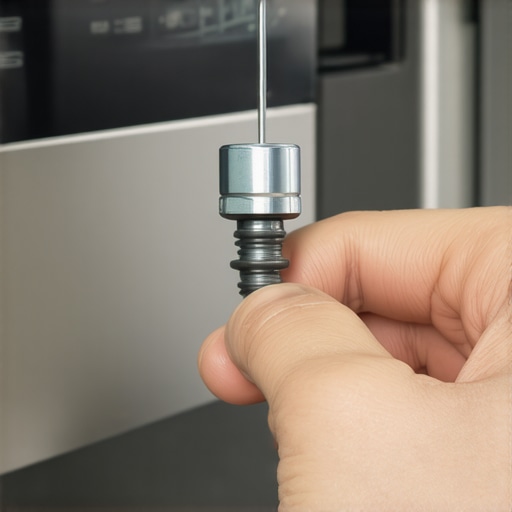 When it comes to diagnosing and repairing dishwashers and ovens, many DIY enthusiasts and even professionals often fall prey to misconceptions that hinder effective troubleshooting. Let’s **dig deeper** into some common myths and advanced mistakes that can ultimately lead you astray. Understanding these nuances not only sharpens your skills but can save you time and costly errors.
One pervasive myth is that replacing the most ‘common’ parts, like the water inlet valve or float switch, always fixes the problem. In reality, this approach overlooks the *interconnected nature of appliance systems*. For example, if a dishwasher isn’t filling, focusing solely on the inlet valve might seem intuitive, but sometimes, electrical glitches at the control board or faulty wiring are the root causes. Relying purely on parts replacement without thorough diagnostics can lead to unnecessary expenses. For expertise-backed insights, visit this comprehensive repair guide.
Another misconception is that all components are equally likely to fail. This can lead to random replacements, which often prolong the repair process and increase costs. Advanced diagnostics with multimeters and circuit testers are essential—they help identify *unexpected faulty wiring or control system issues* that many overlook. Using diagnostic tools effectively distinguishes between a failed part and an electrical fault, which is crucial for a quick fix. For detailed strategies on diagnostics, check out these diagnostic strategies.
A critical pitfall is underestimating the ‘hidden’ nuances within appliance behavior. For example, a dishwasher that fills intermittently might seem like a float switch problem, but often it’s caused by subtle issues like a malfunctioning relay controlling the inlet valve. These *less obvious electrical anomalies* are tricky but common causes. Recognizing such nuances can give you a significant edge. Experts suggest comprehensive testing of relay circuits and control signals—learn more about this at this expert repair resource.
Most importantly, many repair attempts fail because of a misunderstanding about the sequence of troubleshooting. Jumping to parts replacement without sequential diagnostics—checking power supply, wiring, control signals—can create a cycle of guesswork. A systematic approach, guided by detailed diagnostics, ensures you target the real cause efficiently. Adopt the mindset of a technician by doing step-by-step testing, as highlighted in these stepwise troubleshooting tips.
Finally, keep in mind that modern appliances often rely on complex electronic control boards. An LED indicator or error code can be misleading if interpreted incorrectly. Sometimes, the issue is a minor solder joint crack or a swollen capacitor, rather than a failed relay or sensor. Visual inspections paired with electrical testing are critical, especially in advanced devices. For example, a recent study emphasizes that *microscopic hardware defects* cause a significant percentage of control failures, reinforcing the importance of meticulous inspection—see this expert article.
**Harboring misconceptions about parts and diagnostics can turn a straightforward repair into a costly, time-consuming ordeal.** Embrace systematic troubleshooting, leverage diagnostic tools, and stay updated with expert insights. This way, you’ll not only fix appliances faster but also develop a deeper understanding of their intricate workings. Have you ever fallen into this trap? Let me know in the comments.
Investing in Quality Diagnostic Tools for Longevity
When it comes to maintaining your appliances over time, having the right tools is essential. I swear by a reliable digital multimeter, preferably one with auto-ranging capability. It allows me to quickly check voltage, resistance, and continuity without having to juggle multiple devices, saving me valuable time during diagnostics. Additionally, I use a digital clamp meter for quick current measurements on wires—this helps identify issues like a faulty relay or wiring problems that might not be apparent through visual inspection alone. For more nuanced diagnostics, I rely on a specialized appliance test lead kit, which simplifies connecting to hard-to-reach terminals and internal components, making troubleshooting more precise and less stressful.
Another must-have is a precision screwdriver set with insulated handles. This ensures safety while dismantling panels or removing connectors. I also recommend keeping a magnifying glass handy—many control boards have tiny solder joints and components that benefit from close inspection. Consistently using these tools ensures you catch problems early, extending the lifespan of your appliances and avoiding costly replacements.
The Power of Diagnostic Software and Apps
On the software side, diagnostic apps designed for appliance repair are transforming how we troubleshoot. I personally use a Bluetooth-enabled multimeter that pairs with my smartphone to log readings and spots fluctuations over time. This data-driven approach helps identify intermittent issues before they become major failures. Additionally, some manufacturers provide proprietary diagnostic software accessible via USB or Wi-Fi, which can run comprehensive tests on control boards and sensors—saving both time and guesswork. As technology evolves, I predict that AI-powered diagnostic platforms will become more prevalent, offering remote analysis and step-by-step guidance for even complex issues.
How do I maintain tools and diagnostics equipment over time?
Regular calibration of your multimeter and testing equipment is crucial for accuracy. I schedule biannual calibration checks, either by professional services or using certified calibration standards. Keeping tools clean and stored properly prevents corrosion and damage—this prolongs their lifespan and ensures reliable readings. Maintaining an organized toolkit—themed with labeled compartments for different device parts—makes troubleshooting more efficient. For digital tools, updating software firmware when available ensures you have the latest features and bug fixes. Investing in quality equipment and caring for it diligently pays off in the long run, making repairs faster, more accurate, and less stressful. And don’t forget—when diagnosing complex issues like control board failures, referring to expert guides such as this resource can give you a strategic edge.
Ready to level up? Try calibrating your multimeter today using a certified standard. Accurate measurements are the backbone of effective diagnostics and long-term appliance health.
3 Lessons I Didn’t See Coming About Parts and Diagnostics
One of the most eye-opening realizations in appliance repair was understanding how often my assumptions about faulty parts led me astray, costing me time and money. I once replaced a sensor consecutively twice, only to find out later that a loose wiring connection was the real culprit. That lightbulb moment taught me to always trace electrical signals before jumping to replacements. I’ve learned that patience and methodical testing save resources and frustration, especially when dealing with complex systems like control boards or inlet valves. I’ve also discovered that a little bit of knowledge about how components interact can turn a frustrating no-fill or no-heat issue into a quick fix—if you know where to look. Lastly, embracing the fact that each appliance has its quirks—and that troubleshooting is partly an art—has made me more confident and less stressed when tackling repairs.
Tools and Resources That Changed My Repair Game
Over years of troubleshooting, I’ve come to rely on a handful of trusted tools and resources. A good digital multimeter with auto-ranging has been invaluable for quickly identifying electrical faults within control boards and wiring. A specialized appliance test lead kit allows me to access internal components with precision, which is a game-changer for diagnosing hidden issues. For expert guidance, I turn to comprehensive repair guides like this resource. Additionally, staying updated with diagnostic software compatible with modern appliances helps me spot issues that aren’t visible to the naked eye. Investing in quality tools and continually learning about new diagnostic techniques has saved me countless hours and repair costs, and I believe every DIYer or technician should prioritize tools that boost confidence and accuracy.
Embrace the Challenge and Trust Your Skills
Repairing appliances like dishwashers and ovens is less about magic and more about patience, logical thinking, and knowing when to seek additional insights. Every successful fix boosts your confidence and reminds you that many issues can be addressed without replacing entire components. The key is to stay curious, keep honing your diagnostic skills, and don’t shy away from complex problems—they’re often the best teachers. Remember, the more you learn, the less daunting appliance repair becomes. So go ahead—pull out that multimeter, check those connections, and embrace your inner repair hero. What’s the most surprising thing you’ve discovered when troubleshooting your appliances? Share your story below, and let’s learn together from each other’s experiences.