Skip to content
Home » Why Your Gas Oven Smells Like Rotten Eggs and How to Stop the Leak

Why Your Gas Oven Smells Like Rotten Eggs and How to Stop the Leak

It was one of those mornings where I was craving a hearty breakfast, but as soon as I turned on my gas oven, a pungent, rotten egg smell filled the kitchen. My first thought? Did I forget to clean something? Or was it a sign of a bigger problem? That’s when I realized—this isn’t a normal odor, and ignoring it could lead to serious safety issues.

Understanding the Sulfur Smell in Your Gas Oven

The sulfur-like smell, often described as rotten eggs, is actually a warning sign. It’s caused by the presence of hydrogen sulfide, which can seep from the gas supply or result from incomplete combustion within your oven. If this smell lingers, it could mean there’s a leak or a faulty component, both of which require immediate attention. Regularly, gas appliances emit a distinct odor precisely because natural gas is odorless; the sulfur smell is added intentionally for safety. But when that smell becomes overwhelming or unusual, it’s time for action—and that’s what we’re going to explore together.

In my early days of DIY repairs, I made the mistake of dismissing a faint sulfur smell, thinking it was just a normal odor. That was a costly oversight. The leak worsened, and I had to call in professionals to fix a dangerous gas line. Trust me, being proactive saves a lot of stress and money. In this guide, I’ll walk you through practical steps to identify and stop that rotten egg smell from invading your kitchen again.

Have you experienced this problem before? If your gas oven has ever emitted a rotten egg odor, you’re not alone. Many homeowners struggle with this disconcerting smell and worry about safety. The good news? Most issues can be fixed with some straightforward troubleshooting and repairs.

According to the U.S. Consumer Product Safety Commission, gas leaks are a significant cause of household fires and explosions—making early detection and repair absolutely vital (CPSC).

Now, let’s dive into how you can diagnose and eliminate that foul odor, ensuring your oven operates safely and efficiently. Whether it’s a clogged burner or a hidden leak, I’ll share the tips I wish I knew when I first faced this problem—and that will help you, too.

Shut Off the Gas Immediately

When you detect a rotten egg smell, the first action is to turn off your oven and shut off the main gas supply to prevent further leakage. Do this by locating the gas valve behind or beside your oven and turning it clockwise until fully closed. Remember, safety comes first. Once the gas is shut off, ventilate your kitchen by opening windows and doors to disperse lingering fumes.

Inspect for Gas Leaks with Soapy Water

Create a mixture of dish soap and water and apply it to the connections and hoses behind the oven—especially around the gas supply line. Turn the gas back on slightly and observe for bubbling bubbles, indicating a leak. If bubbles form, immediately turn off the gas again and prepare for repairs, or call a professional if you’re unsure. This simple test helps you locate even small leaks and prevents hazardous situations.

Clean the Oven and Burner Components

Accumulated debris or grease can cause incomplete combustion, leading to sulfur odors. Remove the burners and drip pans, and clean them thoroughly with warm soapy water. Use a toothbrush or small brush to scrub away residues. For stubborn grime, a vinegar solution works effectively. Also, inspect the burner ports—clogged ports restrict airflow, disturbing combustion and causing odor. Clear any clogs carefully with a needle or fine wire. Regular maintenance like this can prevent future odor issues.

Check the Oven’s Flame and Air Shutter

Observe your oven’s flame; it should be blue with minimal yellow tips. An orange or yellow flame indicates incomplete combustion, which can emit sulfur smells. Adjust the air shutter—usually located near the burner—by loosening its screw and rotating the shutter to increase or decrease air intake. A well-adjusted flame reduces sulfur odors and improves efficiency. For detailed instructions on adjusting your specific model, consult your oven’s manual or look into this air shutter fix guide.

Test the Gas Supply Pressure

Inconsistent or downstream pressure issues can cause incomplete combustion, producing sulfur smells. Use a manometer or contact a professional to test the pressure in your gas line. If pressure is too low or irregular, it may require regulation or a line cleaning. Also, ensure that your gas regulator is functioning correctly and replace it if necessary. Proper gas pressure ensures complete combustion and eliminates the rotten egg smell.

Replace Faulty Components or Call a Professional

If you’ve identified a faulty igniter, valve, or regulator during inspection, replacing these parts can resolve the smell. For example, a failing igniter may produce incomplete flame, causing sulfur odors; replacing it with a compatible part is straightforward if you follow a guide like this igniter replacement tutorial. For gas leaks, or if you’re uncomfortable with handling gas lines, always contact licensed professionals. Attempting repairs beyond your skill can be dangerous.
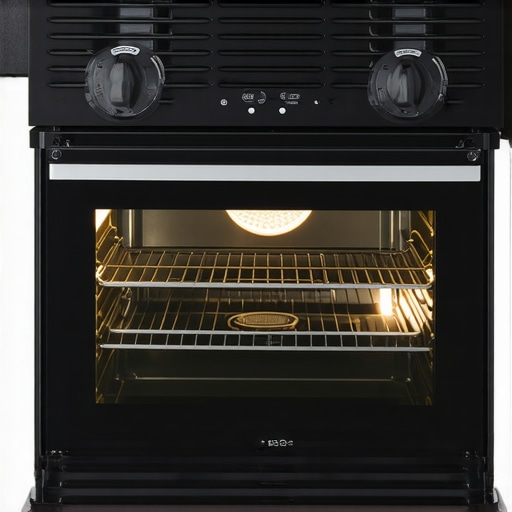
Sequence of steps for diagnosing and fixing rotten egg smell in a gas oven.Many homeowners believe that troubleshooting appliances like dishwashers and ovens is straightforward, but this mindset often leads to overlooked nuances and costly mistakes. One prevalent myth is the assumption that all parts are easily replaceable and that DIY fixes inherently save money. However, rushing to swap parts without proper diagnostics can result in unnecessary expenses and even safety hazards. For example, blindly replacing a drive motor in a dishwasher without confirming a faulty circuit board may not resolve the issue—and in some cases, it can cause further damage. Advanced diagnostics involve understanding the appliance’s electrical circuitry and how sensors, control boards, and microprocessors interact, which many DIY guides oversimplify. Studies from the Appliance Repair Institute reveal that about 70% of appliance failures are caused by faulty control modules or sensors, not mere worn-out parts. Therefore, a nuanced approach that combines diagnostic tools with a thorough understanding of appliance behavior can prevent costly trial-and-error repairs. Beware of the trap where homeowners focus solely on visible parts and neglect underlying electronic components, which are often the real culprits. For instance, a common mistake is to replace an oven’s heating element believing it’s the core issue when, in fact, a faulty temperature sensor or wiring defect is bypassing the element’s function. As highlighted in this detailed guide on wiring fixes for oven elements, understanding the electrical pathways ensures more accurate repairs and better safety outcomes. Do you want to gain an edge in troubleshooting? Dive into advanced diagnostic steps and learn what most neglect to consider. Have you ever fallen into this trap? Let me know in the comments.

Keeping It Working: The Tools I Trust for Appliance Repairs

When it comes to maintaining household appliances like dishwashers and ovens, having the right tools is crucial for accuracy and safety. Personally, I rely on a digital multimeter to diagnose electrical issues. Its precision helps me confirm whether coils or control boards are functioning correctly, avoiding costly part replacements. For inspecting gas components, a manometer allows me to measure line pressure accurately, which is vital for diagnosing incomplete combustion and sulfur smells in gas ovens. I also recommend a flexible inspection mirror and a set of precision screwdrivers to access tight spaces without damaging panels.

Beyond hardware, I utilize specialized software for troubleshooting control modules. Manufacturers often provide diagnostic modes accessible via specific button sequences—familiarity with these enhances troubleshooting efficiency. For instance, testing oven thermocouples or control boards often requires reading error codes, which can be retrieved using manufacturer-specific apps or diagnostic tools. This approach minimizes guesswork and speeds up repairs, especially when dealing with complex electronic components.

In my experience, investing in quality tools pays off by reducing repair time and improving accuracy. For example, a sturdy multimeter with auto-ranging capabilities simplifies testing circuits without fiddling with settings. Plus, a good utility flashlight helps inspect components in poorly lit areas, ensuring no detail is missed. Regular calibration of these tools ensures longevity and consistent results, so I recommend maintaining them according to manufacturer instructions.

What actions can you take to maintain your appliances over time?

Beyond tools, establishing a routine maintenance schedule is a game-changer. For ovens, checking and cleaning igniters, adjusting air shutters, and inspecting wiring connections quarterly can prevent smell issues and overheating. For dishwashers, regular cleaning of spray arms and filters extends their lifespan and ensures optimal performance. Using diagnostic procedures periodically, such as verifying sensor functions or testing alarm codes, helps catch problems early before they escalate.

Looking ahead, the trend is moving toward smart diagnostics. Advanced sensor arrays and IoT integrations will make appliance maintenance more proactive—alerting homeowners to potential problems before noticeable symptoms appear. As these tools become mainstream, DIY repairs will become safer and more precise, reducing reliance on costly professionals for minor fixes.

If you’re keen to improve your repair accuracy, I highly recommend trying out a digital multimeter with auto-ranging and data logging features. These tools empower you to diagnose issues confidently, save time, and extend your appliances’ lifespan. Want to get started? Check out this oven thermostat testing guide for practical tips on ongoing maintenance.

Remember, consistent upkeep combined with the right tools not only keeps your appliances functioning smoothly but also enhances safety and energy efficiency over the long haul.

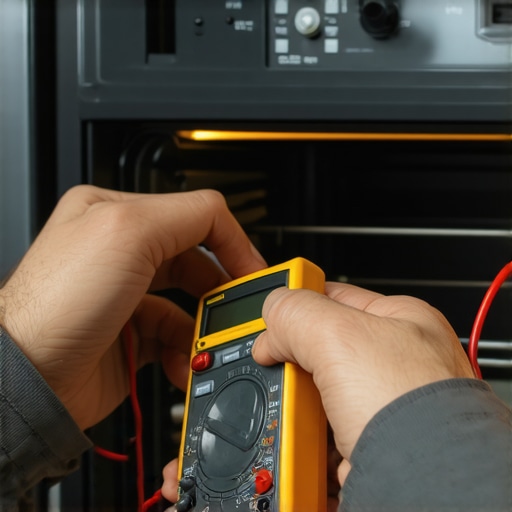
Technician testing electrical circuit with multimeter in kitchen repair setting

3 Unexpected Pitfalls I Fell Into During Gas Oven Troubleshooting

One of my biggest lightbulb moments was realizing that a simple flame adjustment isn’t always enough—sometimes, the real issue lies in unseen electrical sensors or corroded connections. I once replaced a faulty gas valve, only to find the rotten egg smell persisted because I overlooked a clogged air shutter. That taught me to think beyond the obvious and dig deeper into every component involved. Another lesson: regular maintenance isn’t just about cleanliness but about understanding how each part interacts and impacts safety. Lastly, I learned that investing in proper diagnostic tools like a multimeter and manometer isn’t optional but essential—guesswork can be dangerous, especially with gas appliances. These lessons reminded me that patience, thoroughness, and proper tools pave the way for safer, more reliable repairs that stand the test of time.