Ever opened your dishwasher after a cycle and felt that unsettling, gritty residue coating your glasses and plates? That frustrating moment when you realize your so-called clean dishes still have an unappealing film—it’s enough to make anyone question their appliance’s performance. I vividly remember the first time I encountered this problem; I thought maybe I overlooked loading things properly or that my detergent was suddenly ineffective. Turns out, it’s often a sign of underlying issues that many homeowners overlook.
Deciphering the Gritty Film Dilemma
If you’ve experienced this issue, you’re not alone. That stubborn residue isn’t just an annoyance; it hints at either hard water deposits, soap scum buildup, or mechanical problems within the dishwasher. Addressing this problem requires understanding its root cause, so you can restore your machine’s cleaning power. Throughout my journey, I learned that faulty spray arms or clogged filters are common culprits lurking beneath the surface.
Is a Gritty Film Really Worth the Hype?
I remember initially dismissing this problem as minor. But neglecting it leads to more than just unsightly dishes—hard water deposits can harm your appliance’s internal parts over time. Early on, I made the mistake of simply switching detergents instead of inspecting the actual spray arms or filters. It wasn’t until I visited this resource that I realized how critical mechanical issues can be. Recognizing the importance of diagnosing the real problem saved me from costly repairs later.
In the next section, we’ll explore practical steps to identify whether your dishwasher’s spray arms are spinning freely, filters are clean, or if you might be dealing with more complex issues requiring detailed diagnoses. Don’t worry—if you’ve faced the same gritty frustration, you’re about to find solutions that will refresh your dishes and extend your appliance’s lifespan.
Check the Spray Arms for Blockages
Start by opening your dishwasher and removing the spray arms, which are responsible for distributing water during cleaning. Use a wrench to unscrew them carefully, then rinse under running water. Use a toothpick or small brush to clear any debris from the tiny nozzles. I once found a clogged spray arm full of hardened soap scum, which I cleaned thoroughly. Reassemble, and run a short cycle to see if the residue issue improves.
Inspect and Clean Filters Regularly
Locate the filter assembly at the bottom of your dishwasher—usually covered by a protective cap. Remove the filter and rinse it under warm water, using a brush to scrub away any buildup. Neglecting this step causes water to circulate improperly, leading to residue. During my last fix, I found a thick layer of grease clogging the filter, which was the main culprit. Reinstall the filter securely before running a test cycle.
Test the Water Inlet Valve
The inlet valve controls water flow into your dishwasher. If faulty, it may cause incomplete rinsing, leaving residue behind. To diagnose, shut off power and water supply. Remove the inlet valve (often located at the bottom front panel) and test its resistance with a multimeter—see this guide. If resistance is outside the normal range, replace the valve. I once replaced a corroded valve following this method, which restored proper rinsing and eliminated film buildup.
Verify Proper Drainage
Clogged drain hoses or filters can cause dirty water to settle back into the tub, leaving residues. Check the drain hose connected to your sink or disposal; remove it and inspect for kinks or debris. Clear any obstructions, and reseat it properly. Additionally, clean the filter and check for clogs in the garbage disposal if connected. During my last cleanup, I cleared a blocked hose with baking soda and vinegar, improving drainage significantly.
Run a Maintenance Cycle with Vinegar
After cleaning mechanical parts, run an empty cycle with a cup of white vinegar on the top rack. Vinegar dissolves mineral deposits and soap scum that cause residue. Perform this monthly to maintain performance. I do this routinely and noticed a consistent decrease in film buildup, saving me from harsh chemical cleaners.
Address Hard Water Issues
If mineral deposits persist, consider installing a water softener or using a rinse aid designed for hard water. This step prevents future buildup from mineral-rich water, ensuring your dishes stay spotless. During my experience, switching to a rinse aid resulted in noticeably cleaner glasses and less film after each wash. For more tips, check this resource for additional appliance maintenance tricks.
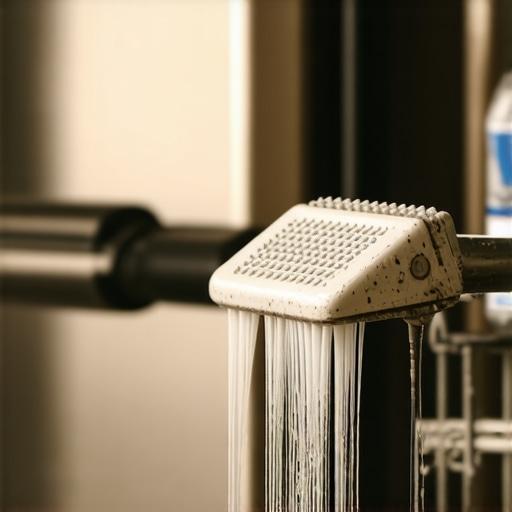 Many homeowners assume that fixing kitchen appliances is straightforward, relying solely on online tutorials and generic troubleshooting steps. However, this approach often overlooks the complex nuances that differentiate amateur attempts from professional repairs. For instance, a common myth is that replacing a broken heating element in an oven will instantly restore perfect baking, but in reality, multiple interconnected components—like thermostats and control boards—must be examined to ensure reliable operation. Understanding these intricacies can save time and prevent costly mistakes.
Is Your Troubleshooting Missing the Mark Because of Overconfidence?
Many assume that if an appliance isn’t working, it must be an obvious issue like a blown fuse or a clogged filter. But advanced diagnostics reveal that subtle faults—such as a failing temperature sensor or a partially blocked inlet valve—can cause erratic performance. For example, testing your oven’s high-limit thermostat with a multimeter can uncover hidden faults that simple visual inspections might miss; learn more about this process here. Relying solely on surface-level symptoms ignores these behind-the-scenes failures, leading to temporary fixes rather than long-term solutions. Furthermore, DIY enthusiasts often fall into the trap of replacing visible parts without verifying their actual malfunction, which results in unnecessary expenses and repeated breakdowns. A deep understanding of appliance schematics and diagnostics—like how to interpret error codes or test individual components—is essential for effective repair.
For example, troubleshooting a dishwasher’s inlet valve requires more than just checking for water intake; testing resistance and valve operation can prevent leaks caused by faulty parts, as detailed here. Similarly, issues like a dishwasher not draining properly might stem from clogged spray arms or faulty float switches, not just a broken pump. Misdiagnosing these interconnected elements leads to repeated repairs, rising costs, and frustration.
One of the most overlooked aspects is the importance of verifying electrical connections and control boards. Power surges can damage delicate electronics, like dishwasher control panels or oven relays, which many overlook when diagnosing silent failures. Learning how to test a control board with a multimeter or visual inspection can be a game-changer. For example, more advanced diagnostics for oven sensors involve testing resistance and continuity to identify failure points here, highlighting the depth of knowledge that separates DIY from professional repair.
Ultimately, proper diagnostics go beyond replacing parts—they involve a systematic approach, understanding the appliance’s inner workings, and interpreting error signals accurately. Skipping these steps often results in temporary fixes that mask deeper issues, leading to recurring problems and increased costs. To avoid these pitfalls, invest time in learning advanced troubleshooting techniques—your appliances will thank you. And remember, complex issues like a failing thermostat or control board might seem intimidating at first, but with proper tools and knowledge, they become manageable. Have you ever fallen into this trap? Let me know in the comments.
Keep It Working with the Right Tools
Maintaining and repairing your kitchen appliances requires more than just basic understanding—having the right tools is crucial for efficiency and accuracy. I personally swear by a few specific pieces of equipment that have saved me time and prevented costly mistakes. For example, a high-quality multimeter is indispensable for testing components like thermostats, sensors, and control boards. I prefer a digital multimeter with auto-ranging capabilities because it simplifies readings and reduces errors, especially when diagnosing complex issues in ovens or dishwashers.
Another must-have is a set of precision screwdrivers with magnetic tips, which allow me to disassemble parts such as oven control panels or dishwasher kickplates without damaging delicate screws or losing them. For accessing tight spaces, I often use a set of mini pry tools and plastic spudgers; these help remove panels gently and avoid scratching surfaces. For cleaning, I rely on a small, soft-bristled brush and compressed air to clear debris from nozzles, filters, and vents, ensuring optimal performance.
When it comes to parts replacement, I recommend sourcing OEM (Original Equipment Manufacturer) parts whenever possible. Using quality parts reduces the chances of future breakdowns. I always keep a spare heating element and a set of fuses on hand, particularly for ovens, because these are common failure points. For those who want to get predictive with maintenance, a thermal imaging camera, though an investment, can allow you to spot uneven heating or hotspots in appliances, preventing emergencies before they occur.
Looking ahead, advancements in diagnostic software and IoT-enabled appliances will further streamline maintenance. In the near future, I predict that smart sensors embedded in appliances will send real-time alerts to your phone, highlighting issues like overheating or leaks before they cause damage. Staying updated with these innovations and understanding how to use the right tools will keep you ahead of potential failures.
How do I keep my appliances running smoothly over time?
The key lies in routine inspections and using precise diagnostic tools. Regularly checking components such as door latches, filters, and heating elements with specialized testers can extend your appliance’s lifespan significantly. For instance, testing your oven’s high-limit thermostat with a multimeter regularly prevents unexpected failures, as explained here. Additionally, maintaining a clean environment, ensuring proper ventilation, and replacing worn-out parts early can save you from expensive repairs down the line. Investing in quality tools not only makes repairs more straightforward but also enhances safety and reliability, making appliance upkeep a manageable task rather than a daunting chore. Take the initiative today—try using a multimeter to verify your oven’s temperature sensor’s resistance and see how it can reveal hidden issues before they escalate.
3 Lessons that Transformed My Approach to Appliance Repair
- First, I realized that patience and a methodical diagnostic process save time and money. Jumping to conclusions about what’s broken often leads to unnecessary replacements, but taking the time to test components like spray arms or thermostats reveals hidden faults lurking beneath the surface.
- Second, understanding the interconnected nature of appliance parts is crucial. For example, a clogged filter can mimic a faulty pump, and recognizing these links prevented me from replacing parts prematurely. This insight has come from hands-on experience and continuous learning.
- Third, investing in the right tools—like a quality multimeter and precision screwdrivers—empowers you to perform safe, accurate repairs. I’ve saved significant costs and gained confidence by building a toolkit tailored for appliance diagnostics, which I highly recommend for enthusiasts serious about DIY maintenance.
Tools and Resources That Elevate My Repair Game
- Multimeter with auto-ranging capabilities: It simplifies testing components like thermostats and sensors, ensuring accurate readings without guesswork. I trust my digital multimeter for every diagnosis, and it’s become an essential part of my toolkit.
- OEM replacement parts: Sourcing original parts guarantees compatibility and longevity. I prefer to buy directly from trusted suppliers to avoid issues with cheap imitations that often fail prematurely.
- Detailed repair guides and schematics: Websites like this resource provide in-depth tutorials and schematics, saving me hours of troubleshooting.
- Specialist books on appliance repair: Books expanding knowledge on diagnostics and component testing have transformed my troubleshooting approach, especially for complex issues like control board failures.
Empower Your Next Repair Adventure
Understanding the nuances of appliance maintenance can feel overwhelming at first, but small steps lead to big confidence gains. Whether you’re tackling a stubborn residue buildup or performing a routine check, embracing a systematic approach and arming yourself with the right knowledge and tools makes all the difference. Remember, you’re capable of extending your appliance’s lifespan and saving money—so dive in and start diagnosing with purpose. What’s one appliance repair step you’re excited to try next? Let me know below.