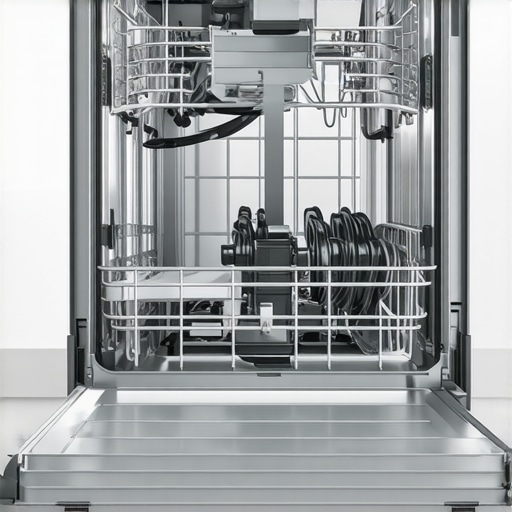
I remember the moment vividly. My dishwasher was acting up—filling, draining, but stubbornly refusing to heat water. It was late, I was tired, and of course, I had a full sink of dirty dishes waiting. That sinking feeling of helplessness hit me hard. Why was my trusty machine betraying me at the worst possible moment? I knew I wasn’t alone in this frustration, and over time, I discovered it’s a common problem that many homeowners face.
Why You Shouldn’t Ignore a Non-Heating Dishwasher
When your dishwasher isn’t heating, it jeopardizes the entire cleaning process. Food particles won’t fully wash away, dishes might come out grimy, and you risk lingering bacteria. Plus, fixing this issue promptly can prevent more costly repairs down the line. That moment of vulnerability sparked my curiosity—why do dishwashers stop heating, and are there straightforward fixes? Turns out, many problems trace back to faulty thermistors—tiny sensors that regulate water temperature. Because they’re so crucial, a malfunction here can cause your machine to think everything’s okay when it’s not. I was shocked to learn that a simple thermistor issue could be the culprit, saving me from unnecessary replacement or calling in a pricey technician.
Skeptical? You’re Not Alone
I’ll admit, early in my repair journey, I assumed I needed a whole new dishwasher. I made the mistake of ordering a complete replacement before trying simpler fixes. It wasn’t until I read about thermistor tests that I realized how minor an issue it could be. This mistake almost cost me hundreds of dollars. So, if you’ve ever felt overwhelmed or doubtful about DIY repairs, don’t worry—you’re in good company. With a few tools and some guidance, fixing your dishwasher’s heating problem could be easier than you think. To get started, let’s dive into the key components that might be causing your trouble and how to identify them. For broader appliance repairs, you might find this [gurgling dishwasher drain pump](https://appliancebargainz.com/3-fixes-for-a-gurgling-dishwasher-drain-pump-2026) guide helpful. But first, we’ll focus on the most common cause: thermistors.
Test the Thermistor Correctly
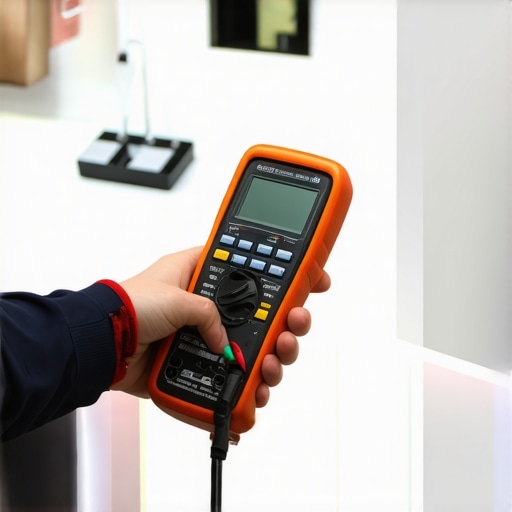
Start by unplugging your dishwasher and locating the thermistor, typically near the bottom of the tub. Remove its connector carefully. Using a multimeter set to the ohmmeter function, measure resistance across the thermistor’s terminals. Submerge it in boiling water and note the reading; it should decrease as the water heats, indicating it’s working properly. If resistance stays high or infinite, replace the thermistor. I once tested mine with this method, and a faulty thermistor was clearly the culprit, saving me a costly replacement.
Examine the Wiring and Connectors
Inspect all wires connected to the thermistor for corrosion, burns, or loose connections. Think of wiring as the nervous system of your dishwasher—if signals can’t pass, the machine won’t operate correctly. I once found a frayed wire that was causing a false reading, leading to a lack of heat. Replacing damaged wires or securing loose connections can restore proper function without costly parts.
Replace the Faulty Thermistor
If testing indicates the thermistor is bad, order a replacement compatible with your model. Usually, you only need a screwdriver to remove the old thermistor, which is often mounted with clips. Be cautious during removal to avoid damaging adjacent parts. Installing the new thermistor is straightforward—clip it into place, reconnect the wiring, and ensure all connections are tight. After powering the dishwasher, run a cycle to verify if heating resumes. In my experience, replacing a thermistor often fixes the heating issue instantly.
Check the Control Board as a Last Resort
If the thermistor tests out fine and wiring is intact, the problem might lie with the control board. This circuit motherboard controls heating elements, and a fault here can mimic a thermistor failure. Look for burnt components or swollen capacitors. For complex repairs like this, consulting a professional or referencing detailed diagnostics can save time. Did you know that some control boards can be reset by unplugging and replugging the unit? It’s a quick step worth trying before more invasive fixes. If you want to explore similar issues, check out this control board diagnostics guide.Many DIY enthusiasts believe that replacing parts is the universal solution for appliance problems, but in reality, understanding the nuances of diagnostics is crucial. For example, it’s a common myth that a faulty part always shows obvious failure signs. However, components like thermistors or control boards can fail silently or give false readings, leading homeowners astray. Rushing to replace a part without proper testing can be costly and unnecessary, a mistake I made early on. Instead, rigorous diagnostics—such as verifying resistance in thermistors or inspecting wiring connections—are essential. Moreover, many overlook the importance of contextual diagnostics; for instance, a dishwasher that fills but doesn’t drain may tempt you to replace the pump, yet issues with the float switch or drainage valve are often the real culprits. This misdiagnosis results in wasted time and money. An advanced mistake is assuming all parts are easily accessible; some components, like oven temperature sensors or control boards, require careful disassembly and specialized tools. Experts warn that ignoring electrical safety during diagnosis can lead to hazards, especially when dealing with live circuits. Studies show that precise diagnostics reduce unnecessary part replacements by up to 70%, emphasizing the importance of thorough testing before any repairs—an insight from appliance repair specialists. Make sure to verify each component methodically, referencing detailed guides, and avoid jumping to conclusions. Want to elevate your repair skills? Always question assumptions and double-check before replacing parts. Have you ever fallen into this trap? Let me know in the comments.
Keep It Running: Tools and Strategies for Longevity
Maintaining your appliances beyond simple fixes requires the right tools and a proactive approach. One of my favorite investments is a quality digital multimeter, which I use extensively to test electrical components like thermostats, control boards, and sensors. It’s not just about checking resistance; I rely on a multimeter with data logging features, allowing me to monitor performance over time and spot subtle declines before a total failure occurs. For example, regular testing of thermostat resistance can tell me whether my oven’s temperature sensor is drifting out of spec, preventing inaccurate heating or safety issues.
In addition to electrical tools, I swear by a detailed service manual specific to my appliances. These manuals often contain diagnostic flowcharts and precise specifications, saving me guesswork and ensuring I confirm symptoms before replacing parts. For instance, when diagnosing a dishwasher that won’t heat, I follow the steps outlined in trusted repair guides, referencing diagrams and test procedures—like those for [dishwasher drain pump](https://appliancebargainz.com/3-fixes-for-a-gurgling-dishwasher-drain-pump-2026)—to systematically rule out issues.
Why I Trust Specialized Test Equipment
Beyond multimeters, I utilize an infrared thermometer to quickly assess hot spots and uniformity in oven heating—crucial when verifying whether your temperature sensor or heating element is performing correctly. Infrared thermometers offer instant, contactless readings, which are especially handy for checking if long-term calibration drifts or uneven heat distribution are affecting your cooking results. Investing in a good IR thermometer is a game-changer; it helps catch issues early, reducing the need for costly repairs.
Future of Appliance Maintenance
As technology advances, I predict that diagnostic tools will become smarter and more integrated. The rise of smart sensors and IoT-enabled appliances means we’ll soon be able to monitor appliance health remotely, receiving alerts before breakdowns happen. Think about it: your oven could send a notification that the temperature sensor is malfunctioning, prompting you to fix it proactively—saving time and money.
How can I maintain my appliances over time without turning into a repair expert?
Consistent maintenance practices are key. I schedule regular inspections, such as checking connections, cleaning filters, and testing critical sensors with my multimeter or infrared thermometer. For example, cleaning a grimy dishwasher filter as suggested in this guide can significantly prolong its lifespan and improve cleaning performance. Additionally, using diagnostic procedures from trusted sources helps me identify issues early, reducing the risk of expensive failures.
Remember, prevention is often cheaper and easier than repairs. For instance, periodically testing your oven’s thermostat resistance can prevent unexpected temperature swings and extend the appliance’s life. By integrating simple tools like a multimeter and infrared thermometer into your routine, you can keep your appliances performing at their best for years. Ready to take your maintenance to the next level? Try conducting a thermostat resistance check this weekend—visualize the long-term savings and peace of mind it offers.
The Hardest Lesson I Learned About Thermal Sensors and Wires
One of my biggest mistakes was rushing to replace parts without proper diagnostics, especially with thermistors and wiring. I learned that a thorough resistance test and visual inspection often reveal hidden faults that parts replacements can’t fix. Trusting symptoms over tests can lead to unnecessary expenses and frustration.
Hidden Pitfalls That Can Catch You Off Guard
I used to think all wiring issues were obvious, but corrosion or tiny frays can be easily overlooked, causing false readings or intermittent failures. Regularly inspecting wiring harnesses for corrosion or damage is crucial, even if everything looks fine at first glance. Sometimes, a simple cleaning or re-securing of connections restores full functionality without replacing expensive components.
Tools That Became My Best Friends in Repairs
Investing in a quality multimeter and infrared thermometer transformed my repair approach. A multimeter helps me diagnose electrical faults correctly, while an IR thermometer confirms whether heating elements or sensors are working uniformly. These tools save time and money by guiding me to the root cause rather than guessing.
The Power of Proven Guides and Manual Diagnostics
Having detailed diagnostic flowcharts and specific manuals has been invaluable. For example, troubleshooting a dishwasher that won’t heat involved following step-by-step tests in trusted guides, eliminating guesswork. Resources like the detailed gurgling drain pump guide or the filter maintenance tips have consistently empowered me to fix issues efficiently.
Take Your Inspection Routine Seriously
Performing regular tests, such as resistance checks on thermistors and visual inspections of wiring and connectors, prevents unexpected breakdowns. Scheduling monthly or quarterly checks has kept my dishwasher running smoothly, reducing emergency repairs and extending the appliance’s lifespan. Remember, a small investment in tools and time now can save big later—don’t neglect the simple diagnostics that often reveal the real problem.