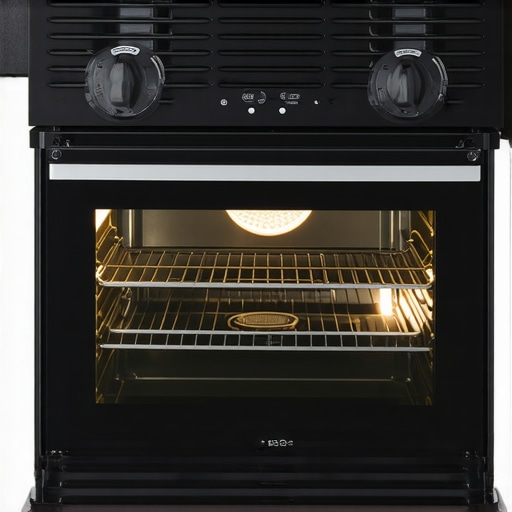
It was one of those mornings where I was craving a hearty breakfast, but as soon as I turned on my gas oven, a pungent, rotten egg smell filled the kitchen. My first thought? Did I forget to clean something? Or was it a sign of a bigger problem? That’s when I realized—this isn’t a normal odor, and ignoring it could lead to serious safety issues.
Understanding the Sulfur Smell in Your Gas Oven
The sulfur-like smell, often described as rotten eggs, is actually a warning sign. It’s caused by the presence of hydrogen sulfide, which can seep from the gas supply or result from incomplete combustion within your oven. If this smell lingers, it could mean there’s a leak or a faulty component, both of which require immediate attention. Regularly, gas appliances emit a distinct odor precisely because natural gas is odorless; the sulfur smell is added intentionally for safety. But when that smell becomes overwhelming or unusual, it’s time for action—and that’s what we’re going to explore together.
In my early days of DIY repairs, I made the mistake of dismissing a faint sulfur smell, thinking it was just a normal odor. That was a costly oversight. The leak worsened, and I had to call in professionals to fix a dangerous gas line. Trust me, being proactive saves a lot of stress and money. In this guide, I’ll walk you through practical steps to identify and stop that rotten egg smell from invading your kitchen again.
Have you experienced this problem before? If your gas oven has ever emitted a rotten egg odor, you’re not alone. Many homeowners struggle with this disconcerting smell and worry about safety. The good news? Most issues can be fixed with some straightforward troubleshooting and repairs.
According to the U.S. Consumer Product Safety Commission, gas leaks are a significant cause of household fires and explosions—making early detection and repair absolutely vital (CPSC).
Now, let’s dive into how you can diagnose and eliminate that foul odor, ensuring your oven operates safely and efficiently. Whether it’s a clogged burner or a hidden leak, I’ll share the tips I wish I knew when I first faced this problem—and that will help you, too.
Shut Off the Gas Immediately
When you detect a rotten egg smell, the first action is to turn off your oven and shut off the main gas supply to prevent further leakage. Do this by locating the gas valve behind or beside your oven and turning it clockwise until fully closed. Remember, safety comes first. Once the gas is shut off, ventilate your kitchen by opening windows and doors to disperse lingering fumes.
Inspect for Gas Leaks with Soapy Water
Create a mixture of dish soap and water and apply it to the connections and hoses behind the oven—especially around the gas supply line. Turn the gas back on slightly and observe for bubbling bubbles, indicating a leak. If bubbles form, immediately turn off the gas again and prepare for repairs, or call a professional if you’re unsure. This simple test helps you locate even small leaks and prevents hazardous situations.
Clean the Oven and Burner Components
Accumulated debris or grease can cause incomplete combustion, leading to sulfur odors. Remove the burners and drip pans, and clean them thoroughly with warm soapy water. Use a toothbrush or small brush to scrub away residues. For stubborn grime, a vinegar solution works effectively. Also, inspect the burner ports—clogged ports restrict airflow, disturbing combustion and causing odor. Clear any clogs carefully with a needle or fine wire. Regular maintenance like this can prevent future odor issues.
Check the Oven’s Flame and Air Shutter
Observe your oven’s flame; it should be blue with minimal yellow tips. An orange or yellow flame indicates incomplete combustion, which can emit sulfur smells. Adjust the air shutter—usually located near the burner—by loosening its screw and rotating the shutter to increase or decrease air intake. A well-adjusted flame reduces sulfur odors and improves efficiency. For detailed instructions on adjusting your specific model, consult your oven’s manual or look into this air shutter fix guide.
Test the Gas Supply Pressure
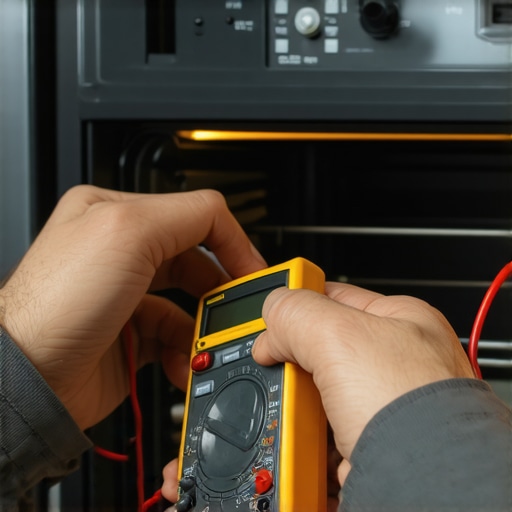
Inconsistent or downstream pressure issues can cause incomplete combustion, producing sulfur smells. Use a manometer or contact a professional to test the pressure in your gas line. If pressure is too low or irregular, it may require regulation or a line cleaning. Also, ensure that your gas regulator is functioning correctly and replace it if necessary. Proper gas pressure ensures complete combustion and eliminates the rotten egg smell.
Replace Faulty Components or Call a Professional
If you’ve identified a faulty igniter, valve, or regulator during inspection, replacing these parts can resolve the smell. For example, a failing igniter may produce incomplete flame, causing sulfur odors; replacing it with a compatible part is straightforward if you follow a guide like this igniter replacement tutorial. For gas leaks, or if you’re uncomfortable with handling gas lines, always contact licensed professionals. Attempting repairs beyond your skill can be dangerous.