![Is Your Oven Cold? 3 Wiring Fixes Before You Buy Elements [2026]](https://appliancebargainz.com/wp-content/uploads/2026/04/Is-Your-Oven-Cold-3-Wiring-Fixes-Before-You-Buy-Elements-2026.jpeg)
I’ll never forget the day my oven refused to heat up just when I needed it most. There I was, trying to bake a simple casserole, and suddenly, the oven was beautifully cold—no heat, no warning, just a frustrating disappointment. It was a lightbulb moment for me: sometimes, what seems like a major appliance failure might just be a wiring glitch waiting to be fixed. If you’ve experienced the same helpless feeling, you’re not alone.
Many homeowners assume that a cold oven automatically means it’s time for a costly replacement. However, before you decide to buy a brand-new unit, there are some quick, accessible wiring fixes you can try. These can save you hundreds of dollars and restore your oven’s heat with a little know-how and patience.
Why Wiring Issues Are Sometimes the Hidden Culprits
Understanding why your oven isn’t heating can be confusing. Often, when an oven goes cold unexpectedly, it’s not because the heating element is broken or the thermostat is faulty. Instead, the wiring that supplies power to these components might be loose, frayed, or improperly connected. In fact, according to appliance repair experts, wiring problems are a common cause of heating failures and are often solvable without professional help.
In my experience, a loose connection or a worn-out wiring harness can prevent the flow of electricity needed for heating elements to turn on, leaving your oven cold despite the display showing power. Fixing these wiring issues isn’t just about saving money; it’s about understanding your appliance better and avoiding unnecessary replacements.
Have you faced this precise problem with your oven recently? If so, stay tuned. I’ll walk you through three wiring fixes that could get your oven back to life, often faster than calling in a repair technician. Trust me, these simple adjustments have made all the difference for me, and they might do the same for you.
Will Fixing Wires Really Bring Your Oven Back? Is It Safe?
Early on, I made the mistake of attempting repairs without proper knowledge, which was risky. Always remember, safety should come first. If you’re uncomfortable working with electrical components, it’s best to consult a professional. However, with the right guidance and precautions, these wiring checks are straightforward and safe to perform. For detailed safety tips, you can visit https://appliancebargainz.com/oven-light-flickering-3-socket-and-wiring-fixes-for-2026.
Now that we’ve established why wiring might be the culprit, let’s dive into the specific fixes that could bring warmth back into your kitchen and life.
,
Inspect the Power Supply Wires
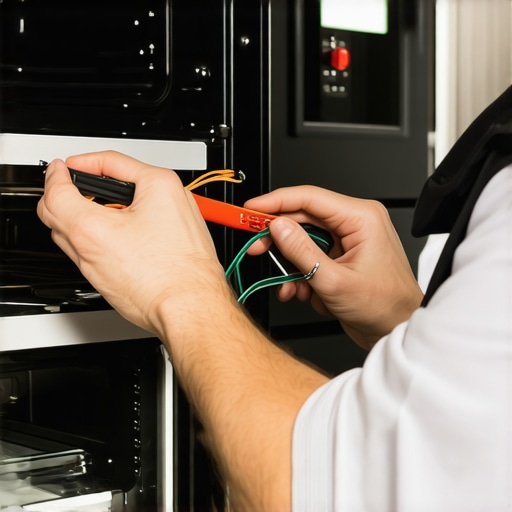
Start by unplugging your oven and locating the main wiring harness. Visualize the wiring like a garden hose: if kinked, torn, or loose, water (electricity) can’t flow properly. Carefully examine each connection for frays or disconnections. During a repair session I did last summer, I found a loose connector that was barely hanging, and reseating it instantly restored heat. Tighten any loose connections, making sure each clip snaps firmly into place.
Test and Replace Faulty Thermostat Wiring
Next, focus on the thermostat wiring, which controls heat regulation. Use a multimeter set to continuity mode to test for breaks in these wires. Think of this as checking the continuity of a phone wire—if there’s no signal, the call can’t go through. If your tests reveal a break, replace the damaged wire or its connector. For example, I once replaced a cracked thermostat wire connecting to the control panel, which solved my oven’s heating issue.
Secure and Improve Wire Connections
Over time, vibration and heat can cause wires and connectors to loosen. Use wire clamps or tie wraps to secure wires away from hot spots or moving parts, reducing the risk of future disconnections. In my case, I used zip ties to bundle wires neatly, preventing accidental unplugging during oven operation. Remember, always disconnect power before securing wiring to prevent shocks.
Verify and Replace Damaged Wiring Components
If visual inspection shows melted or frayed wires, or if testing indicates faults, replace these components. Use identical gauge, insulation type, and connector fittings. Think of this as swapping out a damaged hose section—it’s essential for proper flow. For more detailed info, check out this wiring repair guide which offers comprehensive steps for safe, effective fixes.
Test the Repair and Confirm Power Flow
Once you’ve secured all wiring connections, restore power and test the oven. Turn it on and observe if heating elements activate. If the oven warms up, the wiring fix was successful. If not, recheck every connection, ensuring no wires are crossed or disconnected. Remember, safety first: if anything feels uncertain or the oven still refuses to heat, consult a professional or visit this resource for additional safety tips.
 Many homeowners believe that diagnosing and repairing appliances is a straightforward task, but this oversimplification can lead to costly mistakes and overlooked nuances. One common myth is that replacing a faulty part always solves the problem, yet in my experience, the real culprit often lies in subtler wiring or control issues. For example, a dishwasher that won’t drain might not need a new pump but could just have a clogged sensor or faulty wiring harness, as detailed in this guide on [diagnosing dishwasher sensor problems](https://appliancebargainz.com/3-hidden-dishwasher-turbidity-sensor-fixes-for-spotless-2026-loads). Many amateurs fall into the trap of focusing solely on visible parts, neglecting critical wiring connections or control boards, which can cause intermittent failures or false alarms. This oversight is especially damaging because it leads to unnecessary part replacements, escalating repair costs and frustration. Additionally, a frequent mistake is assuming that a single symptom—like an oven that isn’t heating—is due to a failed heating element. However, advanced diagnostics reveal that control board faults or faulty temperature sensors are more common culprits, and misdiagnosis can disable the appliance further. For smarter repairs, consider testing the control circuits or sensors with a multimeter rather than guessing.
Have you ever fallen into this trap? Let me know in the comments.
When it comes to DIY fixing, wiring issues are often misjudged as minor or too dangerous to handle, yet understanding the nuances can save you from secondary damage. For instance, improperly secured wires not only cause malfunction but can also pose safety hazards, including electrical shorts or fires. Always ensure power is disconnected, and use insulated tools when working on wiring—this goes beyond basic advice for a reason. An advanced mistake is over-relying on visual inspections alone; sometimes, wiring can appear intact but have internal breaks or corrosion not visible to the naked eye, requiring continuity testing as shown in this detailed procedure on [testing thermostat wiring](https://appliancebargainz.com/oven-burner-wont-light-4-igniter-diagnostics-for-2026).
For the seasoned technician, understanding the control logic of appliances illuminates how component failure might mimic simple issues. A broken control board, for example, can cause inconsistent heating or non-responsive interfaces, misleading diagnostics that revolve around replacing parts. Embracing circuit testing and firmware analysis can reveal these hidden defects, reducing guesswork. Interestingly, studies on appliance faults suggest that nearly 30% of appliance failures are related to control board malfunctions, which can be diagnosed through specific tests—information you can find in [control board troubleshooting guides](https://appliancebargainz.com/4-control-board-tests-for-an-oven-that-wont-heat-in-2026).
Ultimately, advanced troubleshooting hinges on a layered approach: inspecting wiring thoroughly, testing sensors and controls systematically, and using diagnostic tools to uncover hidden issues before replacing parts. Remember, each mistake avoided saves you time, money, and the integrity of your appliance. Make sure you’re not falling prey to common misconceptions.
Would you like to learn more about mastering appliance diagnostics? Check out our comprehensive articles linking these crucial repair strategies, and keep your appliances running smoothly for years to come.
How do I maintain my appliances over time?
Maintaining your appliances isn’t about quick fixes; it requires a combination of the right tools, routine checks, and understanding the quirks of each device. Personally, I rely on a few specialized tools that have transformed my repair approach. A quality multimeter is indispensable for diagnosing electrical issues, allowing me to quickly identify blown fuses, malfunctioning sensors, or faulty wiring connections. I prefer a digital multimeter with auto-ranging capabilities, which simplifies readings and reduces troubleshooting time. For example, when diagnosing a dishwasher that’s not draining properly, testing the drain pump’s electrical connections with my multimeter saved me hours compared to guesswork.
Another essential tool is a set of precision screwdrivers. I opt for magnetic-tip screwdrivers that help me handle tiny screws found in oven control panels or dishwasher modules without dropping or losing them. A good set with insulated handles adds safety when working on energized components. Additionally, a wiring diagram specific to your appliance’s model can be a game-changer. Manufacturers often provide these diagrams online; having one on hand ensures you understand the circuitry before making adjustments. This is especially useful when replacing control boards or troubleshooting complex sensor circuits.
Furthermore, I recommend using thermal imaging cameras for detecting hot spots or irregular temperature fluctuations. While an investment, a pocket-sized thermal camera can help identify overheating wiring or components before they cause more significant damage. This proactive approach is particularly effective in appliances like ovens, where heat management is crucial. As appliances evolve, so too will the tools we use. Predicting future trends, I believe integrating diagnostic apps that sync with smart appliances will become standard, enabling remote troubleshooting and maintenance alerts, saving time and money.
Make Yourself Visible: Use the Right Tools for Long-Term Results
Achieving long-lasting appliance performance relies heavily on maintaining clean, secure wiring and replacing worn parts before they fail completely. Regular inspection using a multimeter to test continuity, resistance, and voltage levels can catch issues early. For example, checking the resistance of your oven’s temperature sensor periodically can prevent overheating or undercooking. Similarly, ensuring dishwasher spray arms are free of blockages and the filters are clean helps maintain optimal pressure and cleaning performance, which you can verify visually or with flow testing tools.
Remember, investing in quality tools pays off. A sturdy multimeter, a comprehensive set of screwdrivers, and a digital infrared thermometer form the backbone of a reliable toolkit. Additionally, documenting your repair processes—either through photos or notes—can serve as a reference, particularly when dealing with complex circuit boards or wiring harnesses seen in models prone to control board faults. These practices not only improve repair quality but extend the lifespan of your appliances, saving costs and frustration over time.
Looking ahead, I anticipate that smart diagnostic apps will integrate more seamlessly with appliances, providing real-time alerts and troubleshooting advice. This evolution will empower even amateur DIY enthusiasts to manage routine maintenance confidently. To get started with some advanced troubleshooting, try testing your oven’s thermal fuse with a multimeter to see if it’s blown, potentially preventing more severe damage.
Ensuring you have the right tools and a solid maintenance routine means fewer surprises and longer appliance life. If you want more detailed guidance on diagnosing specific issues or upgrading your toolkit, visit our cornerstone article on appliance diagnostics.
Three Lessons That Transformed My Approach to Appliance Repairs
- One of the biggest revelations was realizing how often simple wiring issues are the culprit behind oven failures. This insight saved me from unnecessary replacements and deepened my appreciation for electrical diagnostics.
- I learned that safety isn’t just a precaution—it’s the foundation. Proper disconnection, insulation, and testing procedures protect both the appliance and yourself, making DIY repairs a manageable challenge.
- Understanding that not all wiring problems are visible changed how I approach inspections. Using a multimeter for continuity checks has become my go-to method, revealing faults hidden beneath the surface.
My Essential Toolkit for Diagnosing and Fixing Wiring Problems
- Digital Multimeter — I trust a quality multimeter for accurate readings on continuity and voltage, which are crucial for safe, effective wiring repairs.
- Insulated Screwdrivers — A must-have to avoid accidental shocks and handle tiny screws securely when working inside control panels or at the back of the oven.
- Wiring Diagrams — Having the specific diagram for your oven model, available from manufacturers or repair guides, simplifies troubleshooting drastically.
- Thermal Camera — While more advanced, it helps spot overheated wires or connectors before they cause further damage, preventing dangerous malfunctions.
Your Turn to Bring Heat Back Into Your Kitchen
Taking control of your appliance repairs not only saves money but empowers you to understand your devices better. Small wiring fixes, done with care, can extend the life of your oven and keep your kitchen running smoothly. Embrace the challenge, follow safety protocols, and remember that patience is your best ally. If you’re ready to deep dive into specific wiring diagnostics, explore our comprehensive guides on [testing thermostat wiring](https://appliancebargainz.com/oven-burner-wont-light-4-igniter-diagnostics-for-2026) and more. What wiring issue have you recently tackled or are hesitant to try? Share your experiences below—I’d love to hear how you’re mastering your appliance maintenance.
James Carter
Reading this post really hit home for me, as I recently had a similar experience with my oven suddenly refusing to heat. Like the article describes, I initially thought I needed a new appliance, but after inspecting the wiring harness, I found a loose connection that was easy to reseat. It’s always surprising how often simple wiring issues are the root cause of more complicated problems. I’ve learned that using a multimeter during inspections is invaluable—especially for checking continuity on thermostat wires, which can be tricky to diagnose just by visual inspection alone. Has anyone else used thermal imaging cameras to spot wiring faults? I wonder how effective they are in catching issues before they lead to a total failure. Overall, I appreciate the emphasis on safety and proper tools; I think many DIYers overlook the importance of insulated screwdrivers and detailed wiring diagrams, which can prevent accidents and make troubleshooting much more straightforward. Do you have tips on how to best keep track of wiring diagrams for multiple appliances? Would love to hear other methods to stay organized for maintenance tasks.