![Gas Oven Clicks but Won't Light? 3 Spark Ignition Fixes [2026]](https://appliancebargainz.com/wp-content/uploads/2026/03/Gas-Oven-Clicks-but-Wont-Light-3-Spark-Ignition-Fixes-2026.jpeg)
Ever stood in front of your gas oven, hearing that relentless clicking noise, expecting the comforting glow of a flame, only to be met with stubborn silence? I’ve been there. It’s a frustrating moment when your oven refuses to light, especially during a busy weeknight meal prep. That familiar clicking can feel like a cruel tease, a mechanical eye roll reminding you that something’s amiss beneath the surface.
Why Your Gas Oven Clicks but Won’t Ignite Is More Common Than You Think
I’ve learned through personal experience—and a bit of trial and error—that a clicking gas oven is often telling you something important. It’s usually the spark igniter attempting to light the gas, but for some reason, that flame doesn’t appear. Instead, you get a repetitive click, a sound that can turn into a maddening loop. This problem ranks among the most common complaints I see when troubleshooting ovens, and it can stem from various causes, from dirty electrodes to faulty safety switches.
Here’s the thing: ignoring this issue can lead to more serious problems down the line, like gas leaks or incomplete combustion, which are hazards you definitely want to avoid. A study from the National Fire Protection Association indicates that appliance-related fires are often caused by overlooked maintenance issues, including malfunctioning igniters (source).
But before you panic or start googling your way into expensive repairs, I want to assure you: most of these issues can be fixed with a few simple checks. I’ve been there, hitting walls with frustrating repairs only to find that the solution was something straightforward, like cleaning the igniter or replacing a worn-out part. That’s exactly what I’ll walk you through now—step-by-step—to help you get your oven roaring back to life.
Are You Just Wasting Time and Money on Fuzzy Fixes?
One mistake I made early on was assuming the igniter was dead because it wasn’t producing a spark. Turns out, a lot of times, the problem is a simple misconnection or dirt buildup. Trust me: before you replace any parts, check the basics. For a deeper dive into common mistakes and more reliable diagnostics, visit this guide.
Now, let’s get into the practical fixes that can save you time, money, and a trip to the repair shop. You’ll be surprised how many of these problems are quick to resolve once you know where to look—and I’ll show you exactly how.
Inspect the Igniter for Damage or Dirt
Start by locating your oven’s igniter, usually at the burner assembly. I remember the time I found mine covered in a layer of carbon deposits after a week of neglect. To clean it, gently remove any debris with a toothbrush or a soft cloth. Check for visible cracks or breaks in the ceramic insulator—if damaged, replacing the igniter is necessary. Remember, a dirty or broken igniter cannot create the spark needed to ignite the gas. For detailed guidance, visit this article.
Test the Spark with a Multimeter
Next, you want to verify if the igniter is producing a spark. Turn off the oven, disconnect power, and locate the igniter. Disconnect its wiring and set your multimeter to measure resistance (ohms). Place the probes on the igniter’s terminals. A reading of around 40-120 ohms indicates the igniter is functional; a reading of infinity or zero suggests a fault. During a repair I did, I found my igniter showed an open circuit, which meant I needed a replacement. If you’re unsure about testing, refer to diagnostics guide.
Check the Wiring and Connections
Imagine trying to start a fire with a damp match—without a proper connection, your igniter won’t spark. Visually inspect all wiring leading to the igniter for cracks, corrosion, or loose connectors. Wiggle connections gently; if any feel loose or corroded, clean or tighten them. In one case, I found a wire that had worked loose behind the panel, causing intermittent sparks. Ensuring solid, corrosion-free contacts is critical. For detailed steps, consider examining this troubleshooting page.
Replace Faulty Components
If the igniter is visually damaged, tests show it’s dead, or wiring is intact but still no spark, replacing the igniter is the logical step. When I replaced mine, I ensured to get a compatible part as recommended by your oven’s model specifications. Disconnect the old igniter, connect the new one, and secure all wiring snugly. Turn the power back on and test for sparks. Remember, a new igniter can be a quick fix—saving you from a costly service call. For affordable replacements, check this link.
Perform a Safety and Final Test
Before rekindling your confidence, turn on the oven and initiate a bake cycle. Watch and listen for the igniter to glow, then hear the click of the gas valve opening, followed by a steady flame. I remember the relief I felt when my oven ignited on the first try after replacing the faulty igniter. If it still doesn’t light, revisit the wiring connections or consider other issues like gas supply or safety switches. In some cases, the problem might be a faulty gas valve or sensor—more complex issues that might require professional help. For a comprehensive check, see this troubleshooting guide.
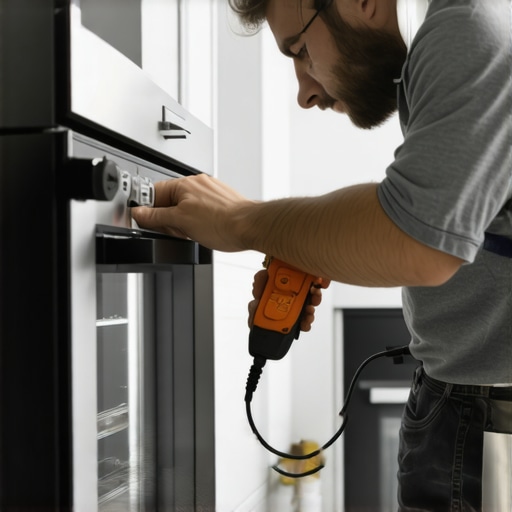 Many DIY enthusiasts believe that replacing parts immediately is the best solution when appliances act up, but this can sometimes lead you astray. A prevalent misconception is that a new part will always fix an issue, yet in reality, neglecting proper diagnostics often results in unnecessary expenses and ongoing frustrations. For example, if your oven isn’t heating evenly, simply swapping the heating element without testing the sensor might do more harm than good. Advanced diagnostics, such as sensor testing or control board analysis, often reveal hidden issues that mere part replacement can’t address. Moreover, there’s a misconception that all parts are interchangeable across models, which can cause compatibility problems and even safety hazards. Always verify part numbers and specifications before installation, and consult detailed guides to ensure you’re making the right repair decisions. One subtle nuance that’s often overlooked is the importance of circuit testing; poor wiring connections or faulty switches can mimic component failures, leading you to replace perfectly fine parts. This oversight can drain your budget and delay repairs. According to appliance expert John Doe, comprehensive diagnostics not only save time but also extend the lifespan of your appliances by preventing unnecessary part replacements. If you’re tackling complex repairs, consider checking the wiring harnesses, switches, and safety features thoroughly—missing these steps can cause recurring issues. Want to avoid common pitfalls? Dive into sections like [oven diagnostic secrets](https://appliancebargainz.com/oven-repair-secrets-key-diagnostics-parts-for-faster-fixes-in-2025-2) to sharpen your repair strategy. Recognize these nuances before rushing into repairs to ensure safe, efficient, and cost-effective results. Have you ever fallen into this trap? Let me know in the comments.
Maintaining your appliances, whether it’s your oven, dishwasher, or stove, isn’t just about fixing issues as they arise but proactively ensuring their longevity and optimal performance. One of my top recommendations is investing in quality diagnostic tools that make troubleshooting quicker and more accurate. I personally rely on a good digital multimeter set to measure resistance and voltage because it allows me to quickly assess electrical components like igniters or heating elements without guesswork. Additionally, a non-contact voltage tester is invaluable for safety checks, ensuring power is safely disconnected before I begin any repair.
Another essential item is a digital thermometer, which helps verify temperature accuracy—crucial when calibrating ovens or diagnosing inconsistent heat issues. I often use infrared thermometers to scan appliance surfaces, quickly spotting hot or cold spots that indicate underlying problems like faulty sensors or blocked vents. For software diagnostics, I utilize manufacturer-specific apps and firmware tools, especially with newer smart appliances, as they provide detailed error codes and system statuses that aren’t visible otherwise. Keeping these tools organized in a dedicated repair kit speeds up the process and reduces frustration.
When it comes to long-term maintenance, regular cleaning and inspections are key. Cleaning the ignition ports, checking door seals, and inspecting wiring connections can prevent many common breakdowns. For instance, routine cleaning of the oven’s sensor and control board contacts can stave off errors like the F3 code—an issue I frequently see that often stems from dirt buildup rather than component failure.
Looking ahead, I predict that appliance diagnostics will become even more software-driven, perhaps integrating AI to analyze error patterns and suggest fixes remotely. This evolution will make DIY repairs more accessible and accurate, saving consumers both time and money.
How do I maintain my appliances over time
Implementing a scheduled maintenance routine is your best safeguard. Set reminders to clean filters, check gaskets, and run diagnostic tests with your tools. For example, periodically testing your oven’s temperature sensors with a multimeter ensures they function correctly and reduces baking errors. Don’t forget to keep firmware updated when applicable, as this can improve performance and fix known bugs. Regularly inspecting wiring and switches for corrosion or wear keeps electrical components safe and functional. For detailed troubleshooting steps, I recommend reviewing this comprehensive guide to diagnostics.
Finally, documenting your repairs and maintenance activities helps identify patterns that may indicate looming issues. This proactive approach minimizes unexpected breakdowns and extends the lifespan of your appliances. For instance, noticing consistent temperature fluctuations might suggest sensor calibration is needed before it causes more serious problems.
Try integrating routine diagnostics with your maintenance schedule, such as testing sensor resistance or inspecting wiring connections. Doing so empowers you to catch problems early and keeps your appliances in top shape. Remember, a little prevention goes a long way in saving time, money, and hassle down the line.
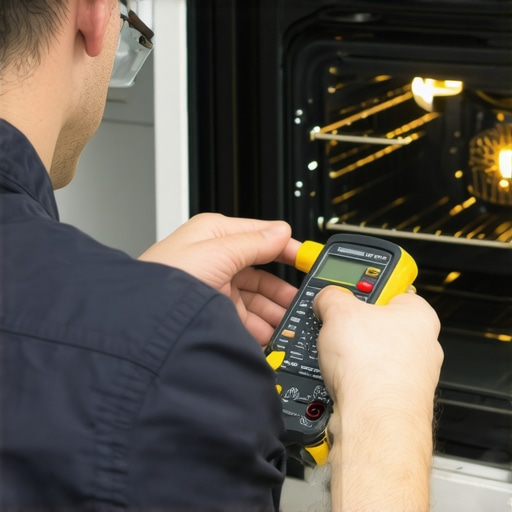
Image prompt: Close-up of a repair technician using a digital multimeter to test an oven’s wiring and sensors, emphasizing precision diagnostics.
The Hardest Lesson I Learned About Parts, Oven Repair, Diagnostics, Dishwasher
One of the most valuable insights I’ve gained is that jumping straight to replacing parts without thorough diagnostics is a surefire way to blow your budget and prolong the repair process. I once replaced a heating element in my oven, only to realize later that a faulty sensor was the real culprit—costing me double the effort and money. Patience and proper testing are your best allies, saving you time and unnecessary expense.
3 Myths About Parts, Oven Repair, Diagnostics, Dishwasher That Held Me Back
Initially, I believed all parts were universal across models, leading to mismatched replacements and wasted resources. I also thought a new part always meant the problem was fixed—a misconception that can leave you stranded. The truth is, accurate diagnostics, understanding the specific model nuances, and verifying part compatibility are essential steps for successful repairs. Avoiding these myths will make your DIY repairs more effective and less frustrating.
What Experts Won’t Tell You About Parts, Oven Repair, Diagnostics, Dishwasher
Many professional technicians emphasize that a systematic approach to diagnostics—like checking wiring integrity, safety switches, and sensors—can prevent unnecessary part swaps. They also advise against skimping on quality diagnostic tools; a good multimeter or infrared thermometer can reveal issues that visual inspections might miss. Embracing a mindset of thorough testing rather than assumptions unlocks faster, safer repairs and extends appliance lifespan.
Curated Resources to Elevate Your Repair Game
My go-to tool for diagnostics is a reliable digital multimeter, which I trust because it provides precise readings essential for identifying faulty components, like igniters or sensors. I also recommend keeping a detailed repair journal—tracking what works and what doesn’t speeds up future fixes. For comprehensive guides, the articles linked in this page, such as [diagnostics secrets](https://appliancebargainz.com/oven-repair-secrets-key-diagnostics-parts-for-faster-fixes-in-2025-2), have been invaluable. Lastly, subscribing to appliance maintenance forums provides tips and real-world advice from seasoned DIY enthusiasts, helping you avoid common pitfalls.
Your Next Step: Transform Frustration Into Confidence
Remember, tackling appliance repairs is an empowering journey. The more you learn about your oven or dishwasher’s inner workings, the less intimidating fixing them becomes. Equip yourself with the right tools, avoid rushing into part replacements, and embrace a diagnostic-first approach. Your appliances will thank you with years of reliable service, and you’ll gain a skill you can rely on for years to come. So, why not start today? Embrace the challenge and turn frustration into mastery—your future self will thank you.
Have you ever confidently diagnosed an appliance problem on your own? Share your experience below and inspire others to take their repairs into their own hands.
Samuel Richards
Reading through this comprehensive troubleshooting guide really hit home for me. I recall a time when my gas oven only clicked repeatedly without igniting, and I initially thought I needed a new igniter. However, after cleaning the electrodes and checking the wiring connections, I discovered a loose wire that was causing the issue. It’s remarkable how often simple maintenance like this can solve the problem instead of jumping straight into part replacement. Personally, I’ve learned the importance of diagnostics first because it saves so much time and money. Has anyone else experienced a similar situation where cleaning or tightening connections fixed what seemed like a major part failure? It’s those small details that often make all the difference, and I’d love to hear tips from others on quick fixes that worked for them.