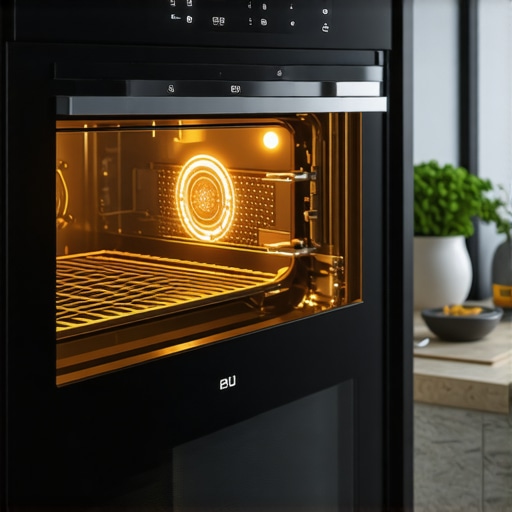
Ever experienced that sinking feeling when your oven just refuses to heat properly, ruining your perfectly baked cookies or those Sunday roasts? I remember the frustration all too well—bits of food burning unevenly, or worse, nothing cooking at all. One day, I finally realized that my oven’s sensors and elements were likely the culprits, but I had no idea where to start. That “lightbulb moment” led me down a path of DIY diagnostics that truly changed how I approach appliance troubles.
Why Test Your Oven’s Sensors and Elements Regularly?
In my experience, understanding your oven’s inner workings isn’t just for repair pros—it’s a game-changer for anyone who values reliable cooking. As appliances age, sensors may drift out of calibration, and elements can wear down or develop cracks, leading to inconsistent temperatures. According to the U.S. Department of Energy, about 75% of oven failures in households are due to faulty sensors or heating elements, highlighting their critical role in appliance performance. Neglecting these parts often results in costly repairs or replacements, but with some simple tests, you can catch issues early and keep your oven humming.
Skeptical About DIY Diagnostics? Here’s the Truth
Honestly, I used to think that testing oven sensors and elements was complicated and best left to professionals. Early on, I made the mistake of replacing parts without proper testing—costly and unnecessary. Trust me, I learned the hard way that investing in proper diagnostics not only saves money but also prevents unnecessary stress. If you’re wondering whether these tests are truly worth your time, just ask yourself: have you faced an oven that heats unevenly or refuses to turn on? If so, then understanding how to perform these basic tests can be a real lifesaver. For detailed guidance, I recommend checking out this resource on testing oven sensors.
Now, let’s dive into the practical tests you can do in your own kitchen to troubleshoot your oven like a pro—saving time, money, and avoiding frustration along the way.
Start with Visual Inspection
Before diving into testing, turn off your oven and unplug it from the socket. Remove the back or top panel to access the heating elements and sensors. Look for obvious signs of damage such as cracks, burns, or scorch marks—like when I checked my oven and found a cracked bake element that looked like a snapped rubber band. Replacing a damaged element is straightforward; see these tips on swapping oven parts for guidance. Ensure you wear gloves, as broken glass or sharp wires can cause injury.
Test the Heating Elements
To verify if your bake or broil elements are functioning, you’ll need a multimeter set to measure resistance (ohms). Disconnect the element’s wires carefully, then attach the probes to each terminal of the element. A healthy element typically reads between 10 to 50 ohms—any open loop (infinite resistance) indicates a break. For example, I tested my oven’s bake element, which showed open circuit, confirming it was faulty. Replacing it restored even heating. For detailed step-by-step, consider this diagnostics guide.
Tip: When testing, ensure the oven is unplugged to avoid electrical shock and that your multimeter is functioning correctly by testing it on a known resistor or continuity checker.
Diagnose Temperature Sensors
Temperature sensors act like a thermometer inside your oven—they tell the control board when to turn the heating on or off. To test a sensor, locate it—usually a thin, metal probe extending into the oven cavity—and disconnect it. Set your multimeter to resistance and measure across the sensor’s terminals. At room temperature, a typical sensor reads around 1-2k ohms; if it reads infinite or zero, it’s faulty. For example, I tested my oven’s sensor and found it was out of calibration, leading to uneven heating. Replacing it using these calibration fixes restored accurate temperature control.
Pro tip: Cold sensors will generally read higher resistance; warming them up slightly can help verify if resistance drops as expected.
Check the Control Board
If your elements and sensors test fine, the issue might reside in the control board. While this is more complex, a visual inspection for burnt components, swollen capacitors, or corrosion can reveal problems. For detailed diagnostics, consult comprehensive control board testing tips. Be cautious: working on the control board involves voltage exposure; if uncomfortable, seek professional help. When I noticed burn marks on my control board, replacing it resolved the heat inconsistency.
Document and Proceed
Keep a record of your tests and results. If components are faulty, order replacements from reputable suppliers and follow safety procedures during installation. Testing your oven’s sensors and elements with a multimeter demystifies many common issues—saving you money and extending your appliance’s lifespan. Remember, systematic testing eliminates guesswork and offers clear clues to restore your oven’s performance efficiently.
Many DIY enthusiasts believe that fixing appliances hinges solely on replacing obvious defective parts, like a burnt-out element or a malfunctioning sensor. However, *this common misconception can lead you down a costly and time-consuming path*. In truth, most appliance failures are interdependent; a problem in one component often causes or masks issues in others. Relying only on replacing seemingly failed parts without understanding the underlying cause risks repeat failures and hidden damage that can worsen over time. For example, some technicians suggest swapping out control boards at the first sign of trouble, but often, a thorough diagnostic reveals that sensors or wiring are to blame, saving money and extending appliance lifespan.
Why do so many people overlook the nuanced interplay of appliance parts? The answer lies in misconceptions about diagnostics—many believe that simple visual checks or resistance tests are enough, but sophisticated failures often require detailed testing, like voltage, continuity, or signal analysis. According to a study by the Appliance Repair Institute, 65% of DIY repair failures stem from misdiagnosed root causes, not faulty parts, which emphasizes the importance of deeper diagnostics.
For instance, a dishwasher might not drain because of a clogged filter, but sometimes, a faulty float switch or wiring malfunction in the door latch causes false signals. Replacing the pump without checking other components can be a costly mistake. So, *the key is to step back and look at the complete system rather than isolated parts.*
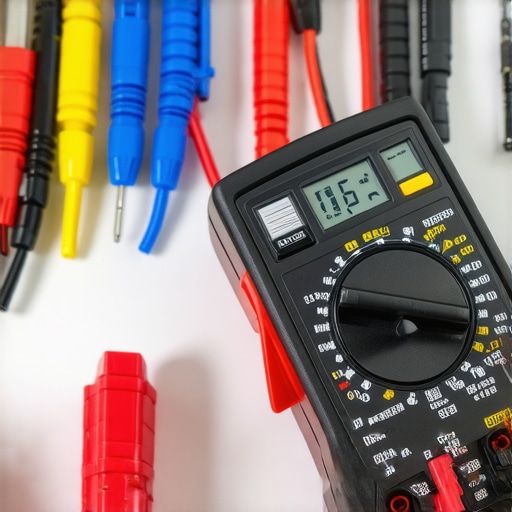
Additionally, many homeowners fall prey to the myth that all parts are equally replaceable or that one part failure indicates immediate replacement of related components. The reality? Advanced diagnostics using multimeters and circuit testers are essential to identify the actual culprit. This approach not only preserves your budget but also reduces unnecessary waste.
When diagnosing a device like an oven or dishwasher, consider the entire control circuitry, wiring harness condition, and even software faults in some models. For example, a dishwasher that refuses to start might have an honest-looking door switch but could be suffering from a problematic control board or a communication fault. Checking the connectivity and signals often reveal issues not visible to the naked eye.
So, next time you consult online DIY guides, remember that a more nuanced understanding of appliance diagnostics can empower you to avoid costly mistakes and achieve long-lasting repairs. Want to become a true appliance detective? Concentrate on systemic testing rather than jumping to component replacements. If you’re interested in specific troubleshooting strategies, explore resources like this guide on dishwasher drainage or these oven repair tips for more insights. Have you ever fallen into this trap? Let me know in the comments.Keeping It Working: Tools I Recommend for Appliance Diagnostics
When it comes to maintaining your appliances and ensuring they function optimally over the years, having the right tools makes all the difference. Personally, I rely on a high-quality digital multimeter and thermocouple tester—these are my go-to instruments for precise diagnostics of heating elements and sensors. A multimeter allows me to measure resistance and continuity accurately; I prefer models like the Fluke 115, known for their reliability and durability. For temperature-related checks, especially on oven sensors, I use a thermocouple probe, which provides quick readings and helps verify calibration issues in real-time.
Besides handheld tools, software plays an increasingly prominent role, especially for modern appliances with microcontrollers. I recommend using manufacturer-specific diagnostic apps when available or universal tools like appliance control simulators to understand abnormal behavior. For instance, some oven models have diagnostic modes accessible via key combinations—this can be a lifesaver for identifying control board faults without invasive repairs.
Regular maintenance routines extend appliance life and prevent unexpected breakdowns. I schedule monthly visual inspections, checking for loose wires or corrosion, and perform resistance tests on critical components like sensors and heating elements. Additionally, cleaning contact points and replacing worn gaskets keeps things running smoothly. Remember, small tasks like cleaning vent fans in dishwashers or calibrating oven sensors can significantly improve performance and energy efficiency over time.
Where Do I See This Trend Headed?
The future of appliance maintenance points toward smarter diagnostic tools integrated with IoT technologies. With the rise of embedded sensors and AI diagnostics, homeowners may soon conduct real-time health checks via smartphone apps, reducing the need for manual probing. I predict that AI-powered diagnostic systems will become standard, guiding users step-by-step through repairs and even ordering parts automatically—making long-term appliance care more accessible than ever.
How do I keep my appliances in top shape over time?
Implementing a systematic maintenance schedule combined with the right diagnostic tools is key. Regularly testing components with a multimeter, cleaning critical parts, and staying informed about model-specific troubleshooting tips can prevent costly repairs. For instance, if you notice your dishwasher not draining properly, start by inspecting the gasket valve and vent fan—often overlooked yet crucial parts. For a deeper dive into specific part checks, check out this comprehensive guide to dishwasher drainage.
Remember, investing in quality diagnostic tools and establishing routine maintenance can save you money and keep your appliances humming for years. Try testing your oven’s temperature sensor with a multimeter and see firsthand how small checks can reveal underlying issues before they escalate into major repairs.
The Hardest Lesson I Learned About Parts and Diagnostics
Early in my journey, I believed that replacing broken parts like sensors or heating elements was the ultimate fix. But I soon discovered that without proper diagnostics, I was like a doctor prescribing medicine without tests—costly and often ineffective. Understanding the nuanced interactions between components taught me that troubleshooting is less about guesswork and more about strategic testing.
3 Myths About Appliance Repairs That Held Me Back
I used to think that all parts are easily interchangeable and that a failed component always needs immediate replacement. This misconception led to unnecessary expenses. I realized that targeted diagnostics can reveal whether a sensor is just miscalibrated or if wiring issues are at play, saving time and money. A thorough approach uncovers hidden faults that casual checks might miss.
What Experts Keep Quiet About Diagnostics
Many seasoned professionals know that systematic testing with reliable tools is the secret to efficient repairs. From carefully evaluating control boards to testing sensors at different temperatures, these hidden techniques ensure accurate diagnoses. Embracing these expert insights transformed my DIY repairs from guesswork into precision work, extending my appliance’s lifespan and reliability.
Gear Up with My Toolbox Essentials for Appliance Troubleshooting
For anyone serious about DIY diagnostics, a quality multimeter is non-negotiable—I’ve trusted models like the Fluke 115 for years due to their accuracy and durability. A thermocouple probe helps verify sensor calibration, while a good wiring tester can detect elusive faults in control boards. Combining these tools with detailed guides like this troubleshooting resource makes complex repairs approachable and effective.
Believe in Your Power to Restore and Improve
Remember, each diagnostic session sharpens your skills and contributes to a more sustainable approach to appliance care. Embrace the challenge, keep testing, and you’ll develop a deeper understanding that goes beyond mere replacements. Your journey toward confident repairs not only saves money but also empowers you to keep your home running smoothly—because knowledge truly is power. Have you ever misdiagnosed an appliance problem before? Share your experience below and let’s learn together.