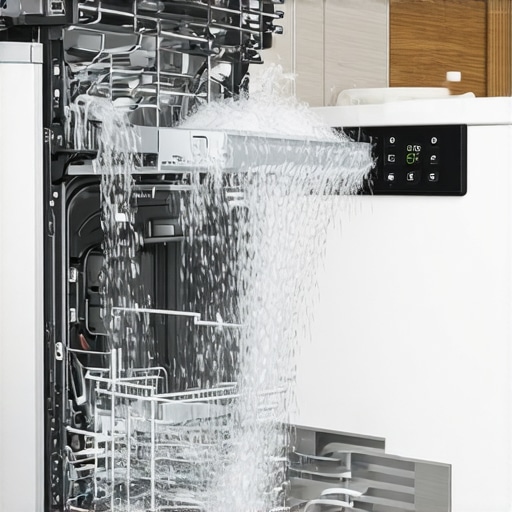
I’ll never forget the moment my dishwasher decided to flood my kitchen. Water was gushing out for what felt like an eternity, and I was frantically trying to shut off the supply valve while my brain scrambled to understand what went wrong. It was a classic lightbulb moment—realizing just how crucial each component inside that appliance truly is. If you’ve ever faced this kind of chaos, you know that a malfunction like a dishwasher that won’t stop filling isn’t just inconvenient—it’s a potential disaster waiting to happen.
Why This Issue Is More Common Than You Think
It turns out, a dishwasher that keeps filling can be caused by a surprisingly simple list of issues, but without knowing what to check, it’s easy to get overwhelmed. The good news? Many of these problems are DIY-friendly, especially if you’ve got a basic toolkit and a bit of patience. Plus, addressing the problem early can prevent water damage and costly repairs down the line. According to industry experts, regular diagnostics can extend the lifespan of your appliance significantly, saving you hundreds of dollars annually. You can find some of the top diagnostic parts for effective repairs online, which makes troubleshooting even easier.
Ever Wondered If Fixing Your Dishwasher Is Worth It?
I used to think professional repair was always the best route—until I made a costly mistake early on. I ignored small symptoms like minor leaks or strange noises, thinking they weren’t urgent. Turns out, those tiny signs can escalate quickly if left unchecked. That’s why I believe understanding key diagnostics and parts is essential for any homeowner eager to save time and money. If you’ve faced this frustrating issue, let me assure you—there’s a practical, step-by-step way to get your machine back in shape, and I’ll guide you through it.
Ready to delve into the four main areas you should inspect first? Let’s start unraveling this mystery and get your dishwasher operating smoothly again.
Check the Water Inlet Valve First
Start by inspecting the water inlet valve, which is like the gatekeeper controlling water flow into your dishwasher. If it’s stuck open or malfunctioning, water will flood in uncontrollably. To test, disconnect power and turn off the water supply. Remove the inlet valve assembly, then manually check if the valve opens and closes properly, or use a multimeter to test its coil for continuity. I once replaced a faulty inlet valve after noticing constant water flow, which immediately stopped the flood and got my dishwasher back to normal. For a detailed list of optional diagnostic parts, explore top dishwasher diagnostics parts.
Examine the Float Switch and Its Mechanism
The float switch acts like a safety sensor, preventing overflow by shutting off water when it detects excess. Remove the dishwasher’s lower panel, locate the float and switch, and manually lift the float to see if the switch clicks off. If it doesn’t, the switch might be stuck, dirty, or broken. Cleaning the float often solves the issue—sometimes a simple scrub with a brush clears debris that prevents proper movement. I once cleared a float stuck by mineral buildup, restoring normal operation without further repairs. Remember, a malfunctioning float switch is a common culprit—recommendations for replacements and troubleshooting are available at dishwasher troubleshooting parts.
Inspect the Water Level Sensor and Pressure Switch
The sensor detects water levels including a pressure switch that might be prone to failure over time. Start by disconnecting power and locating these components inside the dishwasher, usually near the bottom. Use a multimeter to check for proper resistance or consult the manufacturer’s guide for specifications. If these sensors give inconsistent readings or are physically damaged, they could cause continuous filling. I replaced a faulty pressure switch after noticing inconsistent water levels, which resolved the flooding problem. For effective diagnostics parts, consider browsing diagnostics parts for effective repair.
Test the Control Board and Electrical Components
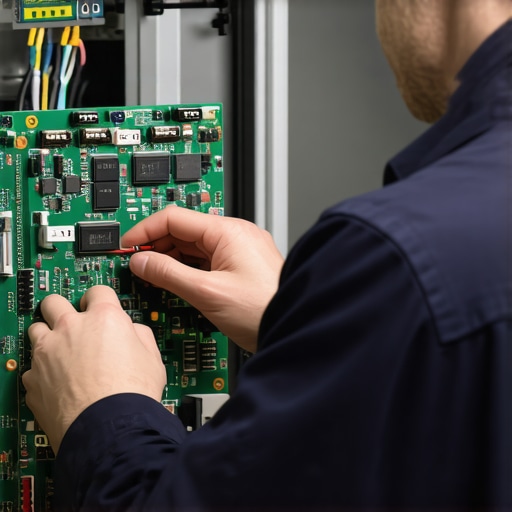
If all mechanical parts check out, the issue might be electrical—specifically, the control board that manages the fill cycle. Carefully examine the control module for burn marks, corrosion, or loose connections. Using a multimeter, check for continuity on the output pins that activate the inlet valve. Replacing the control board can seem daunting, but sometimes a simple reset or cleaning of contacts restores function. I had to replace a control board when the dishwasher kept filling despite other components being functional. For more insights into control diagnostics, visit diagnostics parts for fast dishwasher repair.
By methodically testing these core components—water inlet valve, float mechanism, sensors, and the control board—you can isolate and fix a dishwasher that won’t stop filling. Remember, always prioritize safety: disconnect power before opening your appliance. With patience and the right diagnostic parts, most of these issues are manageable without calling a professional, saving you time and money while ensuring your kitchen stays dry and functional.
Myths that Hold You Back from Accurate Diagnoses
One common misconception is that replacing parts at random will fix appliance issues. However, this approach often leads to unnecessary expenses and prolonged downtime. Skilled diagnostics—using methodical testing—is key. For example, many assume that if a dishwasher isn’t filling, the inlet valve is faulty, but without checking the float switch or control board, you might replace a part that isn’t even the culprit. Experts emphasize the importance of understanding the interconnectedness of components—like how a malfunctioning pressure switch can mimic a defective inlet valve. Rushing to replace parts without thorough testing can be costly and frustrating; instead, leverage reliable diagnostic parts and techniques outlined at top diagnostics parts.
Watch Out for Overlooking Advanced Troubleshooting
An often-overlooked nuance is overlooking the control board, especially in modern appliances with sophisticated electronics. Many technicians focus solely on mechanical parts, but control boards can fail silently, causing inconsistent or persistent faults. Diagnosing these requires specialized tools and an understanding of circuitry. For instance, a control board malfunction might cause a dishwasher to flood repeatedly, yet visually appear intact. Recognizing such issues can save hours of trial-and-error troubleshooting. According to appliance repair experts, comprehensive diagnostics—encompassing both mechanical and electronic components—are crucial for accurate repair, which you can explore further through diagnostics parts.
Why Most People Fail to Spot the Real Cause of Oven Problems
Many homeowners fixate on the heating elements, assuming they’ll always be the root of oven issues. While this is often true, the real nuance is that sensors like thermistors or control thermostats can malfunction and cause inaccurate temperature readings, leading to improper heating cycles or safety shut-offs. Sometimes, an oven visually appears fine but is sending faulty signals to the control unit. Advanced diagnostics involve testing these sensors with multimeters and cross-referencing with manufacturer specs—skills that differentiate an expert diagnosis from guesswork. Marketers often advertise simple fixes, but according to industry studies, a systematic approach greatly improves repair success rates and safety, especially when replacing parts like sensors or verifying control board functionality, details of which are thoroughly outlined at oven diagnostics.
Recognizing these nuanced aspects—like electronic control issues, sensor problems, or interconnected component failures—can dramatically enhance your repair projects. It’s this attention to detail that separates DIY success from costly mistakes. Remember, a systematic diagnostic approach often uncovers hidden faults, saving time and preventing future breakdowns. Have you ever fallen into this trap? Let me know in the comments.
Investing in Reliable Diagnostic Tools for Long-Term Success
When it comes to maintaining appliances like dishwashers and ovens, having the right tools can make all the difference. I personally rely on a quality multimeter—not the cheapest options, but one with true RMS capabilities—to accurately diagnose electrical issues. For example, testing sensors or control boards requires precise readings that cheaper models tend to misrepresent. Additionally, a digital thermometer allows me to verify temperature sensors in ovens quickly, helping identify faulty thermistors before they cause uneven baking or safety shutdowns. These tools, combined with a good repair manual tailored to your appliance model, streamline troubleshooting and improve repair outcomes.
Mastering Troubleshooting Procedures with Software Aids
Beyond hardware tools, software diagnostics are becoming increasingly valuable. Many modern appliances come with built-in diagnostic modes—accessed via button combinations or panels—that reveal error codes. For instance, accessing the diagnostic cycle on some dishwashers uncovers error codes related to the water inlet or draining issues, saving hours of guesswork. I recommend using manufacturer-specific apps or manuals to interpret these codes accurately. Also, there are third-party diagnostic software options that connect via Wi-Fi or USB, giving real-time insights into sensor statuses or control board signals. These approaches help preempt failures and plan maintenance proactively, extending the lifespan of your appliances.
How do I keep appliances running smoothly over time?
Maintaining appliances isn’t just about fixing problems when they arise; regular upkeep is key. Schedule routine inspections of hoses, seals, and filters—cleand debris off filters and check for signs of wear that might lead to leaks or performance drops. For example, regularly inspecting and replacing worn gasket valves can prevent water leaks in dishwashers, reducing water bills and potential flood damage. It’s also wise to keep spare parts like spray arms, filters, and sensors on hand, especially if you notice minor issues that could escalate, such as reduced cleaning efficiency or inconsistent oven temperatures. Particularly with ovens, calibrating temperature sensors periodically ensures accurate heat delivery, which is crucial for baking results. This proactive approach not only saves you money but keeps your appliances dependable over years of use.
Looking Ahead: The Future of Appliance Maintenance and Tools
As technology evolves, so does the potential for smarter maintenance. I predict the integration of IoT (Internet of Things) capabilities, enabling real-time diagnostics and predictive maintenance alerts directly to your smartphone. For instance, future dishwashers might notify you when a sensor drifts out of calibration or a pump begins to show signs of wear, allowing for timely interventions. AI-driven diagnostic apps could soon analyze error codes and sensor data to suggest the most cost-effective repair strategies, reducing downtime and repair costs significantly. Embracing these advancements now—by investing in high-quality diagnostic tools and staying informed about the latest repair techniques—positions you to leverage the full benefits of this technological revolution.
How do I maintain appliance performance over time?
One effective method is to adopt a regular maintenance routine that includes cleaning filters, inspecting seals, and periodically testing sensors and control boards. For example, revisiting the check of your oven’s thermistor every six months can ensure it continues providing accurate temperature readings. Using diagnostic parts, such as those listed at top dishwasher diagnostics parts, can facilitate quick testing and replacement, avoiding full system failures. Don’t forget to document any recurring issues during your maintenance to identify patterns that may signal the need for a more comprehensive repair. Consistency in these practices will help prolong the life of your appliances and keep them functioning reliably well into the future.
Sometimes We Overlook Simple Fixes Before Going Deep
One of the biggest lessons I learned is that addressing seemingly complex problems often starts with the simplest solutions. During my early days of diagnosing dishwasher floods, I tended to jump straight into replacing components without thorough testing. Now, I always check the basics first—like the water inlet valve or float switch—because sometimes, debris or a stuck float is all that’s needed to fix the issue. This approach saves time, money, and unnecessary stress, and it reminds me that patience and methodical diagnostics beat hasty guesses every time.
The Power of Knowing Your Appliance’s Language
Every appliance communicates through error codes, strange noises, or unusual behavior. My breakthrough came when I started paying close attention to these signals and understanding their language. For example, recognizing a specific error code related to the control board pointed me directly to a faulty sensor or circuit. Learning to interpret these cues correctly is invaluable, and utilizing reliable diagnostic parts can turn a frustrating mystery into a clear, solvable puzzle. Trust me—becoming fluent in your appliance’s language makes DIY repairs far more manageable.
Don’t Underestimate the Value of a Clear Mind and the Right Tools
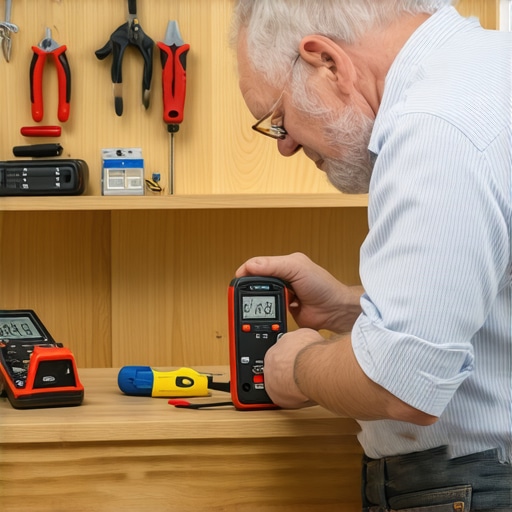
Working on appliances requires both mental clarity and good equipment. During a particularly tough repair, I realized I’d been using a multimeter with poor accuracy, leading me astray. Investing in quality diagnostic tools, like a true RMS multimeter and a digital thermometer, transformed my troubleshooting. Combining these with detailed manuals and reputable parts lists—such as those found at top dishwasher diagnostics parts—empowers you to diagnose issues efficiently and confidently. Remember, the right tools aren’t expenses—they’re investments in your DIY success.
How Embracing Continuous Learning Elevates Your Repair Skills
The appliance repair field is constantly evolving, with new technologies and diagnostic techniques emerging. My biggest growth has come from staying curious and seeking out new knowledge—reading up on the latest in oven sensors or control boards, attending workshops, or engaging with online communities. Each new insight sharpens my skills and helps me troubleshoot faster. If you’re serious about maintaining your appliances, investing in ongoing education—like exploring must-have oven parts or comprehensive repair guides—will pay dividends in reliability and satisfaction.
Where Will Your Repair Journey Lead Next?
The world of appliance repair is rich with opportunities for growth, savings, and empowerment. No longer do I rely solely on professionals; instead, I approach each fix with confidence, armed with knowledge and the right diagnostic parts. Whether it’s preventing future issues with routine maintenance or tackling a stubborn dishwasher leak, your journey to mastery starts with a single step. I encourage you to take that step today—learn, experiment, and celebrate each successful repair. Your appliances—and your wallet—will thank you for it.