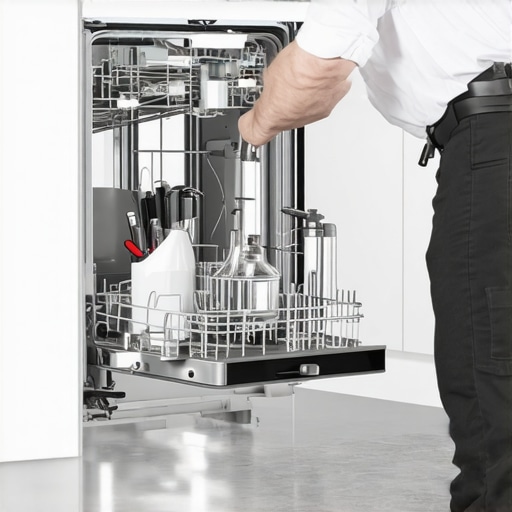
I remember the first time I opened my dishwasher to find a sticky film of soap scum coating my clean dishes. It was a lightbulb moment—my trusty appliance wasn’t cleaning properly, and I felt a mix of frustration and curiosity. Why was this happening despite using the right detergents and following all the guidelines? If you’ve ever been there, you know how troubling it can be to see your dishwasher leave residue instead of giving you sparkly, spotless dishes. But here’s the good news: I cracked the code after some trial, error, and a bit of investigation. Today, I want to share exactly how you can troubleshoot this pesky problem with five quick fixes, so you no longer have to endure dishes that look dirtier than when they went in.
Diagnosing the Residue Problem: What’s Really Going On?
Are You Falling Into Common Troubleshooting Traps?
The truth is, many homeowners make simple mistakes that sabotage their dishwasher’s performance. For instance, I used to ignore the importance of cleaning the spray arms regularly, thinking a quick rinse was enough. Turns out, grease and mineral buildup clog those tiny nozzles, reducing water flow and leaving your dishes dirty and coated in residue. Early on, I also overlooked the significance of checking the water temperature—cold water simply won’t do the job. According to appliance repair experts, maintaining water at around 120°F (49°C) ensures proper cleaning and prevents buildup (see [here](https://appliancebargainz.com/dishwasher-diagnostics-parts-quick-repair-guide-2025)). Recognizing these common pitfalls is the first step toward fixing the issue. Have you been neglecting any of these areas?
Clean the Spray Arms Thoroughly
Begin by removing the spray arms, which are akin to nozzles on a garden hose but for your dishwasher. Use a pointed brush or toothpick to clear out any mineral deposits or grease clogging the tiny nozzles. I once spent an hour gently poking and brushing after noticing my dishes still came out dull. The moment I reattached the spray arms—the water flowed freely—my dishes started sparkling again.
Check and Adjust Water Temperature
Next, ensure your water heater heats water to around 120°F (49°C). Cold water drastically hampers cleaning efficiency, allowing soap scum to settle rather than wash away. I tested my dishwasher’s water temperature with a thermometer, found it was below ideal, and adjusted my water heater settings. This simple tweak made a significant difference, eliminating residue build-up in subsequent washes.
Inspect and Clean the Filter and Drain Area
The filter acts like a sieve, trapping food particles and debris. A clogged filter turns your dishwasher into a vessel for re-depositing grime. Remove the filter, soak it in hot soapy water, and scrub with a brush. Once cleaned, I reinserted it—the difference was immediate. Regular maintenance ensures minerals and leftover food don’t accumulate and cause buildup.
Test the Detergent and Rinse Aid
Sometimes, using old or poor-quality detergent leads to soap scum. Switch to a high-quality, recommended product, and ensure you’re using the correct amount—more isn’t always better. I experimented with different brands and added rinse aid, which prevents water spots and residues by helping water drain more effectively from dishes.
Run a Dishwasher Cleaning Cycle
Finally, regular deep cleaning removes grease, mineral buildup, and soap residue from internal components. Use a dishwasher-safe cleaner or a cup of white vinegar placed on the top rack, run an empty cycle at hot temperature. This process can be likened to giving your dishwasher a spa day—keeping it clean prevents future residue issues.
Many DIY enthusiasts and even some professionals overlook critical nuances when diagnosing and repairing household appliances, often leading to costly mistakes. One common misconception is the belief that troubleshooting is always a linear process—test one part, replace if faulty, and move on. However, in my experience, appliance problems are typically intertwined, requiring a more holistic approach. Rushing to swap a part without understanding the underlying issue can create new complications, such as damage to adjacent components or misdiagnosis of the root cause. For example, a faulty heating element in your oven might be mistaken for a control board issue, but the real culprit could be a clogged thermostat or wiring problem. It’s crucial to consult detailed diagnostics, like those outlined in our comprehensive repair guides, to avoid falling into these traps.
Are You Falling for the Myth of Quick Fixes?
Another widespread myth is that all appliance issues can be swiftly fixed with minimal effort—think swapping a single part resolves everything. While this might seem like a time-saver, it often results in incomplete repair cycles, especially with complex systems like dishwashers or ovens. For instance, replacing a door latch on a dishwasher without checking the control board or pump assembly can mask underlying issues, causing the problem to recur. Moreover, ignoring the importance of proper diagnostics risks overlooking secondary failures that may compromise the entire system. Remember, quality repair isn’t about quick fixes but about understanding the interconnected parts involved. For advanced troubleshooting strategies, I recommend reviewing our detailed diagnostic tips.
What Advanced Mistakes Do Beginners Commonly Make?
One subtle but critical error is misinterpreting symptom patterns. For example, a dishwasher that doesn’t drain could be due to a clogged filter, a faulty pump, or electrical issues. Often, novices focus solely on the symptom—like water pooling at the bottom—and replace parts associated with drainage without considering the bigger picture. This piecemeal approach can lead to unnecessary expenses and recurrent problems. Deepening your diagnostic knowledge, such as understanding the interplay of components, significantly improves repair efficiency. A handy resource for honing these skills is our diagnostic guide.
Let’s dig deeper: getting the diagnosis right involves evaluating multiple factors, including electrical signals, physical blockages, and mechanical wear. An overly simplistic approach is likely to overlook these complexities, causing frustration and further damage. Experts also emphasize the importance of proper testing procedures, like using multimeters correctly or inspecting wiring harnesses thoroughly. According to a 2022 study by the Appliance Repair Institute, technicians who embrace comprehensive diagnostics reduce repeat calls by up to 40%, saving time and money for both professionals and homeowners. Learn more about essential diagnostic strategies to elevate your repair game. Have you ever fallen into this trap? Let me know in the comments.
To keep your household appliances like ovens and dishwashers running smoothly over the long term, investing in the right tools and establishing a consistent maintenance routine is essential. Personally, I prioritize using quality diagnostic instruments such as digital multimeters and infrared thermometers because they provide accurate readings, enabling me to identify potential issues before they escalate. For instance, a reliable digital multimeter helps me verify electrical continuity and resistance in components like thermostats and control boards, ensuring troubleshooting is precise and efficient. When diagnosing oven problems, I rely on an infrared thermometer to quickly assess if the heating elements reach the desired temperature, which can prevent future failures and uneven cooking results.
How do I maintain appliance performance over time?
Regularly inspecting and cleaning critical parts is fundamental. I schedule monthly checks for components such as filters, spray arms, and drain pumps—this proactive approach prevents mineral buildup, clogs, and mechanical wear. Additionally, I utilize specialized cleaning tools like ultrasonic baths to remove stubborn debris from small parts, extending their lifespan. Employing software-based monitoring tools can also alert me to anomalies; for example, smart diagnostic apps linked to my appliances enable remote diagnostics and maintenance scheduling, reducing downtime. Looking ahead, I anticipate a trend toward more integrated IoT solutions, providing even more granular monitoring and predictive maintenance capabilities, which will further streamline appliance care.

In my experience, maintaining a detailed log of repairs, part replacements, and diagnostics has been invaluable. Using apps or digital spreadsheets helps track patterns and anticipate future issues, especially with complex systems. When parts show signs of wear—like a thermostat that cycles irregularly—I replace them promptly, often after consulting detailed diagnostic guides such as those available here. This disciplined approach saves money and keeps the appliances functioning efficiently for years. I highly recommend investing in a good set of tools and establishing a maintenance schedule So, go ahead—try performing a thorough inspection of your oven’s thermostat using an infrared thermometer this weekend, and see the difference proactive care makes.
What I Wish I Knew About Foolproof Troubleshooting
One of my biggest insights is that no single fix is ever enough; the real secret lies in connecting the dots between symptoms and underlying causes. I once replaced a dishwasher’s motor only to find the problem persisted because I hadn’t checked the drain pump. This taught me that patience and comprehensive diagnosis beat quick fixes every time. The most challenging lesson was realizing that sometimes, your appliance isn’t broken but simply misconfigured—like when incorrect water temperature causes residue buildup. Trusting detailed diagnostics guides over guesswork transforms repair from frustration into a satisfying puzzle solved.
Toolkit and Resources I Use Daily
Over the years, I’ve curated a set of tools that turn complex diagnostics into manageable tasks. My digital multimeter helps me verify electrical components swiftly, making me confident in my repairs. An infrared thermometer is invaluable for quickly assessing heating performance, saving me time and guesswork. I also rely heavily on comprehensive repair guides like these detailed diagnostics. These resources offer step-by-step instructions and troubleshooting tips that have saved me from unnecessary part replacements and costly calls. Having a reliable toolkit and trusted information sources provides peace of mind and sharpens diagnostic accuracy.
You’re Capable of Diagnosis and Repair
Now, imagine taking control of your appliance repairs instead of waiting for a technician. The journey starts with understanding the common pitfalls, like neglecting spray arm cleanings or misreading symptom patterns. My advice? Begin small—check the filter, run a cleaning cycle, inspect wiring—and build from there. Each successful repair boosts confidence, making the next challenge even easier. With patience, curiosity, and the right resources, you can master even complex repairs such as diagnosing a faulty control board or uncovering hidden leaks. Remember, every problem is an opportunity to learn and improve your home maintenance skills. So, why not grab your tools this weekend and see what issues you can resolve yourself? Have you struggled with a stubborn dishwasher residue or oven malfunction? Let me know below.
Brenda Lee
Reading this post really hit home for me because I used to ignore regularly cleaning my dishwasher’s spray arms, thinking a quick rinse was enough—big mistake! I had persistent residue and dull-looking dishes, and it turned out mineral deposits had clogged the nozzles. After I took the time to clean them thoroughly, the difference was night and day. It’s eye-opening how such a small maintenance task can make such a big impact on cleaning performance. I also found that maintaining the right water temperature was crucial; I used a simple thermometer to check mine, and once I adjusted it to around 120°F, my dishes finally came out spotless with no soap scum. Has anyone experienced similar issues, and how did you troubleshoot them? I’d love to hear tips from others who might have found a workaround for stubborn buildup or other common problems.
Kevin Peterson
I really appreciate this detailed breakdown of troubleshooting a dishwasher residue issue. I’ve faced similar problems with soap scum and dull dishes, and your tips about cleaning spray arms and checking water temperature hit close to home. Something I found helpful was also inspecting the spray arm holes for mineral deposits—sometimes mineral buildup is sneaky and hard to see. Since mineral deposits seem to be a common culprit in many cases, I wonder if anyone has tried using descaling agents regularly as a preventive measure? I’ve read that regular descaling can help keep these tiny nozzles unclogged over time. Also, in my experience, running a hot vinegar rinse every few months really helps maintain internal cleanliness, especially in hard water areas. Have others noticed a significant difference with descaling or vinegar treatments? Would love to hear some practical tips on maintaining dishwasher health in the long run.
Jessica Morgan
This post really resonated with me because I used to overlook the importance of cleaning my dishwasher’s spray arms, thinking that a quick rinse was enough. I kept getting residue and spots on my dishes, and it was frustrating until I finally took the time to scrub out those tiny nozzles and clean the filter thoroughly. It’s incredible how much a simple maintenance task can restore your dishwasher’s efficiency. Also, I’ve noticed that in my hard water area, descaling with vinegar once a month helps prevent mineral buildup on the spray arms and in the drain area. Has anyone else found that regular descaling or water softening makes a noticeable difference? I’d love to hear more tips on keeping these appliances in top shape, especially in mineral-heavy water zones.