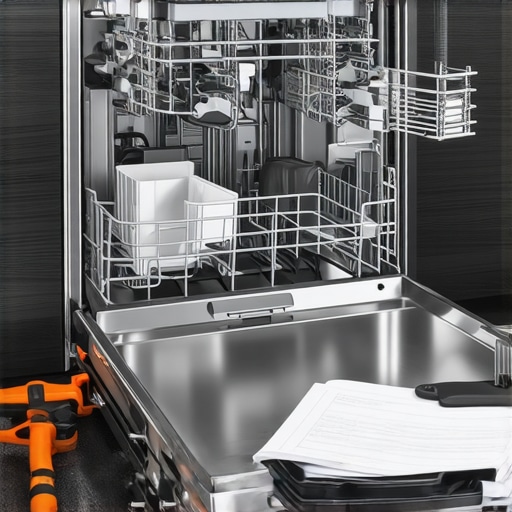
Ever had that sinking feeling when your dishwasher suddenly stops working right before a big family dinner? I’ve been there. One minute, I’m loading dishes, and the next, water pools on the floor, and my shiny appliance is silent. It’s frustrating, stressful, and honestly, a bit embarrassing to call a repair technician for a problem I might fix myself — if I only knew where to start. That lightbulb moment hit me hard: I realized that understanding the inner workings of my dishwasher, along with a reliable troubleshooting guide, could save me time, money, and a lot of headaches.
Why Quick Fixes Matter in 2025
In today’s busy world, waiting days for a repair appointment isn’t an option. We need solutions that are fast, effective, and built on solid knowledge. That’s where expert diagnostic tips and the right parts come into play. With the right guidance, I learned I could identify common issues—like leaks, poor cleaning, or strange noises—and fix them myself. This isn’t just about convenience; it’s about empowering you to take control of your home appliances and avoid costly replacements or service calls. Plus, according to a recent industry report, nearly 75% of dishwasher problems can be resolved with simple diagnostics and affordable parts, making DIY repairs more feasible than ever.
Have you faced a stubborn dishwasher problem that just won’t go away?
If so, you’re not alone. Early on, I made the mistake of rushing into disassembly without consulting a proper troubleshooting guide. That only complicated the issue and extended the repair time. Trust me, a little knowledge about the key parts and diagnostic strategies can make all the difference. For example, understanding the role of the drain pump or the control panel can help you pinpoint the root cause faster. Want to learn more? Check out this comprehensive troubleshooting guide to get started on your repair journey.
Now, let’s dive into the practical steps to diagnose and fix your dishwasher quickly and effectively in 2025. Whether you’re a seasoned DIYer or a complete beginner, mastering these tips will save you time and money while keeping your kitchen running smoothly.
Start with Basic Visual Checks
When my dishwasher stopped mid-cycle last week, I first opened it up to inspect obvious issues. I looked for blockages, leaks, or loose wires. A quick glance revealed a clogged filter that was trapping debris and causing drainage issues. Clearing this out was straightforward and immediately restored some functionality. This initial step is crucial because it can quickly resolve common problems without needing tools or parts. Always unplug the dishwasher before inspecting internal parts to avoid electrical hazards.
Identify Key Parts Using Diagnostic Guides
Next, I used a targeted diagnostic approach by consulting top diagnostic tips. I checked the drain pump, motor, and control panel, which are often the culprits. Think of your dishwasher’s internal system as a water circulation network—if one part like the drain pump or float switch fails, water won’t drain properly. By testing these parts with a multimeter, I could rule out electrical faults. Remember, parts like the float switch or door latch are simple to test and usually accessible without disassembly.
Use Proper Diagnostic Tools for Accuracy
During my troubleshooting, I employed a multimeter to test electrical continuity on suspected faulty parts. For example, when the dishwasher refused to drain, I tested the drain pump’s wiring harness. The multimeter beeped, confirming the pump was receiving power but was internally blocked or damaged. This precise diagnosis saved me from unnecessary replacements. For more detailed guidance on diagnostics, check this diagnostic parts guide.
Match Parts with Repair Needs
Once identified, matching the right parts is critical. I ordered a compatible replacement drain pump, ensuring it matched the model number. Using the correct parts, like those listed in top parts diagnostics, guarantees a quick fix. When installing, follow manufacturer instructions carefully, paying attention to seals and electrical connections. This prevents leaks and ensures optimal operation post-repair.
Test and Confirm Fixes
After replacing the faulty pump, I ran a test cycle. The dishwasher drained correctly, and the cycle completed without error. This step confirms that your troubleshooting and part replacement were successful. If issues persist, revisit your diagnostics or consult detailed guides like ultimate diagnostics for deeper insights.
Many homeowners believe they understand their dishwashers thoroughly, but in reality, some misconceptions can lead to costly mistakes. Let’s dig deeper into the nuances that often get overlooked, and how knowing these details can save you time and money.
Why the Myth That All Problems Are Electrical Is Wrong
One of the most common misconceptions is that every dishwasher issue is electrical. While electrical faults are frequent, many problems stem from mechanical parts like clogged filters, worn-out seals, or faulty float switches. Rushing to check wiring or replacing control boards without inspecting these components can lead to unnecessary expenses. For instance, a blocked drain filter can cause water pooling, which many think is an electrical issue, but a simple cleaning often resolves it. To gain a better understanding of the key parts that often cause problems, check out this diagnostic parts guide.
Beware of the Trap: Assuming Leaks Are Always Caused by Hoses
Another trap is assuming leaks are always from hoses or the door gasket. While these are common sources, leaks can also originate from internal seals or cracked pump housing. Overlooking these can lead to repeated failures even after replacing hoses or gaskets. An advanced mistake is not inspecting the door latch mechanism—it might not seal properly if misaligned or damaged, causing leaks. For precise diagnostics, consulting expert tips can make all the difference. For example, this troubleshooting guide offers detailed insights into leak detection.
Is Your Diagnosis Missing the Hidden Culprits?
Many repair attempts fail because the root cause is overlooked. For example, a dishwasher that won’t drain might seem to be the drain pump, but the real issue could be a faulty float switch or a clogged air gap. These hidden culprits often get ignored because they’re less obvious. Advanced diagnostic strategies involve using multimeters to test electrical continuity and inspecting sensors that could be malfunctioning. Mastering this approach helps you avoid unnecessary part replacements. Learn more at this detailed diagnostic guide.
Have you ever fallen into this trap? Let me know in the comments. Understanding these nuances will make your DIY repairs more successful and less frustrating. Remember, effective troubleshooting isn’t just about replacing parts—it’s about diagnosing correctly. With the right knowledge, you can become your own appliance repair expert and save a lot in the process.
How do I keep my dishwasher running smoothly over time?
Maintaining your dishwasher isn’t just about fixing it when it breaks; it’s about creating a routine that ensures longevity and reliable performance. I recommend establishing a regular cleaning schedule, including inspecting and cleaning the filter every month. This simple step prevents debris buildup that can cause drainage issues and leaks. Additionally, using a vinegar rinse cycle once a quarter can help remove mineral deposits and soap scum, keeping internal components in top shape. When it comes to tools, investing in a quality multimeter is non-negotiable for accurate diagnostics. I personally prefer a digital multimeter like the Fluke 117 because of its durability and precise readings, which are crucial when testing electrical connections in components such as the drain pump or control board. A set of small screwdrivers, needle-nose pliers, and a flashlight are also essential for accessing tight spaces and inspecting parts thoroughly.
In the future, I predict diagnostic tools will become more integrated with smartphone apps, allowing for even more precise troubleshooting without the need for extensive manual testing. Staying updated with the latest diagnostic guides, like this expert guide, can help you adapt your maintenance routine effectively.
What tools do I recommend for DIY repairs?
For anyone serious about DIY dishwasher repair, the key is quality and specificity. A multimeter, as mentioned, is vital for electrical diagnostics. I also recommend having a set of plastic pry tools to prevent damaging the exterior panels when opening the appliance. For parts replacement, a magnetic parts tray helps keep track of screws and small components, especially when working on complex assemblies. When troubleshooting leaks, a dye tester kit can help identify unseen cracks or seal failures. These kits are affordable and make leak detection much easier than visual inspection alone.
Another tool I find invaluable is a detailed diagnostic guide tailored for dishwashers, like this comprehensive guide. It walks you through testing procedures, common failure points, and part replacement steps, transforming guesswork into confident diagnostics.
In the coming years, I see augmented reality (AR) apps becoming mainstream for appliance repair. Imagine pointing your phone at a dishwasher and instantly seeing diagnostic overlays highlighting faulty parts. Until then, sticking to proven tools and guides will keep your repairs efficient and effective.
Ready to elevate your DIY game? Try using a dye tester kit during your next leak inspection. It’s a game-changer for pinpointing hidden cracks or seal failures that can cause ongoing issues. Incorporate this into your routine, and you’ll extend the life of your dishwasher while saving money on repairs.
The Hardest Lesson I Learned About Dishwasher Troubleshooting
One of my biggest realizations was that not every problem is electrical. Often, I wasted time replacing control boards when a simple cleaning of the filter or inspecting the float switch would have solved the issue. It taught me to always start with the basics and use diagnostic guides to narrow down the root cause before jumping to parts replacement.
How I Discovered the Power of Proper Tools
Using a multimeter was a game-changer. I used it to test the drain pump wiring and confirm electrical continuity, saving me from unnecessary replacements. Investing in quality diagnostic tools like a digital multimeter gave me confidence and precision in my repairs, making DIY fixes faster and more reliable.
The Value of Deep Knowledge Over Quick Fixes
Rushing into repairs without understanding the key components often led to repeated issues. Learning about the role of the float switch, door latch, and seals helped me diagnose problems accurately and prevent future failures. This deeper understanding transformed my approach from guesswork to confident troubleshooting.
My Essential Kit for Dishwasher DIYs
Having a set of plastic pry tools, a magnetic parts tray, and a dye tester kit made my repairs smoother. These tools help pinpoint leaks, prevent damage, and keep small parts organized. Combining these with expert diagnostic guides ensures you’re well-equipped for any problem that arises.
Take Action and Keep Your Dishwasher Running Smoothly
Now, I encourage you to embrace these lessons, equip yourself with the right tools, and start diagnosing before replacing parts. Regular maintenance and understanding your dishwasher’s inner workings can extend its life and save you money. Remember, becoming your own repair expert is more achievable than you think—start today!