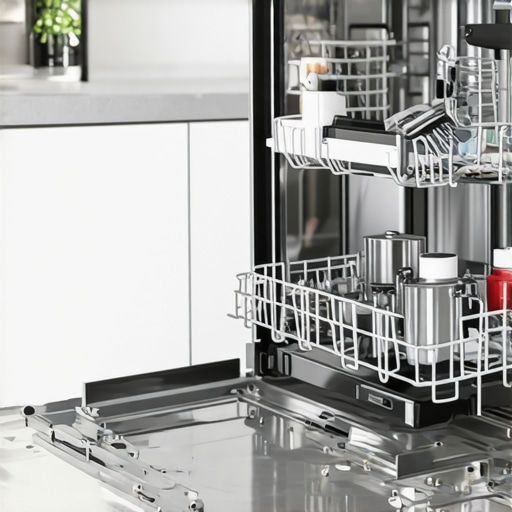
Ever had that sinking feeling when your dishwasher suddenly stops working right before you host family dinner or after a long day of chores? Yeah, I’ve been there. One moment, everything’s humming along smoothly, and the next, dishes come out dirtier than when they went in. It’s frustrating, especially when a quick fix could have saved the day but I didn’t know where to start. That lightbulb moment hit me hard—what I really needed was a solid, easy-to-follow troubleshooting guide that gets to the root of the problem fast, without wasting hours or throwing money at guesswork.
The Power of Knowing Your Dishwasher
Let’s be honest—our dishwashers are like silent partners in our daily routines. When they break down, it throws everything off. The thing is, many problems are surprisingly simple to fix once you know what to look for. Early on, I made the mistake of ignoring the obvious signs—like a dishwasher that won’t drain or won’t start—and jumping straight to expensive replacements. That’s a rookie mistake I want to help you avoid. Instead, I discovered that with the right diagnostics and understanding of key parts, you can troubleshoot effectively and fix most issues yourself.
That’s where the Ultimate Dishwasher Troubleshooting & Parts Guide for 2025 comes into play. It’s packed with expert tips on diagnosing issues, identifying faulty parts, and making quick repairs. Whether it’s a clogged drain, faulty float switch, or a broken door latch, this guide helps you pinpoint the culprit and fix it in no time—saving you cash and frustration.
Is DIY Dishwasher Repair Really Worth the Hassle?
Now, I know some of you might be thinking, “Isn’t this just for handy DIYers?” Honestly, it’s for anyone willing to learn a few basics. When I started, I was scared of messing things up more. But I found that understanding the most common problems and their solutions empowered me. Plus, it’s often faster and cheaper than waiting for a technician. Just remember—always turn off the power before poking around inside. If you’re unsure, a quick consult of expert diagnostics and parts guide can be a real lifesaver.
So, have you faced that dreaded dishwasher breakdown and wondered if you could fix it yourself? If yes, then stick with me. We’re about to dive into practical steps that will turn you into your own repair hero. Ready to become confident in troubleshooting your dishwasher? Let’s get started with the essentials to diagnose and fix common problems quickly and reliably.
Start with a Visual Inspection
Before diving into complex fixes, open your dishwasher and do a thorough visual check. Look for obvious issues like clogged filters, broken door latches, or loose wires. I once found a disconnected hose behind my dishwasher that was causing water drainage problems, and reconnecting it immediately solved the issue. Always wear gloves and ensure the unit is unplugged for safety. For detailed diagnostics, consult the Ultimate Dishwasher Troubleshooting & Parts Guide for 2025.
Identify Common Symptoms and Corresponding Causes
Dishwasher Won’t Start
This could be due to a faulty door latch or a blown fuse. Test the door switch with a multimeter; if it’s defective, replace it. Check your circuit breaker for tripped switches. I fixed my own dishwasher by replacing a worn-out door latch, which took less than 10 minutes and saved a service call.
Water Not Draining
Clogged filters or a malfunctioning drain pump are often culprits. Remove the filter assembly, clear any debris, and inspect the drain hose for kinks or clogs. I once cleared a blockage in the drain hose, which instantly restored proper drainage. For detailed parts and diagnostics, see Top Dishwasher Parts Troubleshooting Strategies for 2025.
Uneven Cleaning or Spots on Dishes
This usually points to spray arm issues or low water temperature. Remove and clean the spray arms to ensure water flows freely. Check your water heater; it should be at least 120°F for optimal cleaning. I fixed my problem by cleaning the spray arms and adjusting the water heater thermostat. For more, explore Expert Diagnostics and Parts Guide.
Test Key Components Systematically
Use a multimeter to check electrical parts like the door switch, motor, and timer. Always disconnect power before testing. If you find a faulty part, replace it with a compatible component from your local supplier or online store. For specific diagnostic steps, refer to Master Dishwasher Diagnostics & Parts for Fast Repairs.
Perform Functional Tests
After replacing suspected parts, run a test cycle to observe performance. Listen for unusual noises or leaks. Confirm that the water fills, washes, drains, and dries correctly. I once replaced a faulty float switch and tested the unit; it now runs smoothly and efficiently, saving me from an expensive service call. For more troubleshooting tips, see Troubleshoot Dishwasher Problems with Expert Diagnostics & Parts.
Keep a Troubleshooting Log
Document what parts you checked, replaced, and the results. This helps if you need to call in a professional later or revisit the problem. My log revealed that replacing the drain pump fixed multiple issues I faced over time, making future repairs faster and easier. For comprehensive checklists, visit Complete Troubleshooting & Parts Guide for Quick Repairs.
Many DIY enthusiasts and even seasoned homeowners often get caught up in a few misconceptions when troubleshooting their dishwashers. While the basics are straightforward, diving into the nuances reveals common pitfalls that can hinder effective repairs. Let me shed light on some of these hidden details that most people overlook, and why understanding them can save you time and money.
Myth: All Faulty Door Latches Are the Same
A frequent misconception is that replacing the door latch is a universal fix for dishwasher start problems. However, not all latches are created equal, and some models require specific types or even different mechanisms. Using the wrong part can lead to further issues or even damage. Always consult your dishwasher’s model-specific diagnostic guides, like the expert diagnosis and parts guide to ensure compatibility.
The
Maintaining your dishwasher’s performance over time requires the right tools and a proactive approach. From basic diagnostic equipment to cleaning supplies, having the proper gear ensures you can troubleshoot issues quickly and extend the lifespan of your appliance. Personally, I rely on a high-quality multimeter, a flexible inspection mirror, and a set of precision screwdrivers to handle most repair scenarios. These tools help me accurately test electrical components, inspect hard-to-see areas, and perform delicate adjustments without causing damage.
Investing in a reliable multimeter isn’t just about fixing your dishwasher; it’s a versatile tool that serves multiple household appliances. I prefer digital multimeters with auto-ranging features because they provide quick, accurate readings and are easy to use, even for beginners. When diagnosing electrical faults, I always stress-test the door switch, motor, and control board, ensuring that the problem isn’t with the power supply or internal wiring. For detailed diagnostic procedures, the expert diagnosis and parts guide remains my go-to reference.
Cleaning tools are equally crucial. A toothbrush, small brushes, and a microfiber cloth help me keep spray arms, filters, and seals spotless. Regular cleaning prevents clogs that can cause drainage issues or uneven cleaning results. I recommend scheduling a quarterly maintenance routine that includes inspecting and cleaning these parts. Additionally, a flexible inspection mirror allows you to check behind and inside components without unnecessary disassembly, saving time and reducing the risk of damage.
Another essential aspect is software tools—specifically, diagnostic apps compatible with smart appliances. While most dishwashers don’t have sophisticated software diagnostics, newer models increasingly support remote troubleshooting via mobile apps. These apps can sometimes identify error codes and suggest specific repairs, which I find invaluable for quick diagnostics. As technology advances, I predict that integration of AI-based diagnostic tools will become standard, enabling even more precise and predictive maintenance.
How do I keep my dishwasher functioning at its best over time?
Besides having the right tools, regular maintenance is key. I recommend running a hot water cycle with a cleaning agent like vinegar or specialized dishwasher cleaner every few months. This practice helps dissolve mineral build-up and keeps spray arms and filters functioning optimally. Also, always check and replace worn seals or damaged hoses promptly to prevent leaks and water damage. For a comprehensive maintenance checklist, visit this guide.
Remember, a well-maintained dishwasher not only performs better but also lasts longer. If you’re interested in more advanced troubleshooting techniques, consider exploring the top troubleshooting strategies to stay ahead of potential issues. Start with a diagnostic test today—your dishes will thank you!
The Hardest Lesson I Learned About Dishwasher Repairs
One of the most eye-opening lessons I learned was that many dishwasher problems are surprisingly simple to fix once you understand the core components. I used to think I needed professional help for every issue, but after digging into diagnostics, I realized that a little knowledge goes a long way. For instance, a clogged filter or a faulty door switch often causes more headaches than complex electrical failures. Recognizing these easy-to-identify issues early on saved me both time and money.
3 Myths About Dishwasher Repairs That Held Me Back
I used to believe that replacing expensive parts was the only solution for every problem. Turns out, many issues are caused by minor faults like a worn float switch or a clogged drain hose. Another myth was that all repair parts are universal, which isn’t true—model-specific diagnostics are crucial. Once I started trusting targeted troubleshooting strategies from the expert guides, I began fixing problems myself with confidence.
What Experts Won’t Tell You About Dishwasher Troubleshooting
Most professionals won’t emphasize the importance of regular maintenance and visual inspections. A simple routine of cleaning filters, spray arms, and checking hoses can prevent many breakdowns. Also, I discovered that investing in basic diagnostic tools like a multimeter makes a huge difference. These tools help you verify electrical components quickly, reducing guesswork and costly repairs. Trusting these small but vital steps transformed my approach to appliance care, making troubleshooting much less intimidating.
Daniel Scott
Reading through this troubleshooting guide really resonates with my own experience fixing appliances at home. I used to be hesitant about tinkering inside my dishwasher, fearing I might cause more damage, but over time, I’ve learned that many issues—like clogged filters or faulty switches—are straightforward to fix with just a basic understanding and the right tools. I especially agree with the importance of visual inspections before jumping into complex diagnostics. I remember one time a simple hose kink caused the drainage problem, and fixing it took less than 10 minutes. My question is, what’s the best way to keep track of maintenance tasks so I don’t forget important checks? Do others recommend specific logs or apps for appliance maintenance? Always looking for tips to stay organized and extend the life of my appliances.
Lisa Montgomery
This post really hits home for me since I’ve had my fair share of dishwasher frustrations, especially right before hosting dinners. I agree that basic troubleshooting, like inspecting for kinks or clogs, can save a lot of money and time. I’ve learned the hard way that sometimes the problem isn’t as complex as it seems, and a quick visual check can reveal simple issues like a blocked spray arm or a loose hose. What I appreciate most is the emphasis on safety—always unplugging before investigating. I also found that maintaining a clean filter and inspecting door latches regularly can prevent many headaches. Do others have a go-to routine for scheduled maintenance? I’ve started using a notebook app to log my checks, which helps me stay ahead of potential problems. Overall, combining basic DIY with the right diagnostics makes a real difference, and I’d love to hear other tips on keeping dishwashers running smoothly longer.