Ever had that sinking feeling when your dishwasher starts leaving spots and film on your glasses, no matter how much you scrub or rinse? I remember the frustrating moment when I opened my dishwasher to find water spray nozzles clogged with mineral deposits, turning what should have been a sparkling clean cycle into a rinse-and-repeat ordeal. That lightbulb moment made me realize I wasn’t alone—hard water buildup can sneak into our appliances and sabotage their performance in the most sneaky ways.
Why Hard Water Hardly Seems Harmless
Hard water — rich in calcium and magnesium — is a common issue in many homes. While it might seem harmless at first, over time it deposits mineral scale inside your appliances, especially around spray arms, filters, and jets. This buildup restricts water flow, reduces cleaning efficiency, and eventually causes parts to malfunction. I was surprised to learn that according to the Water Quality Association, over 85% of U.S. households experience hard water issues, which often don’t come with obvious signs until appliances start acting up.
Have You Faced This Specific Problem?
If your dishwasher isn’t rinsing thoroughly or strange noises are coming from the spray arms, hard water deposits might be the culprit. Don’t worry—I’ve been there, and with a little patience, you can restore your dishwasher’s performance. But before we dive into fixes, let’s consider a common mistake homeowners make when attempting repairs.
Early on, I tried to use harsh chemical cleaners without removing the mineral deposits manually first. That only made things worse, risking damage to delicate components. For more detailed guidance, check out how to properly maintain your dishwasher and avoid unnecessary repairs here. Now, let’s get down to how you can clear those stubborn mineral deposits and get your dishwasher running like new again.
Remove and Inspect the Spray Arms
Start by opening your dishwasher and carefully detaching the spray arms, which resemble the spinning nozzles at the bottom and sides. Use a wrench if needed, and keep track of screws. Examine the nozzles for mineral deposits or clogs. I once found a twig lodged in the lower spray arm, which mimicked mineral buildup. Clearing debris here ensures water flows freely during cycles.
Dislodge Clogs with a Toothbrush and Vinegar
Dip an old toothbrush into white vinegar and scrub the nozzles gently to dissolve mineral deposits. For stubborn residues, soaking the spray arms in vinegar for about 15 minutes helps loosen buildup. Be meticulous—clogged nozzles increase pressure, causing uneven spraying and poor cleaning.
Clean the Filter and Interior Tray
Locate the filter, usually at the bottom, covered by a mesh or plastic cap. Remove it carefully, and wash away trapped debris with warm water. Use a cloth to wipe down surrounding areas, removing mineral film and soap scum. During my last deep clean, I discovered hard water deposits caking around the filter, significantly impairing water circulation.
Deep Soak in Descaling Solution
Submerge the filter and spray arms in a mixture of equal parts vinegar and water for 30 minutes. This dissolves mineral deposits that are resistant to scrubbing. Rinse thoroughly before reassembling. Regular descaling prevents future buildup and maintains optimal water flow.
Restore Water Flow Efficiency
Reattach the spray arms and insert the filter. Run an empty cycle with a commercial descaler or vinegar to flush out any residual deposits. Observe the spray pattern—aim to see even, forceful jets. When I first tried this, I noticed a more vigorous spray and sparkling glasses afterward. Proper water circulation directly affects cleaning performance and appliance longevity.
Prevent Future Mineral Accumulation
Install a water softener or use descaling agents periodically, especially in hard water areas. Consider using dishwasher-specific rinse aids which help prevent mineral deposits. Consistent maintenance keeps your appliance running at peak efficiency and saves money on repairs. For detailed troubleshooting, visit this guide. Regular upkeep at this stage minimizes the need for major repairs or replacements later.
Many DIY enthusiasts believe that troubleshooting appliances like dishwashers and ovens is straightforward, but the reality reveals often misunderstood complexities. One prevalent myth is that replacing a control panel or a faulty part will automatically restore full functionality. In truth, appliances are composed of intricate systems where one malfunction could cascade into others; for instance, a failed thermal fuse in a dishwasher might trip an entire circuit, but replacing it without testing the control board won’t guarantee a fix. Advanced diagnostics using a multimeter, as described in our detailed guides, are essential to pinpoint the real culprit, preventing unnecessary replacements.
Another common misconception involves the role of cleaning solutions. While some assume that aggressive chemical cleaners can clear mineral buildup, studies show that improper use can damage delicate components like spray arms or electronic controls. For example, applying harsh descaling agents directly to control boards or sensors can accelerate corrosion. Instead, gentle mechanical cleaning paired with appropriate descalers ensures longevity.
Beware of the trap of oversimplification: many homeowners attempt to resolve issues based solely on symptoms, such as water not draining or uneven heating, without understanding the underlying causes. For example, a dishwasher might not drain because of a faulty float switch, but if the drain hose is clogged or kinked, replacing the switch won’t resolve the problem. This underscores the importance of systematic diagnosis, emphasizing the need to test each component, as explained in our troubleshooting sections.
Pooling experience from countless repair projects, I’ve noticed that focusing just on visible parts often leads to oversight of hidden nuances. For instance, an oven that heats unevenly might tempt a user to replace the heating element, but the real issue could lie in a malfunctioning sensor or a problem with the control board. Advanced diagnostic tools, such as multimeters or specialized testers, are invaluable here—they reveal hidden faults that casual inspections might miss.
It’s also worth mentioning the critical importance of understanding appliance-specific design quirks. For example, some dishwashers have a proprietary spray arm assembly that requires precise fitting; neglecting manufacturer specifications can lead to leaks or subpar cleaning. Consulting detailed repair guides or manufacturer diagrams prevents costly errors and prolongs appliance life.
For homeowners tackling these repairs, remember that rushing to replace parts without proper diagnostics can lead to wasted money and potential damage. Always verify your assumptions with tests or professional advisories. For instance, testing a heating element’s continuity before replacement saves time and prevents unnecessary purchases. Detailed steps for testing components are embedded in our maintenance tutorials.
Would you like to explore how to interpret diagnostic readings more effectively? Check out our dedicated article on testing oven sensors and control boards and avoid common pitfalls. Have you ever fallen into this trap of assumptions? Let me know in the comments! Ensuring an in-depth understanding of these nuances not only saves money but also enhances your confidence as a DIY repairer.
Essential Tools for Appliance Diagnostics and Maintenance
When it comes to keeping your dishwasher and oven running smoothly for years to come, investing in the right tools is paramount. I personally rely on a high-quality multimeter, like the Fluke 117, because it’s both precise and durable, allowing me to accurately test components such as thermal fuses and heating elements without guesswork. A set of miniature screwdrivers and Nut Drivers proves invaluable for removing panels and accessing internal parts. For example, safely removing the oven control board or dishwasher’s pump assembly requires specific screwdrivers to prevent damaging delicate plastic clips.
In addition, a dedicated ultrasonic cleaner can help dislodge stubborn mineral deposits from spray nozzles and filters—saving time compared to manual scrubbing. For descaling, I prefer a commercial appliance descaler designed specifically for food-grade safety, ensuring thorough mineral removal without corroding sensitive parts. These tools, combined with a good user manual or manufacturer’s schematic, allow for precise diagnosis and repair, significantly extending appliance lifespan.
Leveraging Software and Diagnostic Techniques
Beyond hardware tools, diagnostic software or apps—where available—offer a noteworthy advantage. For example, some appliances are equipped with diagnostic modes accessible via button sequences, which display error codes and help pinpoint issues swiftly. During my own troubleshooting, I used a multimeter to test the oven’s sensors for accuracy, following steps detailed in this guide: testing your oven igniter with a multimeter. This approach prevents unnecessary part replacements and saves money. Looking ahead, the integration of smart diagnostic systems may revolutionize appliance maintenance by enabling remote diagnostics and predictive repairs, reducing downtime and unexpected failures.
How do I keep my appliances operating effectively over time?
Establishing a routine maintenance schedule is crucial. Regularly inspecting spray arms and filters, descaling with appropriate solutions, and testing key components like heating elements and sensors using multimeters can preempt major failures. For example, periodically checking the oven’s temperature sensor helps ensure accurate baking, avoiding uneven results and energy waste. Also, use tools like a USB borescope to visually inspect hard-to-access areas for mineral buildup or wear, which might not be apparent during superficial checks. Incorporating these practices will keep your appliances performing optimally and extend their service life, saving you money and preventing frustrating breakdowns.
In my experience, staying proactive with diagnostics pays off. For instance, if your dishwasher starts making unusual noises or your oven’s display flickers, verifying the electrical connections and testing resistive components can reveal hidden faults early. Be sure to visit guides such as diagnosing a failed dishwasher control panel for detailed procedures, and implement them to keep your appliances in top condition. Remember, the key is not just repair but prevention—catching issues before they escalate ensures long-term functionality.
Experiment with Advanced Troubleshooting
For example, try using a multimeter to test the continuity of your oven’s thermal fuse or the resistance of your dishwasher’s circulation pump. These steps can seem intimidating at first, but mastering them provides a sense of control and confidence. Take the time to learn how to interpret your readings correctly; proper diagnosis is often the linchpin between quick fixes and costly replacements. Applying these precise techniques consistently will drastically improve appliance longevity and help you avoid common pitfalls like unnecessary part replacements or misdiagnoses. Remember, a well-maintained appliance performs better, lasts longer, and saves you money in the long run.
The Hardest Lessons I Learned About Kitchen Appliance Repairs
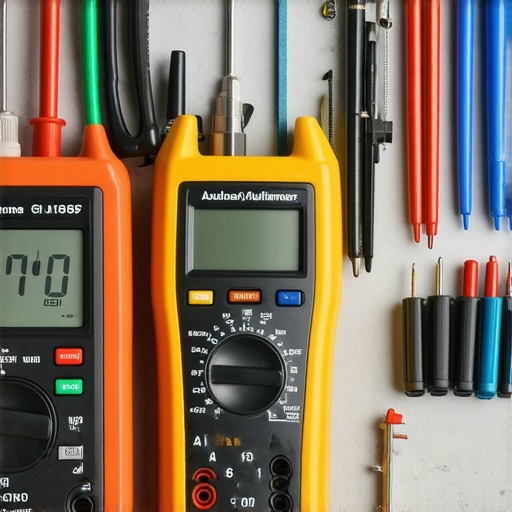
One of the biggest realizations I had was that not every malfunction is a simple fix, and rushing into replacement parts often leads to unnecessary expenses. I’ve learned that patience and systematic diagnosis, like testing connections and components with a multimeter, are invaluable skills that save time and money. Additionally, understanding your appliance’s specific design quirks, such as unique spray arm assemblies or sensor placements, can make or break a repair success. Finally, I discovered that investing in quality tools and resources transforms frustrating troubleshooting into a rewarding challenge instead of a dreaded chore.
My Go-To Arsenal for Dishwashers and Ovens
Over the years, I’ve trusted tools like the Fluke 117 multimeter for precise diagnostics, which I use extensively when testing heating elements or sensors. A set of detailed manufacturer schematics helps me avoid guesswork, especially when dealing with complex control boards. For descaling stubborn mineral deposits, nothing beats a commercial appliance descaler paired with an ultrasonic cleaner, making a significant difference. Additionally, I rely on trusted online guides and repair manuals, including those that explain how to interpret error codes from smart appliances, like in our comprehensive troubleshooting resources. These tools and sources elevate my repair game and extend appliance lifespan.
Believe in Your Power to Repair and Improve
Remember, every repair is a step toward mastering your home appliances. Embrace the learning curve, stay curious, and don’t shy away from diagnosing before replacing. Your efforts not only preserve your investment but also boost your confidence as a DIY repairer. If you’ve ever hesitated to open up your dishwasher or oven, consider this your gentle nudge—empower yourself to take control. The more you learn, the more you’ll find satisfaction in fixing things yourself, saving money, and gaining a sense of accomplishment. So go ahead—your kitchen appliances are waiting for their expert makeover! Have you ever tackled a tricky repair that turned out to be easier than expected? Share your story below, and let’s learn together.