Ever had that sinking feeling when you press start on your dishwasher, and all you get is silence or a blinking light? I remember the first time it happened to me—frustration bubbling up as I stared at a seemingly lifeless control panel. It was late, my dishes were piling up, and I felt completely helpless. That moment of helplessness turned into a mini obsession to figure out what was wrong, because, honestly, throwing out a dishwasher isn’t a quick fix—and certainly not cheap.
Why Your Dishwasher Control Panel Might Just Be Playing Dead
The truth is, a malfunctioning control panel is often a symptom of a deeper issue—one that can be diagnosed and sometimes fixed with a bit of patience and know-how. You’d be surprised how common it is for these panels to fail or develop glitches over time, especially if your machine is several years old or has been exposed to power surges. Early on, I made the mistake of replacing the entire control board without testing simple components, which turned out to be a costly misstep. Trust me—doing thorough diagnostics first can save you plenty.
Will Troubleshooting Save Your Dishwasher?
Absolutely. The good news is, diagnosing these issues isn’t as complicated as you might think. Sometimes, it’s just a matter of checking connections, inspecting for corrosion, or testing specific parts like the soap dispenser actuator or door latch. For instance, if your dishwasher doesn’t respond at all, a common culprit can be a faulty door latch switch. Want to get into the nitty-gritty? You might want to explore how to test these components properly, such as with this helpful test for the soap dispenser actuator.
Understanding what’s going on can turn the dreaded “dead machine” into a manageable repair project. And if you’ve ever hesitated because you’re worried about making things worse, you’re not alone. That’s where a little knowledge can be a real game-changer. With the right approach, you can often revive your control panel without professional help, which brings peace of mind—and more time with your clean dishes.
So, have you faced a similar problem where your dishwasher just refused to cooperate? Stick around, because I’ll walk you through the entire troubleshooting process, sharing tips from my own adventures in appliance repair—and saving you from unnecessary expenses and stress.
Start with Visual Inspection and Basic Tests
Begin by unplugging your dishwasher to prevent electrical shocks. Remove the control panel cover, usually with a screwdriver, to access the circuit board and connections. Look for obvious signs of damage, such as burnt components, corrosion, or loose wires. Recall a time I once noticed a blackened resistor on my own control panel after a power surge—replacing it saved me hundreds. Ensuring all connections are tight and corrosion-free is a crucial initial step.
Test the Door Latch and Switch
The door latch switch acts like a gatekeeper, signaling when the door is securely closed. Using a multimeter, test the latch switch for continuity—think of it as checking if a door lock is functioning properly. If the switch fails, your control panel might not receive the ‘door closed’ signal, rendering the machine unresponsive. For guidance, see this detailed test for the door latch.
Diagnose the Control Board and Components
Next, focus on the control board—a little like the brain of your dishwasher. Visual cues such as swollen capacitors or burn marks signal failure. Test key components such as the touchpad and user interface. Sometimes, a clogged or dirty control panel causes unresponsive buttons; cleaning and testing can resolve this. Remember, a malfunctioning soap dispenser actuator can mimic an unresponsive control—test it by this method.
Inspect Power and Ground Connections
Power issues can mimic control panel failures. Use a multimeter to verify the power supply to the control board—think of it as making sure your phone has a steady charger connection. If power is unreliable, check for blown fuses or tripped circuit breakers. Confirm the dishwasher’s ground connection is secure—faulty grounding can cause erratic behavior, similar to how a loose wire can cause flickering lights in your home.
Deep Clean Components and Moisture Removal
Moisture is the enemy of electronics. Use a clean cloth to wipe down the circuit board and dry any visible moisture. For stubborn residue causing shorts, a thorough cleaning with contact cleaner is advisable. Regular maintenance, like deep cleaning the sump area (see here), can extend the lifespan of your components and prevent mysterious faults. In my case, a deep clean eliminated intermittent errors that had baffled me for weeks.
Replace Faulty Components Carefully
Once diagnosed, replacing faulty parts is essential. Soldering a new capacitor or switching out a faulty relay requires precision—think of it as repairing a watch. Use a multimeter to verify continuity after replacement. If the control board itself is beyond repair, replacing it with a compatible unit may be the best choice—more on that in this guide.
Test and Reassemble the Dishwasher
Before sealing everything up, reconnect power and run a short cycle to see if the control panel responds properly. Listen for sounds, watch for error codes, or unresponsive buttons. If issues persist, revisit your diagnostics or consider consulting a professional. Remember, patience during this process prevents unnecessary part replacements and saves money.
By systematically following these steps—inspection, testing, cleaning, and replacement—you turn a confusing control panel malfunction into a manageable fix. Every step is like troubleshooting a complex puzzle, but with persistence, you can have your dishwasher humming smoothly again.
,When it comes to appliance repair, many homeowners rely on oversimplified advice that can often lead to costly mistakes. One prevalent misconception is that replacing parts immediately upon failure is always the best course of action. In reality, a nuanced diagnostic approach is crucial; jumping straight to parts replacement without thorough testing can result in unnecessary expenses and prolonged downtime. For example, many assume that a non-responsive dishwasher control panel is defective, but often the root cause is a simple blown fuse or a loose connection, which can be remedied with basic checks. To avoid falling into these traps, understanding the little details—like verifying power supply integrity or inspecting for moisture damage—is essential. Using multimeters to test components such as the door latch switch or control board can save you from replacing perfectly functional parts, saving time and money. I’ve seen cases where homeowners replaced control boards only to discover later that a damaged wiring harness was the culprit, as discussed in expert troubleshooting guides.
Another common myth is that DIY repairs are inherently risky or that professional help is always necessary. While there are certainly tasks best left to professionals—like high-voltage component replacements—many repair processes, such as cleaning the sump or testing the thermal fuse, can be safely performed at home with proper precautions. It’s vital, however, to recognize the danger zones: attempting to repair a faulty heating element without shutting off power can be hazardous, and misdiagnosing issues like a clogged drain can lead to repeat problems if not properly addressed.
A hidden nuance that often goes unnoticed is the importance of regular maintenance, which many overlook. Regular deep cleaning of components like spray nozzles and greasing door hinges can prevent issues from developing, thus extending the lifespan of your appliances. For instance, neglecting to clean the dishwasher’s sump can cause buildup that obstructs water flow, leading to inefficient cleaning or leaks—a fact supported by appliance longevity studies.
And for advanced enthusiasts, understanding the dynamics between different components can be a game-changer. For example, a slow preheat in an oven might seem like a fault with the heating element, but the real cause could be a failing temperature sensor or a malfunctioning relay, which can be diagnosed with simple tests like checking the thermal fuse or sensor. Recognizing such nuances separates a rookie fix from expert-level repairs.
Make sure you avoid common pitfalls by taking the time to diagnose correctly rather than rushing into part replacements. Remember, understanding these subtle cues and myths can save you frustration and money. Do you know how to spot these hidden issues? Have you ever fallen into this trap? Let me know in the comments. For deeper insights on diagnosing appliances, explore our guides on deep cleaning your dishwasher sump or testing the soap dispenser actuator.
Keep It Running with the Right Equipment
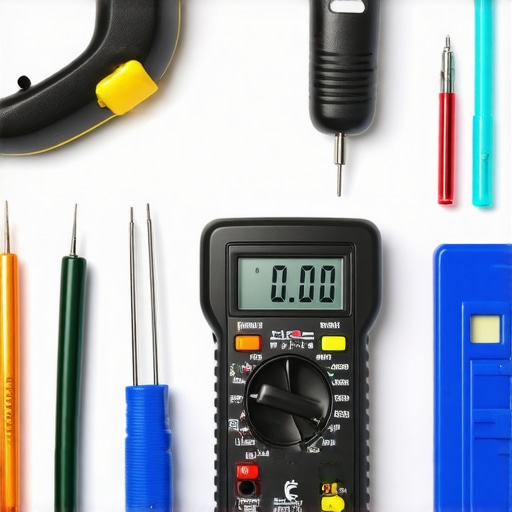
Maintaining your appliances over the long term requires more than just basic know-how; it demands the use of precise tools designed for specific diagnostic and repair tasks. I personally rely on a high-quality digital multimeter, like the Fluke 117, because it provides accurate readings essential for testing components such as door latch switches and thermal fuses. An unreliable multimeter can lead to misdiagnoses, causing you to replace parts unnecessarily. For cleaning delicate electronic contacts or circuit boards, I prefer a contact cleaner like DeoxIT, which gently removes corrosion without damaging sensitive parts, as discussed in testing a thermal fuse.
Furthermore, I always keep a precision soldering kit handy. When replacing components like capacitors or relays on the control board, careful soldering ensures durability and prevents future failures. For more advanced troubleshooting, I use an infrared thermal camera to spot hotspots on circuit boards. This helps identify overheating components that could cause intermittent faults, especially relevant in ovens and dishwashers with complex electronics. As technologies evolve, predictive maintenance tools like these are becoming indispensable for tech-savvy DIYers.
Looking Ahead: The Future of Appliance Maintenance
Predictably, smart diagnostics and IoT integration are shaping the future. Appliances will increasingly communicate their health status directly to your phone, alerting you about potential issues before they become costly failures. Investing in compatible diagnostic tools now can future-proof your repair skills, making maintenance more accessible and efficient. For instance, using a smart multimeter with Bluetooth connectivity streamlines testing procedures, making diagnostics quicker and more precise.
How do I maintain appliance tools over time?
Regular calibration of your multimeter and proper cleaning of delicate parts like contact tips or sensors ensure longevity and accuracy. Keep tools in a dedicated toolbox to prevent damage and always test their functionality before starting a repair. Periodicly replacing worn-out soldering tips or contact cleaner sprays prolongs their effectiveness. Developing a habit of routine maintenance for your tools not only saves money but also increases the reliability of your diagnostics, ultimately keeping your appliances running smoothly for years to come. Want to improve your troubleshooting skills? Try calibrating your multimeter this week using the guide from Fluke’s calibration instructions and see the difference in your diagnostics.
By investing in quality tools and maintaining them well, you ensure that your appliance repairs remain accurate and efficient. Remember, precise diagnostics lay the foundation for successful repairs—so equip yourself properly and keep those tools in top shape for reliable long-term performance.
The Hidden Truths Behind Repairs I Wish I Knew
One of the most valuable lessons I’ve learned during appliance repair is that patience trumps haste. Rushing to replace a control board without proper diagnosis often led me to unnecessary expenses. Instead, taking time to check wiring, moisture levels, and simple components like door latches proved more effective—and affordable. Another insight is that many issues stem from overlooked details, such as power surges or corrosion, which can disguise themselves as complex failures. Recognizing these subtle signs transforms repairs from guesswork into confident troubleshooting. Additionally, I discovered that understanding the specific behavior of components—like how a faulty thermal fuse causes preheating delays—can save hours of frustration. Sharing these insights has made me realize that the right knowledge can turn a daunting repair into a manageable project.