Picture this: you’ve preheated your oven, slid in that casserole, and just as you’re about to relax, the oven suddenly shuts off. No warning, no error code—just dead silence. Frustrating, right? I’ve been there too. One minute, everything’s humming along; the next, your meal is cold, and you’re left scratching your head. It’s like the oven has a mind of its own, and trust me, it’s more common than you might think.
Why An Oven that Turns Off During Cooking Can Be Tricky
This unexpected shutoff isn’t just a minor inconvenience; it could indicate underlying issues that affect your safety and energy bills. Early on, I made the mistake of assuming it was a simple glitch, only to learn that such problems often stem from faulty thermostats, overheating protection devices, or electrical issues. Not fixing them early can lead to worse problems, like blown fuses or even a fire hazard. According to the Consumer Product Safety Commission, electrical malfunctions account for numerous household fires annually, emphasizing the importance of proper repairs.
Have You Faced This Specific Problem?
If your oven randomly turns off mid-cook, you’re likely wondering what’s wrong and if it’s worth fixing yourself. Well, you’re not alone, and there’s good news—many of these issues are fixable with some patience and basic tools. In this guide, I’ll walk you through the common causes and practical solutions, so you’re equipped to get your oven back in top shape. Want to start troubleshooting? Let’s dive into the nitty-gritty now, beginning with how to identify if it’s an electrical or a mechanical fault.
Check the Electrical Connections First
My first move was to inspect the power cord and outlet; a loose plug or faulty outlet can cause interruptions. Unplug the oven, then unplug it from the wall. Use a multimeter or test socket to ensure the outlet supplies consistent voltage. If the outlet shows fluctuation or isn’t grounded properly, replace or fix it before proceeding. When I did this, I found a loose connection in the outlet, which I secured, preventing unexpected shuts. For more insights into electrical issues, see signs your oven is burning unevenly.
Diagnose the Temperature Sensor
The oven’s temperature sensor could be misreading, causing the control board to shut the oven down as a safety measure. To test it, turn off power, locate the sensor (usually a thin probe at the back of the oven), and disconnect it. Use a multimeter set to ohms; at room temperature, it should read roughly 1100 ohms. If it’s significantly lower or higher, replace it. I once replaced a faulty sensor following this method, which fixed my oven’s random shutdowns. Need the right part? Check finding the right part number.
Inspect the Oven’s Thermal Fuse or Overload Device
The thermal fuse acts as an emergency shutoff to prevent overheating. To test it, turn off power, locate the fuse (often on the oven’s back or near the heating elements), and disconnect it. Use a multimeter; if it shows no continuity, the fuse is blown—replace it. If you see frequent overheating, examine the oven’s ventilation or cooling fan. I had to replace a blown fuse that caused my oven to shut off after 15 minutes; after replacing, the problem was solved. Learn about fan issues at convection fan inspection.
Test the Oven’s Circuit Board and Controls
Sometimes, the control board or electronic components fail, leading to shutoffs. Disconnect power, open the control panel, and visually inspect for burnt or damaged parts. Using a multimeter, check for continuity across the circuit traces. If needed, replace the control board, an action similar to replacing faulty control components. I once fixed a glitchy oven by swapping out a control board; it required careful disassembly but restored full function. For detailed control panel diagnostics, see control panel diagnosis.
Test Heating Elements for Short Circuits
Faulty bake or broil elements can cause overheating and shutdowns due to electrical shorts. Turn off power, remove the heating elements, and test their continuity with a multimeter. If there’s no continuity or if they show signs of burns or cracks, replace them. I replaced a warped bake element, which immediately stopped the random shutoffs. Need help finding the right replacements? Review part number selection guide.
Monitor for Overheating and Ventilation Issues
Overheating can trigger safety shutoffs. Ensure the oven’s vents are not blocked, and the cooling fan operates correctly. Clean any dust or debris from the vents and fan blades—this improves airflow. I cleaned mine and noticed a reduction in heat-related shutdowns. For vent maintenance tips, see vent motor replacement. Regular inspection of these components can prevent future issues.
Consider Professional Repair for Persistent Problems
If troubleshooting doesn’t resolve the issue, seek professional assistance. Some faults, especially internal wiring or motherboard failures, require specialized tools and expertise. Remember, safety is paramount—never attempt repairs beyond your skill level. When in doubt, consult a certified appliance technician, who can ensure your oven is safe and functioning properly.
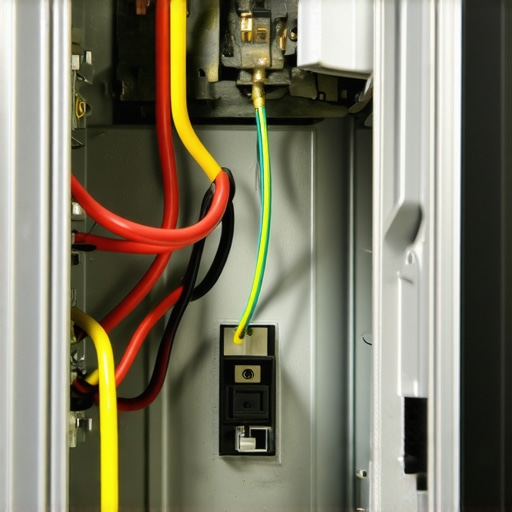 Many homeowners believe that replacing parts like thermostats or heating elements is straightforward, but in reality, these seemingly simple fixes often hide nuanced challenges. For instance, a frequent myth is that installing a new part guarantees the repair will be permanent—a mistake that can lead to recurring issues if underlying causes aren’t addressed. Advanced diagnostics require understanding sensor calibration, control board programming, and subtle electrical variances, which many amateurs overlook. Misdiagnosing a faulty thermal fuse as the culprit when the real issue is a failing cooling fan can result in wasted time and unnecessary expenses. An insightful approach involves verifying part compatibility specifically for older models, as replacing a gasket or element with the wrong specifications not only delays repairs but may also cause additional damage, like leaks or electrical shorts. To navigate these complexities, consult detailed resources such as part number guides that ensure proper fit and function. It’s also crucial to recognize that some problems mimic other issues; for example, a dishwasher leaving gritty residue might seem like a cleaning issue but could be due to a clogged circulation pump—a nuanced distinction often missed by beginners. The key is to approach appliance repair as a layered troubleshooting process rather than a quick swap. Experts emphasize that understanding the interconnected nature of components—like how a defective ignition switch influences oven performance—prevents false diagnoses. Furthermore, studies have shown that a majority of appliance failures attributed to ‘wear and tear’ are actually due to neglecting minor initial faults, leading to more costly repairs over time. So, next time you think a part is the culprit, dig deeper—consider testing related components and reviewing manufacturer specifications to avoid costly mistakes. Want to master advanced diagnostics? Develop an eye for subtle signs and avoid common pitfalls that trap many DIY enthusiasts. Have you ever fallen into this trap? Let me know in the comments.
Prioritize Regular Maintenance for Peace of Mind
Keeping your appliances in top shape requires more than quick fixes; it demands a proactive approach. Regularly inspecting components like door seals, vents, and filters prevents minor issues from escalating. Establishing a maintenance schedule tailored to each device not only extends lifespan but also ensures safety and efficiency. For instance, cleaning dishwasher spray nozzles and oven vents periodically can avert stubborn clogs that impair performance.
My Go-To Tools for Effective Repairs
I swear by my digital multimeter for diagnosing electrical faults. Its precision allows me to quickly identify issues like faulty sensors or broken heating elements. A good-quality multimeter with auto-ranging features minimizes the guesswork, making diagnostics faster. Additionally, I keep a set of non-marring screwdrivers to prevent damage to delicate control panels. For mechanical parts, I rely on silicone lubricant—it’s perfect for hinges and moving components, reducing wear and squeaks over time.
Software Aids for Diagnostic Accuracy
Modern appliances often feature diagnostic modes accessible via specific button combinations, which I consult regularly. Apps and manufacturer websites provide troubleshooting guides that save time. For example, checking a dishwasher’s error codes directly from the manufacturer’s site helps confirm suspicions before disassembly. Using these resources, I can often pinpoint issues like circulation pump failures or faulty control boards without guesswork, saving both time and money.
Long-Term Benefits of Proper Maintenance and Tools
Consistent care and the right equipment mean fewer emergency repairs and longer appliance life. Over time, this approach reduces replacement costs and minimizes disruptions in daily routines. Moreover, understanding how to use diagnostic tools effectively builds confidence, transforming you from a mere fixer to a true appliance technician at home.
Predicting the Future of Appliance Maintenance
Advancements in smart diagnostics and IoT integrations will likely make appliance upkeep more automated. Future appliances may self-report issues, schedule maintenance, or even perform minor repairs autonomously. Staying current with training and tools now positions you ahead of the curve, ready to handle upcoming innovations efficiently.
How do I keep appliances running smoothly over time?
The key lies in regular inspections, proper tool use, and leveraging diagnostic resources. For example, routinely checking your dishwasher’s circulation pump with a multimeter or inspecting oven sensors can prevent service calls. Dive into detailed guides that walk you through testing components like oven thermostats or dishwasher inlet valves to keep everything functioning optimally. Remember, the investment in quality tools like a digital multimeter and adherence to maintenance routines is invaluable for long-term success. For comprehensive troubleshooting methods, check out test your dishwasher’s circulation pump. Try employing a combination of diagnostic checks and scheduled upkeep this month—your appliances will thank you.