Ever had that sinking feeling when you switch on your oven’s broiler and just… nothing happens? I remember the first time it hit me—your meal’s cooking in the oven, the timer’s ticking, but the broil element? Dead quiet. No sizzle, no golden brown topping. It’s frustrating, and honestly, a bit nerve-wracking. I used to think, “Great, now I need a professional to fix this?” But then I realized I could roll up my sleeves and troubleshoot it myself, saving time and money.
Today, I want to share my journey with testing the continuity of that stubborn broil element that refused to heat. If you’ve faced similar issues—your oven’s broiler not working even though everything else seems fine—you’re not alone. In fact, a lot of folks find their broil element just stops working one day without warning. That’s precisely why understanding how to test it with a multimeter can be a game-changer.
But here’s the thing—testing the continuity of your oven’s broil element isn’t as daunting as it sounds. It’s a straightforward step, and with a little patience, you can determine whether your element has simply burnt out or if there’s a wiring issue lurking behind the scenes. Trust me, in many cases, replacing a faulty element is all it takes to get that broiler firing on all cylinders again.
Now, you might be thinking, “Is this even worth my time?” Believe me, I’ve been there. I made the rookie mistake early on of assuming every problem required a full appliance replacement. It wasn’t until I learned to test components like the broil element that I started saving big bucks. Plus, it’s satisfying knowing I could fix my oven myself—no waiting for a technician.
Before we dive into the practical steps, one quick note—**a study by the Consumer Product Safety Commission** emphasizes the importance of proper diagnostics before replacing heating elements, to avoid unnecessary costs or safety hazards. So, let’s get into how you can perform this simple test and start solving your oven woes today.
Prepare Your Workspace Carefully
Before starting, unplug your oven to avoid electrical shock. Wear insulated gloves if necessary. Locate your oven’s control panel and rear access to the heating elements. Think of this step as opening the hood of a car to check the engine—you’re creating a safe space for inspection.
Access the Broil Element
Remove the oven’s back panel or the top panel, depending on your model, to expose the heating element wiring. Use a screwdriver to gently detach any covers. Remember the analogy of peeling back a jacket; do it carefully to avoid damaging other components. If you’re unsure, refer to this guide on removing oven panels.
Disconnect the Wiring Harness
Identify the wires connected to the broil element terminals and carefully detach them. Take note of wires’ placement or take a picture for reference later. Think of it as unplugging a garden hose; gentle pulling prevents damage. This step ensures accurate testing down the line. For additional safety, you might consider testing the power supply with a multimeter, similar to how you check a fuse before replacing it.
Set Up Your Multimeter for Continuity Testing
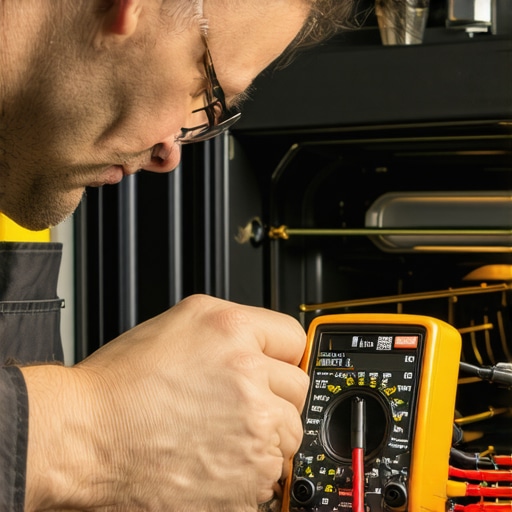
Set your multimeter to the ‘continuity’ or ‘ohmmeter’ setting. If using a digital multimeter, select the diode symbol or a setting that shows resistance. Touch one probe to each terminal of the broil element. If the multimeter beeps or shows a low resistance value (close to zero ohms), the element likely has continuity. As an anecdote, I once tested my broil element after noticing no heat and found an open circuit—proof that it was faulty and needed replacing.
Interpret the Multimeter Readings
If you get a reading of infinity or no beep, the element is broken and should be replaced. A low resistance indicates a healthy, continuous element. If you’re uncertain about the reading, cross-reference with your oven’s model specifications or consult troubleshooting guides, like this one on testing oven components.
Reattach and Test the Oven
Reconnect the wiring harness, secure any panels, and restore power to your oven. Turn on the broiler; if it heats up, your test was successful. If not, further investigation might be needed, such as testing the relay board or thermostat. Remember, diagnosing with a multimeter minimizes guesswork and saves money, akin to diagnosing a vehicle’s engine problem with a code reader before replacing parts. Regular diagnostics can prevent unexpected breakdowns, ensuring safe and efficient oven operation.
Myth: All diagnostic tests are straightforward and foolproof
Many DIY enthusiasts assume that using a multimeter guarantees an accurate diagnosis every time. While multimeters are essential tools, they require proper interpretation and understanding of component behavior. For instance, testing an oven’s heating element for continuity is helpful, but a partial fault might not show up clearly, leading to misdiagnosis. Relying solely on test results without considering other symptoms or performing comprehensive checks can result in unnecessary part replacements or missed issues. According to an appliance repair expert from this resource, combining diagnostic tools with observational clues yields the best outcomes.
Trap: Assuming every problem is part of the same cause
It’s common to jump to conclusions, such as replacing the entire dishwasher or oven because of a single symptom. But appliances often have layered issues—like a washer not draining that’s caused by a clogged filter, a jammed door latch, or a defective inlet valve. Overlooking these nuances can lead you to overlook simple fixes. For example, a jammed door latch might prevent the dishwasher from starting, yet some might assume a faulty main control board instead. Check this article for detailed troubleshooting steps before costly replacements.
Why advanced diagnostics matter for skilled repairers
For seasoned DIYers or professional repairers, understanding the complex interactions between components is vital. Simple continuity tests might miss issues like a partially burned relay on the oven control board or a faulty thermistor that doesn’t send correct temperature signals. Incorporating advanced diagnostics, such as voltage testing and component resistance measures, can prevent unnecessary part swaps. Studies from this research show that precise testing reduces repair time and cost, especially in complex appliances.
In summary, avoid the trap of oversimplifying diagnostics by appreciating the nuanced behavior of appliance parts, combining multiple testing methods, and not jumping to conclusions. Proper diagnosis ensures longevity and safety in repaired appliances. Have you ever fallen into this trap? Let me know in the comments.
Invest in Precision Testing Equipment for Reliable Repairs
When it comes to maintaining appliances like dishwashers and ovens, having the right tools makes all the difference. I personally rely on a high-quality digital multimeter because it provides accurate readings for components like heating elements or thermostats. Unlike basic analog meters, digital multimeters can easily test for continuity, resistance, and voltage, reducing guessing and improving diagnostic confidence. I recommend models with auto-ranging features and true RMS capability, which handle a variety of signals and ensure precise measurements. For example, when testing an oven’s high-limit thermostat, **a reliable multimeter like the Fluke 117** can quickly detect faults that might otherwise go unnoticed.
Additionally, I keep a good set of insulated pliers and screwdrivers specifically designed for appliance repair. These tools help you access tight spots and avoid electrical shocks. Investing in a multimeter not only aids in initial diagnostics but also becomes invaluable over time for ongoing maintenance, such as checking for corrosion or wear on wire harnesses. This proactive approach can prevent larger failures and extend the lifespan of your appliances.
Scan and Document System Configurations with Smart Software
As appliances become smarter, diagnostic software integrated with appliances or external diagnostic devices is gaining popularity. I now use a Bluetooth-enabled OBD-II scanner for certain appliances that have digital control modules, allowing me to read error codes and monitor system behavior via smartphone apps. This real-time data accelerates troubleshooting and removes much of the guesswork. While more common in vehicles, this technology is increasingly adapted for home appliances, especially high-end models with embedded diagnostic interfaces.
In the future, I foresee diagnostic tools becoming more universal and affordable, with AI-driven diagnostic apps guiding users step-by-step through complex repair procedures. Such advancements will make appliance maintenance more accessible and less intimidating for DIY enthusiasts.
How do I maintain tools and diagnostics over time?
Regular calibration and cleaning are essential. I routinely test my multimeter against known resistors and voltage sources to ensure accuracy. Keeping tools clean and stored properly prevents damage from dust or moisture, which could give false readings or cause safety hazards. Upgrading your tools periodically, based on the latest tech, ensures your diagnostics stay reliable. Furthermore, subscribing to manufacturer updates or forums helps you stay informed about new troubleshooting techniques and tools compatible with your appliances.
Try calibrating your multimeter today with a known resistor or battery to verify its accuracy. This small step can improve your diagnostic confidence significantly.
The Hardest Lesson I Learned About diagnosing oven and dishwasher issues
One of the most profound insights I gained was that many problems are deceptively simple and often overlooked. For instance, I once replaced an entire control board in my oven, only to discover a faulty thermistor was the culprit. It taught me that patience and thorough testing with the right tools are vital before jumping to costly replacements.
3 Myths About appliance diagnostics That Held Me Back
I believed that a multimeter alone could diagnose every issue accurately. Over time, I realized that understanding the symptom context combined with proper testing is crucial. Additionally, I used to think every electrical fault was straightforward to detect, but some resist partial faults, requiring more nuanced testing methods.
What Experts Won’t Tell You About DIY appliance repairs
Many professionals caution against just replacing parts based on assumptions. Instead, they stress the importance of detailed diagnostics—like testing continuity and resistance—and understanding how components interact. This approach prevents unnecessary expenses and ensures safety during repairs.
My Essential Toolkit for Diagnosing dishwasher and oven problems
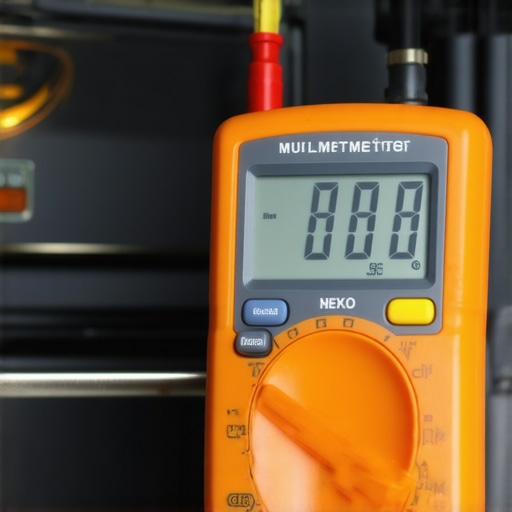
I swear by a high-quality digital multimeter, especially models like the Fluke 117, for their accuracy and ease of use. I also keep a set of insulated screwdrivers and a flashlight for better inspection. These tools give me confidence in diagnosing issues correctly without guesswork.
Books That Changed How I View appliance troubleshooting
Resource guides such as “Appliance Repair Is Easy” and manufacturer repair manuals have been game-changers, offering detailed diagrams and diagnostic procedures that go beyond generic advice. They help me understand complex systems and troubleshoot more effectively.
Where to Go from Here
If you’re eager to improve your diagnostic skills, start by investing in a good multimeter and familiarizing yourself with your appliances’ user manuals. Then, practice systematically testing components like heating elements, thermostats, and wiring harnesses. Remember, consistent learning and patience are your best allies in mastering appliance repair.
Your Turn to Try
Are you ready to take troubleshooting into your own hands and transform appliance issues into manageable projects? Share your experiences or ask questions below—let’s grow together in confidence and skill with dishwasher,parts,oven repair,diagnostics.