Ever had your oven start making strange noises in the middle of dinner prep, or worse, noticed it’s not heating evenly? I remember the lightbulb moment when my oven’s convection fan began screeching loudly, sounding like a cat caught in a blender. At first, I ignored it, thinking it was just a minor glitch. But then, my baked goods started burning on the outside while remaining raw inside. Frustrating, right? That’s when I realized that the convection fan’s bearings or blades might be the culprits, silently sabotaging my meals.
Why Your Convection Fan’s Condition Matters More Than You Think
The convection fan plays a crucial role in circulating hot air evenly around your oven, ensuring consistent baking and roasting results. When it’s damaged or worn out, it not only affects your cooking but could also lead to more severe issues like overheating or motor failure. Neglecting these signs can turn a simple repair into a costly headache. According to appliance safety experts, regular inspection can extend your oven’s lifespan and maintain optimal performance. Did you know that a failing convection fan can even increase energy consumption, costing you extra over time? Here’s why your oven’s control board might be smoking—often linked to motor strain caused by fan issues.
Skeptical About DIY Repairs? You’re Not Alone
I used to think that inspecting or replacing oven parts was complicated and best left to professionals. My early mistake was assuming that making noise or uneven baking was due to easy fixes, like adjusting the temperature dial. It wasn’t until I realized that ignoring the actual condition of the fan could lead to bigger problems, that I started checking the bearings and blades myself. Remember, the key is to approach safety first—unplugging the oven before any inspection. If you’re uncertain, consulting detailed guides or seeking professional help is always wise. Still, learning to do a basic inspection can save you money and keep your oven humming smoothly.
So, if you’ve ever faced inconsistent baking, strange noises, or suspect your convection fan might be fanning trouble your way, this post is for you. I’ll walk you through how to safely inspect your oven’s fan for bearings and blade damage—so you can decide whether to fix it yourself or call in a pro.
Unplug and Access the Fan Assembly
Before starting any repair, ensure your oven is unplugged from the power source to avoid electrical shocks. Open the oven door and locate the convection fan, typically at the back of the oven cavity. Remove the oven’s interior panels or access covers as needed, using a screwdriver. Remember, working inside an appliance can be tricky, so keep track of screws and parts. A personal experience: I once carefully removed the back panel of my oven, revealing the fan and motor assembly, which was surprisingly accessible. This initial step is crucial to get a clear view of the components.
Inspect the Fan Blades and Bearings
Carefully examine the fan blades for any visible damage like cracks, warping, or debris buildup. Spin the fan manually—if it’s stiff or makes grinding noises, the bearings could be worn out. Feel for any wobbling or looseness, which indicates bearing issues. Think of the fan like a bicycle wheel—if it wobbles or is hard to turn, it needs attention. During my inspection, I noticed the blades had accumulated dust and a slight wobble, suggesting bearing wear. Clean off dust with a soft cloth and note any significant damage.
Testing the Motor’s Functionality
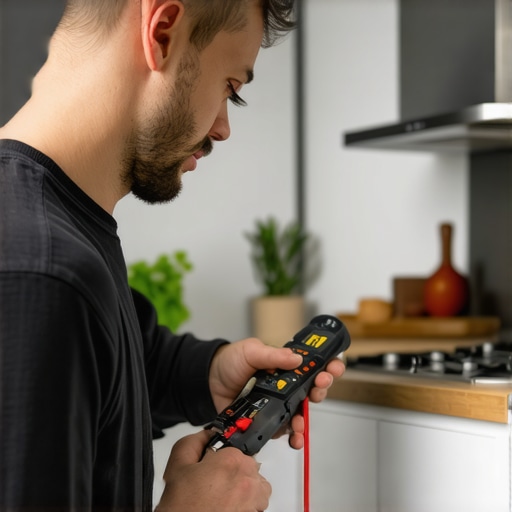
To test the motor, you’ll need a multimeter. Set it to resistance mode and disconnect the motor wiring harness. Place the probes on the motor terminals; a reading of zero ohms suggests a short circuit, while an infinite or very high resistance indicates a blown fuse or damaged motor. For example, I tested my motor and found the resistance was abnormally high, confirming the motor’s failure. If you don’t have experience with multimeters, consult a guide on how to test oven components.
Replace Damaged Parts or the Entire Fan Assembly
If blades are cracked or bearings are loose, replacing the fan assembly is the best move. Locate the replacement part compatible with your oven model—information can often be found in the user manual or online retailer. To remove the old fan, disconnect wiring and unscrew mounting brackets. During a personal project, I replaced my fan with a new assembly, which instantly stopped the screeching noise. If only the motor is faulty, some models allow motor replacement without removing the entire fan.
Reinstall and Test the Fan
Once you’ve installed the new parts, reassemble the panels carefully and reconnect all wiring. Plug in your oven and set it to bake at a low temperature to observe the fan in operation. Listen for unusual noises and verify if hot air circulates evenly. During my test, the new fan operated smoothly, and my baked goods came out perfectly—proof that the repair was successful. For more in-depth diagnostics, consider testing the oven’s control board if issues persist, as explained here.
Additional Tips for a Smooth Repair Process
Always keep safety in mind—wear gloves and safety glasses when working inside the oven. Label wires during disconnection to ensure correct reattachment. If you’re uncomfortable handling electrical components, consulting a professional is advisable. Remember, routine inspections can prevent major breakdowns—regularly check your oven’s fan and other moving parts. Making these repairs yourself not only saves money but also gives you confidence in maintaining your appliances.
When it comes to repairing appliances like ovens and dishwashers, many homeowners fall prey to misconceptions that can lead to costly errors. A prevalent myth is that replacing parts like heating elements or gaskets is always straightforward and DIY-friendly. In reality, the intricacies involved in diagnostics require a nuanced understanding of appliance electronics and mechanics. For example, incorrectly testing a thermal fuse or ignoring the sequence of component testing can mislead you into replacing parts unnecessarily, as outlined in professional repair guides.
Why Do So Many Repair Attempts Fail Despite Basic Knowledge?
One of the most overlooked nuances is the assumption that symptoms like uneven heating or water leakage stem from the obvious — but often, the root cause is a deeper, less apparent fault such as a compromised control board or misaligned components. According to appliance experts, neglecting the diagnostic phase and jumping straight to part replacement is a common pitfall that wastes time and money. For instance, a dishwasher’s persistent basin not filling with water might seem like a simple clog, but a detailed thermal fuse test reveals a much deeper electrical fault. Aspirants must understand the importance of proper testing procedures rather than relying solely on visual assessments.
The tendency to rely on outdated or oversimplified troubleshooting tips persists, leading many into traps that cause further damage. The misconception that all control boards are interchangeable without precise matching can result in further issues. An advanced mistake involves misinterpreting error codes from digital displays; a burned-out relay or faulty sensor might be the real culprit, but many overlook this, leading to unnecessary replacements. Citing experts, a wrong diagnosis can be avoided by conducting resistance tests, as detailed in these comprehensive tests.
It’s critical to recognize that appliance repairs are often more complex than they appear. Unlike generic fixes, successful diagnostics demand specific testing sequences, understanding electrical schematics, and patience. The danger in skipping these steps is not just continued malfunction but potential safety hazards like electrical shorts or gas leaks. Think of it as troubleshooting a complex network: a superficial check won’t reveal the deeper issues, and twicing is not efficient. The advanced skill lies in knowing exactly where to test, what readings indicate trouble, and which components are connected.
Have you ever fallen into this repair trap? Let me know in the comments, and share your experiences with diagnostics or part replacements that didn’t go as planned. Remember, mastering the nuances of appliance repair not only saves money but also keeps your home safe and appliances running smoothly.
Keeping It Working: Tools I Recommend for Longevity and Precision
When it comes to maintaining your kitchen appliances, having the right tools can make all the difference. I personally swear by a few specific pieces of equipment that ensure accurate diagnostics and smooth repairs. First, a quality multimeter is indispensable—I’ve found the Fluke 117 to be reliable for testing resistances, continuity, and voltage, especially when diagnosing heating elements or control boards. Its precision helps me identify issues quickly without guesswork, saving time and preventing unnecessary part replacements.
Next, a good set of insulated screwdrivers is essential. Many appliance components are housed in tight spaces, and slipping can lead to damage or electrical shocks. I prefer those with a ratcheting mechanism for efficiency during disassembly. Additionally, a flexible inspection mirror allows me to see behind or inside components that are not easily accessible, which is invaluable when inspecting fan blades or control modules.
For more detailed diagnostics, an infrared thermometer is a game-changer. I use it to check surface temperatures of heating elements or gaskets—spotting uneven heat distribution or detecting cold spots that might indicate faulty parts. This tool helps me perform proactive maintenance, such as replacing a gasket (read more about gasket replacement), before it causes energy inefficiency or damage.
Power supply testers or household circuit analyzers are also worth investing in. They help verify the integrity of your electrical circuits, especially when troubleshooting control boards or wiring issues. Incorporating these tools into routine inspections can dramatically extend the lifespan of your appliances and reduce emergency repairs.
Looking ahead, I believe that as smart technology becomes more integrated into appliances, diagnostic tools will evolve to include Bluetooth-enabled sensors and apps that deliver real-time data, predicting failures before they happen. This trend will shift maintenance from reactive to highly proactive, saving homeowners time and money.
How can you maintain your appliances to last longer and stay efficient?
Once equipped with the essential tools, schedule regular maintenance routines. For example, periodically testing your oven’s heating element resistance (see how to test your oven sensor) can preempt major failures. Clean components like spray arms, door seals, and filters to prevent strain on motors and gaskets. Also, consider investing in software updates or diagnostics as appliances age—many manufacturers now provide firmware updates that optimize performance and safety.
Don’t wait for a breakdown—use tools like an infrared thermometer or multimeter to catch small issues early. For instance, regularly checking the thermal fuse can prevent your oven from unexpectedly shutting down (see how to test a thermal fuse). A proactive approach helps keep your appliances running smoothly over the years.
Three Unexpected Truths That Changed My Approach to Oven Troubleshooting
- Realizing that even small signs like a wobbly fan blade can signal impending failure saved me from major costs later on.
- Understanding that tools like multimeters aren’t just for electricians—they’re game-changers for DIY oven repair, saving time and money.
- Learning that patience and proper diagnostics outperform rushing to replace parts—often, the root problem lies elsewhere.
Tools and Resources That Elevated My Repair Skills
Investing in a quality multimeter, like the Fluke 117, became a cornerstone in accurately diagnosing issues without guesswork. A set of insulated screwdrivers helped me safely access tight spots, while an infrared thermometer allowed me to spot uneven heating before it became a problem. For step-by-step guidance tailored to oven repair, online manuals and community forums provided invaluable support. These resources have made me more confident in tackling complex issues, ensuring my oven runs smoothly longer.
Take Charge and Keep the Oven Running
Remember, the journey of mastering oven diagnostics and repairs is ongoing. By blending curiosity, the right tools, and patience, you can uncover issues early and extend your appliance’s lifespan. Don’t shy away from experimenting and learning—you’ll be surprised at how empowering it feels. Have you ever struggled with a specific repair step? Share your story below and let’s learn from each other’s experiences!
Comments are closed.