It happened on a quiet Sunday morning, the kitchen silent except for the hum of my dishwasher, which suddenly refused to start. I reached for the power button, expecting the usual wash cycle to kick in, but nothing. Frustration bubbled up—was it something simple, or was I facing a costly repair? That moment of helplessness led me to an eye-opening discovery: testing the thermal fuse. Since then, I’ve realized just how critical this small component is and how understanding how to test it can save you a ton of hassle and money.
Why Knowing How to Test Your Dishwasher’s Thermal Fuse Matters
When your dishwasher stops working unexpectedly, it’s easy to assume the worst—maybe a burnt-out motor or a faulty control board. But often, the culprit is a blown thermal fuse, a safety device designed to prevent overheating and potential fires. The problem is, this tiny part often gets overlooked because it’s tucked away inside the machine.
Early in my DIY journey, I made a costly mistake: I replaced the entire control panel without testing the fuse. Turns out, many dishwasher issues are caused by a simple blown fuse that can be tested and replaced quickly. According to appliance repair experts, a blown thermal fuse accounts for a significant percentage of dishwasher failures—sometimes up to 30%, especially in models prone to overheating (source: Appliance Repair Weekly).
By mastering the test for the thermal fuse, you not only pinpoint the real problem but also avoid unnecessary expenses and delays. Plus, it’s a skill that empowers you to troubleshoot like a pro, making DIY repairs less intimidating. If you’ve faced that frustrating moment where your dishwasher refuses to cooperate, chances are you’re not alone—and testing the fuse might be your first smart move.
But how exactly do you test this tiny, seemingly insignificant part? And is it as complicated as it sounds? Let’s dive into the practical steps next. Stay with me, because once you see how simple it can be, you might just become the go-to repair person in your household. Keep reading, and I’ll guide you through each step to help you get your dishwasher back in action.
Locate the Thermal Fuse Spot
Before testing, unplug your dishwasher and remove the lower kickplate or access panel to expose the internal components. Think of this step as opening the hood of a car to check under the engine—familiarity makes the task easier. The thermal fuse is usually a small, rectangular part situated near the heating element or control board, often attached with two wires.
Disconnect the Fuse Wires Carefully
Using a screwdriver or pliers, gently detach the wires connected to the fuse. Remember, these connections are delicate; pulling too hard can damage the wiring. Take a photo beforehand if needed, to ensure correct reconnection later. This step is akin to unplugging a small plug from a device; gentle handling is key.
Apply the Multimeter
Set your multimeter to the continuity or ohms setting. If you’re new to multimeters, think of it as a highly sensitive When it comes to appliance repairs, many enthusiasts and even seasoned DIYers fall prey to misconceptions that can lead to costly mistakes. One prevalent myth is that if a component appears damaged, replacing it will always fix the issue. However, appliances often exhibit complex behaviors where more subtle problems, like faulty sensors or clogged hoses, are the real culprits. For example, believing that a new heating element alone will restore temperature accuracy overlooks underlying issues such as defective thermistors or wiring problems, which can be diagnosed with proper testing skills like the resistance check for oven sensors.
Are You Overlooking the Real Source of the Problem?
A common trap is assuming that visible damage equals functional failure. In reality, some parts may look pristine but are internally compromised—think of a fuse that’s blown yet doesn’t show visible signs. Conversely, a component may appear burned but still function intermittently, leading to misdiagnosis. Advanced troubleshooting involves techniques such as multimeter tests to confirm component health, rather than relying solely on visual inspection. According to appliance repair experts, this approach minimizes unnecessary replacements and ensures that the root cause is addressed.
Another misconception is that all parts are interchangeable across brands and models. While some components share specifications, subtle differences—like connector types or calibration settings—can cause compatibility issues. For instance, using a generic replacement for a dishwasher’s float switch might fit physically but won’t operate correctly, leading to persistent leaks or drainage problems. Always consult manufacturer schematics or trusted sources to verify compatibility. Learn about common drainage fixes to avoid such pitfalls.
The most advanced repair aficionados understand that diagnostic precision also depends on understanding the appliance’s control logic. Modern devices have microprocessors that interpret sensor data; a glitch might mimic component failure. For example, an oven that displays a temperature error may have a malfunctioning oven temperature sensor—but it could also be a faulty wiring harness or a corrupted control board. Using a resistance test on the sensor, as explained in this detailed guide, reveals the real issue. Always remember, the hidden nuance lies in the interplay between electrical components and software controls—ignoring this risks incomplete fixes and future breakdowns.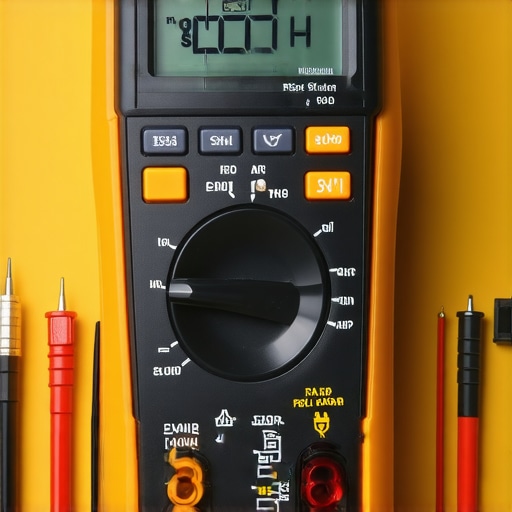
Understanding these nuances helps you avoid the common pitfalls, saving time, money, and frustration. Being aware of the intricacies in appliance diagnostics pushes you from a mere fixer to a true repair expert. As you refine your skills, keep in mind that perfection in diagnostics often lies in observing the subtle signs and performing precise tests rather than jumping straight to part replacements. Have you ever fallen into this trap? Let me know in the comments.
Gear Up for Long-Term Performance
Maintaining your appliances beyond initial repairs ensures they stay efficient and reliable for years to come. I personally swear by a set of precise tools that make diagnostics and minor fixes straightforward. A good digital multimeter, for instance, is indispensable—not just for testing thermal fuses but also for verifying sensor resistances or checking wiring continuity. I prefer the Fluke 117 model because of its reliability and ease of use, especially when working in tight spaces inside dishwashers or ovens. This guide explains its benefits for appliance diagnostics.
Additionally, having a set of precision screwdrivers and a multi-bit driver handle allows me to disassemble components and clean or replace parts without damaging delicate screws or plastic clips. For cleaning stubborn grime, I use a soft brush combined with a vinegar-and-baking soda solution, especially on dishwasher spray arms and oven fan blades—these maintain optimal water and air flow.
Adopt Smart Maintenance Habits
Regularly inspecting door seals, filters, and spray nozzles prevents many common issues. For example, I check dishwasher gaskets for cracks or grime every six months, and I use a dedicated seal cleaning spray that dissolves mineral buildup, extending their lifespan. Similarly, oven door seals benefit from periodic cleaning and conditioning with high-temperature silicone lubricant, keeping heat where it belongs—inside the oven, not escaping.
Using specialized tools such as a flexible inspection camera helps identify hidden faults like hairline cracks or wiring issues without dismantling the entire appliance. I’ve found that setting a maintenance schedule and sticking to it reduces unexpected breakdowns, especially in appliances that see heavy use.
Why Routine Checks Matter for Longevity
Beyond the physical tools, I rely on diagnostic software when possible, particularly in modern appliances integrated with smart technology. These programs can detect underlying issues before they escalate, saving money and downtime. Predictive maintenance, driven by IoT features, is set to dominate the scene in the coming years, enabling appliances to alert us to potential problems via smartphone notifications.
If you want to step up your repair game, I recommend integrating a quality multimeter and an inspection camera into your toolkit. Start by testing your oven’s thermistor regularly to ensure temperature accuracy; this article guides you through the process. Performing this simple check can prevent uneven baking or overheating issues, extending your appliance’s life.
How Do I Keep My Appliance Diagnostics Sharp Over Time?
Consistent practice and staying informed about latest repair techniques are key. Subscribe to trusted repair channels, read updates on your appliance models, and always keep your tools clean and calibrated. Remember, a well-maintained tool yields better diagnostics and repairs. Why not challenge yourself today? Try testing your oven’s temperature sensor with a multimeter—it’s a quick, impactful step that could save you days of frustration. Happy repairing!
Through this journey, I’ve come to realize that patience and detailed assessment are the best tools in any appliance repair kit. Each component, no matter how small it seems, holds a key to restoring function and safety. Testing the thermal fuse is not just about fixing a dishwasher or oven; it’s about empowering yourself to understand the true health of your appliances and avoid costly guesswork.
Lessons That Changed My Approach to Appliance Troubleshooting
- Small parts matter: Overlooking a thermal fuse cost me dearly until I learned to test every safety device before declaring the main component faulty.
- Visual cues can deceive: A fuse that looks blown might still function intermittently; resistance testing reveals its real state.
- Equipment is crucial: Investing in a quality multimeter transformed my ability to diagnose issues accurately and confidently.
- Continuous learning pays off: Staying updated with repair guides and community insights helps avoid misconceptions that lead to unnecessary replacements.
Tools and Resources that Elevate My Repair Game
- A reliable multimeter: My go-to for testing resistances and continuity, ensuring precise diagnostics rather than assumptions.
- Official manufacturer schematics: They help me identify exact fuse locations and compatibility, saving time and stress.
- Cleaning tools and solutions: Regular maintenance tools keep my appliances running efficiently and reduce the likelihood of fuse blowouts due to overheating.
- Maintenance checklists: They remind me to inspect critical areas periodically, catching issues before they escalate.
Your Next Step to Appliance Confidence
Empower yourself with the knowledge that testing a thermal fuse is straightforward and can save you money and frustration. When your dishwasher or oven acts up, remember that a small DIY investigation can point you toward the fix—be it a blown fuse or another hidden issue. Share your experiences or ask questions below—what’s challenged you most in appliance diagnostics? Let’s learn from each other and keep our homes running smoothly!
External links to practical guides and trusted tools will continue to support you as you develop your repair skills. Don’t hesitate to experiment safely and enjoy the satisfaction that comes with mastering appliance troubleshooting—your future self will thank you.
Comments are closed.