![4 Oven Thermal Fuse Tests to Fix a No-Heat Power Loss [2026]](https://appliancebargainz.com/wp-content/uploads/2026/02/4-Oven-Thermal-Fuse-Tests-to-Fix-a-No-Heat-Power-Loss-2026.jpeg)
Ever stood in front of your oven, fingers crossed, hoping this time it’ll heat up correctly? I remember the frustration of that moment all too well—when the bake cycle refuses to start, and no amount of fiddling seems to fix it. That lightbulb moment hit me: maybe it’s the thermal fuse, the unsung hero of oven safety and function, that’s gone rogue. This realization opened the door to a DIY solution I never thought possible.
Today, I want to share that journey—the ins and outs of testing your oven’s thermal fuse. If you’re tired of calling in pricey repair services or just want to understand your appliance better, you’re in the right place. Based on my hands-on experience, we’ll demystify the process and help you restore your oven’s heat without breaking the bank.
The Crucial Role of the Thermal Fuse in Oven Functionality
Think of the thermal fuse as your oven’s safety watchdog. Its job is to cut power when the oven overheats, preventing fires or damage. But sometimes, this safety feature becomes a villain—tripping unnecessarily and stopping the heat altogether. Recognizing when it’s time to test this component can save you hours of confusion and money.
Early on, I made the mistake of replacing what I thought was the problem—an expensive heating element—only to find out the fuse had simply popped. That blunder taught me how vital proper diagnostics are. A quick continuity test with a multimeter can reveal whether the fuse has blown and if it’s the culprit behind the no-heat issue.
If you’re wondering how to start, I suggest consulting detailed guides like the one provided in this comprehensive troubleshooting resource. It walks you through essential tests and helps prevent common mistakes.
Have you experienced your oven suddenly refusing to heat, or perhaps constantly tripping the circuit? Understanding the thermal fuse’s role is a vital first step toward fixing that frustrating problem yourself. So, let’s dive into how to test that fuse safely and effectively—it’s easier than you might think!
Locate the Thermal Fuse Precisely
First, unplug your oven and open the back panel carefully using a screwdriver. The thermal fuse resembles a small, cylindrical ceramic or metal component attached to the oven’s wiring. During my own troubleshooting, I found the fuse tucked near the heating elements, somewhat hidden behind other parts. Consulting your oven’s manual can help pinpoint the exact location or check online diagrams. Remember, wearing gloves and safety glasses is essential to avoid injuries from residual electrical parts.
Carefully Remove the Fuse for Testing
Once located, disconnect the wires connected to the fuse using needle-nose pliers gently. Note the wiring arrangement or take a picture to ensure correct reinstallation. Do not force the wires free; if they resist, double-check for clips or screws. I made the mistake of pulling too hard once and damaging nearby wiring; after that, I worked slowly, respecting the connections. Detaching the fuse gives you the necessary access for testing with a multimeter.
Test the Fuse Using a Multimeter Effectively
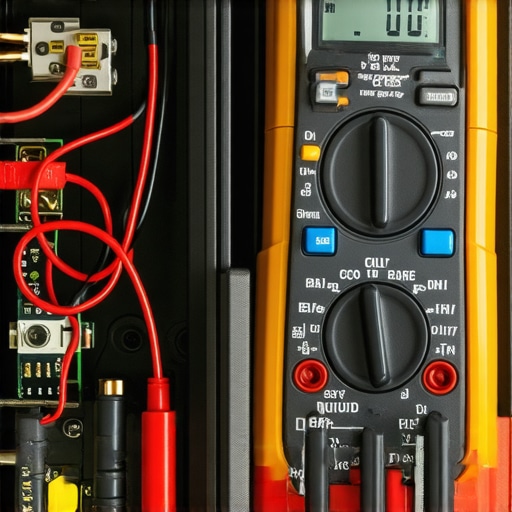
This is the core step—testing for continuity. Set your multimeter to the lowest ohms setting. Touch the two probes to each terminal of the fuse. A good fuse will display a reading close to zero or a very low resistance, akin to a short circuit. If your multimeter shows ‘OL’ or no continuity, the fuse is blown. When I tested mine, I saw no reading, confirming it was faulty. This guided me directly toward buying a replacement without unnecessary repairs. For detailed testing techniques, check this troubleshooting guide.
Replace or Reset the Fuse as Needed
If the fuse is dead, replace it with an exact match—remember, using the correct amp rating is crucial for safety. Insert the new fuse carefully, reconnect the wires, and reassemble the panel securely. Keep in mind, some fuses are resettable, but most are designed to blow once, necessitating a full replacement. After installation, plug the oven back in and turn it on to verify operation. If the oven still doesn’t heat, the problem may lie elsewhere, warranting further diagnosis or professional help.
 Many DIY enthusiasts believe that diagnosing appliance problems is straightforward—just identify a faulty part and replace it. However, this oversimplification can lead to costly mistakes. One common misconception is assuming that the loud noises from your dishwasher always indicate a worn-out pump, but in reality, debris or misaligned spray arms often cause similar symptoms. Instead of jumping straight to part replacement, it’s vital to perform targeted diagnostics, such as inspecting the spray arm assembly or testing the float switch to prevent unnecessary repairs.
Another overlooked nuance is the assumption that every faulty heating element is the sole culprit for oven heating issues. While a blown element can be the cause, sometimes, the real problem lies within the temperature sensor or control board. A comprehensive diagnostic approach, including testing sensor resistance values and verifying control signals, can save time and money. For instance, relying solely on visual cues without proper testing may lead to replacing parts unnecessarily, which expert guides emphasize as a common pitfall.
People often get caught up in common myths—like the idea that resetting an appliance fixes persistent issues. While occasionally resetting a control board can resolve minor glitches, persistent problems usually indicate underlying component failures. Moreover, many homeowners forget that external factors such as wiring damage or loose connections can mimic faulty parts. It’s essential to methodically check wiring harnesses and connectors when diagnosing issues, instead of focusing only on replaceable components.
An advanced tip involves understanding the diagnostic codes, which are designed to pinpoint specific faults. Interpreting these codes correctly—knowing what each fault indicates—can dramatically streamline repairs. For example, a code related to drain issues might actually stem from a clogged filter rather than a defective drain pump. Recognizing such nuances can help you target the real problem efficiently.
Have you ever fallen into this trap of oversimplification? Let me know in the comments! For a detailed breakdown of troubleshooting steps for dishwasher issues, consider consulting expert resources like this comprehensive troubleshooting guide.
How to Keep Your Appliances Running Smoothly Over Time
Investing in the right tools is crucial for maintaining your appliances effectively. I personally rely on a high-quality digital multimeter because it provides accurate readings essential for diagnosing issues like electrical faults in your oven or dishwasher. A multimeter helps me quickly determine if components such as thermostats or heating elements are functioning properly, saving me time and money. Additionally, a reliable set of screwdrivers with various heads ensures I can access and replace parts without damaging screws or casings.
For cleaning and maintenance, I use specialized brushes designed for appliance parts, especially for cleaning spray arms in dishwashers or fan blades in ovens. These tools reach tight spots that often accumulate debris, which can cause malfunctions or reduce efficiency. Regular cleaning prevents buildup that might lead to issues like clogs or overheating. I also recommend keeping spare parts like door seals, gaskets, and safety switches on hand; having these ready can significantly reduce downtime during repairs.
Software diagnostics are becoming increasingly valuable. For instance, many modern dishwashers or ovens come with internal diagnostic modes accessible via control panels. Learning how to interpret error codes through manuals or manufacturer apps can accelerate troubleshooting. For more advanced diagnostics, I use a leak detector and temperature sensors to monitor appliance performance over time, helping me spot wear and tear before failure occurs. This resource provides excellent guidance on essential diagnostic tools for oven repairs.
Predicting What’s Next in Appliance Maintenance
The future of appliance maintenance certainly leans toward automation and smarter diagnostics. As IoT devices become more affordable and widespread, I predict we’ll see more appliances equipped with sensors that continuously monitor their own health. This means fewer surprise breakdowns and proactive maintenance alerts directly to your phone. Embracing these trends now—by investing in compatible tools and learning how to interpret data—can prepare you for a future where DIY repairs are increasingly feasible and less intimidating.
Questions to Ask When Maintaining Your Appliances
So, how do I maintain my appliances over time? The key is regular check-ups combined with preventive care. Changing filters periodically, inspecting wires and connections for wear, and cleaning components like spray arms and fans can extend their lifespan. For example, regularly testing the heating elements in your oven for continuity prevents unexpected failures. Additionally, documenting your repair history helps identify patterns that indicate when certain parts might need replacement. Remember, staying proactive is the best way to keep your appliances functioning optimally for years to come.
If you want to get started with advanced diagnostics, try using a multimeter to test your oven’s temperature sensor or heating element—it’s a straightforward yet powerful step that can save you from costly repairs later. For detailed guidance on testing sensors and other critical parts, explore this expert resource. Taking small, proactive steps today ensures your appliances keep working reliably into the future.
Lessons Learnt in the Trenches of Oven Troubleshooting
One of the most impactful lessons I learned is that the thermal fuse is often mistaken for the culprit, but in reality, it’s more of a symptom than the root cause. Jumping straight to replacing it without proper testing can lead to unnecessary expenses and frustration. Also, I discovered that patience during testing—slowly and carefully inspecting wiring and connections—can save hours of guesswork and prevent accidental damage. Lastly, understanding that not every single heating issue stems from the fuse encourages a more holistic diagnostic approach, which saves time and promotes confidence in DIY repairs.
My Toolbox of Trusted Repair Resources and Tools
My first recommendation is always a quality multimeter, like the Fluke 116, which I trust for accurate readings and durability. For detailed guidance, this troubleshooting guide has been invaluable in my journey, helping me identify the right components to test and replace. I also rely on digital leak detectors and infrared thermometers to assess appliance performance holistically. Lastly, an OEM repair manual for my specific oven model provides schematics and troubleshooting steps I can’t do without, making complex diagnostics straightforward.
Keep Moving Forward—Revive Your Oven and Confidence
Taking the leap to diagnose and repair your oven yourself is empowering. The process of learning how to test your thermal fuse and other components builds a deeper connection with your appliances and saves you money. Remember, every small repair adds up to a more knowledgeable and self-reliant person. So, don’t hesitate to roll up your sleeves—your oven and your wallet will thank you. What’s the first troubleshooting step you’re excited to try today? Share your plans in the comments below!