It was late at night when I first noticed it—my dishwasher was still humming away, long after the cycle should have ended. That incessant whir, the slow drip of frustration sinking in, made me realize I was facing a common but confusing problem: the drain pump wouldn’t stop running. I couldn’t help but think, “What did I overlook? Is this a sign of a major repair, or something I can fix myself?” That moment of confusion became my motivation to dig deeper.
Why Your Dishwasher Won’t Stop Draining: The Hidden Juggle of Parts and Signals
The dishwasher’s drain pump running continuously is more than just an annoyance; it could be a sign that your machine is caught in a loop of miscommunication. Often, it’s caused by a simple issue like a clogged filter or a stuck float switch, but sometimes, the culprit is a faulty control board or a broken relay. Understanding these intricacies was my first step toward a solution, and I want to share that journey with you.
Is the Drain Pump Repairs Overhyped or Actually Serious?
I admit, early on, I made a rookie mistake—assuming that a running pump was always a major overhaul. That’s a trap many fall into. From my experience, many times, cleaning the filter or testing the float switch resolves the problem quickly. However, ignoring confirmed signs of a broken relay or control board can lead to bigger issues. To build trust, I recommend checking out resources like [this troubleshooting guide](https://appliancebargainz.com/replacing-a-dishwasher-drain-hose-connector) for step-by-step instructions. Remember, the key is diagnosing correctly, and rushing into parts replacement without proper testing can be costly.
Are you tired of your dishwasher running endlessly and wasting water and power? Don’t worry. Next, I’ll walk you through practical steps to identify and fix the root cause, so your dishwasher gets back to working efficiently. Let’s get started.
Check the Filter and Drain Hose First
Begin with the basics. Unscrew and remove the filter at the bottom of your dishwasher. Look for debris or buildup that could clog the drain. Detach the drain hose and inspect it for kinks, twists, or obstructions. Clearing these ensures water can flow freely, reducing stress on your drain pump. I once had a stubborn clog in my hose that caused the pump to run endlessly, but after a thorough cleaning, the problem vanished.
Test the Float Switch for Stuck Or Malfunction
The float switch acts as a sensor to prevent flooding. If stuck or faulty, it can signal the dishwasher that there’s a flood, causing continuous draining. To test, locate the float (usually a small plastic piece inside the tub) and lift it. If the pump keeps running despite the float being in the ‘up’ position, the switch may be faulty. Testing with a multimeter or replacing it can resolve your issue. I replaced mine after noticing it was jammed with detergent residue, which fixed my draining problem.
Evaluate the Drain Pump and Its Components
The drain pump is a critical piece. Listen for unusual sounds or check if it’s running constantly even when it shouldn’t. Disconnect power, access the pump, and inspect for debris or damage. Test the pump motor with a multimeter for continuity; no continuity indicates a faulty pump. Replacing the pump is straightforward if you’re comfortable with small repairs. I opted for a new pump after seeing signs of motor burn-out, restoring normal operation.
Inspect Control Board and Relay Settings
If mechanical parts check out, electronic control issues might be the cause. Look for burnt components, corrosion, or damaged relays on the control board. Sometimes, a simple reset or cleaning can fix these issues, but a faulty control board may require replacement. I managed to rebalance my dishwasher’s control signals by cleaning corroded contacts, which stopped the pump from running nonstop.
Remember the Significance of Proper Diagnostics
Always approach repairs methodically. Rushing into part replacement without testing wastes time and money. Use troubleshooting guides to verify each component before replacing. For example, testing the float switch’s continuity saved me from unnecessary pump replacement. Troubleshooting with patience is your best strategy for a long-lasting fix and avoiding costly repairs down the line.
By following these steps meticulously, you can pinpoint whether a clogged filter, stuck float switch, faulty pump, or control board failure is causing your dishwasher’s drain pump to run endlessly. Keep in mind that each part plays a vital role, and understanding their function helps you approach repairs confidently. For more detailed guidance on specific parts, visit this comprehensive drain hose replacement guide.
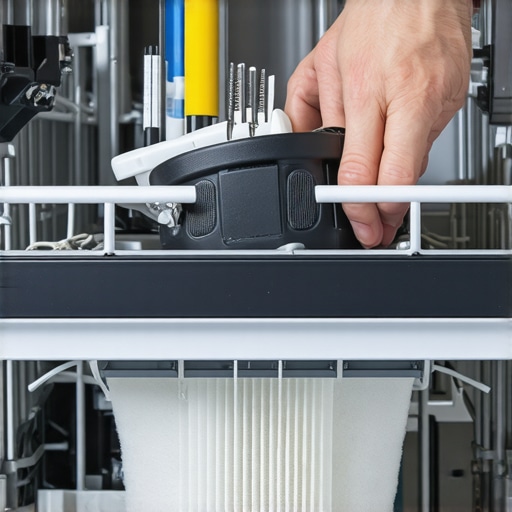 Many DIY enthusiasts believe that understanding the basic function of parts guarantees successful appliance repair. However, this oversimplifies the nuanced reality. For example, a common myth is that replacing a faulty control board always resolves issues like a dishwasher running endlessly. In reality, electronic components often have interconnected subtleties—corrosion, weak solder joints, or subtle sensor failures—that can easily be overlooked. Rushing to replace the control board without thorough diagnostics can lead to unnecessary expenses; sometimes, cleaning corrosion or re-seating connections restores full functionality, as shown in expert analyses on appliance troubleshooting. Additionally, a frequent mistake is assuming that a single faulty component is the root cause. For instance, a stuck float switch might be mistaken for a failed drain pump, but in truth, debris buildup or misaligned parts could be the culprit. This is why comprehensive diagnostics—testing continuity, voltage signals, and physical obstructions—are essential for precise repairs. Advanced technicians also recognize the importance of contextual clues, such as error codes or intermittent behaviors, which point to secondary issues like wiring damage or control signal interference. Common misconceptions often lead DIYers to overlook subtle signs—like slight corrosion or inconsistent sensor readings—that indicate deeper problems requiring careful investigation. To avoid these pitfalls, I advise not just replacing parts blindly but practicing systematic troubleshooting, including checking the soap dispenser actuator, which can stuck due to residue buildup, leading to cycle failures. For similar nuanced issues, detailed guides like testing the dishwasher soap dispenser actuator can be invaluable. Remember, appliance repair is less about parts swapping and more about diagnosing the precise cause. By embracing this mindset, you avoid the trap of overestimating your abilities based solely on theoretical knowledge. When working on complex components like oven sensors or drain systems, a skilled approach prevents costly mistakes and extends appliance lifespan. Are you guilty of rushing into a fix without sufficient diagnosis? Let me know in the comments!Maintaining your appliances over time is crucial to ensure longevity and optimal performance. The right tools and disciplined routines can make all the difference, saving you money and preventing unexpected breakdowns. One of my go-to tools is a high-quality multimeter, which I use not only for testing electrical components like thermostats, relays, and sensors but also for verifying continuity in control boards. I personally prefer a multimeter with auto-ranging capabilities because it simplifies testing without the need to manually select ranges, reducing errors. For instance, when diagnosing a faulty oven sensor, I use my multimeter to check for continuity and proper resistance values, ensuring I pinpoint the issue quickly.
Another indispensable gadget is a long, flexible inspection mirror. It allows me to see behind tough-to-reach components in dishwashers and ovens, such as internal wiring connections or hidden obstructions, without disassembling the entire unit. Pairing this with a good LED flashlight ensures I won’t miss subtle signs of corrosion or debris buildup.
Beyond hardware, I rely on reputable digital troubleshooting guides, like the comprehensive resources found on appliancebargainz.com, where step-by-step instructions guide me through testing-specific parts such as the dishwasher’s soap dispenser actuator or oven’s high-limit thermostat. These guides help me avoid costly part replacements and focus on effective repairs.
Predicting the future of appliance maintenance, I believe we’ll see a shift towards smart diagnostic tools integrated directly into appliances. Imagine phones or tablets syncing with your oven or dishwasher to alert you of component failures before they happen. This proactive approach could revolutionize home appliance maintenance, reducing downtime and extending lifespan.
How do I keep my appliances working smoothly for the long haul?
Regular cleaning of filters, ensuring proper drainage, and inspecting seals and gaskets can prevent many issues. For example, routinely clearing dishwasher spray nozzles from mineral deposits can maintain water flow efficiency, preventing unnecessary strain on pumps. Additionally, applying lubricant to oven hinges every few years prevents squeaks and ensures smooth operation, which you can learn more about in this guide on lubricating oven hinges.
Practicing preventive maintenance, like checking the heating elements periodically with your multimeter, can catch problems early. Don’t forget, tools like a multimeter and inspection mirror are your best friends for accurate diagnostics. Investing in these tools pays off—they help you identify issues precisely, saving both money and frustration.
To get started, try testing your oven’s temperature sensor with a multimeter following the instructions outlined here. If you find inconsistent resistance readings, replacing your sensor could restore even heating. Remember, a small investment in proper tools and routine checks will keep your appliances running efficiently, often beyond their expected lifespan.
3 Surprising Truths That Turned My Troubleshooting Around
One of the biggest lessons I learned was that every malfunction isn’t always about a busted part; sometimes, it’s a detail like debris or corrosion that’s causing the problem. For example, I once replaced a control board only to realize a loose connection was the real culprit, saving me time and money. Recognizing pattern quirks, like a float switch that sticks after mineral buildup, keeps me vigilant. The moment I shifted from guessing to systematically testing each component, my repairs became faster and more reliable. Trust me, understanding these subtle cues and avoiding assumptions can make your appliance fixes feel less like guesswork and more like mastering a craft.
Tools and Resources That Elevated My Repair Skills
Over time, I’ve found that having the right tools is essential. A digital multimeter with auto-ranging capability revolutionized how I diagnose electrical issues, saving hours of trial and error. A flexible inspection mirror helped me spot corrosion in tight spaces without disassembling the entire appliance. I also rely heavily on detailed online guides, like this drain hose replacement guide, which breaks down complex steps into manageable actions. Books such as “Appliance Repair for Dummies” provided foundational knowledge and confidence. Trust these resources—they’ve helped me troubleshoot with precision, avoiding unnecessary replacements and broadening my understanding of appliance intricacies.
Your Next Step in Happy Repairs
Don’t let fear or uncertainty hold you back from tackling appliance issues head-on. Every repair, big or small, is an opportunity to learn and gain confidence. Remember, systematic diagnostics and patience are your best allies. With consistent effort, you can transform frustrating breakdowns into satisfying fixes that extend your appliances’ lifespan. Ready to take on that stubborn dishwasher or finicky oven? Your next success story starts with one simple step—just like I did. How about sharing your recent repair challenge? I’d love to hear your story below and help you troubleshoot your next project confidently.