Have you ever stood in your kitchen, dishwasher finished its cycle, only to find those stubborn dishes still wet or with residue? It’s frustrating—especially when you’re rushing to get everything done. I remember the moment I felt my heart drop; my dishwasher refused to work properly, and I thought I was in for a costly repair. But then I discovered a simple, yet powerful, trick that changed everything—The 5-Minute Test for a Failing Dishwasher Thermal Fuse.
Why a Quick Check Can Save Your Day
Sometimes, the smallest part like the thermal fuse is the culprit behind big kitchen headaches. Instead of calling in a technician right away, I started doing quick diagnostic tests myself. Turns out, many dishwasher failures stem from a failed thermal fuse, which essentially acts like a safety switch preventing the machine from overheating. Knowing how to test it in just five minutes can keep you from unnecessary expenses and downtime. This little-known method is surprisingly easy to perform, and I’ll walk you through the process so you can quickly identify if your fuse is the problem.
Skeptical? Here’s Why It’s Worth a Shot
Honestly, I’d been burnt before thinking I could fix appliances myself—rushing into repairs without proper testing can sometimes lead to more damage. Early on, I made the mistake of ignoring basic diagnostics, which only prolonged the problem. But I learned that a simple continuity test with a multimeter is often enough to tell if the fuse is blown. This approach isn’t just my experience; appliances like dishwashers are built with safety features that are designed to fail when necessary. Understanding this saved me from costly replacements and reduced my frustration. If you want to save time and money, this test is worth trying before shelling out for a new dishwasher or calling a repair service.
Ready to tackle this common issue? Let’s dive into how you can perform the 5-minute thermal fuse test and whether your dishwasher’s troubles are as simple as a blown fuse. If you’re curious about other diagnostic tips, you might find this guide on unclogging your oven pilot light helpful. Now, let’s get started with how to check your dishwasher’s thermal fuse and get your kitchen back in order.
Gather the Right Tools
Before diving into the test, assemble a digital multimeter—think of it as a health scanner for electrical parts. Also, locate your dishwasher’s wiring diagram in the user manual or online; it’s like a map guiding you through the maze. Make sure the dishwasher is unplugged to ensure safety, much like turning off the main power before working on household electricals.
Access the Thermal Fuse
Open the dishwasher’s front panel or toe kick panel, depending on your model. Usually, the thermal fuse is found on the control panel underside or near the heater assembly. Use a screwdriver to remove screws carefully. Imagine it as gently lifting a hatch to inspect the engine of a car—precision matters. Watch out for any wires connected to the fuse; take note of their placement or photograph the setup for reassembly.
Disconnect the Fuse for Testing
Disconnect the wires from the thermal fuse terminals by gently pulling off the connectors. Think of it as unplugging connector plugs in your desktop; avoid yanking the wires. This isolates the fuse from the circuit, making the test accurate. If your wires are secured with clips, carefully detach them without damaging the connectors.
Perform the Continuity Test
Set your multimeter to the continuity or ohms setting (symbolized by a sound wave or diode). Touch the multimeter probes to each fuse terminal—the readings tell you if the fuse is intact. A steady beep or a low resistance (close to zero ohms) indicates a healthy fuse. If the multimeter shows infinite resistance or no beep, the fuse has blown—like a blown fuse in a household circuit.
Real-Life Example: My First Try
Once, I followed this process on my dishwasher, and the multimeter buzzed happily, confirming the fuse was good. Replacing the panel and reconnecting the wires, the dishwasher powered up perfectly. It saved me from a costly service call and gave me confidence in troubleshooting household appliances myself.
Reassemble and Test
Reconnect the fuse wiring as per your notes or photo, then replace the panel screws securely. Plug in the dishwasher and run a test cycle. If it works, you’ve successfully pinpointed the issue. If not, proceed to check other components like the control board or heating element. For more guidance, see diagnosing appliance faults.
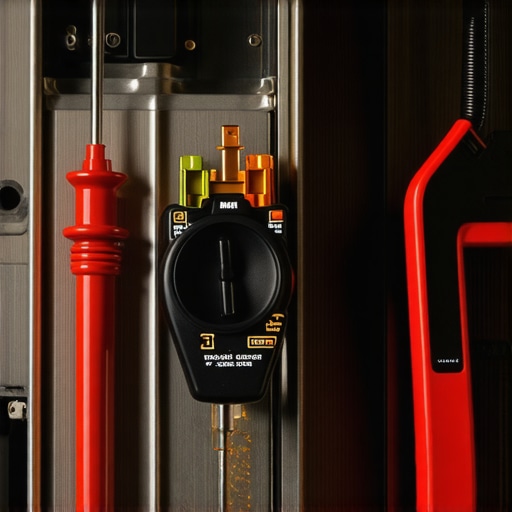
Many DIY enthusiasts and even seasoned repairers assume they understand appliances thoroughly, but in reality, several misperceptions can lead to more harm than good. One common myth is that replacing a single faulty part will always resolve the issue. However, appliances like dishwashers and ovens often have interconnected systems, and a failure in one component may be symptomatic of underlying problems elsewhere. For instance, a dishwasher not draining could be due to a clogged filter or a failing pump, rather than just a faulty drain pump itself. Recognizing these nuances can save time and prevent unnecessary part replacements.
Common Myths That Lead to Costly Mistakes
A prevalent misconception is that all parts are equally replaceable with standard tools. Advanced components like thermostats and control boards often require specialized testing to confirm failure, rather than a simple visual inspection. Relying solely on visual cues or assuming that a non-heating element is defective without conducting appropriate diagnostics can lead to unnecessary replacements. Additionally, many believe that all failures are immediate; in reality, most issues are gradual, and early indicators may be subtle. Paying attention to these signs can help catch problems before they escalate.
Beware the Oversimplification of Diagnostics
The trap many fall into is oversimplifying diagnostics, believing a single test or symptom points directly to the faulty part. For example, a dishwasher that fills endlessly might seem like a faulty inlet valve, but it could also be caused by a malfunctioning float switch or wiring issues. Advanced troubleshooting involves understanding the entire system’s operation and performing step-by-step diagnostics rather than jumping straight to replacement. This nuanced approach reduces costs and increases repair success rates.
Why Proper Testing Techniques Are Critical for Accurate Repairs
Many repair errors occur because people rely on assumptions instead of proper testing. For example, testing a thermal fuse with a multimeter for continuity provides definitive information, whereas simply inspecting for visible damage can be misleading. Correct testing involves using the right tools correctly, understanding the component’s role, and following systematic procedures. Proper testing not only verifies failure but also prevents unnecessary replacements, which is especially important for costly parts like control boards or heating elements. Remember, a well-informed diagnosis is the cornerstone of effective repairs.
So, have you ever fallen into this trap of oversimplification or assumed parts are interchangeable? Let me know in the comments. Embracing the nuances and nuances in appliance diagnostics enhances your repair skills and saves you money in the long run. For more insights on advanced troubleshooting, check out guides like diagnosing oven temperature sensor failures.
Why Investing in Quality Tools Pays Off
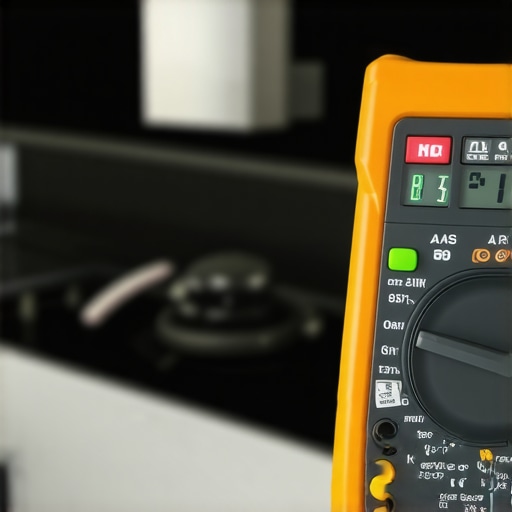
When it comes to maintaining your appliances like dishwashers and ovens, having the right tools is crucial. I personally swear by using a high-quality digital multimeter, such as the Fluke 117. Its precision and durability make diagnostics more reliable, especially when testing components like thermostats or thermal fuses. Also, I recommend investing in a set of precision screwdrivers—Phillips, flat-head, and Torx variants—because they reduce the risk of damaging delicate panels or wiring during disassembly. These tools are the backbone of my maintenance routine, ensuring I can troubleshoot with confidence and minimize costly mistakes.
Keeping Your Appliances in Peak Condition
Regular inspection and cleaning are vital for long-term performance. For instance, routinely checking and clearing dishwasher spray nozzles helps prevent clogs that cause poor drainage or residue. I schedule a monthly inspection where I remove and clean these nozzles using a combination of vinegar soak and a soft brush, which effectively dissolves mineral buildup. Additionally, paying attention to seals and gaskets, such as examining the dishwasher door seal for cracks or wear (which I check using a flashlight and a magnifying glass), prevents leaks that can damage surrounding cabinetry. A proactive approach not only prolongs appliance life but also improves efficiency, saving energy and water.
Leveraging Software and Diagnostic Techniques
Beyond physical tools, modern appliances often come with diagnostic modes that can reveal deep-seated issues. Many newer dishwashers and ovens support smartphone app integration for remote diagnostics—an area I see expanding rapidly. Using proprietary diagnostic modes, like the one detailed by appliance repair experts, I can run tests for heating elements, sensors, and control boards without invasive disassembly. This approach speeds up troubleshooting and prevents unnecessary replacements. For example, testing your oven’s thermostat with a multimeter, following detailed procedures documented by experts, ensures accuracy (see https://appliancebargainz.com/testing-your-oven-thermostat-with-a-digital-multimeter). I encourage you to explore these diagnostic features on your appliances and incorporate them into your maintenance routine.
How do I keep appliances working without surprises?
Consistent maintenance, combined with precise diagnostics and quality tools, forms the foundation of reliable appliance performance. Using a multimeter regularly, inspecting key components like seals and gaskets, and making use of diagnostic modes help catch problems early. Over time, this proactive care not only prevents unexpected breakdowns but also reduces repair costs. Looking ahead, I believe advancements in sensor technology and smarter diagnostic tools will make maintenance even more intuitive, transforming hobbyist repairs into professional-level diagnostics. For now, start incorporating a quality multimeter into your routine and practice testing components like the thermal fuse to build confidence and keep your appliances running smoothly.
Ready to elevate your appliance maintenance game? I recommend trying the detailed step-by-step process for testing your oven’s thermostat with a multimeter I mentioned. It’s a practical skill that can save you time and money, empowering you to handle common issues confidently at home. For more precise guidance, visit this detailed testing guide.
Lessons That Changed How I Approach Appliance Fixes
- Yes, a small part like the thermal fuse can be the root of complex problems, reminding me never to overlook the little details in diagnostics.
- Understanding the interconnected systems saves me from unnecessary replacements—appliance failure rarely stems from just one faulty component.
- My biggest breakthrough was realizing that proper testing tools and techniques are as crucial as the parts themselves for effective repairs.
- Skipping systematic diagnostics often leads to false assumptions; taking the time to test thoroughly makes all the difference in long-term success.
- Embracing a mindset of continuous learning—like exploring advanced troubleshooting methods—keeps me confident round after round of repairs.
Tools and Resources That Empower Me
My go-to toolkit includes a reliable digital multimeter, such as the Fluke 117, which offers precision and durability. I also rely on specialized guides like testing your oven’s thermostat to ensure accurate diagnostics. For parts, I trust genuine components sourced from reputable suppliers, preventing headaches down the line. Additionally, online repair communities and expert blogs provide invaluable tips and troubleshooting steps that help me navigate even the trickiest issues with confidence.
Fuel Your Confidence and Fix What You Thought Was Impossible
Every appliance repair I undertake is a step towards greater mastery. Remember, with the right tools and a methodical approach, tackling dishwasher and oven issues doesn’t have to feel overwhelming. Start practicing simple tests, like the thermal fuse check, and gradually build your skills. Before long, you’ll be confidently diagnosing problems that once seemed complex. Your kitchen appliances are resilient—and so are you. Why not take the first step today and see just how capable you truly are?
Have you tried testing your appliance components yourself? Let me know which part gave you the biggest ‘aha!’ moment below.
,