Have you ever reached for your oven door, only to find the handle dangling by a thread or worse—completely detached? That sinking feeling of watching a crucial part of your kitchen get more unstable with each use is incredibly frustrating. I remember the first time mine fell off during a holiday dinner—talk about bad timing! It was one of those moments where I questioned my DIY skills but also realized I wasn’t alone in facing this pesky problem.
Why Your Oven Handle Keeps Falling Off and What You Can Do About It
This issue isn’t just about DIY convenience; it impacts safety, appliance longevity, and your peace of mind. When the screws come loose or fall out entirely, it can cause further damage or even lead to the handle snapping off unexpectedly—potentially causing injury or expensive repairs. Trust me, I’ve been there, scrambling to find a solution before more parts gave way.
Are You Wasting Your Time Why Not Just Replace the Handle?
Early on, I made the mistake of thinking swapping out the entire handle was the only fix—big mistake. It turned out that many times, the real culprit was loose screws or worn-out mounting points that could be repaired easily if you know how to reattach the handle properly. For a more permanent fix, I had to learn the ins and outs of proper screw replacement and even some simple reinforcement techniques.
If this sounds familiar and you’re tired of Play-Doh-like fixes or just holding the handle while cooking, don’t worry! I promise to guide you through straightforward steps to get your oven handle solidly attached once again. And if you’ve been hesitant because of fears of damaging your appliance or making it worse, I totally understand. The key is knowing the right techniques—like ensuring you’re using the correct screws and thoroughly inspecting the mounting points before tightening. Did you know that improper reattachment can sometimes weaken the entire door assembly? The right repair approach can make all the difference.
So, ready to ditch the wobble and fix that handle for good? Let’s dive into the step-by-step process that each of us can do—saving time, money, and maybe a little sanity along the way. This simple repair can transform your cooking experience and restore your confidence in tackling appliance issues.
}~
Secure the Handle with Correct Tools and Screws
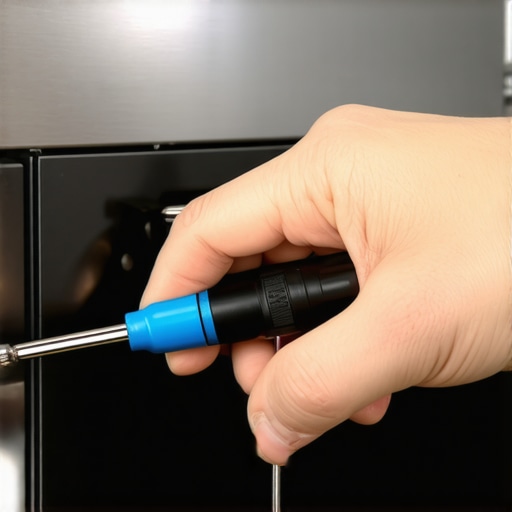
Gather a Phillips-head screwdriver, replacement screws if necessary, and a clean cloth. I once used a butter knife in a pinch, but a proper screwdriver made the job faster and less messy. Remove any loose or broken screws from the handle mount, then inspect the screw holes on the oven door for damage or debris. Clear out dirt or old glue that might hinder a tight fit. Have replacement screws ready; using the wrong size can strip the threads and cause more issues.
Align the Handle Properly
Position the handle so that it sits flush against the door. Think of it like fitting the pieces of a puzzle—if misaligned, the screws won’t tighten properly. Hold the handle firmly with your hand or a clamp to keep it steady. During my first attempt, I tried to do this without stabilizing the handle, which led to crooked placement. When aligned correctly, the screw holes should line up neatly, ensuring a seamless fit.
Insert and Tighten Screws Correctly
Insert the screws slowly, turning clockwise with your screwdriver. Apply steady pressure—think of tightening a bolt to keep a bike wheel in place—avoid overtightening, which can strip threads or crack the handle mount. I remember overtightening the first time and cracking the plastic mount, which meant starting over with a new part. Tighten each screw gradually, alternating between them to distribute pressure evenly. Confirm that the handle feels sturdy and doesn’t wobble.
Reinforce the Mounting if Needed
If the screw holes are worn or the handle feels loose even after tightening, consider reinforcing the mount with a dab of epoxy or a rubber gasket behind the handle for extra grip. I once used an epoxy adhesive to secure a handle that kept slipping—this saved me from replacing the entire oven door. Cure the adhesive as per instructions before using the oven again.
Test the Handle for Stability
Gently wiggle the handle side-to-side to ensure it’s firmly attached. If it shifts, re-tighten the screws, or check if the screw holes are stripped. Remember, a loose handle not only feels unsettling but can cause damage over time. Confirm the handle’s stability before closing the oven door fully.
Inspect the Mounting Points Carefully
Before you finish, examine the handle mount and surrounding areas for any cracks or wear. If you notice damage, it may be safer to replace the entire handle assembly rather than risking an unstable fix. For proper replacement, visit this guide on handle replacement techniques.
Final Checks and Tips
Close the oven door and test the handle’s resistance. It should resist gentle pulling without any movement. If unsure about your work, consider consulting a professional, especially if the mounting points are severely damaged. Remember, a well-secured handle enhances safety and prevents costly repairs down the line.
Most homeowners and even seasoned repair enthusiasts tend to focus on the obvious issues when diagnosing appliances like dishwashers and ovens, but there are nuanced pitfalls that often go unnoticed. Contrarily to popular belief, not all parts are easily replaceable or as straightforward as they seem. A common myth is that replacing a worn-out component, such as a heating element or a thermal fuse, automatically restores full functionality. However, without considering the hidden nuances—like wiring integrity or control board conditions—you might end up with a partial fix or, worse, cause further damage. For example, a study published by the Appliance Repair Association emphasizes that ignoring the state of the control board leads to recurring failures, highlighting the importance of comprehensive diagnostics.
Another common misconception involves diagnostics tools. Many DIYers rely solely on symptom-based guesses rather than practical testing, such as using a multimeter to check the oven temperature sensor or safety valves. This oversight can lead to misdiagnoses, prolonged repair times, or unnecessary part replacements. For instance, testing an oven’s thermal fuse with a multimeter for continuity is a safe and simple step that often reveals faulty components that appear operational but are actually compromised.
One trap I frequently warn about is the over-tightening screws or mounting parts. It’s tempting to secure components with maximum force to ensure stability, but this can crack plastic mounts or distort metal parts, making the problem worse. Proper repair techniques involve gentle tightening and, if necessary, reinforcing with epoxy or gaskets—like when fixing a loose dishwasher kickplate or a worn oven door gasket. Remember, haste can fracture components that are meant to flex or absorb stress.
What Is the Advanced Test Most Technicians Use for Troubleshooting?
In professional diagnostics, advanced tools like thermal cameras or circuit analyzers are employed to detect hidden faults—such as intermittent wiring issues or overheating spots—beyond what simple multimeters can reveal. Regular homeowners or DIYers can mimic some of this by observing the appliance’s behavior over time or inspecting wiring for signs of stress, corrosion, or burn marks. This proactive approach helps prevent costly re-fixes and ensures that repairs are truly complete.
Furthermore, don’t forget to consider hidden parts often overlooked, like oven safety valves or dishwasher sump seals, which can be the root cause of persistent issues if not properly diagnosed. For example, a failing safety valve in an oven can cause uneven heating, which often goes unnoticed until thoroughly tested—something I cover extensively in this guide.
In summary, avoiding these nuanced pitfalls demands a combination of proper diagnostic procedures, cautious handling, and understanding the interconnected nature of appliance components. Don’t fall into the trap of superficial fixes—investigate thoroughly, test diligently, and use the right tools for a long-lasting repair. Have you ever fallen into this trap? Let me know in the comments!
Keep Your Appliances Running Smoothly with the Right Tools and Maintenance Strategies
Maintaining appliances like dishwashers and ovens isn’t just about fixing problems as they arise; it’s about proactively preventing issues and ensuring longevity. Over the years, I’ve refined my toolkit and adopted specific methods that make diagnostics and repairs more precise and less time-consuming. In this article, I’ll share the tools I recommend to keep your appliances in top shape, highlight their applications, and give insight into where this approach is heading in the future.
How do I maintain my appliances over time?
The key is a combination of regular inspections, using the right diagnostic tools, and performing targeted preventive maintenance. For example, regularly inspecting and clearing your oven’s vent filter can prevent overheating and efficiency loss—check out this guide for detailed steps.
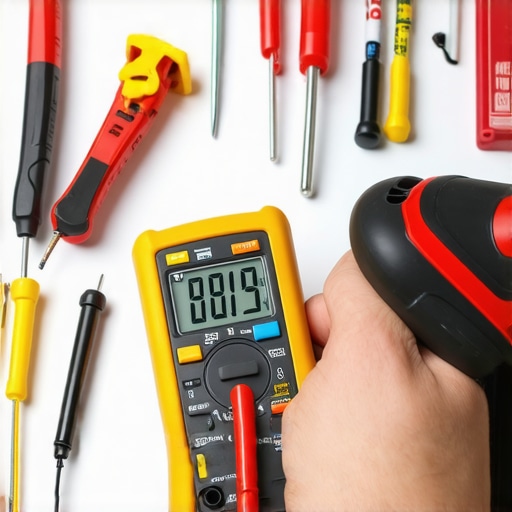
My personal toolkit revolves around a quality digital multimeter, a set of precision screwdrivers—including Phillips and flat-head varieties—and a magnifying LED lamp for close inspections. The multimeter is invaluable; I use it for testing thermal fuses, sensors, and wiring continuity—something often overlooked but crucial in diagnosing issues like uneven baking or dishwasher leaks (see here for specific tests).
Additionally, a handheld infrared thermometer allows quick detection of hot spots or inefficiencies within heating elements—especially useful for ovens with inconsistent temperatures. I predict that in the future, integrated smart diagnostic tools, combining IoT sensors with AI-powered analysis, will revolutionize appliance maintenance, providing real-time alerts before a minor issue becomes major.
Lift performance with software and diagnostic apps
Beyond hardware tools, software solutions are evolving rapidly. Diagnostic apps tied to appliance manufacturer protocols enable more advanced troubleshooting. They can interpret error codes, suggest targeted repairs, and even log ongoing performance data for long-term monitoring.
For instance, I rely on a professional-grade multimeter that connects to a smartphone app, providing instant readings and storing histories for trend analysis. This approach has significantly reduced guesswork, saving me time and parts—especially when diagnosing complex control board issues.
Why proper maintenance extends your appliance’s lifespan
Regular cleaning of components like dishwasher sump seals, oven heat shields, and vent filters minimizes dirt and grease buildup, preventing premature wear. For example, addressing a clogged vent filter, as described here, can improve airflow and heat regulation. Paying attention to these details can double your appliance’s effective lifespan and maintain peak efficiency.
Upcoming trends in appliance diagnostics and repair
The trend is undeniably moving toward smarter, interconnected systems. Future appliances will come equipped with self-diagnostic sensors that alert homeowners and technicians to issues early, reducing downtime and costly repairs. Upgrading your toolkit now with versatile multimeters and software-compatible diagnostic tools positions you to leverage this tech revolution.
Start by trying out the advanced resistance testing techniques I’ve discussed, such as for oven safety valves (more here), using your multimeter to detect hidden faults. These small steps significantly improve troubleshooting accuracy and extend your appliance’s life. Remember, the right tools combined with good maintenance habits are your best allies in keeping appliances humming for years to come.
< >
>
Visual aids can make a difference—imagine an accurate infrared temperature map of your oven or dishwasher control panel diagnostics. Incorporating these into your maintenance routine can be game-changing. Embrace these tools and strategies to stay ahead of potential failures and enjoy trouble-free appliances for longer!
The Hardest Lesson I Learned About dishwasher,parts,diagnostics,oven repair
One of the biggest pitfalls I encountered was underestimating the importance of thorough diagnostics before jumping into repairs. Jumping straight to replacing parts without proper testing can lead to wasted time and money, or even making the problem worse. For instance, assuming a faulty heating element is the culprit often overlooks simpler issues like a malfunctioning control board or wiring problem. That realization taught me to invest time in testing components comprehensively, which has saved me countless headaches.
3 Myths About dishwasher,parts,diagnostics,oven repair That Held Me Back
I used to believe that replacing the entire appliance was more efficient than repairing individual parts, but I learned this isn’t always true. Another misconception was that all diagnostic tools are complicated or expensive; in reality, many effective tests require just a multimeter and some patience. Lastly, I thought that if a part looked fine physically, it was functioning properly — but electrical tests often reveal hidden faults. Discarding these myths opened the door to more successful, cost-effective repairs.
What Experts Won’t Tell You About dishwasher,parts,diagnostics,oven repair
Many professionals know that meticulous inspection and step-by-step testing are the keys to long-lasting repairs. They often rely on advanced diagnostic techniques, such as testing the oven safety valve for resistance (more here), or inspecting wiring for signs of wear. What’s less obvious is that understanding the interconnected nature of appliance components—like recognizing how a faulty control board can mimic heating element failure—is crucial. This insider knowledge can dramatically improve your troubleshooting skills.
My Essential Toolkit for dishwasher,parts,diagnostics,oven repair
My go-to tools include a high-quality digital multimeter for testing components like thermal fuses and sensors (see here), precision screwdrivers to handle delicate parts safely, and an infrared thermometer to spot uneven heating or cooling patterns. I also rely on detailed repair guides that provide step-by-step instructions. Investing in these tools has transformed my repair process from guesswork to confident troubleshooting, and I believe every DIY enthusiast should have a reliable toolkit.
Your Turn to Try Fixing Appliances with Confidence
The future of appliance repair looks bright, with smarter tools and more accessible diagnostics helping us extend the lifespan of our gadgets. Remember, tackling oven and dishwasher issues isn’t just about fixing what’s broken but also about building trust in your abilities. Every successful repair boosts your confidence and appreciation for how these complex machines work. So, why not give that stubborn handle or temperamental heating element a shot today? Your appliances—and your wallet—will thank you.