Ever run your dishwasher only to find it behaving strangely — maybe not draining properly or stopping mid-cycle? I remember the lightbulb moment I had when I opened mine and realized the float switch was jammed in the up position. Suddenly, my machine wasn’t filling or draining as it should, leaving me puzzled and frustrated. That little float might seem insignificant, but it plays a crucial role in the dishwasher’s operation, acting like an alert system for water levels.
Why Your Dishwasher’s Float Gets Stuck and How to Fix It
If your dishwasher isn’t filling, overflows, or refuses to start, a stuck float could be the culprit. The float, a small device usually located at the bottom of the tub, signals the control board when to stop filling with water. When it’s jammed in the up position, it tricks the machine into thinking it’s already full, causing dysfunction.
Is the Float Really Worth the Fuss?
At first, I dismissed the float as a minor part, a simple float ball that could just be cleaned or replaced. But after I made a mistake early on—failing to check for debris or buildup—I spent hours troubleshooting the wrong areas. Trust me, understanding the float’s importance saves time and prevents unnecessary repairs. For a thorough guide on leveling your dishwasher to avoid vibrations, check out this helpful article.
Let’s dive into how you can troubleshoot and fix this common issue, so your dishwasher works smoothly again. Ready to regain control over what seems like a tiny but mighty part? Here’s what you need to know to get started.
,
Remove the Dishwasher’s Bottom Panel Carefully
Start by unplugging your dishwasher to ensure safety. Use a screwdriver to remove the lower kick plate or panel, which typically covers the float assembly. As I did during my last repair, place a towel nearby to catch any water leaks. Carefully slide out the panel, revealing the float switch area. Think of this step as peeling back the curtain to see the star of the show: the float and its mechanism.
Locate and Inspect the Float and Its Assembly
Look for the float, a small circular or cylindrical device usually at the front bottom of the tub. It might be a plastic or a metal ball attached to a stem or arm. In my case, I found mine jammed against debris. Check if it moves freely up and down. If it’s stuck in the up position, it behaves like a traffic jam, signaling ‘full’ when there’s actually water in the tub. Sometimes lint, dirt, or small objects clog the float mechanism, causing it to stick. Think of this as a toy car parked on a track, blocking the path—simply cleaning can resolve the blockage.
Clean and Free the Float Assembly
Gently lift the float to see if it moves easily. Use a soft cloth and mild soap to clean any buildup around the float and its pivot point. If you notice debris like soap scum or lint, remove it completely. Often, a simple wipe restores the float’s mobility, akin to turning a rusty valve smoothly again. During my last fix, I used an old toothbrush to scrub away stubborn grime, which made the float slide effortlessly afterward.
Check the Float Switch and Its Wiring
If cleaning doesn’t solve the issue, examine the float switch’s wiring. Disconnect the wiring harness carefully, inspecting for corrosion, loose connections, or broken wires. Think of it as inspecting electrical wiring like a mechanic would check a car’s throttle sensor; loose contacts cause miscommunication. If wiring is damaged, replace or repair as needed.
Test the Float Switch Functionality
Use a multimeter to test the switch for continuity. Remove the switch from the assembly if possible. As I tested mine, I set the multimeter to continuity mode, and when pressing the switch manually, I heard the beep indicating it was working. No beep means the switch is faulty, and replacing it will prevent false full signals, much like a doorbell failing to ring despite pressing it.
Reassemble and Verify Your Repair
Once satisfied, reconnect the wiring, reinstall the float if removed, and replace the bottom panel. Plug in your dishwasher and run a test cycle. Observe if the float moves freely and whether the machine fills and drains correctly. When I completed my fix, the dishwasher resumed normal operation, and I felt like I had just exorcised a stubborn ghost of malfunction—literally restoring peace to my kitchen.
Additional Tips for Smooth Operation
If issues persist, consider checking for kinks or clogs in the drain hose, as drainage problems can mimic float issues. Also, verify that the dishwasher is level; an uneven standing can cause the float to misbehave. For a safe and efficient fix, ensure your dishwasher is leveled by following tips from this guide. Making sure the base is even prevents the float from catching on one side, ensuring a smooth, jam-free operation.
Many DIY enthusiasts and even seasoned technicians fall prey to misconceptions that hinder effective appliance repairs. For instance, it’s widely believed that replacing parts at random can resolve issues faster, but this approach often leads to unnecessary expenses and prolonged downtime. Instead, mastering diagnostic nuances can save time and money, ensuring repairs are precise and lasting.
A frequent trap is oversimplifying complex systems. People often assume that a malfunction stems from a single component—like a burnt-out heating element or a clogged spray arm—without considering interconnected parts or underlying electrical issues. For example, an oven that won’t heat might be blamed solely on the element, but faulty temperature sensors or control boards could be the real culprits. According to industry expert appliance repair specialists, understanding deeper system interactions is crucial for accurate diagnosis.
One myth that can cause costly mistakes is the assumption that all parts are easily replaceable without proper testing. Modern appliances often have delicate electronics; attempting repairs without testing switches or sensors first can cause more harm. For instance, testing a dishwasher’s float switch with a multimeter before replacing it can prevent unnecessary part swaps. This step often uncovers overlooked issues, like wiring problems or control faults, that are not immediately apparent.
How can advanced diagnostics prevent misdiagnosis in complex appliances?
Using tools like multimeters, diagnostic modes, and external references allows technicians to pinpoint problems precisely. For example, testing oven temperature sensors’ resistance with a simple resistance measurement can reveal whether they’re within specifications. Skipping these tests leads to guesswork, which is unreliable given the complexities of modern appliances. Consulting detailed guides, such as this resource, can help differentiate between faulty parts and electrical issues that mimic mechanical failures.
One pivotal aspect often overlooked is the importance of proper leveling and positioning, which impacts sensor readings and mechanical operations. An uneven dishwasher, for instance, can cause float switches to behave erratically. For a practical fix, consider revisiting your appliance’s installation, ensuring it’s balanced, and following expert tips from this article.
In conclusion, dispelling myths about quick fixes and superficial diagnostics is essential for effective appliance repair. Dive into the details—test components thoroughly, understand system interactions, and use diagnostic tools judiciously. Remember, rushing into part replacements without proper testing often causes more damage than it cures. Sharing your experiences or questions below can help build a smarter troubleshooting community. Have you ever fallen into this trap? Let me know in the comments.
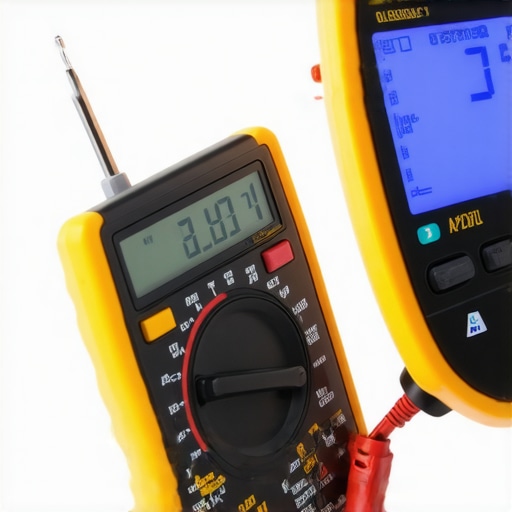
Staying on Top of Repairs with the Right Equipment
Maintaining your appliances over time requires more than just good intentions—it demands the right tools. A quality multimeter has become my go-to piece of equipment, allowing me to diagnose electrical issues accurately, especially when a component like a thermostat or switch isn’t behaving as expected. I personally prefer a digital multimeter with auto-ranging features because it simplifies testing and reduces errors, saving me time and guesswork during repairs. Additionally, a small, cordless drill with a Phillips and flat-head bit set helps in disassembling panels quickly without damaging screws, especially when dealing with tight spaces or stubborn fasteners.
Investing in Diagnostic Software and Manuals
Besides physical tools, I strongly recommend having access to detailed repair manuals or diagnostic software tailored for your appliance model. Resources like Appliance Aid provide in-depth wiring diagrams and troubleshooting procedures. These digital references are invaluable for understanding complex control systems, particularly on modern dishwashers or ovens that integrate electronic control boards. Regularly updating your knowledge base ensures you’re prepared for evolving appliance features and can spot issues before they escalate.
How do I ensure my tools stay effective over years of use?
Proper maintenance of your diagnostic equipment is crucial. For example, calibrate your multimeter annually to guarantee precision—improper readings can lead to misdiagnosis. Keep tools clean and store them in protective cases to prevent damage from dust or moisture. Also, replace worn-out test leads or batteries promptly; cheap or faulty components can give false readings, undermining your efforts. This investment in care extends the lifespan of your tools and maintains reliability for future repairs.
Predicting Trends in Appliance Maintenance Tools
Looking ahead, I believe the integration of smart diagnostic devices will revolutionize DIY repairs. Devices that connect via Bluetooth or Wi-Fi to your smartphone can provide real-time data, fault history, and even suggest corrective actions. Already, some brands are releasing apps that sync with control boards to diagnose issues remotely. This trend will make troubleshooting faster and more precise, reducing the need for extensive disassembly.
Making Repairs Last: Practical Maintenance Tips
Beyond tools, implementing routine checkups can prevent many problems. For instance, regularly inspecting and clearing gunk from spray arms or cleaning filters helps maintain optimal water flow, extending the life of your dishwasher. Also, verify that your appliances are level—an often overlooked detail that you can check using a simple spirit level. Ensuring a stable position prevents sensor misreads or mechanical stress, which can cause parts to wear prematurely. For a comprehensive guide on this, see this article.
In my experience, combining quality tools with proactive maintenance is the best path to keeping appliances reliable. For example, testing your oven’s temperature sensor with a multimeter periodically reveals issues before they cause uneven cooking, saving you both time and frustration. Don’t hesitate to try this simple yet effective diagnostic—it’s a game-changer for long-term appliance health.
,One of the most valuable insights I gained from troubleshooting appliances is that even the tiniest component can hold the key to a smooth-running machine. My experience with stuck floats and faulty sensors taught me not to overlook the basics—they often reveal the real culprit before I dive into complex repairs. Trusting your instincts and patiently testing each part—rather than rushing to replace—can save time and money, turning frustration into a rewarding learning journey.
Another lesson is the importance of understanding interconnected systems. A dishwasher’s drainage or a oven’s temperature sensor could be linked to electrical wiring or control boards, so diagnosing one issue often requires a broader perspective. Using diagnostic tools and consulting reliable resources empowers you to make informed decisions instead of guesswork. Embracing this holistic view transforms appliance repair from a chore into a satisfying problem-solving adventure.
Lastly, I realized that patience and thoroughness are the best tools in any repair kit. Rushing to fix a symptom might temporarily quiet the problem, but it rarely leads to a lasting solution. Taking the time to clean, test, and verify each component—like inspecting a float’s movement or testing the continuity of a switch—ensures the repair is effective and permanent. Sometimes, the most straightforward fix is also the most impactful, restoring your appliances and peace of mind.
These lessons have made me more confident as a DIY enthusiast and educated me on the importance of a methodical, informed approach. They remind me that understanding your tools, paying attention to details, and embracing patience can turn even the most intimidating appliance issue into a manageable challenge.